
Debunking the Gyeonggi Province Bankruptcy Rumor: Government Clarification and Facts
Verifying the Gyeonggi Province Bankruptcy Claims
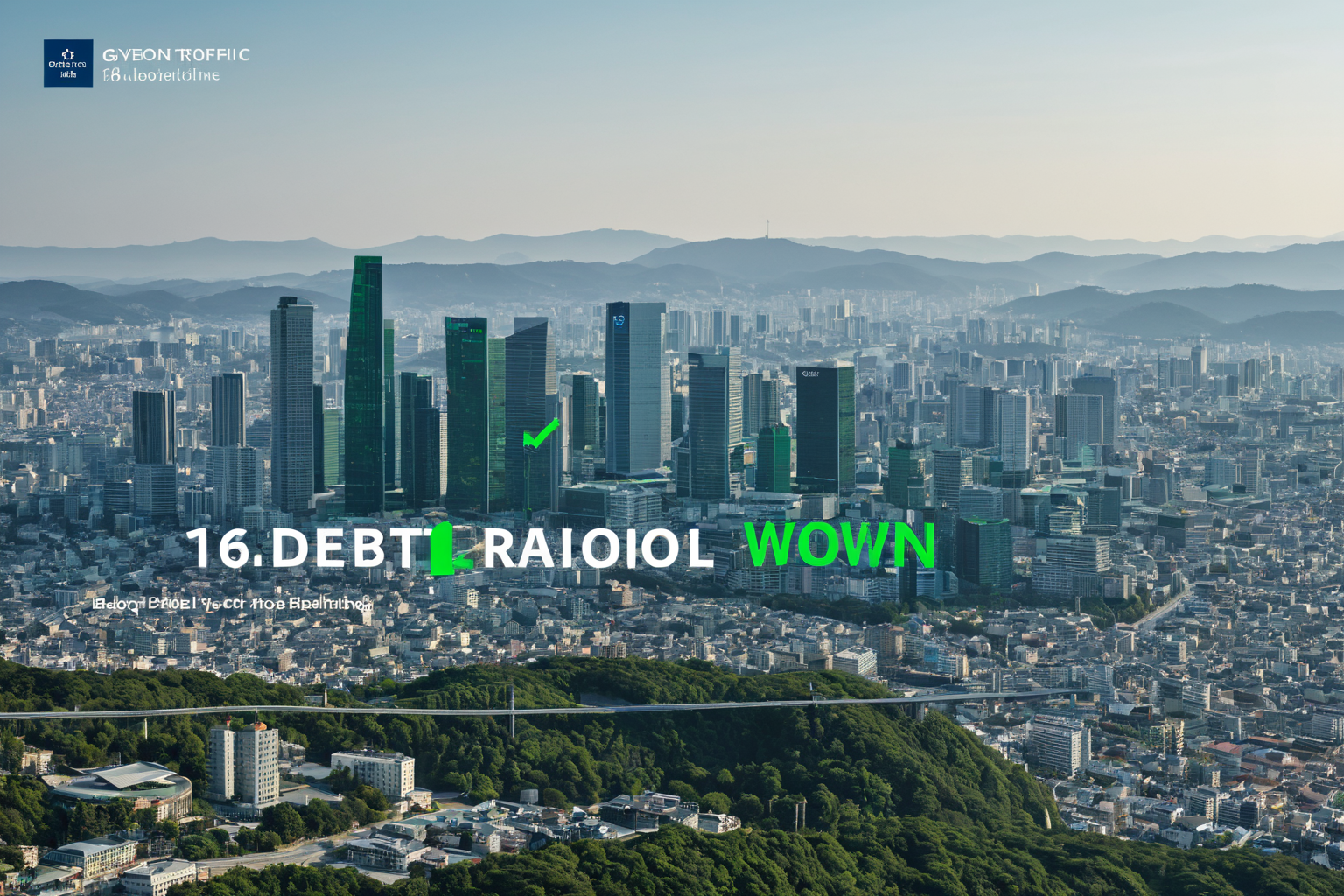
The bankruptcy rumors about Gyeonggi Province's finances were triggered by Governor Chun Mi-ae's declaration of a 'financial emergency' and her announcement of a 770 billion won restructuring plan. However, the province's debt ratio is only in the low teens—far below what would constitute a crisis—and the claims of an imminent collapse appear greatly exaggerated.
Origins of the Bankruptcy Rumor
On August 5, 2026, Governor Chun Mi-ae officially declared a 'financial emergency' regarding Gyeonggi Province's fiscal situation. The next day, OBC News reported on her announcement and the planned restructuring of 77 billion won.
On September 7, 2026, eanews.kr published an article claiming that despite having a debt ratio in the low teens, Gyeonggi Province was facing a financial crisis. This portrayal was seen as exaggerated compared to the province's actual fiscal condition.
The spread of these rumors led citizens and businesses to express concern about Gyeonggi's financial health. In particular, real estate markets saw increased anxiety over delayed economic revitalization due to reduced property acquisition tax revenue, while some small businesses experienced higher borrowing barriers as credit ratings declined.
As the debate intensified, it became clear that the fiscal challenges stemmed from a 2026 budget cut following a decline in property acquisition tax revenues—a situation requiring stronger collaboration between central and local governments.
Gyeonggi's Debt Status and Government Response
The province's total debt has been confirmed at approximately 7 trillion won, with a debt ratio of only around 12%—well below the average for regional governments. This confirms that claims of an imminent fiscal crisis were greatly exaggerated.
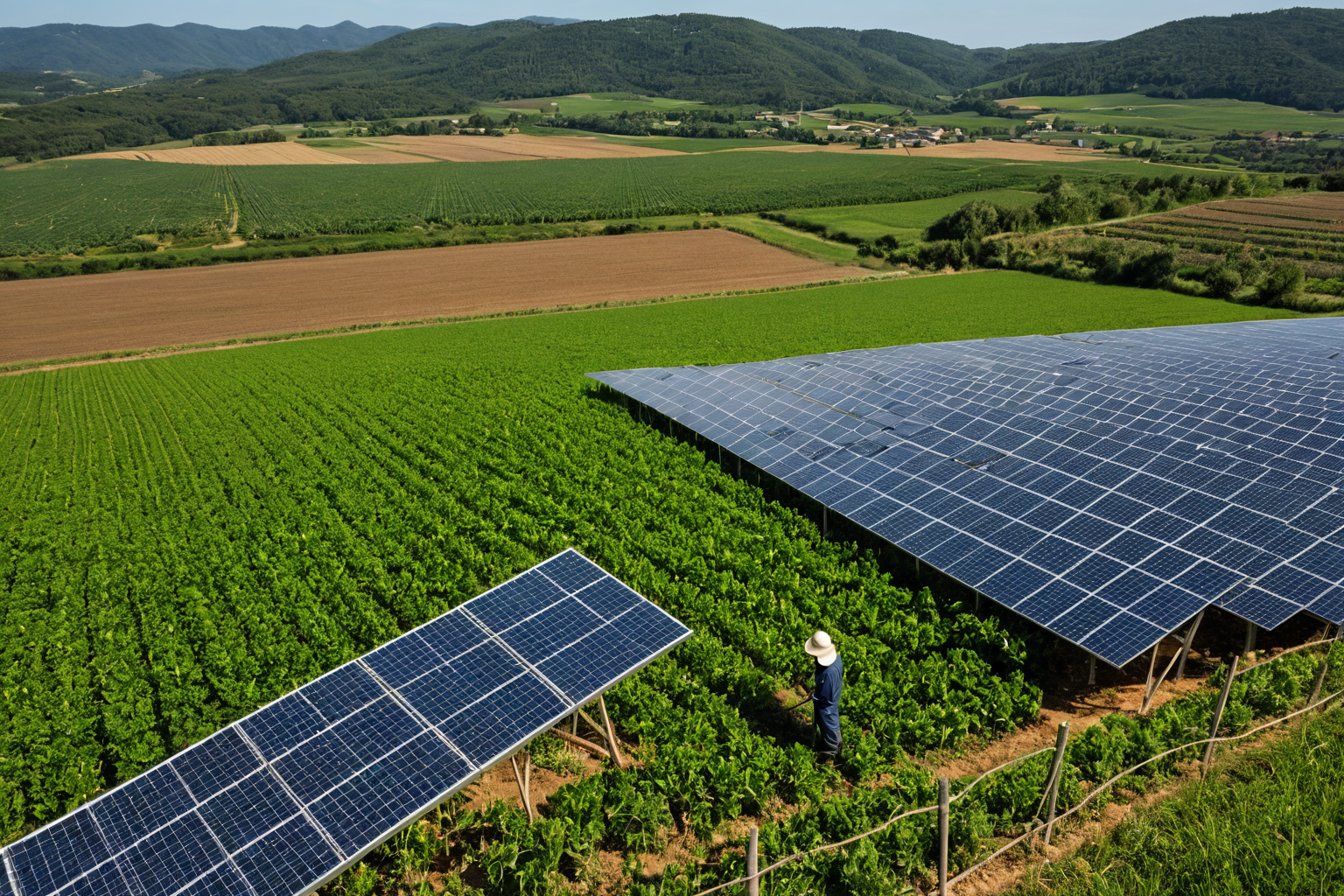
To address these challenges, the government is implementing pilot projects for agricultural solar power. These initiatives in Hwaseong and Ansung combine farming with solar energy production to support economic activity. The program is seen as part of a broader strategy to simultaneously boost local economies and maintain fiscal stability.
The agricultural solar power initiative aims to increase farmers' income by linking electricity revenue from solar installations with improved agricultural productivity, creating a sustainable economic model. This approach is expected to have positive effects on residents' quality of life as well.
Additionally, the government has introduced various support policies to strengthen Gyeonggi's fiscal health. For instance, a supplementary budget of 26.2 trillion won for civil livelihood support has been prepared, which is expected to help ease the province's financial burden.
Burden from Reduced Property Acquisition Tax Revenue
Gyeonggi Province has increased its debt repayment burden due to a decline in property acquisition tax revenue, leading to budget cuts of 77.33 billion won. This was announced by the province on July 6, 2026, confirming that reduced tax income had negatively impacted fiscal conditions.
The drop in property acquisition tax came as part of a broader real estate market slowdown, directly affecting the province's tax revenue. While the budget cuts were intended to alleviate financial pressure, they inadvertently hindered economic revitalization efforts.
Rep. Lee Chae-myung emphasized the importance of analyzing detailed debt breakdowns rather than focusing solely on total figures. This approach is considered more accurate for understanding Gyeonggi's fiscal challenges.
The legislator also highlighted the need for a nuanced analysis of how budget cuts related to reduced property acquisition taxes affect the local economy, arguing that long-term solutions are needed rather than short-term fixes.
Government's Additional Support Plans
The government is currently preparing a supplementary budget of 26.2 trillion won to support civil livelihoods. This represents an additional measure to address Gyeonggi's fiscal challenges and reflects the central government's efforts toward financial stabilization.
The supplementary budget primarily consists of policies supporting small businesses and low-income households, which are expected to help reduce Gyeonggi's financial burden. Additionally, the government is considering support plans for AI art sectors proposed by the Gyeonggi Research Institute as part of broader creative economy initiatives.
The Gyeonggi Research Institute has highlighted the need for central and local governments to support AI art fields. This strategic direction aims to develop new revenue streams that could contribute to Gyeonggi's creative economic revitalization, with significant potential in the digital economy era.
Through these policies, both the government and Gyeonggi Province aim to diversify the regional economy while maintaining fiscal stability. This approach is expected to support long-term economic growth as well as provide immediate relief from short-term financial pressures.
Clarifying Misunderstandings About the Bankruptcy Claim
The bankruptcy claim appears exaggerated when compared to Gyeonggi's actual debt ratio of around 12%. Accurate assessment requires detailed analysis rather than focusing solely on total figures, with an emphasis on specific expenditure items.
While there was some negative commentary regarding the disclosure of BC values (basic costs) related to the Gyeonggi South Region High-Speed Railway project, the province's actual financial situation has not been fully disclosed. This lack of transparency contributed to public misunderstanding about the bankruptcy claim.
Specifically, the issue surrounding the disclosure of basic cost figures raised questions about fiscal management transparency in Gyeonggi Province and led to a decline in public trust. However, both the government and province are working to improve financial information disclosure procedures to address these concerns.
Increasing transparency in fiscal management is expected to not only restore public trust but also contribute positively to economic revitalization. To this end, Gyeonggi Province is considering regular publication of financial status reports and developing platforms that allow citizens to directly access fiscal data.
Necessary Information to Verify
Key points for verification include Gyeonggi's debt amount and detailed breakdown, the impact of reduced property acquisition tax revenue on budget cuts, and the government's additional support plans. These are essential for accurately assessing Gyeonggi's fiscal situation.
Gyeonggi's fiscal health has already been demonstrated by its low 12% debt ratio, and with effective implementation of additional support policies, it is expected to become even more stable. In particular, finding solutions to the problem of reduced property acquisition tax revenue is critical.
Citizens are encouraged to refer to official reports provided by the government and Gyeonggi Province for a more accurate understanding of the fiscal situation. This provides a reliable way to verify information related to Gyeonggi's financial status.
Frequently Asked Questions
Gyeonggi Province's debt ratio is around 12%. This is significantly lower than the average for regional governments, indicating that claims of an imminent fiscal crisis were greatly exaggerated.
The government is working to improve Gyeonggi's fiscal health through pilot projects in agricultural solar power. These initiatives in Hwaseong and Ansung combine farming with solar energy production to support local economic activity.
Gyeonggi Province has cut 773.3 billion won from its budget due to reduced property acquisition tax revenue, as announced on July 6, 2026. This increase in debt repayment burden is a direct result of the decline in tax income.
You can find more articles on similar topics here.
View Related ArticlesFAQ
What is Gyeonggi Province's debt ratio?
Gyeonggi Province's debt ratio is approximately 12%, which is significantly lower than the average for regional governments.
How is the government addressing Gyeonggi's fiscal challenges?
The government is implementing agricultural solar power pilot projects and preparing a supplementary budget of 26.2 trillion won to support small businesses and low-income households.
Why did Gyeonggi Province cut its budget?
Gyeonggi Province reduced its budget by 773.3 billion won due to decreased property acquisition tax revenue, which resulted from a slowdown in the real estate market.
Korean Source
This article is an English localization of a Korean-language report from BlogScore. Original: 경기도 부도설 근거에 대한 정부 발표와 사실 확인