
Preparing for Daegu's Heatwave Alert: Cooling and Hydration Tips
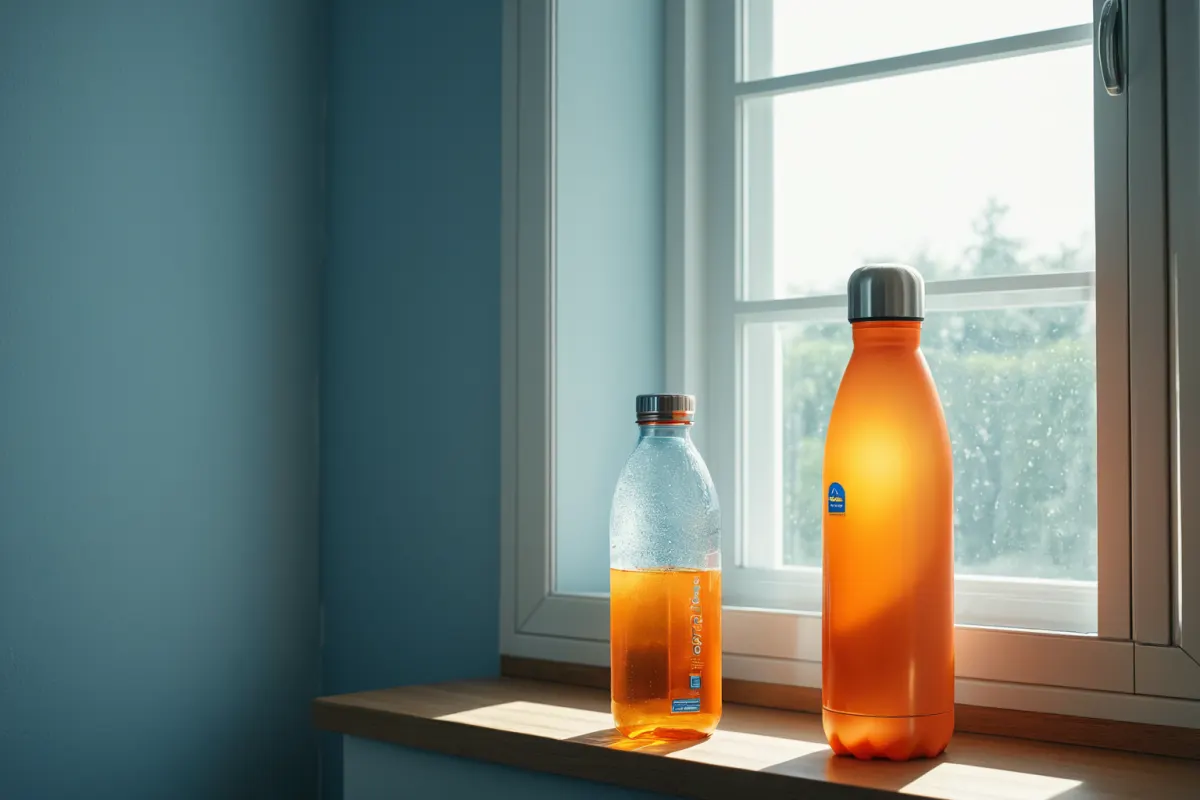
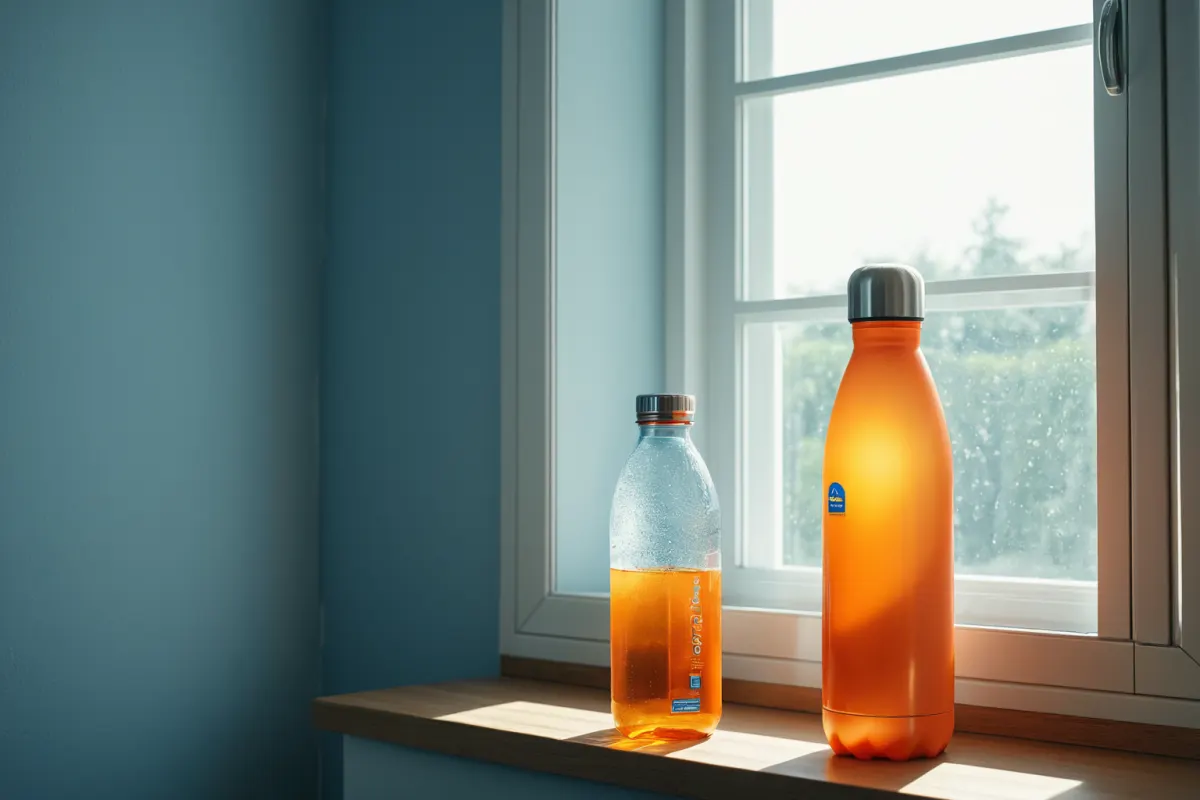
If a heatwave alert is issued for Daegu, the first step should be to lower indoor temperatures, drink plenty of water regularly, and avoid unnecessary outdoor activities. Especially on days when the perceived temperature rises quickly like in Daegu, proper air conditioning use and hydration methods are more important than you might think. The key is recognizing your body's signals before they become serious.
Essential Cooling Guidelines During Heatwave Alerts
When a heatwave alert is issued, maintaining consistent indoor temperature is more important than running the AC for extended periods. Typically, keeping indoor temperatures around 26-28°C and using fans or circulators to prevent cold air from concentrating in one area works well.
Setting the AC too low initially can make your body feel suddenly chilled, increasing fatigue. This is especially true for children, elderly individuals, and those with chronic health conditions who benefit more from gradually cooling environments rather than intense cooling.
For example, if you feel stuffy at 2 PM, try opening windows briefly to release hot air before closing curtains and turning on the AC. Following this sequence alone can significantly improve cooling efficiency.
You can find similar articles in one place.
View Related ArticlesHydration Strategies During Daegu Heatwave Alerts
During intense heat, it's important to drink water before you feel thirsty. Sipping small amounts every 10-20 minutes is less taxing on your body than drinking large quantities at once. Often, by the time you feel thirsty, your body has already lost significant moisture.
If plain water feels boring, consider slightly cool water or beverages containing electrolytes. However, avoid excessive consumption of sugary drinks as they can actually increase thirst.
For instance, carry a bottle of water when making short outdoor trips, and keep a glass of water on the table before meals. If you usually don't drink much water, setting phone reminders to hydrate regularly can be very practical.
Maintaining Healthy Indoor Humidity While Using AC
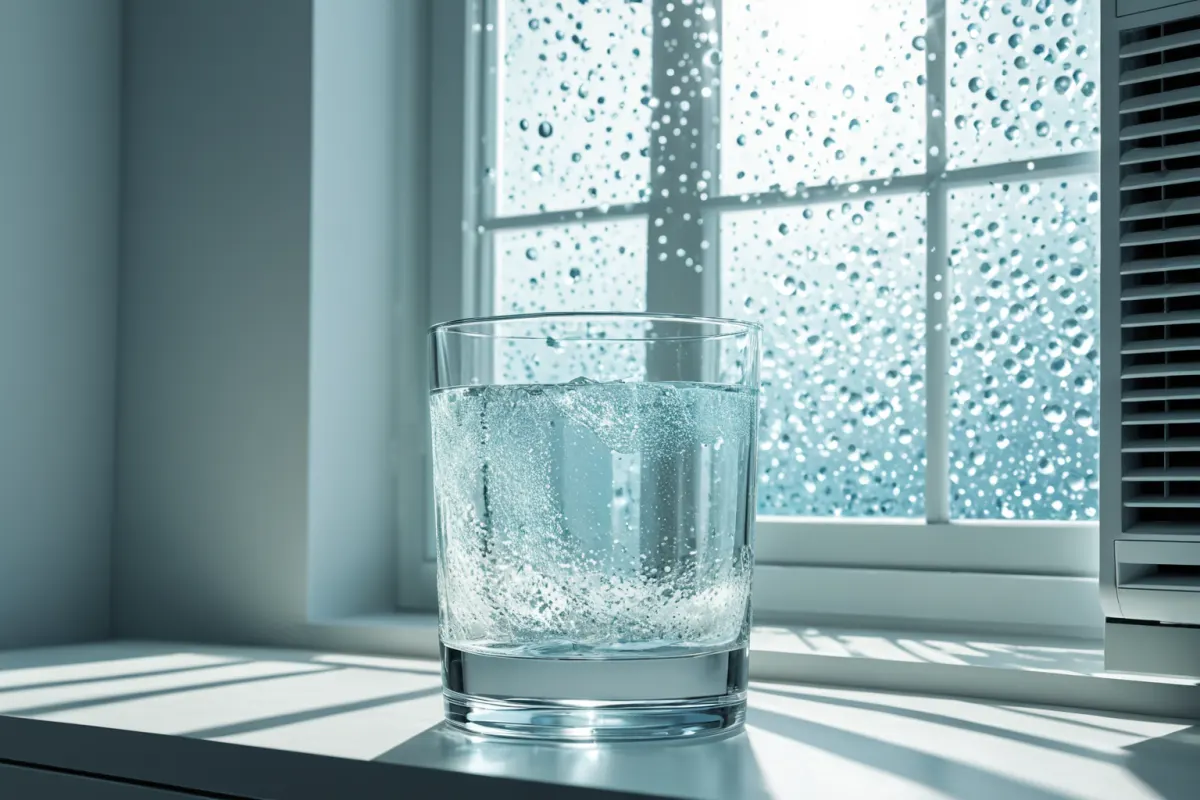
Prolonged AC use can make indoor air too dry. It's best not to lower humidity excessively and aim for a comfortable 40-60% range instead. Extremely dry air can cause sore throats and headaches.
If you have a humidifier, use it briefly as a supplement; if not, hanging damp towels around the room can help. However, avoid keeping windows closed all day—ventilate during cooler morning or evening hours to refresh indoor air.
Managing Body Temperature During Outdoor Movement
On days with a heatwave alert in Daegu, minimizing midday outdoor activities is best. If you must go out, choose shaded routes and wear hats or umbrellas to avoid direct sunlight. Light-colored clothing helps reflect heat and reduces perceived temperature.
If sweating heavily, taking breaks frequently is more important than relying on handkerchiefs or portable fans. Even briefly stepping into a shaded area or indoor space can help lower body temperature and prevent dizziness. Especially for long walks, schedule activities for early morning or after sunset when temperatures are cooler.
For example, even short trips like deliveries, grocery shopping, or dropping off children at school can become tiring if you're moving continuously without breaks. To avoid exhaustion, drink water before leaving and build in brief rest stops along your route.
Recognizing Symptoms of Heat Exhaustion
The most important warning during heatwaves isn't just sweating—it's heat exhaustion. Symptoms like headaches, dizziness, nausea, extreme fatigue, or muscle cramps indicate you should stop immediately rather than trying to endure the heat.
If these symptoms appear, move to a cool place, loosen clothing, and sip water slowly. If consciousness is impaired or vomiting worsens, don't wait—seek help immediately. Heatwaves aren't something you can 'tough out'.
For elderly family members, don't just take their word that they're fine; also watch for reduced speech or slower walking pace. Those vulnerable to heat often notice symptoms later than others.
Practical Daily Habits for Heatwave Preparedness
Simple habits like drinking a glass of water upon waking, carrying a water bottle before going out, and closing curtains indoors can make a significant difference. Rather than using AC at full blast, focus on cooling only occupied rooms to save energy and protect your health.
If you live with children, avoid making bedrooms too cold during nap times. For pet owners, placing multiple water bowls around the house helps keep pets hydrated. If living alone, prepare both plain water and simple electrolyte drinks instead of just filling the fridge with cold beverages.
After a brief rainy season ends, sudden heatwaves can catch your body off guard as it hasn't adapted to the temperature change yet. That's why during the first heatwave days, take more frequent breaks and reduce strenuous activities or long work sessions compared to normal.
FAQ
Q. Is it better to keep AC running continuously?
Maintaining a comfortable indoor temperature is key. However, avoid keeping temperatures too low for extended periods; instead, maintain an optimal temperature while using fans to circulate air.
Q. How often should I drink water?
It's better to sip small amounts regularly before feeling thirsty. After heavy sweating, consider replenishing both fluids and electrolytes through meals as well as water.
Q. What should I prepare if I must go out on a heatwave alert day?
Prepare water, hat, light clothing, and an umbrella in that order. Whenever possible, avoid the hottest times of day and plan short rest breaks during your journey for safety.
During days with strong heat like Daegu's heatwave alerts, it's crucial to manage both cooling and hydration together rather than treating them separately. Always double-check the latest heatwave forecasts and local temperature changes on a daily basis for the most accurate guidance.
Continue exploring similar topics.
View Category ArticlesFAQ
Is it better to keep AC running continuously?
Maintaining a comfortable indoor temperature is key. However, avoid keeping temperatures too low for extended periods; instead, maintain an optimal temperature while using fans to circulate air.
How often should I drink water?
It's better to sip small amounts regularly before feeling thirsty. After heavy sweating, consider replenishing both fluids and electrolytes through meals as well as water.
What should I prepare if I must go out on a heatwave alert day?
Prepare water, hat, light clothing, and an umbrella in that order. Whenever possible, avoid the hottest times of day and plan short rest breaks during your journey for safety.
Korean Source
This article is an English localization of a Korean-language report from BlogScore. Original: 대구 폭염경보에 대비해 냉방·수분 보충 방법은