
Daegu's 40°C Heatwave Alert: How to Stay Safe
Daegu's Extreme Heatwave Alert Situation
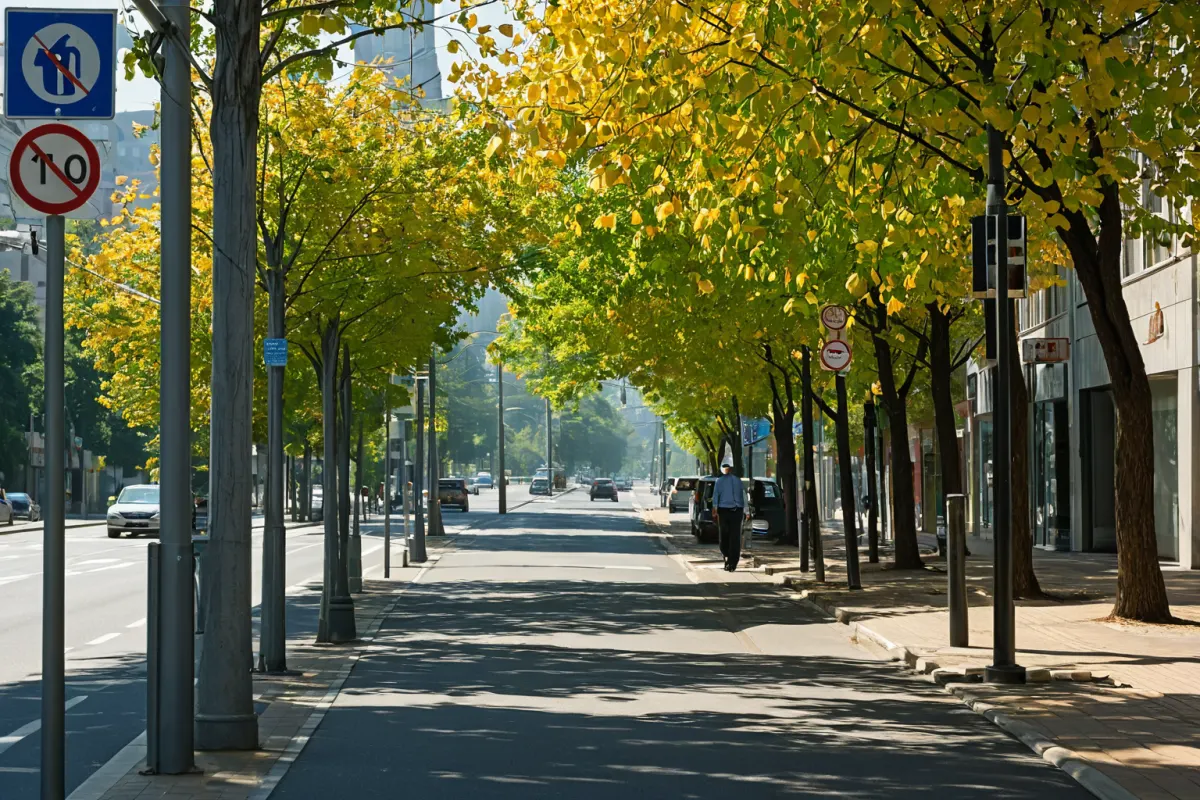
Daegu and Gyeongbuk regions are under a severe heat alert, with temperatures reaching 40.9°C. The perceived temperature has risen to 38.2°C, indicating extreme heat conditions persisting throughout the area. In Daegu, 45 cases of heat-related illnesses have been reported, but this is half of last year's number, showing effective management.
Heatwave Alert and Temperature Conditions
A severe heat alert was issued in Daegu on August 3, with the highest temperature recorded at 40.9°C. The Gyeongbuk region continues to experience temperatures above 40°C. While some areas like Yecheon and Gumi have seen slight decreases, many parts of Daegu and Gyeongbuk remain in extreme heat.
The perceived temperature has reached a high of 38.2°C, making health management urgent. Nationwide, 209 regions are under heatwave alerts, with Daegu and Gyeongbuk being particularly affected.
Heat-Related Illness Cases and Response Status
On July 28, 45 cases of heat-related illnesses were reported in Daegu, half the number from last year. Strategies to avoid the heat include using urban cooling centers and managing heat exposure in city areas.
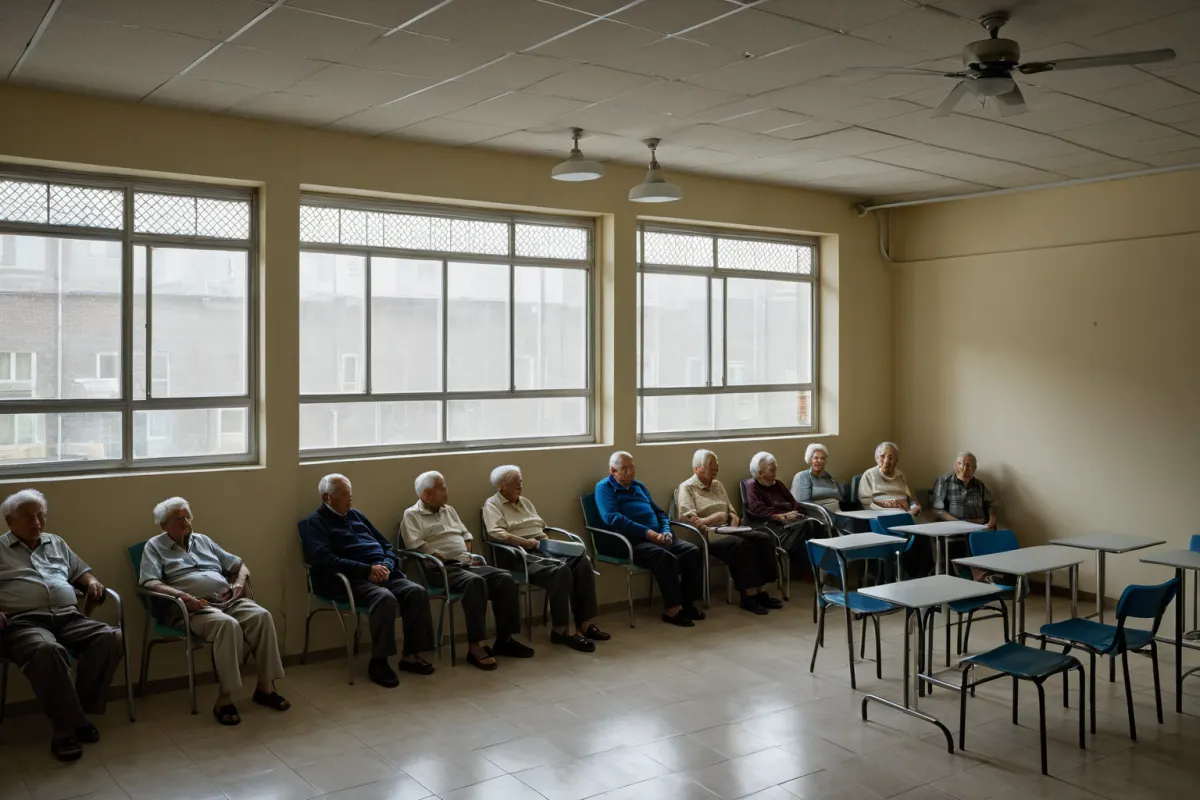
Mayor Choi Gyeong-ho has opened 27 senior welfare centers on Saturdays as part of efforts to respond to the heatwave. This decision was made on August 4, with ongoing inspections and implementation of heatwave measures.
Heatwave Response Strategies: Cooling Centers and Agricultural/Industrial Measures
Cooling centers are operating in Daegu, providing safe spaces during extreme heat. In agriculture, industry, and water supply sectors, emergency measures have been activated to minimize damage caused by the heatwave.
Preparations for the 2025 summer heatwave are also underway, with strategies for managing 'heatwave three essentials'—heatstroke, sleep disorders, and cooling sickness—being shared. These guidelines were recently reported and can help manage health during extreme heat.
The 'Heatwave Three Essentials' and Response Strategies
The 'heatwave three essentials' consist of heatstroke, sleep disorders, and cooling sickness. Guidelines for managing these conditions have been provided, emphasizing temperature control and adequate rest during heatwaves.
Effective ways to avoid heat in urban areas include staying indoors, using air conditioning appropriately, and regularly hydrating. Older adults and children are especially vulnerable to heatwaves, so utilizing cooling centers is recommended.
Rural Area Heatwave Response and Mortality Rates
Rural areas have shown higher mortality rates due to heatwaves, likely because of insufficient response measures. To address this, government and local authorities have activated emergency systems in agriculture, industry, and water supply sectors.
Cooling center operations are expanding in rural areas as part of efforts to reduce health impacts from extreme heat. Older adults and children remain particularly vulnerable, making these centers crucial for safety.
Additional Information on Heatwave Response
Temperatures exceeding 40°C in Daegu have surpassed historical records in some areas, causing significant impact across agriculture, industry, and water supply. The situation has escalated to an emergency level.
Cooling centers are already operational in Daegu and are planned for expansion. Guidelines for the 'heatwave three essentials' are being shared by government and local authorities to aid health management during heatwaves.
Preparations for the 2025 summer heatwave are also underway, with detailed strategies addressing heatstroke, sleep disorders, and cooling sickness. Compared to last year, these measures show a more systematic approach to heatwave response.
Key Information to Verify
The current heat situation in Daegu is confirmed by maximum temperatures of 40.9°C and perceived temperatures of 38.2°C. The number of heat-related illness cases stands at 45, half of last year's figure, indicating effective response measures.
Cooling center operations are expanding across regions, with 27 senior welfare centers open on Saturdays. These efforts contribute to reducing health impacts from the heatwave.
Frequently Asked Questions
What are ways to avoid heat in urban areas during a heat alert?
Stay indoors, use air conditioning appropriately, and hydrate regularly. Older adults and children should make use of cooling centers due to their higher vulnerability to heatwaves.
What is the 'heatwave three essentials'?
The 'heatwave three essentials' refer to heatstroke, sleep disorders, and cooling sickness. Managing these conditions involves temperature control and adequate rest during extreme heat.
How are rural areas responding to heatwaves?
Emergency measures have been activated in agriculture, industry, and water supply sectors. Cooling center operations are expanding, especially for vulnerable groups like older adults and children.
Frequently Asked Questions
The ongoing extreme heatwave in Daegu and Gyeongbuk regions continues to reach 40.9°C maximum temperatures and perceived temperatures of 38.2°C, requiring urgent health management. The number of heat-related illness cases has decreased to half last year's level, with cooling centers and senior welfare center openings contributing to an improved response strategy.
Preparations for the 2025 summer heatwave are also underway, with detailed strategies for managing 'heatwave three essentials'—heatstroke, sleep disorders, and cooling sickness. These measures represent a more systematic approach compared to last year's efforts, which will continue to be refined.
You can view similar articles in one place.
View Related ArticlesFAQ
What are ways to avoid heat in urban areas during a heat alert?
Stay indoors, use air conditioning appropriately, and hydrate regularly. Older adults and children should make use of cooling centers due to their higher vulnerability to heatwaves.
What is the 'heatwave three essentials'?
The 'heatwave three essentials' refer to heatstroke, sleep disorders, and cooling sickness. Managing these conditions involves temperature control and adequate rest during extreme heat.
How are rural areas responding to heatwaves?
Emergency measures have been activated in agriculture, industry, and water supply sectors. Cooling center operations are expanding, especially for vulnerable groups like older adults and children.
Korean Source
This article is an English localization of a Korean-language report from BlogScore. Original: 대구 40도 폭염 주의보 발령, 대처 방법은?