
Dae Dong's Q2 Sales Growth Secret: Strategy and Data Analysis
Dae Dong Records Highest-Q2 Sales on Record
Dae Dong reported its highest-ever quarterly sales for Q2 2026, with the first-half cumulative sales also reaching a historical high. This growth occurred despite global agricultural machinery market downturns, demonstrating the company's competitive strength.
After experiencing a 2.4% year-on-year decline in Q1 (sales of 377.7 billion won), Dae Dong reversed course through an AI-based business model transition and region-specific strategies, achieving growth in Q2. Notably, operating profit rose by 64.3% year-on-year to 41.2 billion won.
Dae Dong's Strategy for Growth Amid Global Market Downturn
Despite global agricultural machinery market challenges, Dae Dong achieved first-half sales of 844.8 billion won, driven by expanded mid-to-large-scale product portfolios and strong performance in North American and European markets.
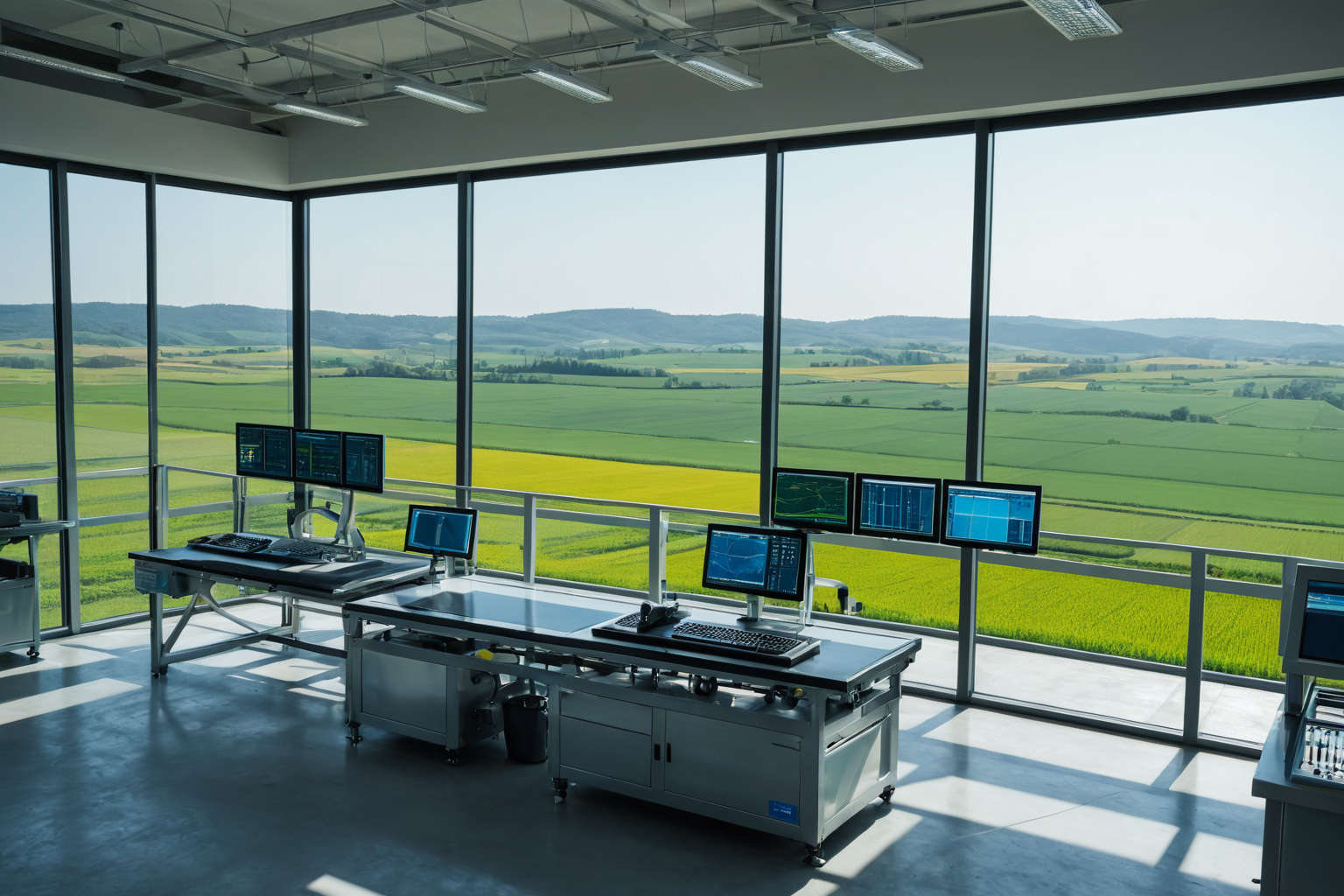
Notably, Dae Dong's 'Agricultural Physical AI' strategy—applying AI technology to agriculture through collaboration with the National Institute of Agricultural Science (NIAS)—has improved profitability and value creation. This initiative has successfully translated into real-world results on farms.
Dae Dong Logistics Center and North American Subsidiary Restructuring Fuel Growth
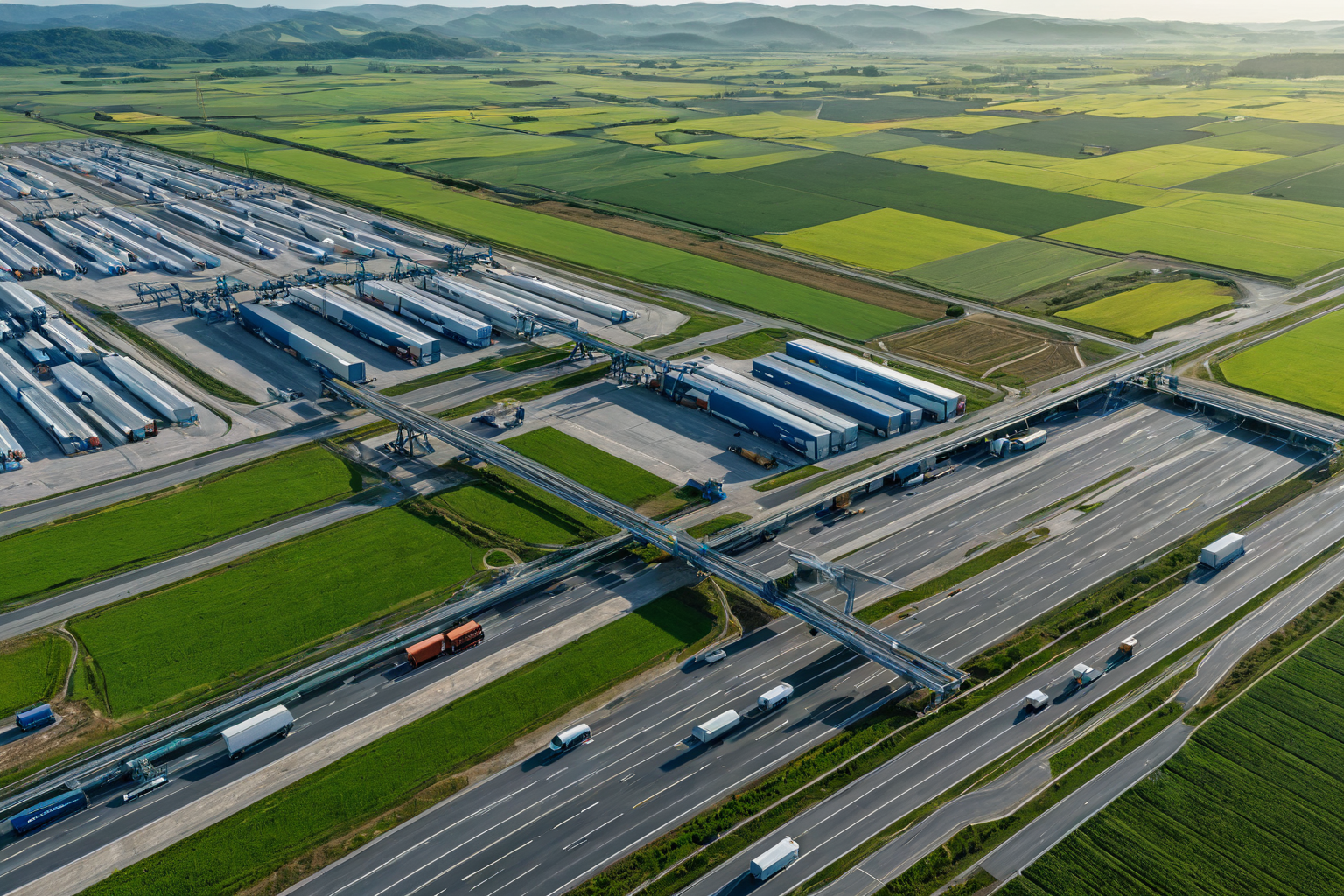
With Dae Dong's logistics center fully operational in Q2, the company expanded its logistics network in the Gyeongsang region. Additionally, after appointing Park Jun-sik as CEO of the North American subsidiary and Yoon Chi-hwan as Chief Operating Officer in August 2024, the company strengthened its North American market strategy. By overcoming U.S. tariff pressures, Dae Dong positioned Europe as its next cash cow, expanding its growth foundation.
In September 2025, Dae Dong officially announced a strategic focus on the European market following successful strategies to overcome U.S. tariff challenges, paving the way for concrete entry plans.
Refining Precision Casting and Targeting Order Goals
Dae Dong is focusing on improving its precision casting sector as part of broader business restructuring. This year's target order volume stands at 105 billion won, though specific strategies or results have not been detailed in the source material.
While efforts to improve precision casting are expected to contribute to diversifying Dae Dong's business structure, details and outcomes remain unconfirmed as of now.
Q1 Sales Decline and Operating Profit Fluctuations
Dae Dong reported Q1 sales of 377.7 billion won—a 2.4% decline from the previous year—with operating profit at 6 billion won. However, operating profit dropped by 72% year-on-year during Q1.
This decrease coincided with a challenging market environment and increased operational pressures. Dae Dong overcame these challenges through its AI-based business model transition, reversing the trend in Q2 to achieve improved operating profits.
Strategies for North American and European Market Expansion
Dae Dong's strong performance in North American and European markets contributed significantly to first-half sales growth. Europe has emerged as a new growth driver following successful strategies to overcome U.S. tariff pressures.
The restructuring of the North American subsidiary and the full operation of Dae Dong Logistics Center have strengthened competitiveness in North America, which is part of broader plans for European market entry.
Successes from AI-Based Business Model Transition
Dae Dong's adoption of an AI-based business model helped overcome Q1 challenges and drive growth starting in Q2. Through region-specific strategies and data analysis, the company adapted flexibly to market changes, leading to increased sales.
Specifically, the 'Agricultural Physical AI' strategy has shown practical benefits and improved profitability on farms, further strengthened through collaboration with NIAS (National Institute of Agricultural Science).
First-Half Achievements and Goal Progress
The first-half cumulative sales of 844.8 billion won marked a year-on-year increase, driven by expanded mid-to-large-scale product portfolios. This achievement reflects Dae Dong's ability to secure competitive advantages through new strategies during a global agricultural machinery market downturn.
Targeting an order volume of 105 billion won this year in the precision casting sector, Dae Dong is pursuing business restructuring improvements, which are seen as part of long-term growth planning.
Information to Verify
The specific strategies and outcomes for improving precision casting have not been detailed in the source material. Further verification may be needed through company reports or announcements for more details.
Additionally, further investigation into the specifics of Q1 operating profit decline is recommended, as this could provide important insights into Dae Dong's business strategy and future growth direction.
Frequently Asked Questions
Why did Dae Dong achieve record sales in Q2?
Dae Dong overcame a Q1 decline through an AI-based business model transition and region-specific strategies. Strong performance in North American and European markets, along with the 'Agricultural Physical AI' strategy, were key factors.
How is Dae Dong positioning Europe as its next cash cow?
By overcoming U.S. tariff pressures, Dae Dong has focused on Europe as a new growth driver. Restructuring of North American subsidiaries and the full operation of Dae Dong Logistics Center have strengthened strategies for European market entry.
What is Dae Dong's plan to improve precision casting?
Dae Dong is concentrating on improving its precision casting sector, with an annual target order volume of 105 billion won. However, specific strategies or results remain unconfirmed in the source material and require further verification.
What does Dae Dong's first-half sales of 844.8 billion won signify?
Dae Dong achieved record-high first-half sales despite global agricultural machinery market challenges. This growth resulted from expanded mid-to-large-scale product portfolios and strong performance in North American and European markets.
Why did Dae Dong's Q1 operating profit decline?
Q1 saw a 2.4% year-on-year sales drop, leading to a 72% decline in operating profit compared to the previous year. This was attributed to global market challenges and increased operational pressures, which were overcome through an AI-based business model transition, allowing growth to resume from Q2 onward.
Frequently Asked Questions
Dae Dong has achieved record sales for both Q2 2026 and first-half cumulative sales despite global agricultural machinery market challenges. This success stems from a combination of strategies including an AI-based business model transition, region-specific approaches, the full operation of Dae Dong Logistics Center, and North American subsidiary restructuring.
Notably, the 'Agricultural Physical AI' strategy has demonstrated practical benefits on farms with improved profitability, further supported by collaboration with NIAS (National Institute of Agricultural Science). Strong performance in North American and European markets also contributed to enhanced global competitiveness.
While improvements in precision casting remain unconfirmed with specific details, Dae Dong's focus on this sector—with a target order volume of 105 billion won—indicates its commitment to building long-term growth foundations. Further information may be available through company reports and announcements for more detailed insights.
You can view similar articles in one place.
View Related ArticlesFAQ
Why did Dae Dong achieve record sales in Q2?
Dae Dong overcame a Q1 decline through an AI-based business model transition and region-specific strategies. Strong performance in North American and European markets, along with the 'Agricultural Physical AI' strategy, were key factors.
How is Dae Dong positioning Europe as its next cash cow?
By overcoming U.S. tariff pressures, Dae Dong has focused on Europe as a new growth driver. Restructuring of North American subsidiaries and the full operation of Dae Dong Logistics Center have strengthened strategies for European market entry.
What is Dae Dong's plan to improve precision casting?
Dae Dong is concentrating on improving its precision casting sector, with an annual target order volume of 105 billion won. However, specific strategies or results remain unconfirmed in the source material and require further verification.
What does Dae Dong's first-half sales of 844.8 billion won signify?
Dae Dong achieved record-high first-half sales despite global agricultural machinery market challenges. This growth resulted from expanded mid-to-large-scale product portfolios and strong performance in North American and European markets.
Why did Dae Dong's Q1 operating profit decline?
Q1 saw a 2.4% year-on-year sales drop, leading to a 72% decline in operating profit compared to the previous year. This was attributed to global market challenges and increased operational pressures, which were overcome through an AI-based business model transition, allowing growth to resume from Q2 onward.
Korean Source
This article is an English localization of a Korean-language report from BlogScore. Original: 대동 2분기 매출 성장 비결: 전략과 데이터 분석