
Cyber University vs. Traditional Universities: Analyzing Teaching Methods

Key Differences in Cyber University Teaching Methods
Cyber universities, which have received three consecutive A ratings from the Ministry of Education, adopt a blended learning approach distinct from traditional universities. This system combines online theoretical courses with offline practical sessions, and even offers specialized departments like piano studies. In 2015, Cyber University established its piano department—the first in a cyber university—to introduce blended learning in music education, combining online theory with offline lessons.
Ministry of Education Accreditation and Standards
Seoul Cyber University has earned the highest A rating from the Ministry of Education in 2007, 2013, and 2020. This recognition underscores its high educational quality among cyber universities. By 2025, it aims to meet all accreditation standards across every category, having been selected twice for the Ministry's Remote University Educational Innovation Support Program to develop innovative teaching technologies and content. Cyber University also complies with the Ministry's 'Cyber University Academic Affairs Guidelines' and 'Remote Education Facility Standards,' ensuring its online learning system differs qualitatively from traditional universities' PowerPoint-based remote classes.
Program Offerings and Social Demand
Cyber University has launched new programs such as Companion Animal Industry, Sports Coaching, Applied Mathematics & Statistics to meet societal needs. By the second half of 2026, it plans to recruit new and transfer students across 11 colleges and 49 departments. These programs align with social trends, particularly growing demand in the companion animal industry and sports sectors. Additionally, Cyber University focuses on practical disciplines like Business Management, Trade Logistics, Real Estate, Social Welfare, and Child Studies—24 programs total.
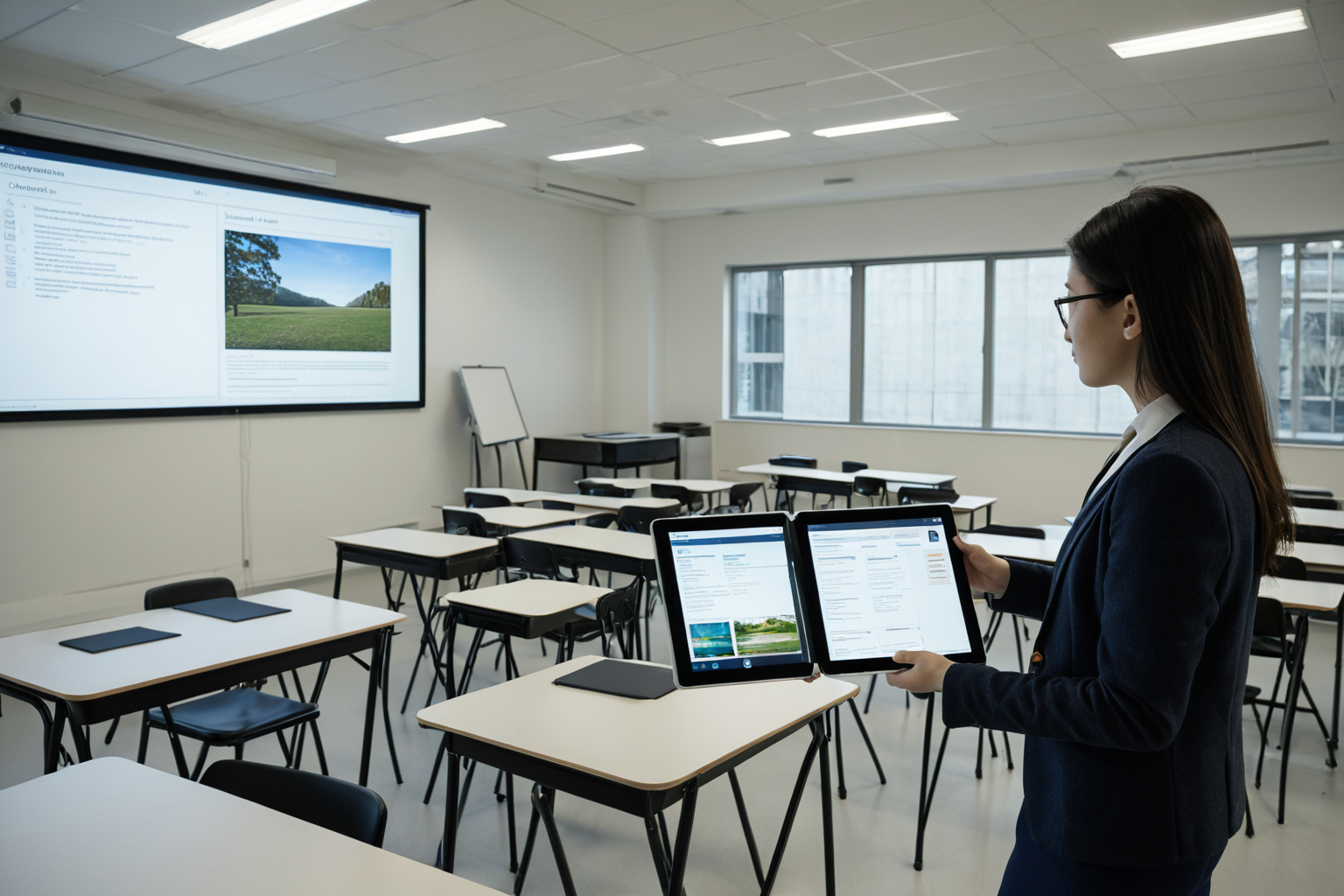
Distinguishing Features of Remote Learning Systems
Cyber University has developed a sophisticated online learning management system (LMS). Unlike traditional universities' PowerPoint-based remote classes, it offers content enhanced with subtitles, CGI, animations, AR, VR, and gamification—created through a five-step collaboration among subject experts, educational technologists, course designers, designers, and media specialists. The higher cost of building and maintaining this LMS reflects investment in world-class education environments.
Admission and Employment Rate Comparison
Cyber University does not require college entrance exam scores for admission, making it more accessible than traditional universities, which also boast higher employment rates. This is attributed to its practical teaching methods combined with personalized learning management. Similar to Seoul Digital University's 3,186 graduates in the second semester of 2017 who pursued graduate studies at domestic and international institutions, Cyber University demonstrates strong academic outcomes. Its focus on practical disciplines also contributes to higher employment rates compared to traditional universities.
Ministry Policy Changes and Cyber Universities
In July 2020, the Ministry of Education allowed full remote learning in regular universities, but cyber universities' input was not considered. As a result, cyber universities remain the sole institutions specializing in remote education. Cyber University also offers flexible digital learning environments for students to access lectures anytime, anywhere via internet and smartphones—enhancing accessibility for diverse student groups.
Frequently Asked Questions
How does Cyber University differ from traditional universities?
Cyber University combines online theory with offline practice through a blended learning approach and offers an advanced LMS system.
Is admission to Cyber University possible without college entrance exam scores?
Yes, Cyber University does not consider college entrance exam scores; submitting an application increases the likelihood of acceptance.
Why do Cyber Universities have higher employment rates than traditional universities?
This is due to its practical teaching methods and personalized learning management creating a favorable environment for job preparation.
You can view similar articles in one place.
View Related ArticlesFAQ
How does Cyber University differ from traditional universities?
Cyber University combines online theory with offline practice through a blended learning approach and offers an advanced LMS system.
Is admission to Cyber University possible without college entrance exam scores?
Yes, Cyber University does not consider college entrance exam scores; submitting an application increases the likelihood of acceptance.
Why do Cyber Universities have higher employment rates than traditional universities?
This is due to its practical teaching methods and personalized learning management creating a favorable environment for job preparation.
Korean Source
This article is an English localization of a Korean-language report from BlogScore. Original: 사이버대학교 vs 일반 대학교: 수업 방식 차이 분석