
5 Critical Pre-Installation Checks for YYS Sensors
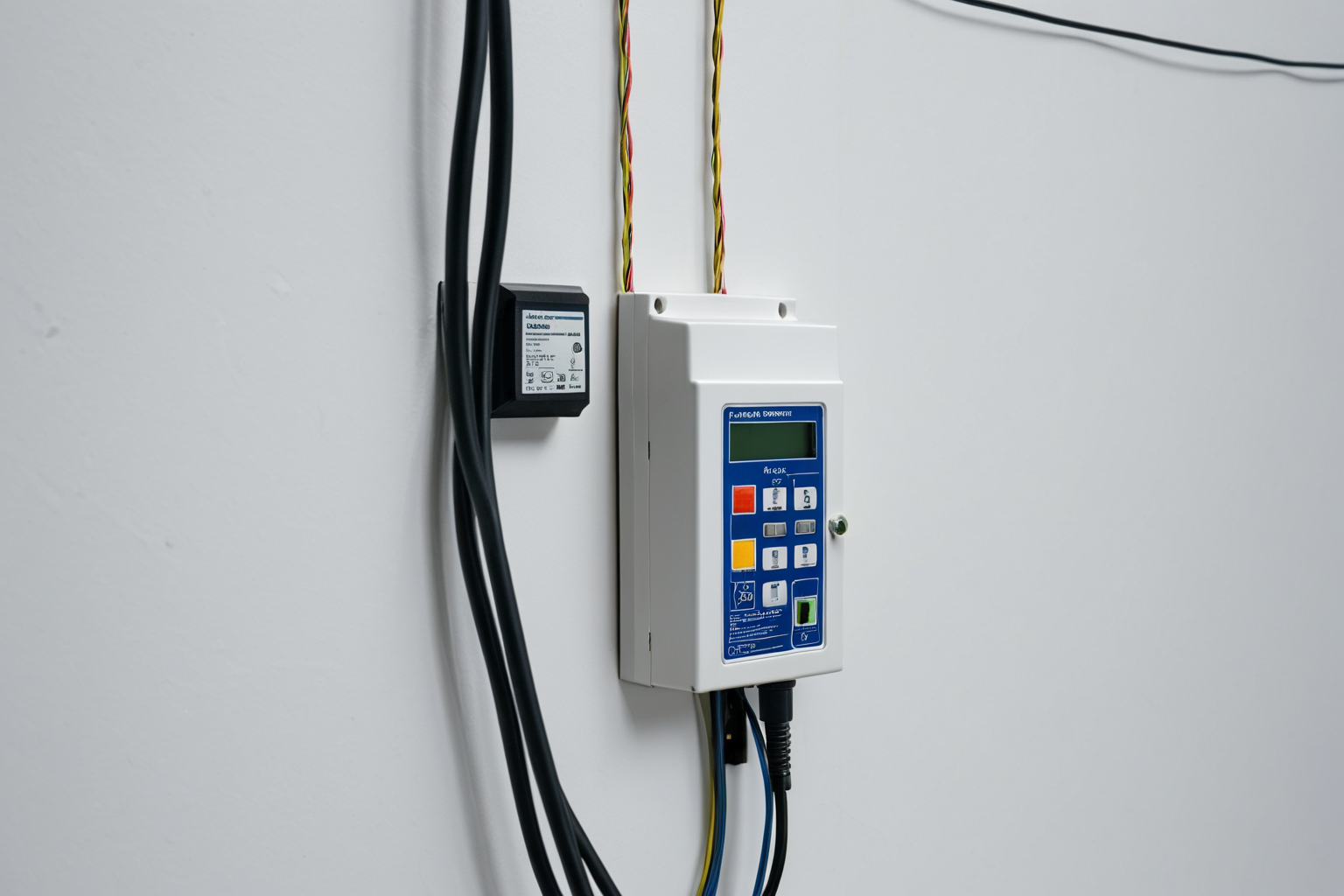
Essential Pre-Installation Checks for YYS Sensors
To install YYS sensors correctly, it is essential to verify electrical wiring, environmental conditions, and equipment compatibility. To prevent malfunctions or safety issues caused by incorrect installation, understanding these five key points is crucial. Recently, as smart systems become more widely adopted, YYS sensors have become indispensable in various industrial settings. Installation errors can lead to system downtime, directly affecting productivity and causing economic losses, making pre-installation checks increasingly important.
1. Check Electrical Wiring Condition
YYS sensors require precise power supply, so it is necessary to check the condition of existing wiring. To prevent overloads or short circuits, inspect the insulation status and connection method of the wiring. In older buildings, aging wiring can lead to poor contact or short circuit risks. In such cases, it is advisable to replace or reinforce the wiring with professional help. Additionally, consider using a separate circuit to avoid electrical interference between the sensor and other devices.
2. Analyze Installation Location Environment
Avoid installing sensors in areas with high vibration, heat, or humidity. Locations exposed to direct sunlight or accumulating dust should also be avoided. For example, vibrations during machine processes can reduce sensor accuracy, while high-temperature environments risk damaging internal components. In humid warehouses or indoor spaces, applying waterproof coatings or special cases can enhance durability. Choose a location designed to maximize the sensor's performance.
3. Verify Equipment Compatibility
YYS sensors are compatible with specific equipment models only. Before installation, confirm compatibility with your current devices. Refer to the manufacturer’s compatibility list or check their official website for the latest information. Incompatibility is a major cause of sensor malfunction, so accurately identifying model numbers and specifications is essential. When adding to an existing system, also verify software update requirements.
4. Prepare for Power Outages and Voltage Fluctuations
To prevent sensor damage during power outages, it is advisable to prepare a stable power supply unit. In areas with significant voltage fluctuations, consider using auxiliary batteries or inverters. Particularly in industrial settings where power outages can cause unexpected downtime, installing an uninterruptible power supply (UPS) is recommended for safety. In regions with high voltage variation, inverters can maintain consistent voltage and prevent sensor malfunctions.
5. Review the User Manual
Always refer to the manufacturer’s user manual. Installation procedures may vary by model, so reviewing official documentation is essential to obtain accurate information. For newer models, software updates or additional settings are often required, so following the manual’s instructions is necessary. The manual also includes post-installation checklists and error code interpretations, enabling quick responses when issues arise.

Main Causes of YYS Sensor Malfunctions
One often overlooked factor during installation is instability in the electrical environment. For instance, electromagnetic interference from other devices or inaccurate wiring connections can cause sensor malfunctions. Additionally, excessive vibration at the installation location or high humidity environments can reduce durability. These issues are not due to sensor defects but result from interactions with surrounding conditions.
Methods for Stabilizing Power Supply
To ensure sensors operate normally during power outages, installing dedicated auxiliary batteries or inverters is recommended. This is particularly useful in areas with significant voltage fluctuations. A UPS (Uninterruptible Power Supply) can provide continuous power for over 10 minutes during a blackout, allowing the sensor to operate without interruption. Additionally, using an inverter can smooth voltage variations and prevent signal errors in the sensor.
Resolving Compatibility Issues
If compatibility between YYS sensors and existing equipment is poor, contact the manufacturer or purchase additional parts for adjustment. Confirming the exact model number and finding support information on the official website is advisable. Compatibility issues can occur in both software and hardware, so applying the manufacturer’s latest patches or updates should also be considered. Setting up a test environment to identify potential problems beforehand is recommended.
Addressing Environmental Factors
In high-humidity areas, sensor durability may decrease, so it is important to strengthen environmental protection using waterproof treatments or appropriate cases. For example, in humid warehouses or near coastal areas, using a case with an IP65 rating or higher is recommended. In high-temperature environments, additional thermal management systems can stabilize internal sensor temperature. These measures help extend the sensor’s lifespan and ensure accurate measurements.
Summary of Key Points
The five essential points to verify when installing YYS sensors are electrical wiring, location environment, compatibility, power outage response, and user manuals. Missing any one of these can lead to malfunctions or safety issues, so thorough checks are necessary. Particularly, monitoring the sensor’s normal operation for the first 24 hours after installation is recommended to quickly identify and correct initial errors.
Frequently Asked Questions
What should I do if my YYS sensor does not operate normally after installation?
First, recheck the power supply status and wiring connections. If the issue persists, contact the manufacturer for further inspection.
Can I use YYS sensors with other brand equipment?
Using YYS sensors with other brands is not recommended due to compatibility issues. Always verify compatibility using the manufacturer’s provided list.
Do I need professional help when installing YYS sensors?
If complex wiring or integration with existing systems is required, it is safer and more efficient to seek professional assistance. For simple installations, following the user manual should suffice.
You can view similar articles in one place.
View Related ArticlesFAQ
What should I do if my YYS sensor does not operate normally after installation?
First, recheck the power supply status and wiring connections. If the issue persists, contact the manufacturer for further inspection.
Can I use YYS sensors with other brand equipment?
Using YYS sensors with other brands is not recommended due to compatibility issues. Always verify compatibility using the manufacturer's provided list.
Do I need professional help when installing YYS sensors?
If complex wiring or integration with existing systems is required, it is safer and more efficient to seek professional assistance. For simple installations, following the user manual should suffice.
Korean Source
This article is an English localization of a Korean-language report from BlogScore. Original: YYS 센서 설치 시 반드시 확인해야 할 5가지 주의 사항