
Creating the Ideal Turtle Habitat: Plant Placement and Temperature Control
Creating the Ideal Turtle Habitat: Plant Placement and Temperature Control
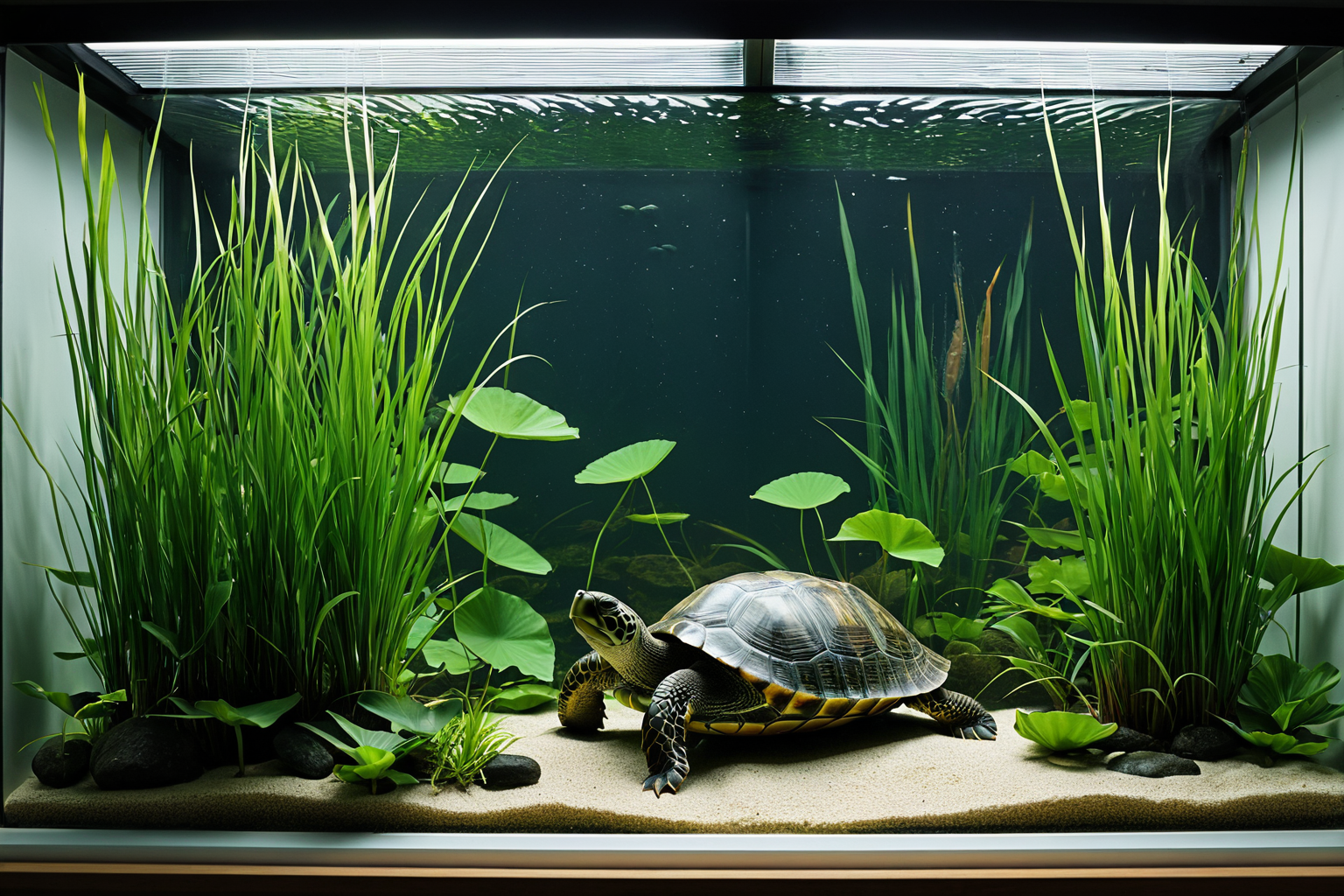
To keep turtles healthy, managing water quality and temperature control is essential. Proper plant placement can create a natural habitat while maintaining consistent water temperatures, which experts and zoos consider when creating optimal living environments.
For turtle care, water quality and temperature are the most important factors. Appropriate plant arrangement helps purify water, and water temperature directly affects turtles' activity levels and survival. Certain species like 'painted turtles' require particularly high water quality standards.
Plant Placement: Water Purification and Natural Habitat
Plants play a crucial role in turtle care. Aquatic plants absorb harmful chemicals to purify water while providing turtles with a natural habitat. Plants like lotus or aquarium-specific varieties are most suitable for turtle health.
When placing plants, be careful not to let turtles pull them out and eat them. For example, secure the root parts of lotus underwater so turtles can't easily reach them. Also maintain proper spacing between plants to allow turtles to move freely.
To maximize water purification effects, mixing different plant varieties is recommended. Combining 'lotus' with 'water reeds' complements each other's benefits for better water management.
Temperature Control: Direct Impact on Activity and Survival
Turtles are not warm-blooded animals, so they're sensitive to external temperature changes. For proper turtle care, maintain a consistent water temperature between 24-28°C (75-82°F). Temperatures outside this range can weaken turtles' immune systems or reduce activity levels.
To maintain stable temperatures, use temperature control devices like heaters. During winter months when low temperatures often cause turtles to become inactive, proper heating equipment is essential.
Accurate temperature monitoring is crucial. Check water temperature twice daily (morning and evening), and take immediate action if significant fluctuations occur. Below 24°C (75°F), turtle digestion can be negatively affected, requiring careful attention.
Painted Turtle Considerations: Water Quality Requirements
'Painted turtles' are good pets but require extremely careful water quality management. This species is prone to illness in low-oxygen or polluted environments.
When keeping painted turtles, maintain strict water quality control. Regularly change the water and use filtration systems to remove contaminants. Also keep pH levels between 6.5-7.5.
This species is particularly sensitive to food choices. Natural plants mixed with insects are better than commercial feed, which supports both water management and healthy growth.
Water Quality Management: Filtration Systems and Water Changes
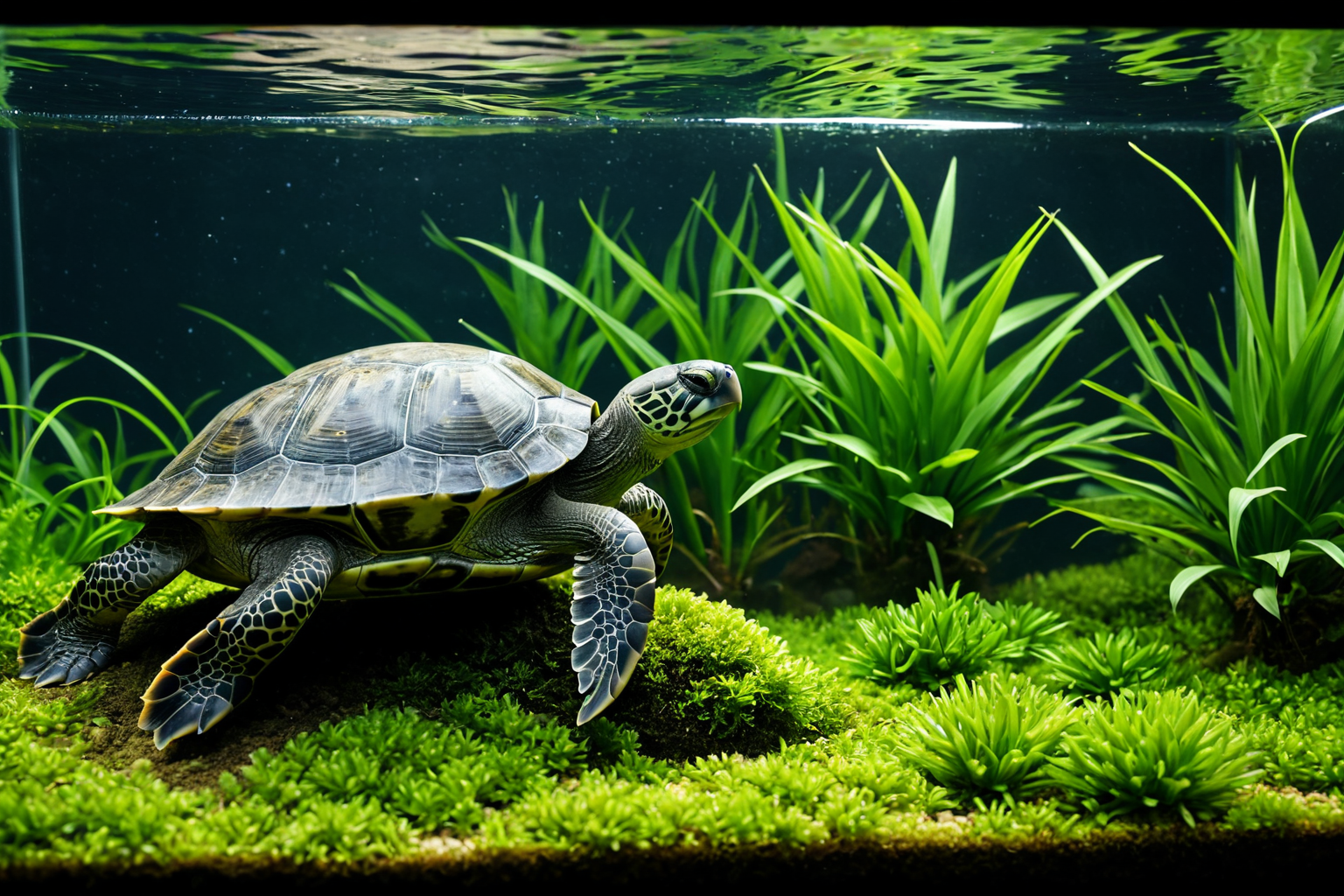
The core of turtle care is water quality management. Use filtration systems to remove debris and contaminants, and regularly replace the entire water supply.
Typically, change the water about once a week and clean filters monthly. However, frequency may vary based on turtle species and tank size, so adjust according to specific needs.
A key point during water management is avoiding over-cleaning, which can kill beneficial microorganisms. When cleaning filters, do it gently, and when changing water, leave some of the original water before adding new water.
Temperature Regulation: Devices and Measurement Methods
Water temperature directly affects turtles' physiological activity. Maintain a range of 24-28°C (75-82°F) for optimal turtle activity and feeding behavior.
When using heating devices, properly install heaters or tank heaters. Placing the heater at one end of the tank can help maintain even temperature distribution. Also, secure a thermometer inside the tank for real-time monitoring.
In winter, when low temperatures often significantly reduce turtle activity, prepare appropriate heating systems. In summer, prevent excessive temperature rises by using cooling devices alongside heaters if needed.
Plant Placement: Species and Position Selection
Plants in turtle habitats serve dual purposes: water purification and habitat provision. Suitable plant varieties include lotus, water reeds, and aquarium-specific plants.
When placing plants, avoid having turtles easily pull them out to eat. For example, secure lotus roots underwater so turtles can't reach them directly. Maintain appropriate spacing between plants for free turtle movement.
The choice of plant species and placement varies by turtle type. For instance, 'painted turtles' require higher oxygen levels in water compared to other species, which may be less sensitive.
Expert Advice: Water Quality and Temperature Management
Zoos and experts emphasize the importance of strict water quality and temperature management for turtle care. Painted turtles specifically require high water quality standards that demand special attention.
Water quality should be monitored daily, with filtration systems removing contaminants. Regularly change water and measure pH to maintain appropriate levels within the recommended range.
For temperature control, check water temperature twice daily (morning and evening), taking immediate action for significant fluctuations. Below 24°C (75°F), turtle digestion may be affected, requiring careful monitoring.
Frequently Asked Questions
Q: What plant types are best for placement?
A: Lotus, water reeds, and aquarium-specific plants are most suitable. These effectively purify water and grow to sizes turtles can easily consume.
Q: What devices should I use to maintain temperature?
A: Use heaters or tank heaters. Especially during winter when low temperatures reduce turtle activity, having proper heating equipment is important.
Q: What special care do painted turtles require?
A: They need strict water quality management with attention to oxygen levels and pH (6.5-7.5). Also be careful with food choices, mixing natural plants and insects rather than commercial feed.
Frequently Asked Questions
The optimal turtle environment is created through proper plant placement and temperature control. Water quality management and temperature regulation are key factors determining turtles' health and growth. Certain species like 'painted turtles' require particular attention due to their high water quality requirements.
By purifying water with plants and maintaining consistent temperatures, turtles can grow healthily. Refer to recommendations from zoos and experts to create the ideal habitat for your turtle.
You can view similar articles on this topic in one place.
View Related ArticlesFAQ
What plant types are best for placement?
Lotus, water reeds, and aquarium-specific plants are most suitable. These effectively purify water and grow to sizes turtles can easily consume.
What devices should I use to maintain temperature?
Use heaters or tank heaters. Especially during winter when low temperatures reduce turtle activity, having proper heating equipment is important.
What special care do painted turtles require?
They need strict water quality management with attention to oxygen levels and pH (6.5-7.5). Also be careful with food choices, mixing natural plants and insects rather than commercial feed.
Korean Source
This article is an English localization of a Korean-language report from BlogScore. Original: 거북이 키우기 최적 환경 구성: 식물 배치와 수온 유지 방법