
Covid-19 Response Levels: Understanding the 4-Step System and Measures
Criteria for the Four-Step Covid Response System
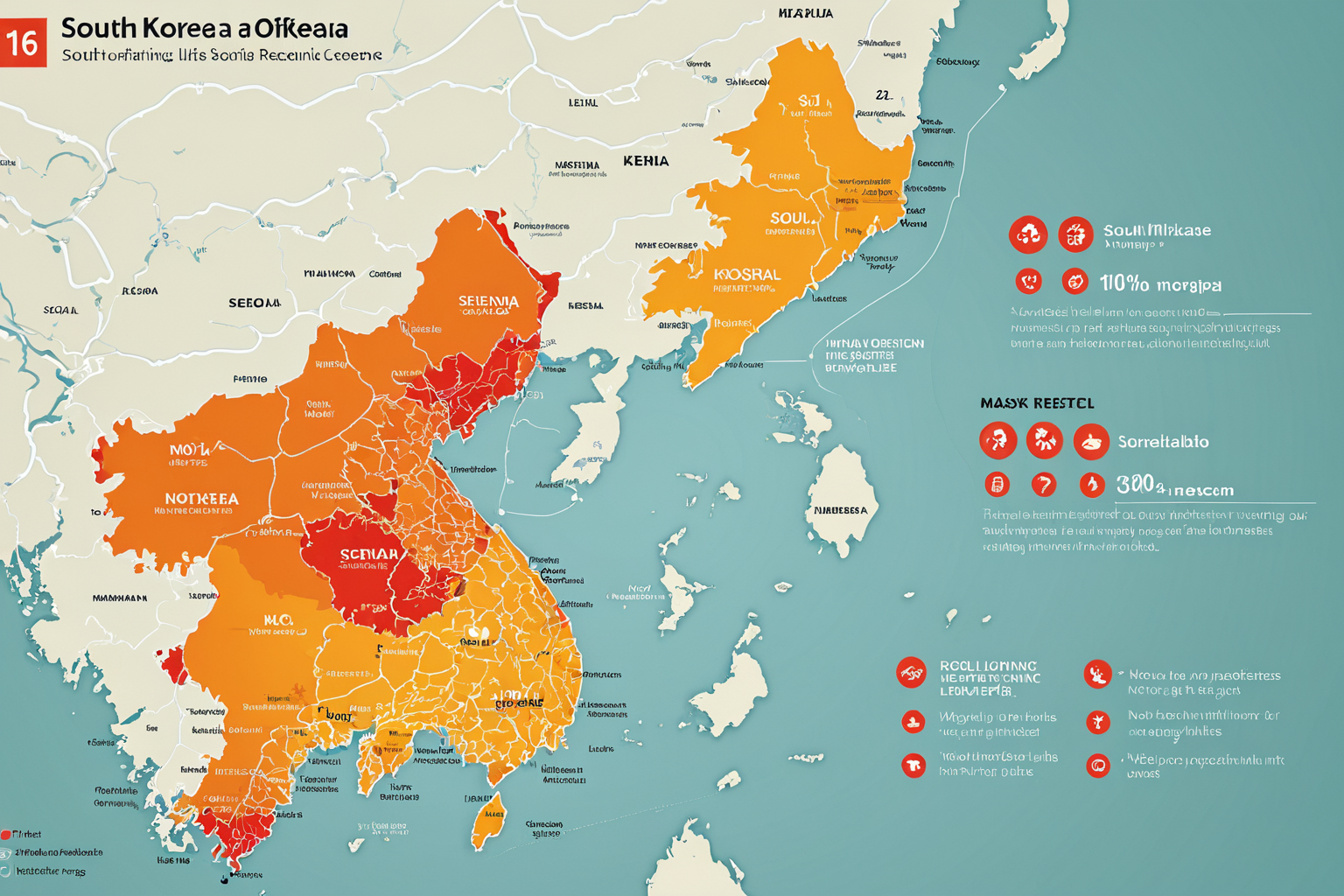
The four-step pandemic response system in South Korea differentiates between Seoul Capital Area (Seoul, Gyeonggi Province, Incheon) and non-Seoul regions. The Seoul Capital Area operates under Level 4 while non-Seoul areas follow Level 3, with enhanced social distancing measures in place.
As of September 3, 2021, the Seoul Capital Area has been operating at Level 4 while non-Seoul regions are at Level 3. Under this system, 'recommendation → prohibition' measures apply, resulting in stricter restrictions on private gatherings.
Exemptions for Private Gatherings and Health Pass Requirements
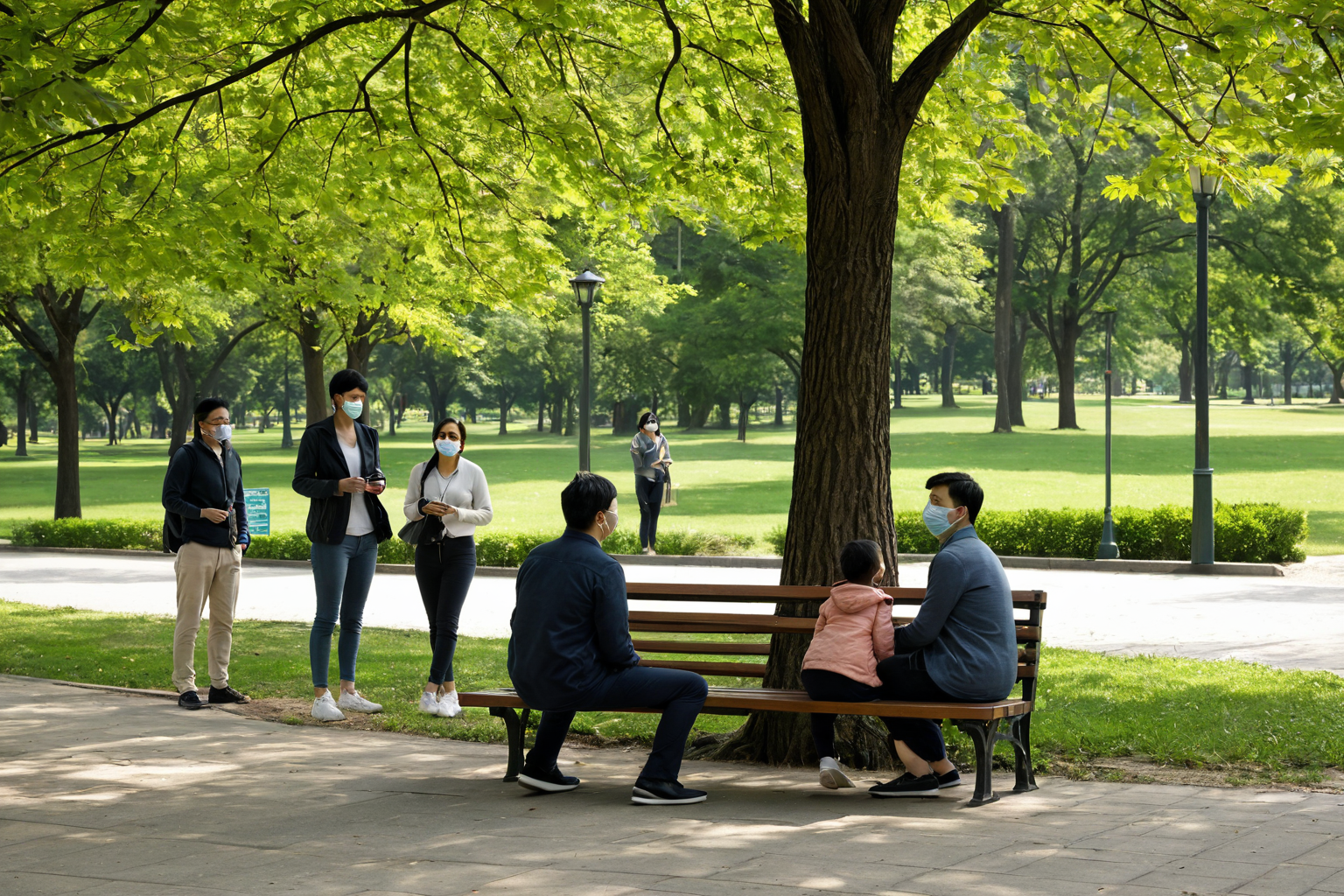
In Level 4 social distancing, exempted groups for private gatherings include cohabiting family members and relatives. These individuals are excluded from gathering restrictions regardless of who they meet with.
Health pass exemptions specifically apply to children under 11 years old. Children under 11 can access venues without presenting a health pass.
Vaccination Requirements and Gathering Restrictions
In the Seoul Capital Area, fully vaccinated individuals are subject to Level 4 measures with no exceptions. This differs from previous 'health pass' requirements where vaccination status had an impact on restrictions.
Immediate family gatherings can include up to five people, while gatherings including non-family members are limited to four people. This represents an improvement over previous social distancing measures.
Implementation of the Infectious Disease Crisis Social Response Manual
As of June 2023, South Korea's pandemic response level transitioned to 'Caution' stage. Consequently, the recommended isolation period for confirmed cases was set at five days.
The implementation of the Infectious Disease Crisis Social Response Manual aims to balance public health measures with daily life. The 'recommendation → prohibition' approach seeks to minimize disruption to daily activities while maintaining effective pandemic control.
Mandatory Mask-Wearing in Hospitals and Changes to Isolation Periods
As of May 2024, mandatory mask-wearing in hospitals has been lifted. Hospital visits now allow for optional mask usage.
Simultaneously, a proposal was announced to recommend only one day of isolation for confirmed cases. This represents a reduction from the previous five-day recommendation, signaling policy changes aimed at facilitating daily life recovery.
Timeline of Changes and Key Events
September 3, 2021: Seoul Capital Area extended to Level 4 while non-Seoul regions operated at Level 3.
May 2022: Treatment bed allocation criteria were gradually adjusted.
December 2022: Indoor mask-wearing requirements were planned for phased, conditional removal.
June 2023: Pandemic response level transitioned to 'Caution' stage with recommended five-day isolation period.
May 2024: Hospital mask mandate lifted and one-day isolation recommendation proposed.
Evolving Public Health Policy
The four-step pandemic response system initially began as blanket social distancing measures. Following the implementation of the Infectious Disease Crisis Social Response Manual, it has evolved into a more tailored approach to public health policy.
This transition introduced 'recommendation → prohibition' measures aimed at balancing public health and daily life. This represents the outcome of gradual changes that began in 2021.
Details on Exempt Groups and Gathering Restrictions
In Level 4 social distancing, cohabiting family members and relatives are explicitly exempt from gathering restrictions. They can participate in gatherings without additional measures.
Gatherings including non-immediate family members are limited to four people, while immediate family-only gatherings may include up to five people. This represents an improvement over previous policies.
Vaccination Requirements and Health Pass Exemptions
In the Seoul Capital Area, fully vaccinated individuals must follow Level 4 measures without exception. Unlike previous health pass requirements, vaccination status no longer affects restrictions in this region.
Health pass exemptions specifically apply to children under 11 years old. This clear age-based exemption makes it easy for users to understand.
Changes to Isolation Periods
As of June 2023, the recommended isolation period for confirmed cases was set at five days. By May 2024, this period was reduced to one day in a proposed policy change.
This evolution demonstrates increased flexibility in pandemic response policies and represents efforts to facilitate daily life recovery.
Changes in Pandemic Response Measures
Since September 2021, Level 4 social distancing has been applied in the Seoul Capital Area. Subsequent policy changes have strengthened measures under a 'recommendation → prohibition' framework as part of efforts to balance public health and daily life.
As of June 2023, the pandemic response level transitioned to 'Caution,' with a recommended five-day isolation period for confirmed cases. By May 2024, hospital mask mandates were lifted and the isolation period was reduced to one day in proposed policy changes.
Important Information to Verify
Specific measures under South Korea's four-step pandemic response system should be verified through official government announcements. Policies have evolved over time, so checking for the most recent information is essential.
The exempt groups for private gatherings and health pass exemptions are clearly defined as cohabiting family members/relatives and children under 11 years old, respectively. This clear definition makes it easy to understand for users.
Frequently Asked Questions
Q: Are vaccinated individuals exempt from Level 4 social distancing in the Seoul Capital Area?
A: No, fully vaccinated individuals are subject to Level 4 measures without exception in the Seoul Capital Area.
Q: Who is exempt from private gathering restrictions?
A: Cohabiting family members and relatives. These groups are excluded from gathering restrictions.
Q: How has the isolation period for confirmed cases changed?
A: As of June 2023, it was recommended at five days; by May 2024, this was reduced to one day.
Frequently Asked Questions
The four-step pandemic response system in South Korea differentiates between Seoul Capital Area (Level 4) and non-Seoul regions (Level 3), employing 'recommendation → prohibition' measures to balance public health with daily life. Exempt groups for private gatherings include cohabiting family members and relatives, while health pass exemptions apply to children under 11 years old.
Policy has become increasingly flexible over time, with May 2024 seeing the lifting of hospital mask mandates and a reduction in isolation periods. Checking official government announcements is crucial for staying updated on policy changes.
You can view more articles on similar topics at once.
View Related ArticlesFAQ
Are vaccinated individuals exempt from Level 4 social distancing in the Seoul Capital Area?
No, fully vaccinated individuals are subject to Level 4 measures without exception in the Seoul Capital Area.
Who is exempt from private gathering restrictions?
Cohabiting family members and relatives. These groups are excluded from gathering restrictions.
How has the isolation period for confirmed cases changed?
As of June 2023, it was recommended at five days; by May 2024, this was reduced to one day.
Korean Source
This article is an English localization of a Korean-language report from BlogScore. Original: 코로나 감염병 대응 4단계의 기준과 조치 사항 정리