
How to Get Compensation as a Coupang Seller After a Fire
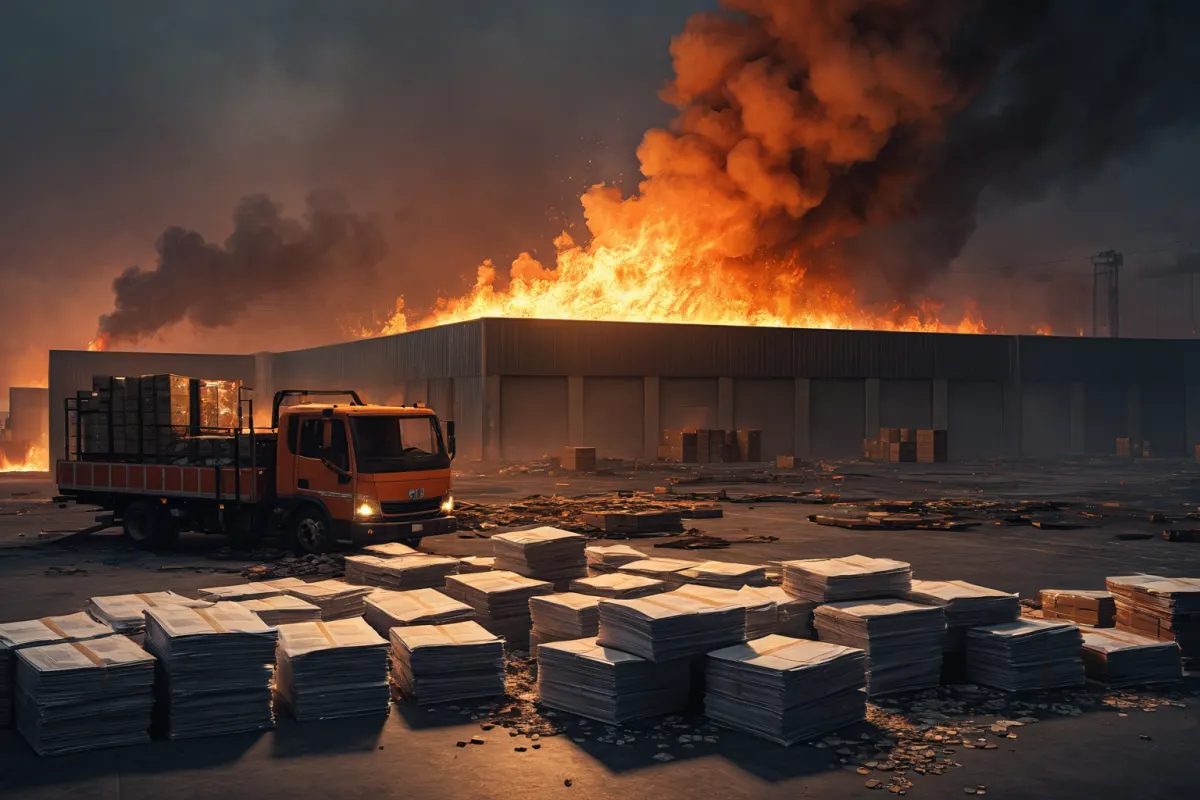
If you're a seller who suffered losses due to a Coupang fire, compensation isn't guaranteed—it depends on clearly proving the extent of your loss, ownership of the damaged inventory, and your contract structure. The key is to document exactly how much damage occurred using paperwork, and quickly organize your inbound, storage, and settlement records.
Especially for sellers who have joined Coupang's platform, the response varies depending on where your products were stored, whether they were consigned, or if they were in stock before shipment. Instead of making emotional complaints, it's more effective to gather details about product location, quantity, price per item, expected selling price, and condition.
Eligibility Conditions for Coupang Fire Seller Compensation
The first thing to verify is the connection between the fire location and your actual inventory damage. Was your merchandise damaged by heat, smoke, or firefighting water while stored at a warehouse? Did it suffer total destruction or partial damage?
Next, you'll need evidence proving ownership of the affected inventory. Documents like inbound confirmation sheets, screenshots of inventory management systems, settlement statements, tax invoices, purchase orders, and transaction records help support your claim. For example, instead of saying "I sent 100 units," provide specifics: "100 units received on [date], at ₩12,000 per unit, with 67 units still unsold." Numbers matter.
Another important factor is your agreement and contract structure. Whether you're a consignment seller, using fulfillment services, or selling directly to consumers before inventory was transferred affects liability. The same fire might lead to different compensation calculations depending on your settlement stage, so first confirm what type of contract you have.
You can find similar articles in one place.
View Related ArticlesHow Damage Scope Affects Compensation Decisions
Not all fire-related losses are compensated at the same rate. Some cases only cover original inventory cost, while others involve disputes over disposal costs, additional logistics fees, or lost sales opportunities.
However, objectively verifiable damage items typically form the core of your claim. Basic required documents include product cost, inbound quantity, remaining stock at time of incident, proof of disposal, and return records. Vague estimates like expected revenue won't be accepted.
For example, if 200 units of a product costing ₩8,000 each were destroyed in the fire, you'd need to show "200 units received, 200 units unsold as of [date], at ₩8,000 per unit" before any calculation can begin. Additional checks apply depending on whether items were in transit or already sold.

Essential Documentation Sellers Should Prepare Immediately
The sooner you gather your documents after learning of the fire, the better. Over time, inventory records become less clear and verifying transactions with partners becomes harder. So, immediately organize your evidence.
Key items include:
- Inbound and inventory records
- Photos or videos of damaged products
- Settlement statements and sales history
For example, a small clothing seller who keeps detailed SKU-specific inventory records with separate receipts for each color and size will find it easier to organize than someone who only tracked quantities in spreadsheets. In the latter case, matching actual stock levels with dates takes longer.
Step-by-Step Compensation Claim Process
The process may seem complex but follows a simple sequence: report the incident, compile your loss details, and then negotiate compensation. The key is to submit a well-organized package without missing items, not just send documents randomly.
Typically, the steps are: 1) Report the damage, 2) Submit inventory and loss documentation, 3) Confirm compensation criteria, 4) Respond to any additional requests for explanation, and 5) Receive final decision or negotiation outcome. A table-based summary works better than emotional complaints.
For example, a clear summary might look like this:
- Product Name: Product A
- Inbound Quantity: 300 units
- Unit Price: ₩5,500
- Damaged Quantity: 180 units
- Evidence Provided: Inbound receipt, settlement statement, photos
This format makes it easier for the handler to verify and helps you spot missing items.
Common Points of Disagreement
The most frequent issues involve differences in inventory counts and accepted scope of damage. Sellers often assume all stored items were damaged, but records might show some were already shipped or returned.
Additionally, if insurance or internal compensation policies apply, they may only cover product cost while excluding additional fees. In such cases, always ask why certain items were excluded and save the justification for future reference—it becomes a key point in any follow-up discussion.
Avoid arbitrarily inflating replacement costs above your actual purchase price. Claiming based solely on selling price (not original cost) can damage credibility. Always distinguish between cost and sale price when documenting.
Best Practices for Sellers
The simplest method is to organize all affected items in a single Excel sheet. List each product with name, SKU, inbound date, quantity, unit price, damaged quantity, and whether evidence exists. This format works best even though it may seem simple at first glance.
Also, don't delete messages or emails from Coupang—save them for later reference. Keeping a record of all communications helps prove what was submitted when, which can significantly speed up the compensation process.
The goal isn't to create perfect documents but to make sure they're clear and understandable. When damage quantity and cost are clearly stated, negotiations become much smoother.
Frequently Asked Questions About Coupang Fire Seller Compensation
Q1. Is compensation impossible without photos of the damaged inventory?
You can still prove your case using inbound documents, settlement history, tax invoices, etc., though photos or videos make verification easier.
Q2. Does compensation only cover original cost and not selling price?
This depends on your specific situation and contract terms. Generally, objective evidence of original cost and damage is key—selling price alone isn't automatically accepted.
Q3. Can I delay reporting the incident?
It's best to report as soon as possible. Delaying makes it harder to verify inventory and increases risk of missing documents.
The success of your compensation claim hinges on how accurately you document your inventory. Start gathering inbound records, settlement statements, and photos today for smoother future steps. Keep in mind that official guidelines or individual compensation criteria may change over time, so review the latest information before submitting your claim.
Continue exploring similar topics.
View Category ArticlesFAQ
Is compensation impossible without photos of the damaged inventory?
You can still prove your case using inbound documents, settlement history, tax invoices, etc., though photos or videos make verification easier.
Does compensation only cover original cost and not selling price?
This depends on your specific situation and contract terms. Generally, objective evidence of original cost and damage is key—selling price alone isn't automatically accepted.
Can I delay reporting the incident?
It's best to report as soon as possible. Delaying makes it harder to verify inventory and increases risk of missing documents.
Korean Source
This article is an English localization of a Korean-language report from BlogScore. Original: 쿠팡 화재 판매자 보상 가능 조건과 절차