
CoreMed vs. Mindray Ultrasound Machines: Key Differences Compared
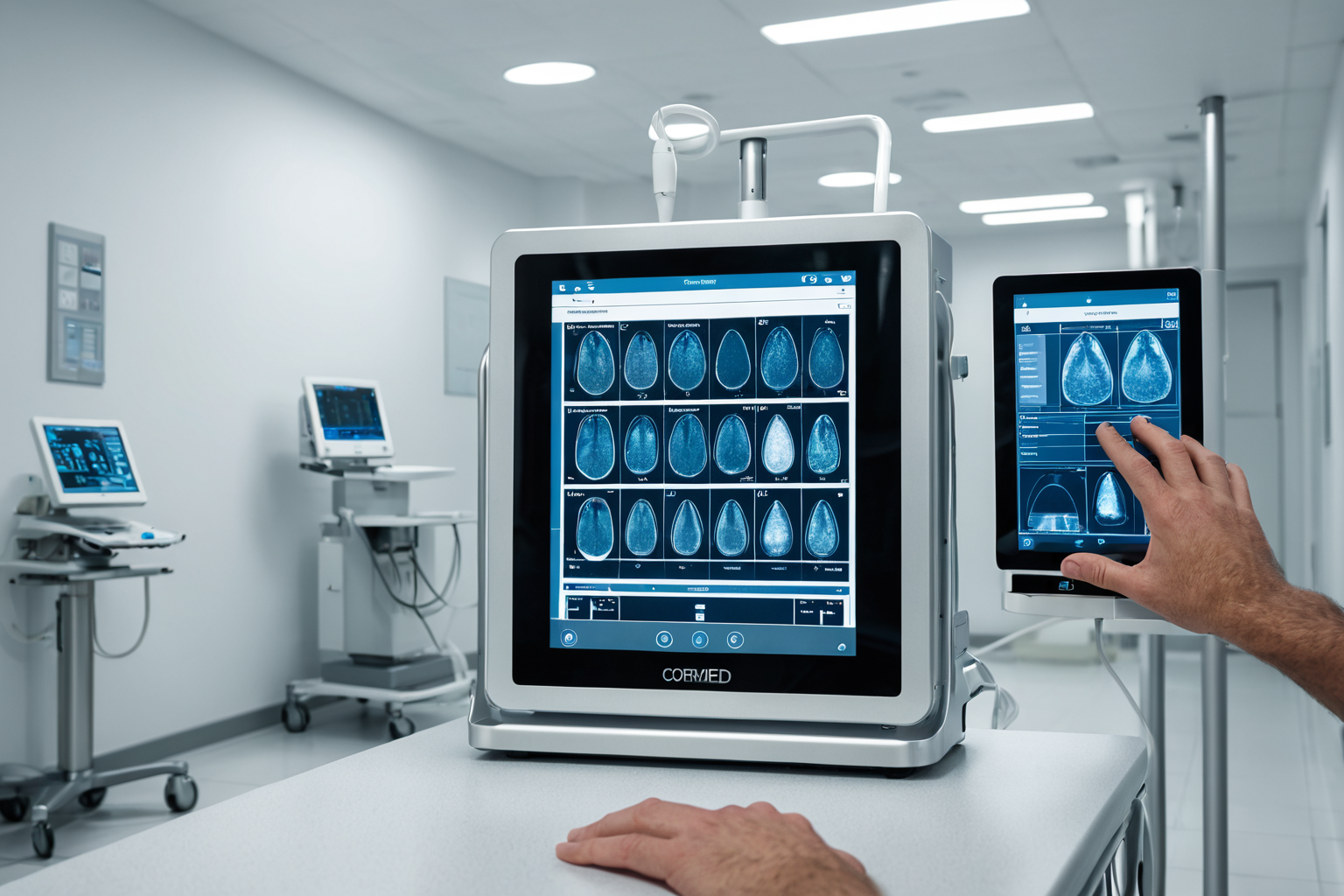
CoreMed vs. Mindray Ultrasound Machines: Key Differences
The two brands' ultrasound machines differ in functionality, price, and user interface. CoreMed offers budget-friendly models suitable for small hospitals and clinics, while Mindray (MINDRAY) is known for advanced diagnostic performance and a wide range of models used primarily by large hospitals.
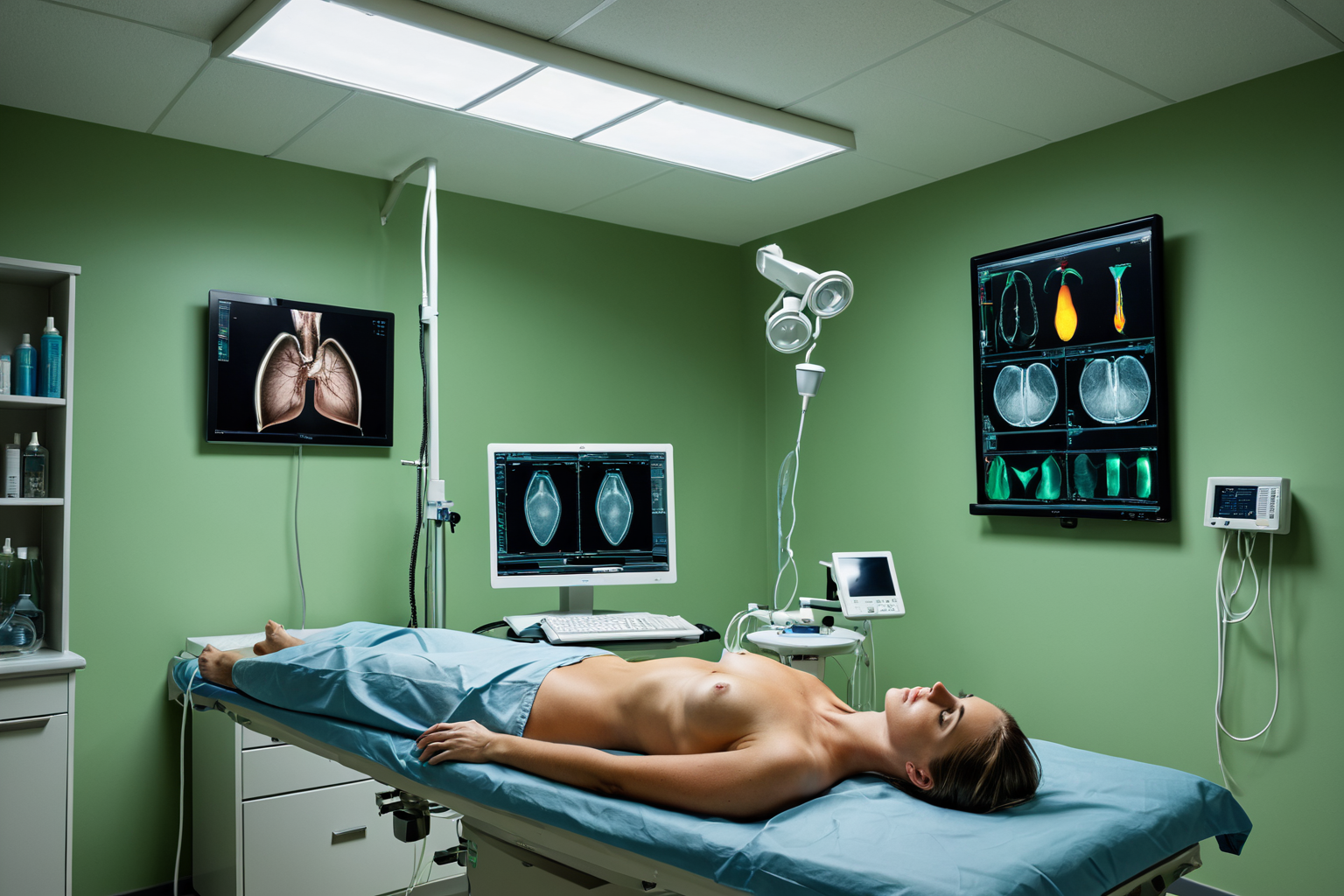
CoreMed Ultrasound Machine Features
CoreMed provides cost-effective ultrasound diagnostic devices ideal for medium-sized medical facilities. It features an intuitive interface and easy maintenance, commonly used for basic diagnostic tasks within hospitals. Recently, it has integrated AI-based image enhancement technology to improve the accuracy of ultrasound interpretations, particularly supporting healthcare professionals in small clinics to derive diagnoses more quickly.
Mindray Ultrasound Machine Features
Mindray is a brand renowned for high-resolution imaging and accurate diagnostic performance, primarily used by large hospitals and specialized medical institutions. It offers various models, especially highly rated in cardiac ultrasound and obstetrics. Recently, it has advanced 3D/4D imaging technology to provide more precise analysis of tissue structures. Additionally, Mindray's ultrasound machines can integrate with remote healthcare systems, allowing specialists to monitor situations in real-time and offer guidance.
Feature Comparison
CoreMed focuses on basic ultrasound functions, emphasizing real-time image processing speed and user convenience. In contrast, Mindray supports advanced features such as tissue analysis, 3D/4D imaging, and precise measurement tools. For example, Mindray's high-resolution models can meticulously track heart rhythm cycles and blood flow patterns, excelling in cardiovascular disease diagnosis. While CoreMed includes basic real-time patient monitoring functionality, Mindray requires additional software packages for more complex analyses.
Price & Maintenance
CoreMed products have lower initial purchase costs, making them suitable for small hospitals and clinics with reduced financial burden. Typically, CoreMed's budget models are priced under 50 million won, with relatively low maintenance costs. Conversely, Mindray products are more expensive but offer a higher return on investment in terms of accuracy and reliability over the long term. Mid-range Mindray models often exceed 100 million won, while high-end models surpass 200 million won. Additionally, Mindray provides regular software updates and professional technical support services to maintain optimal performance during long-term use.
User Interface
CoreMed's interface is designed to be intuitive and user-friendly, featuring a touch-screen menu structure that allows healthcare professionals to quickly learn and utilize. In contrast, Mindray may have more complex menus to support advanced features, though it remains useful for specialized medical staff. Recently, Mindray has also been improving its user interface to make it easier for beginners to access.
Application by Medical Field
CoreMed is mainly used for general diagnostics in small clinics, particularly showing high utilization in orthopedics and dermatology. Mindray is more commonly applied in specialized fields such as cardiac ultrasound and obstetric examinations. For instance, in obstetrics, it visualizes fetal development through 3D/4D imaging to support accurate diagnosis; in cardiac ultrasound, it analyzes blood flow dynamics in real-time to detect complex cardiovascular diseases early. Additionally, Mindray integrates with mobile apps, allowing healthcare professionals to check and share data immediately on-site.
Considerations for Selection
When choosing, medical institutions should comprehensively consider budget, diagnostic requirements, and user convenience. CoreMed is suitable as a cost-effective option, while Mindray is chosen when prioritizing accuracy and advanced features. The scale of the medical facility and its range of diagnostics are also important factors in determining whether to expand product lines. For example, a small hospital requiring high-end examinations similar to those in large hospitals might find selecting a mid-range Mindray model more efficient long-term.
Long-Term Perspective
As medical technology advances, both brands continue to maintain competitiveness by introducing new features and performance improvements. CoreMed is further developing AI-based image processing technology to enhance accuracy, while Mindray is integrating with 5G to improve usability in remote healthcare settings. Both brands are also focusing on sustainable product development through the use of eco-friendly materials and improved energy efficiency.
Information to Verify Before Purchase
Before purchasing, it's recommended to review actual user reviews and detailed explanations from local dealers. Directly comparing accuracy, convenience, and maintenance costs is advised. Additionally, if a medical facility specializes in specific diagnostic fields, prioritizing performance evaluations in those areas is beneficial. For example, hospitals focused on obstetric examinations should consider Mindray's 3D/4D imaging capabilities, while clinics emphasizing general diagnostics may prioritize CoreMed's user-friendliness and low cost.
Frequently Asked Questions
What are the main differences between CoreMed and Mindray ultrasound machines?
CoreMed offers budget-friendly models suitable for small hospitals and clinics, while Mindray provides advanced diagnostic performance with a wide range of models primarily used by large hospitals.
How significant is the price difference between the two brands?
CoreMed products have lower initial purchase costs, making them ideal for small hospitals and clinics. Mindray products are more expensive but offer higher long-term value in terms of accuracy and reliability.
What factors should medical institutions consider when selecting a machine?
Institutions should comprehensively evaluate budget, diagnostic needs, and user convenience. CoreMed is suitable as a cost-effective option, while Mindray is preferred when prioritizing accuracy and advanced features.
You can view similar articles in one place.
View Related ArticlesFAQ
What are the main differences between CoreMed and Mindray ultrasound machines?
CoreMed offers budget-friendly models suitable for small hospitals and clinics, while Mindray provides advanced diagnostic performance with a wide range of models primarily used by large hospitals.
How significant is the price difference between the two brands?
CoreMed products have lower initial purchase costs, making them ideal for small hospitals and clinics. Mindray products are more expensive but offer higher long-term value in terms of accuracy and reliability.
What factors should medical institutions consider when selecting a machine?
Institutions should comprehensively evaluate budget, diagnostic needs, and user convenience. CoreMed is suitable as a cost-effective option, while Mindray is preferred when prioritizing accuracy and advanced features.
Korean Source
This article is an English localization of a Korean-language report from BlogScore. Original: 코어메드 마인드레이 초음파진단기 차이점 정리