
Coping with Drought-Induced Water Quality Deterioration in South Korea's Gyeongsang Province
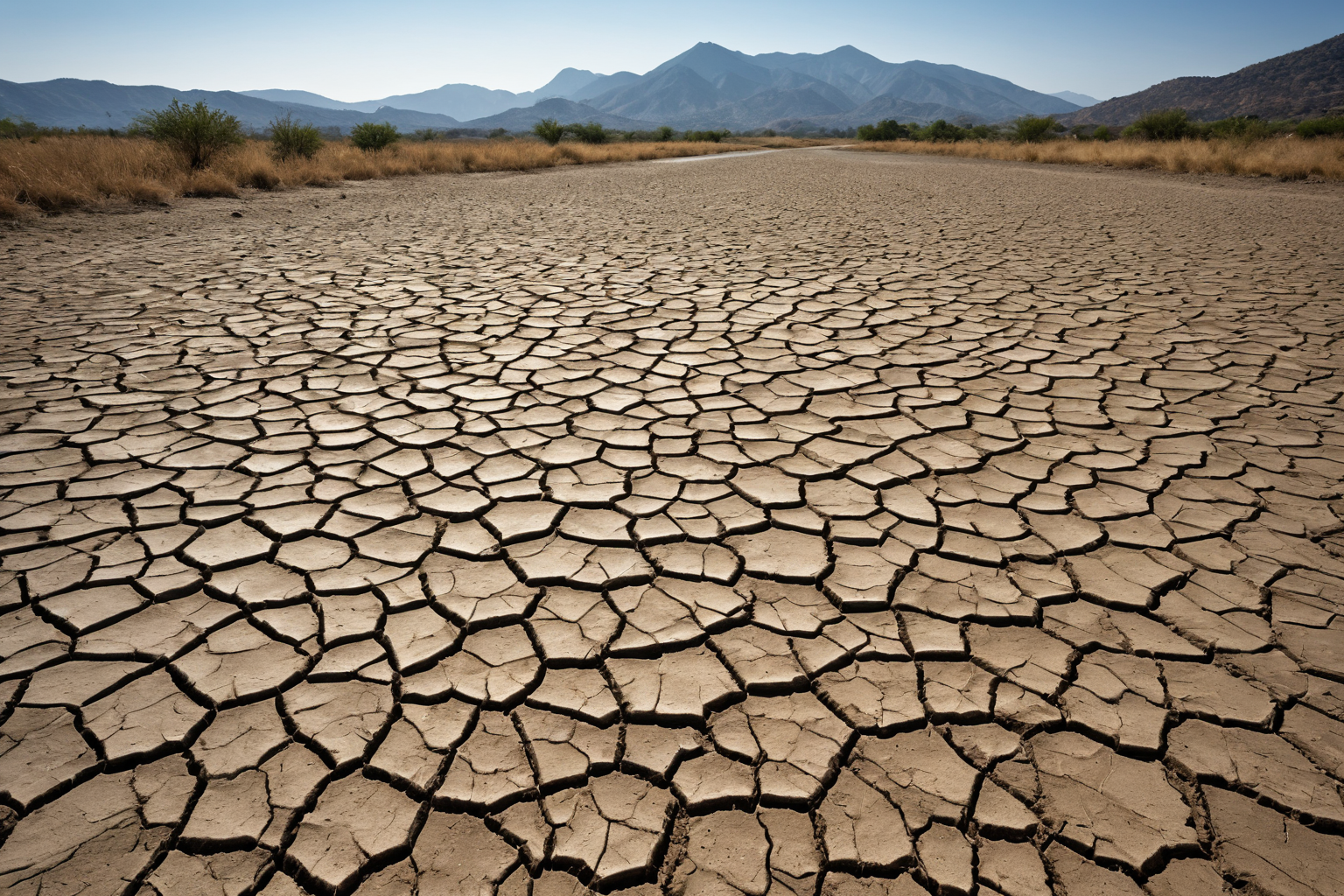
Government Response to Gyeongsang's Extreme Drought
Amid worsening water quality due to extreme drought in Gyeongsang Province, the government is implementing multi-faceted measures including dam construction, designation of water circulation promotion zones, and development of a seawater desalination master plan. The situation worsened significantly on August 13 when severe drought hit the region.
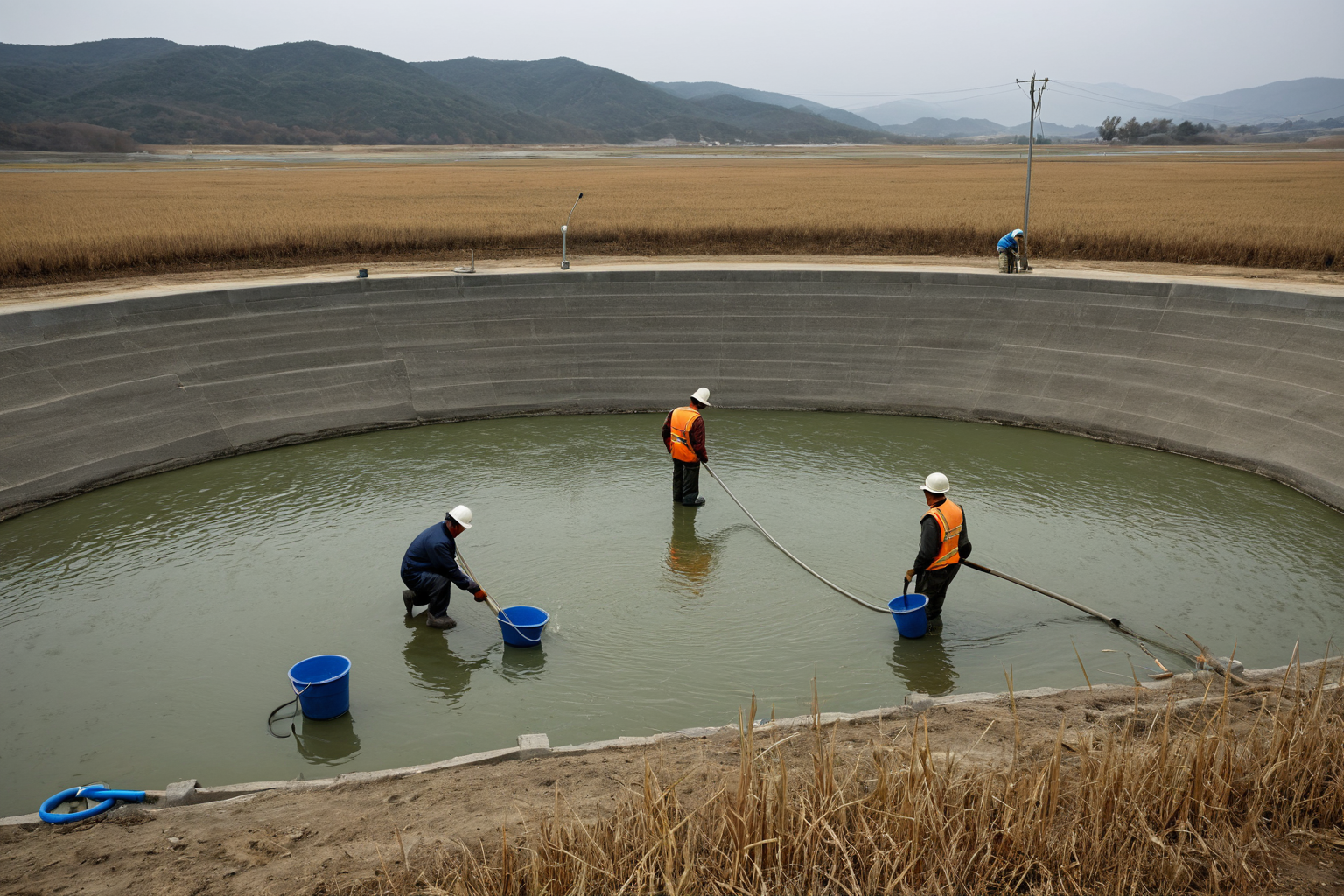
Resident Actions: Civil Defense Emergency Water Facilities and River Dredging
Residents are cleaning civil defense emergency water storage tanks, while the Miryang City Council has called for nationwide dredging of rivers and reservoirs. In Changwon, civil defense emergency water tank cleaning was reported on October 18.
The government has strengthened its emergency support system by mobilizing 200 fire trucks and 400 personnel to supply 4,700 tons of water daily. This measure began August 12 and is particularly critical for Busan, Gimhae, and Ulsan areas experiencing severe drought conditions.
Government Policy: Water Circulation Zones and Seawater Desalination
The government has designated four water circulation promotion zones to proactively address drought and flooding. These zones began operations on June 10, and the Ministry of Environment recently published post-evaluation results of a project to modernize aging water supply systems.
A seawater desalination master plan, developed as a strategic response to extreme drought, was completed by August 17, 2026. This plan aims to convert seawater into fresh water for drought management purposes.
Challenges in On-the-Ground Response and Climate Minister's Statement
On August 17, the Climate Minister stated 'rivers never dry up,' yet water shortages continue to persist on-site. Gangneung City attempted to address water shortages by accepting discharge from Doam Dam, but results remain uncertain.
The government announced the establishment of a comprehensive integrated support center on September 7 to strengthen its response system for drought, heatwaves, and heavy rain - now considered routine challenges. This center aims to provide holistic management of disaster responses.
Water Quality Deterioration Due to Drought and Government Measures
The extreme drought in Gyeongsang Province has led to deteriorating water quality, causing agricultural water shortages and environmental issues. The government has proposed improving agricultural water efficiency and establishing a compensation system for environmental conservation activities.
The National Water Management Committee has launched an independent committee to strengthen integrated water management systems. This was reported by Water Journal on March 9.
Resident Actions and Government Support
Residents are working to overcome drought through cleaning civil defense emergency water facilities, while also calling for dredging of rivers and reservoirs to improve water circulation.
The government has expanded its emergency water supply efforts, mobilizing 200 fire trucks to deliver 4,700 tons of water daily. This measure began August 12 and is particularly needed in Busan, Gimhae, and Ulsan areas.
Despite the Climate Minister's optimistic statement that 'rivers never dry up,' on-site challenges persist. Gangneung City attempted to address water shortages by accepting Doam Dam discharge, but effectiveness remains uncertain.
Long-Term Government Response Plan
The government has established a seawater desalination master plan as part of its response strategy for extreme drought, completed by August 17, 2026.
The establishment of the comprehensive integrated support center focuses on building rapid response systems for what is now considered routine challenges of drought, heatwaves, and heavy rain. This center was announced September 7.
Causes and Current Status of Drought
Gyeongsang Province faces severe water quality deterioration and shortages due to extreme drought. The situation was widely reported on August 13, with Busan, Gimhae, and Ulsan areas particularly affected.
The gap between the Climate Minister's statement that 'rivers never dry up' and on-the-ground realities has been noted. In response to what is now considered routine drought, heatwaves, and heavy rain, the government established a comprehensive integrated support center.
Government Emergency Support System
The government has strengthened its emergency water supply system by mobilizing 200 fire trucks and 400 personnel to deliver 4,700 tons of water daily. This measure began August 12 and is particularly critical for Busan, Gimhae, and Ulsan areas.
The government has forecasted less rainfall than normal in September, prompting further preparations. This information was announced by the government on August 9.
Key Information to Verify
The effectiveness of accepting Doam Dam discharge remains uncertain, as Gangneung City attempted this approach but results are difficult to confirm. There is also ongoing debate about the effectiveness of dam construction projects.
Frequently Asked Questions
How is the government responding to drought?
The government is implementing multi-faceted measures including dam construction, designation of four water circulation promotion zones, and development of a seawater desalination master plan. It has also strengthened its emergency water supply system by mobilizing 200 fire trucks to deliver 4,700 tons of water daily.
How are residents addressing drought?
Residents are cleaning civil defense emergency water storage tanks and calling for nationwide dredging of rivers and reservoirs. The Miryang City Council has specifically requested dredging across the country.
How do we explain the gap between the Climate Minister's statement 'rivers never dry up' and on-site reality?
The Climate Minister made an optimistic statement, but water shortages continue to persist on-site. The government's response measures have not yet demonstrated clear effectiveness in real-world conditions.
Frequently Asked Questions
Water quality deterioration due to extreme drought in Gyeongsang Province is a challenge requiring cooperation between the government and residents. Key initiatives include government efforts such as dam construction, water circulation promotion zones, and seawater desalination master plans, alongside resident actions like cleaning civil defense emergency water facilities and requesting river dredging.
The effectiveness of accepting Doam Dam discharge and the actual efficiency of dam construction remain uncertain, suggesting additional measures may be needed for government responses to demonstrate real-world impact. The gap between the Climate Minister's statement and on-site reality could reflect broader issues with policy implementation.
The government has established a comprehensive integrated support center to prepare for what is now considered routine drought, heatwaves, and heavy rain, but effective operation will require enhanced communication with local residents. Additionally, the seawater desalination master plan represents an important long-term water management strategy.
You can view similar articles on this topic in one place.
View Related ArticlesFAQ
How is the government responding to drought?
The government is implementing multi-faceted measures including dam construction, designation of four water circulation promotion zones, and development of a seawater desalination master plan. It has also strengthened its emergency water supply system by mobilizing 200 fire trucks to deliver 4,700 tons of water daily.
How are residents addressing drought?
Residents are cleaning civil defense emergency water storage tanks and calling for nationwide dredging of rivers and reservoirs. The Miryang City Council has specifically requested dredging across the country.
How do we explain the gap between the Climate Minister's statement 'rivers never dry up' and on-site reality?
The Climate Minister made an optimistic statement, but water shortages continue to persist on-site. The government's response measures have not yet demonstrated clear effectiveness in real-world conditions.
Korean Source
This article is an English localization of a Korean-language report from BlogScore. Original: 경남 가뭄으로 인한 수질 악화, 정부 대응 방안과 주민 대처법