
A Complete Guide to Checking Conditions Before Buying a Used Car in South Korea
Newcomers to buying a used car might feel overwhelmed about what to check before looking at the vehicle itself. Even if the exterior looks fine, overlooking issues like accident history, flood damage, odometer tampering, or ownership status can lead to unexpected costs. This guide simplifies the key conditions and actual steps you need to verify before purchasing a used car.
Used cars offer lower prices than new ones, but their condition varies widely. Instead of just looking for a cheap car, it's more important to assess risks you can handle. By following these steps carefully, even first-time buyers can establish basic criteria for making informed decisions.
Set Your Budget and Purpose Before Viewing Cars
Before browsing listings, define your budget and intended use. The right model depends on whether you need it for commuting, family trips, or long-distance driving. Also consider not just the car price but also transfer fees, insurance, and maintenance costs.
For example, a used car priced at 12 million won might actually require more money when factoring in registration tax, insurance, and basic repairs. Avoid focusing only on the car price—plan for total expenses to prevent unexpected post-purchase spending.
Check Vehicle History and Performance Status First
The most important aspect of a used car is its history. Verify accident records, flood damage, number of ownership changes, and mileage trends. These details are crucial for understanding the vehicle's condition, so make checking them your first priority over the exterior. Note that recent check-up services may change, so always confirm through official channels.
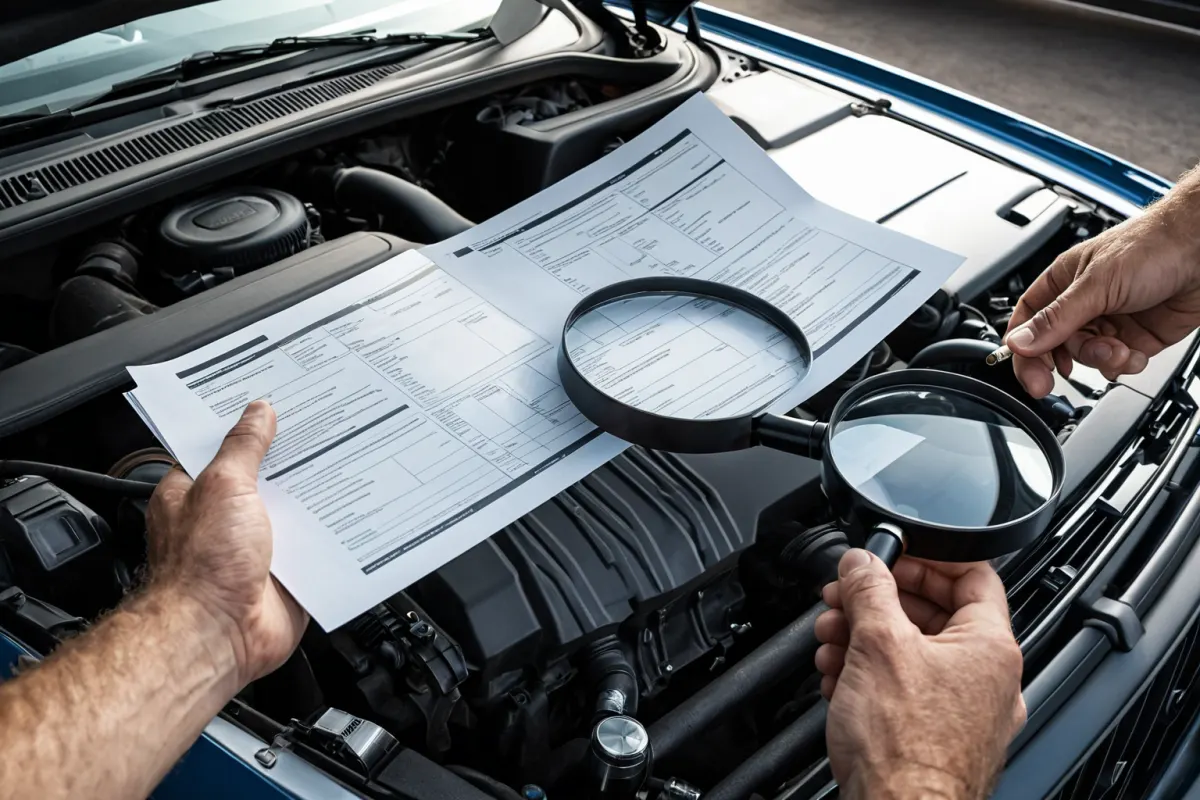
Also review the performance and status inspection report. It should list items like engine, transmission, chassis, and leaks. Even if terms sound technical, look for major repair history or frequent replacements. For instance, a car described as "simple replacement" might refer to minor fender work or significant frame repairs—context matters.
Below
Test Drive and Check Engine Sounds Before Finalizing
Never decide based on photos alone. When inspecting the car in person, check if it starts smoothly, runs steadily without shaking at idle, and has no warning lights on the dashboard. Unusual engine noise or inconsistency may signal issues.
If possible, take a short test drive. Check for uneven braking (pulling to one side), strange steering feel, or rough gear shifts. For example, repeated vibrations at low speeds might indicate engine or transmission problems. Beginners should consider bringing someone with mechanical knowledge to help assess these details.
Review All Documents and Terms Before Signing
Even after finding a car you like, carefully review all contracts before signing. Verify that the vehicle information matches the listing, check if transfer fees or additional costs apply, and confirm warranty coverage. Be cautious of vague claims like "accident-free" or "fully serviced"—ask for supporting documents.
Before finalizing, ensure consistency between the vehicle registration certificate, performance report, and sales contract. For example, mismatched chassis numbers or varying mileage records should be clarified immediately. Avoid relying on verbal agreements; always get terms in writing. If using a used car installment plan, don't just look at monthly payments—check total interest and early repayment conditions as well.
Common Mistakes First-Time Buyers Make
The most common mistake is focusing only on price rather than vehicle condition. Cars priced significantly below market value likely have hidden issues. While they could be a quick-sale deal, this makes thorough checks even more critical. Rushing to sign without verifying history can lead to costly repairs later.
Another frequent error is assuming clean exterior or interior means the car is in good shape. A shiny finish or tidy cabin doesn't guarantee engine, chassis, or overall condition. Conversely, a slightly worn appearance might indicate well-maintained care. For example, low mileage could mean long-term storage, which often requires more inspections than expected—always prioritize core components over surface details.
When comparing multiple cars, take notes on vehicle numbers, model year, mileage, accident history, and special conditions to avoid confusion. Comparing based on documented facts rather than feelings reduces the risk of poor decisions.
Buying a Used Car Safely Requires Following an Orderly Process
The safest way to buy a used car isn't about choosing an expensive model—it's about following the right process. Start by setting your budget and purpose, then verify vehicle history and performance records before inspecting the car in person and test-driving it. Finally, review all contracts carefully.
At first, this may seem complex, but with practice, it becomes second nature. Focus on whether documents match the actual condition rather than just whether the price seems fair. Rushing through the process increases mistakes—take your time to verify details, ask questions about unclear points, and consult official resources when needed.
FAQ
Q1. What should I check first before buying a used car?
A1. First define your budget and purpose, then review vehicle history, performance reports, and contract terms.
Q2. Is an "accident-free" car always safe to buy?
A2. No. Even accident-free cars require checking for flood damage, mileage accuracy, maintenance status, and verifying that documents match the actual condition.
Q3. Can I go shopping for a used car alone as a beginner?
A3. You can, but it's safer to bring someone with mechanical knowledge. At minimum, you should personally test drive and review all documents.
FAQ
What should I check first before buying a used car?
First define your budget and purpose, then review vehicle history, performance reports, and contract terms.
Is an "accident-free" car always safe to buy?
No. Even accident-free cars require checking for flood damage, mileage accuracy, maintenance status, and verifying that documents match the actual condition.
Can I go shopping for a used car alone as a beginner?
You can, but it's safer to bring someone with mechanical knowledge. At minimum, you should personally test drive and review all documents.
Korean Source
This article is an English localization of a Korean-language report from BlogScore. Original: 중고차 구매 전 꼭 확인해야 할 조건과 절차 총정리