
Comparing Wrapping Ad Costs and Public Service Advertising Methods
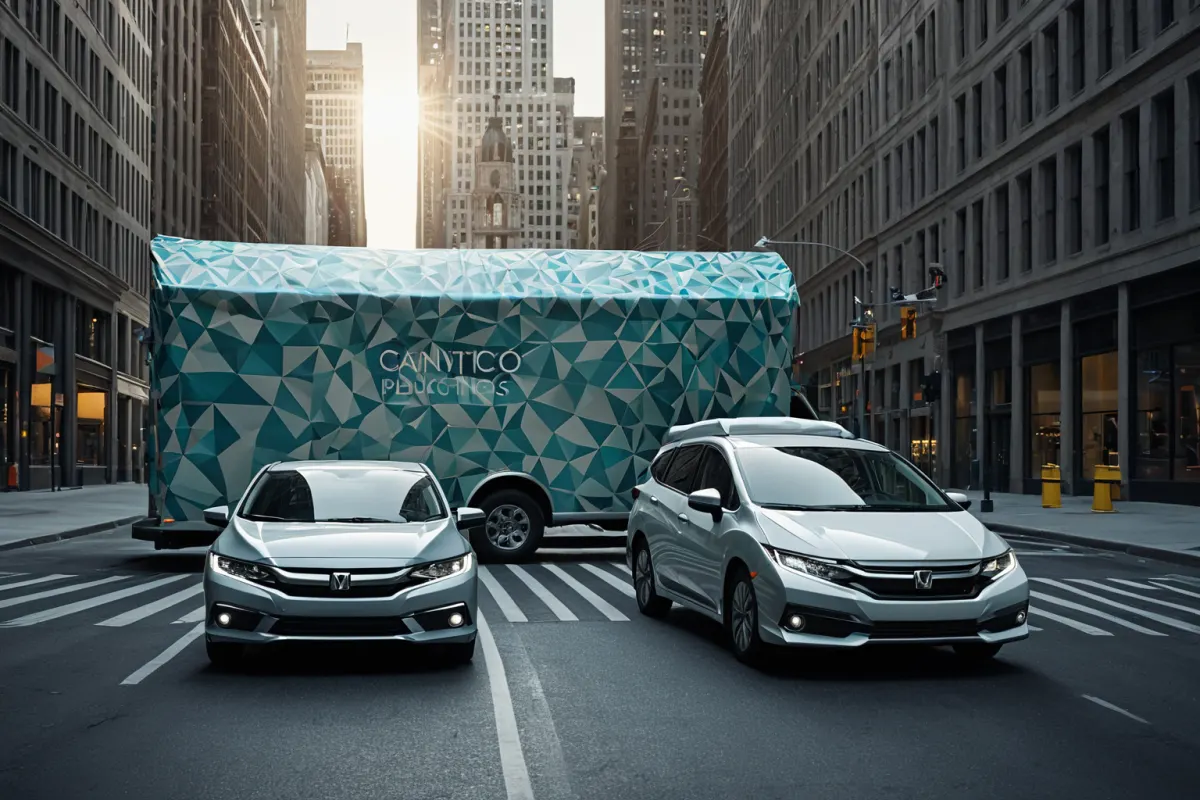
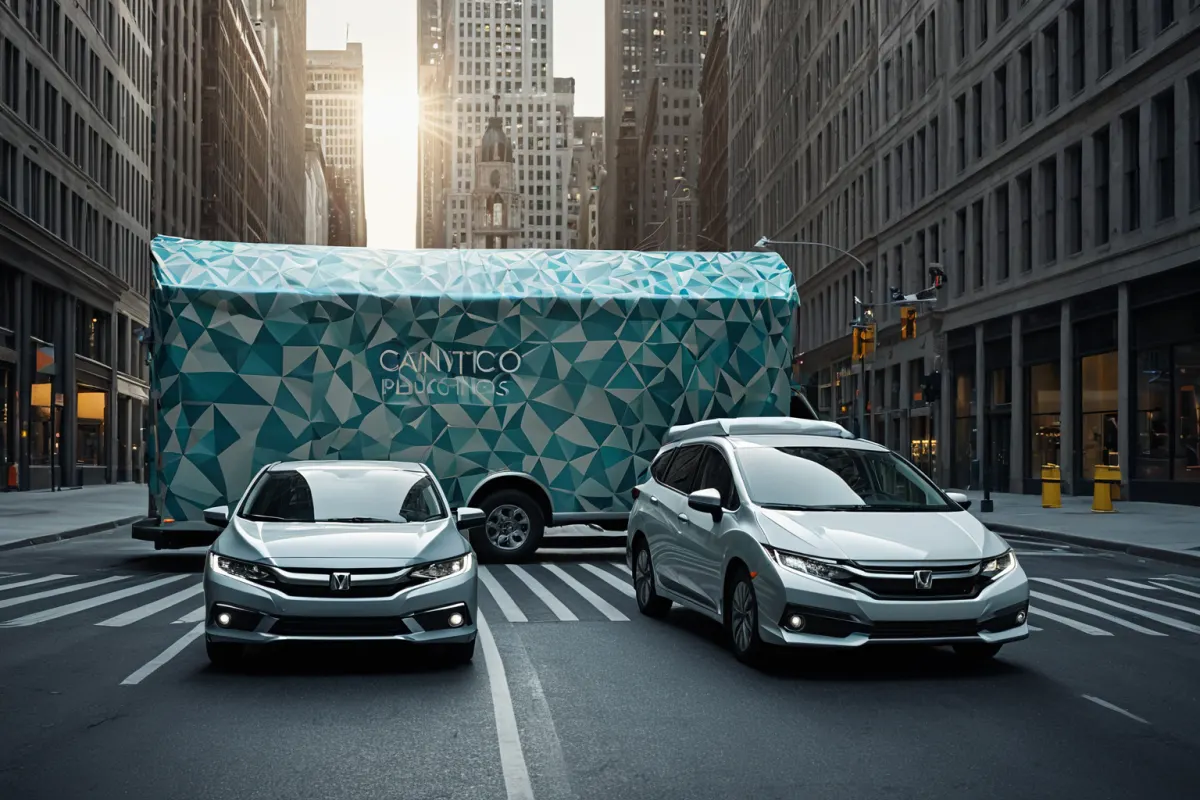
Wrapping ad costs typically vary depending on how large and long a vehicle or medium is used, while the execution method of public service ads changes completely based on which channel—print, broadcast, online, or outdoor—is chosen. In short, wrapping ads focus on production and application, whereas public service ads prioritize exposure scope and execution conditions.
Therefore, when comparing the two, it's not accurate to simply say 'which is cheaper.' With the same budget, wrapping ads excel at localized, targeted exposure, while public service ads are better for broad reach or ensuring public benefit.
Wrapping Ad Production Cost Breakdown
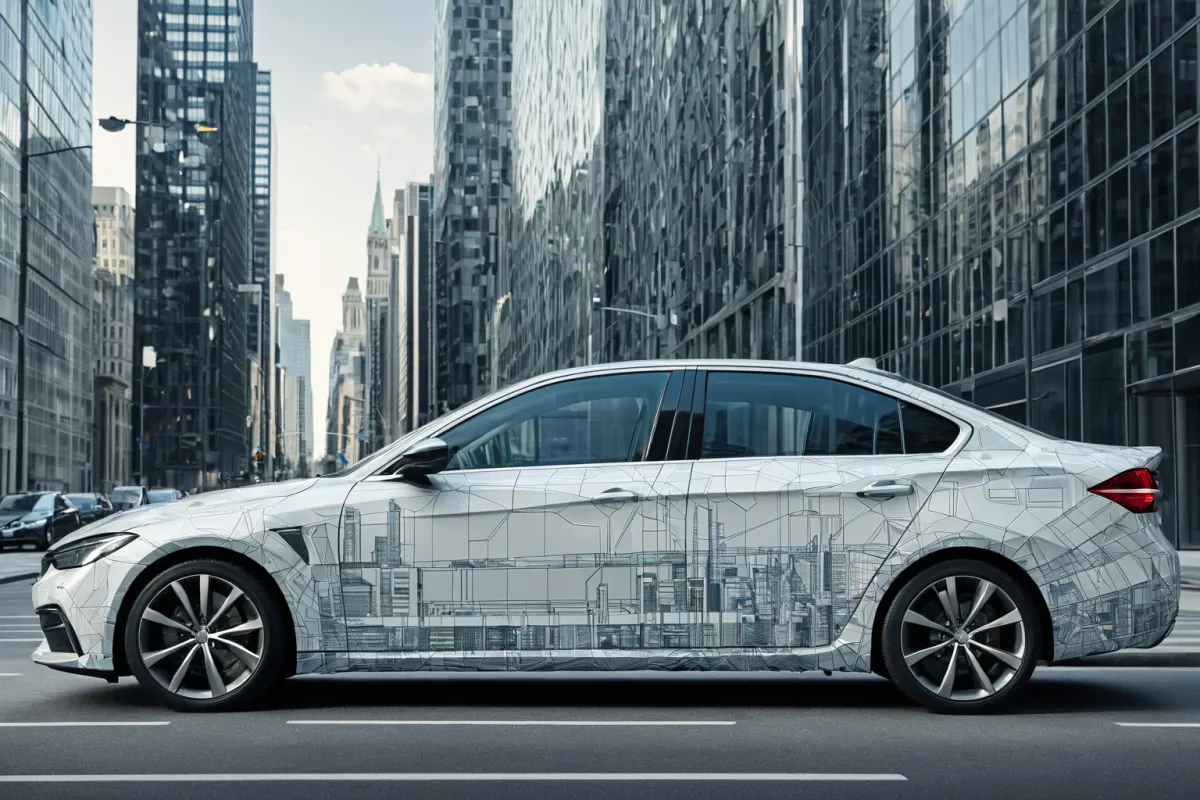
Wrapping ad costs generally include design, printing, cutting, installation, and maintenance. For vehicle wrapping, the cost varies significantly based on vehicle size, surface complexity, and film type used.
For example, partial wrapping on a small car is relatively affordable, but full bus wrapping involves larger areas and longer installation time, increasing costs. Additional expenses may apply for matching brand colors or using special films that enhance nighttime visibility.
In practice, it's better to first confirm whether the quote includes installation, removal, and the number of months of operation rather than just asking about 'production cost.' Different conditions can lead to completely different quotes for the same wrapping ad.
You can view similar articles on this topic in one place.
View Related ArticlesDifferences in Public Service Advertising Execution Methods
Public service ads are often not sold like commercial ads; instead, the purpose and media selection come first. They work well for clear messages such as traffic safety, environmental protection, health, or social welfare.
Execution methods can be broadly categorized into broadcast-type, outdoor-type, print-type, and digital-type. Broadcast-type is effective for quickly raising awareness, while outdoor-type excels in repeated exposure. Print-type makes it easier to target specific areas, and digital-type allows for precise audience segmentation.
For example, a local smoking prevention campaign might pair well with media like bus stops or regional newspapers, whereas a nationwide traffic safety campaign could be better suited for broadcast or large outdoor media. The key is tailoring the execution method to the purpose.
Key Factors Affecting Costs
A common point of confusion when comparing wrapping ads and public service ads is assuming that 'if the ad looks similar, costs should be comparable.' In reality, different media structures mean cost items also differ.
Wrapping ads prioritize the quality of the physical product—design completion and installation work—and public service ads focus more on exposure duration, media rates, and approval procedures. With the same budget, wrapping ads can use fewer mediums for longer periods, while public service ads spread across multiple channels for broader reach.
Think of it this way:
- Wrapping Ads: Applied to physical objects like vehicles, buses, or storefront exteriors
- Public Service Ads: Focused on message delivery with the purpose of raising awareness
- Commonality: Both aim to deliver a message, but budget calculation differs
In short, wrapping ads depend on 'how long you'll use which medium,' while public service ads focus on 'which channel best suits your message.'
Key Items to Check When Reviewing Quotes
When first receiving a quote, don't just look at the price—examine what's included. For wrapping ads, check if printing and installation are separate; for public service ads, confirm whether media placement fees and production costs are distinct.
For example, if a vehicle wrapping quote includes only one design revision, additional costs may arise if more revisions are needed. Similarly, public service ads often involve separate video production and placement, so changes in editing length or specifications can lead to rework charges.
A common question to ask is: 'Does the total include removal costs?', 'Is VAT included separately?', 'How many design revisions are allowed?' Asking directly helps avoid disputes later.
When Wrapping Ads Work Best
Wrapping ads suit scenarios where localized exposure matters. For example, they're highly effective for delivery services, academies, hospitals, franchises, or local event promotions—businesses with clear movement patterns.
Since vehicles move daily, wrapping ads provide consistent contact opportunities at the same cost. They're also ideal when you want a quick visual impact. Simple combinations of large images, bright colors, and short text work best.
However, complex wording can reduce readability. In practice, keeping it to just the brand name, key service, and contact information yields better results.
When Public Service Ads Work Best
Public service ads are ideal when the goal is awareness improvement rather than sales. They excel at quickly conveying social messages, making them common in public campaigns by government agencies or organizations.
For example, campaigns on waste separation, pedestrian safety, smoking cessation, or low birthrate awareness often fit better as public service ads because they require audience empathy with the message itself.
In these cases, message structure matters more than attractive visuals. A common approach is to show the topic within the first three seconds and include a brief call-to-action at the end.
Quick Comparison Guide for Beginners
When starting an ad campaign, consider this order for easier decision-making:
- First determine if your goal is sales or awareness improvement
- Then identify whether exposure should be localized or nationwide
- Next decide if the creative needs to remain (like a physical sign) or just run once (like an online ad)
- Finally, compare quotes including duration and removal options
For example, promoting a local cafe opening might work better with vehicle wrapping or storefront displays. Conversely, a nationwide traffic safety campaign would suit public service advertising for consistent message repetition across audiences.
In the end, choosing between them depends less on 'how widely you can spread your message' and more on 'who needs to receive which message through what medium.'
Core Comparison: Wrapping Ads vs. Public Service Advertising
To simplify, think of wrapping ads as production-focused and public service ads as execution-structure focused. One involves consistently moving visible media, while the other spreads messages widely.
A smaller budget doesn't automatically mean wrapping ads are better, nor does public service advertising only suit government organizations. However, choosing the right channel for your purpose can make a significant difference even with the same budget.
Ultimately, you need to consider design quality, exposure location, execution period, approval conditions, and additional costs—just these five factors will help avoid major discrepancies when comparing quotes.
FAQ
Q1. Why do wrapping ad production costs vary between companies?
Because vehicle types, film quality, installation difficulty, number of revisions, and whether removal is included all differ. Even for the same area, buses require more complex work than passenger cars.
Q2. Can individuals or regular businesses execute public service ads?
It's possible depending on the topic and media conditions. However, how you explain the public benefit aspect and which channel fits best will influence the approach.
Q3. If I have to choose one, what should be my basis for decision?
If your goal is sales, wrapping ads work better; if it's awareness improvement, public service ads fit better. Considering exposure scope and duration makes the choice easier.
Note: Current execution conditions and media rates can change over time, so confirming current standards before proceeding is always safer.
Continue exploring similar topics.
Browse CategoryFAQ
Why do wrapping ad production costs vary between companies?
Because vehicle types, film quality, installation difficulty, number of revisions, and whether removal is included all differ. Even for the same area, buses require more complex work than passenger cars.
Can individuals or regular businesses execute public service ads?
It's possible depending on the topic and media conditions. However, how you explain the public benefit aspect and which channel fits best will influence the approach.
If I have to choose one, what should be my basis for decision?
If your goal is sales, wrapping ads work better; if it's awareness improvement, public service ads fit better. Considering exposure scope and duration makes the choice easier.
Korean Source
This article is an English localization of a Korean-language report from BlogScore. Original: 랩핑광고 제작비와 공익광고 집행 방식 비교