
Comparing Public Sector Salaries: A Guide to Job-Specific Pay Rates in South Korea
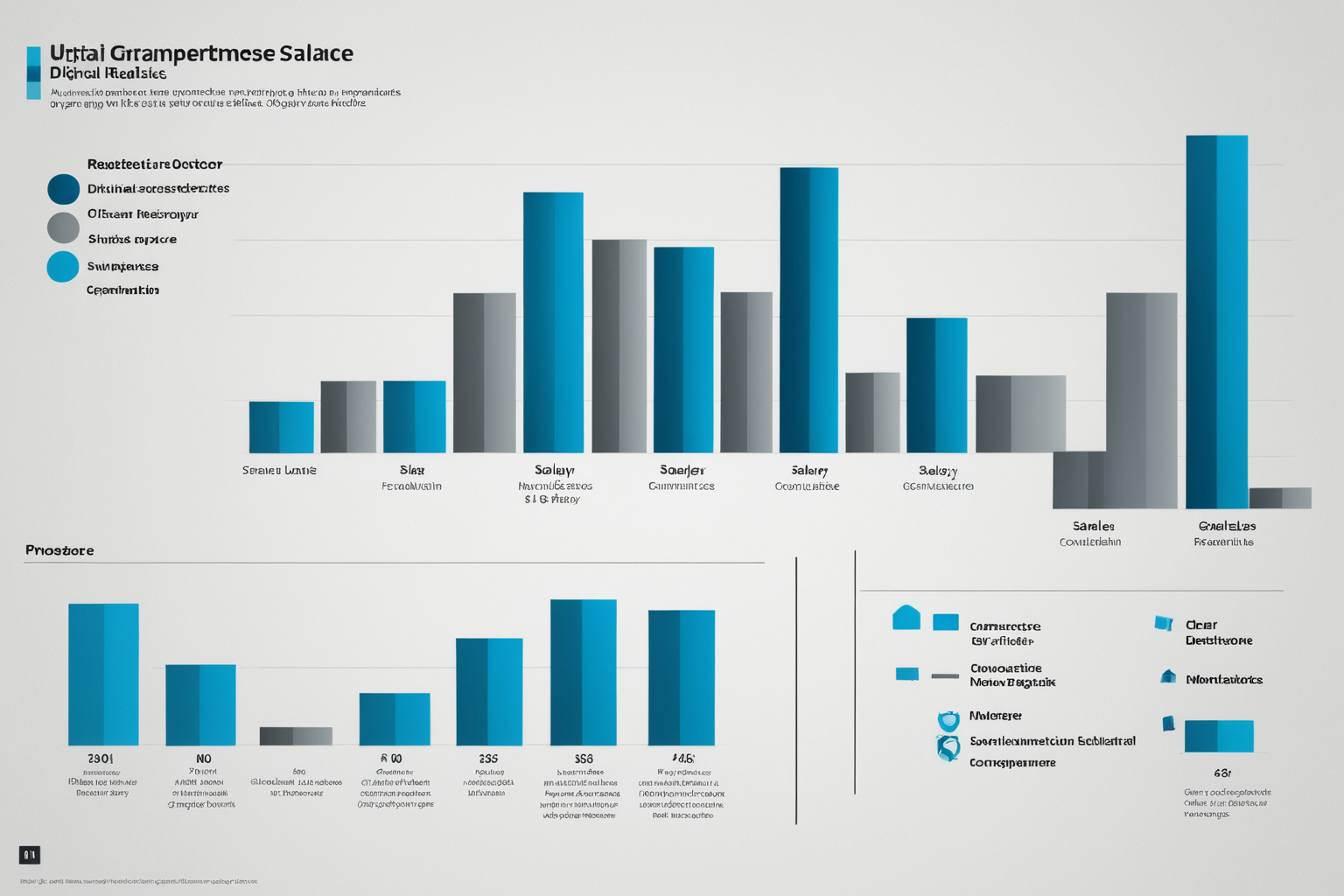
Public Sector Pay: 83.9% of Private Sector Wages
Government employee pay stands at approximately 83.9% of private sector wages, with general civil servants estimated at 76.7%. This indicates that public sector workers receive relatively lower compensation compared to the private sector.
The government pay structure is based on a rank-and-seniority system, determining salaries according to position and years of service. However, this system has recently faced criticism for being inefficient. Public sector unions have called for wage realism, noting that younger generations are increasingly leaving public sector jobs for the private sector.
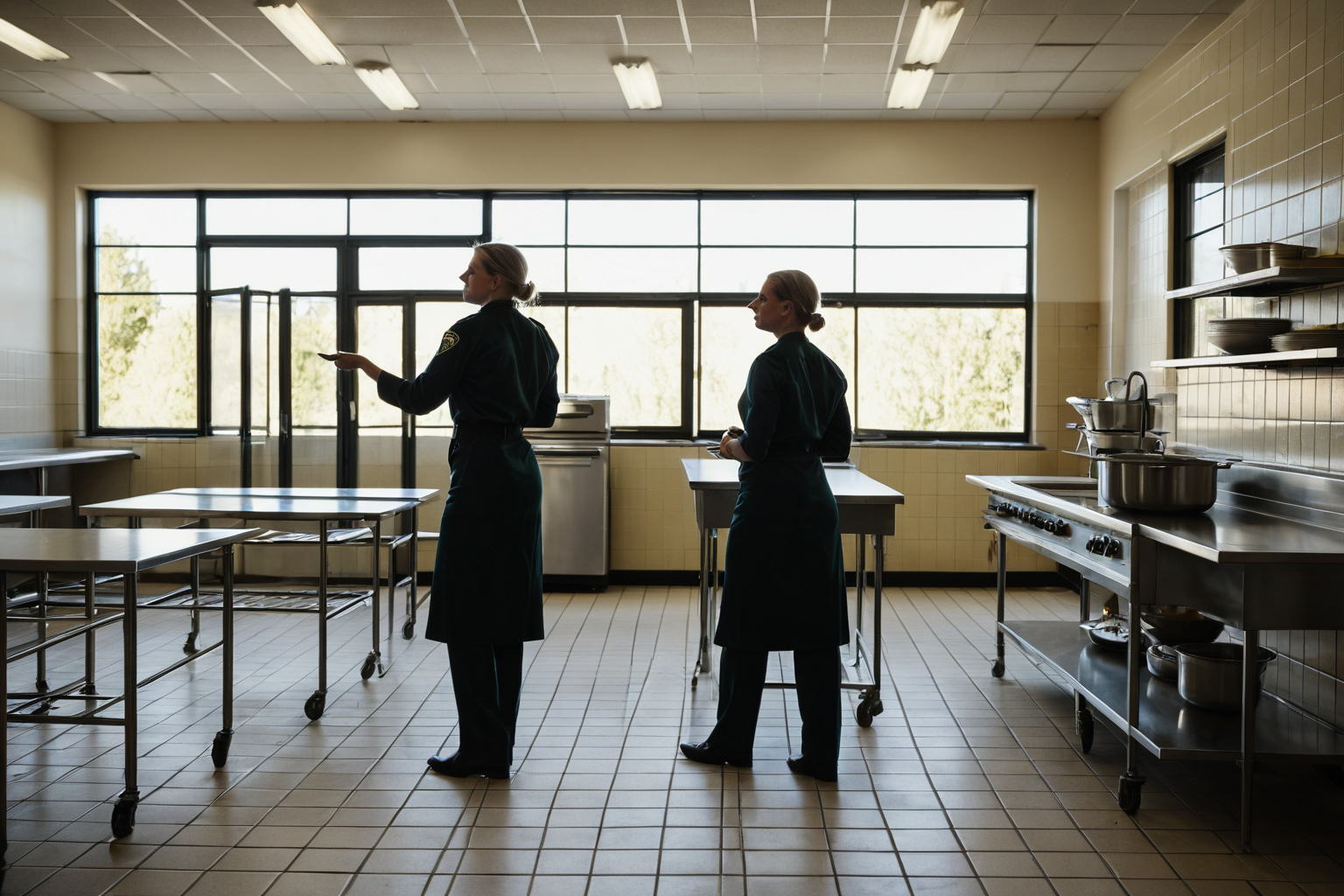
Educational Public Service Staff: 60-70% of Civil Servant and Teacher Pay
Educational public service staff (Types 1 and 2) earn significantly less than civil servants and teachers, with current pay at 60-70% of their counterparts. This is because educational public service staff perform similar duties to teachers but lack the formal status and compensation structure of regular employees.
Educational public service staff are divided into Type 1 (nutritionists, librarians, professional counselors) and Type 2 (cooks, kitchen assistants, school administration assistants, elementary school care specialists). While their job responsibilities vary, pay structures are complex and differ by region, making comparison difficult. In March 2023, they staged the first-ever nationwide strike at the start of the academic year, demanding a unified pay scale and resolution to health risks related to kitchen fumes.
2023 Strike: Demanding Unified Pay Scale
On March 31, 2023, non-regular school staff (educational public service staff) conducted the first nationwide strike at the start of the academic year. They demanded a unified pay scale and resolution to health risks from kitchen fumes. The strike was initiated in response to unequal pay and health hazards faced by educational public service staff.
Educational public service staff perform duties similar to teachers but lack formal regular employee status, resulting in lower wages. Many are leaving for the private sector, with younger generations increasingly choosing other professions over educational public service roles.
2026 Pay Reform: Maintaining Base Salaries and Reducing External Spending
New pay, pension, and bonus regulations will take effect in July 2026. These regulations aim to maintain base salary levels while eliminating non-salary expenditures. The reform seeks to improve the efficiency of public sector compensation structures.
The new pay structure must not reduce current payment levels, ensuring that civil servants' living standards are maintained. Additionally, abolishing non-salary expenditures aims to enhance budget efficiency.
Public Service Exams: A Choice for Stability
The popularity of public service exams among young people reflects a preference for job stability. Compared to large corporations, government jobs offer greater employment security.
The OECD has warned that Korea's exam system may hinder skilled professionals from gaining practical experience in their fields. This highlights concerns about youth delaying entry into the labor market due to preparation for public service exams.
Frequently Asked Questions
Why are government salaries lower compared to private sector wages?
Government employee pay stands at approximately 83.9% of private sector wages, with general civil servants estimated at 76.7%.
Why are educational public service staff paid less?
Educational public service staff earn between 60-70% of the pay received by civil servants and teachers.
What changes will come in 2026?
Starting July 2026, base salary levels will be maintained while non-salary expenditures will be eliminated.
References
You can view similar articles on this topic in one place.
View Related ArticlesFAQ
Why are government salaries lower compared to private sector wages?
Government employee pay stands at approximately 83.9% of private sector wages, with general civil servants estimated at 76.7%.
Why are educational public service staff paid less?
Educational public service staff earn between 60-70% of the pay received by civil servants and teachers.
What changes will come in 2026?
Starting July 2026, base salary levels will be maintained while non-salary expenditures will be eliminated.
Korean Source
This article is an English localization of a Korean-language report from BlogScore. Original: 공무원급여표 데이터를 활용한 직무별 급여 비교 가이드