
Comparing Jeju Tangerine and TaiBak Citrus: Measuring Sugar Content
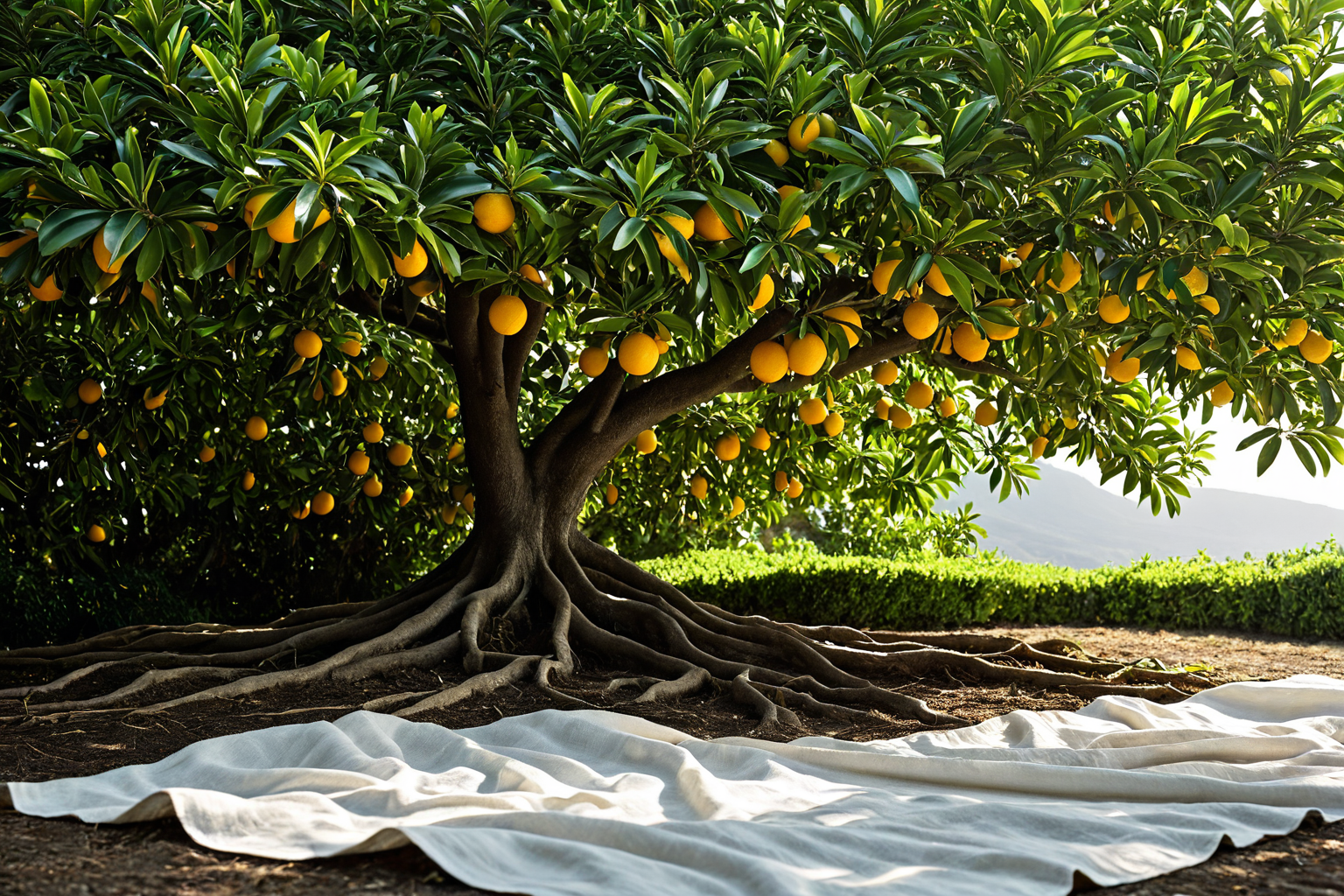
TaiBak Citrus Cultivation Method and Sugar Measurement
TaiBak citrus uses a special fabric called 'TaiBak' laid under the citrus trees to evenly distribute sunlight, increasing sugar content. The average sugar level of TaiBak citrus reaches over 18 Brix, offering a sweeter taste than regular citrus.
LOTTE Online and Kim's Club supply TaiBak citrus directly from farms, with Kim's Club specifically selling only products with a sugar content of 18 Brix or higher. This serves as a quality assurance standard. LOTTE Online collaborates with Butter Yam to offer premium TaiBak citrus through direct farm delivery, strengthening their creator-based commerce model.
On June 30, 2022, the Jeju Agricultural Research Institute held a seminar on installing TaiBak (soil cover) for outdoor citrus cultivation. This initiative aimed to help farmers apply TaiBak cultivation techniques more effectively.
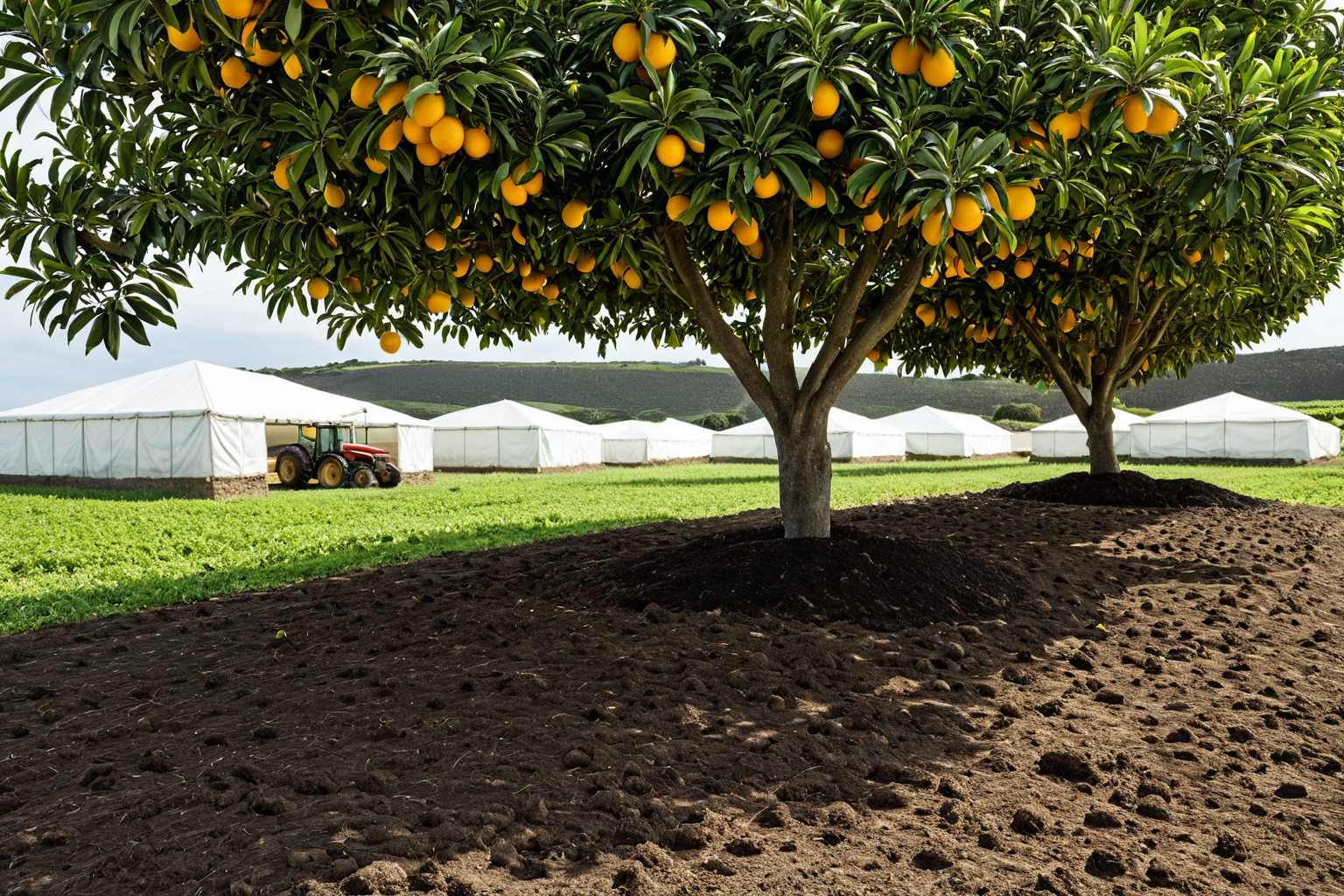
Comparing Jeju Tangerines and TaiBak Citrus
TaiBak citrus refers to the cultivation method, not a specific variety. It is known for higher sugar content compared to regular citrus. Jeju tangerine chips are made from TaiBak citrus (with sugar content of 12 Brix or higher) that would otherwise be unsellable due to cosmetic issues, processed without added sugar or preservatives.
The TaiBak cultivation method can increase economic burden on farmers. On June 12, 2020, reports highlighted concerns among citrus farmers as the price of TaiBak fabric—a material used in making protective suits—spiked due to increased demand for the fabric.
In 2022, the Jeju Agricultural Research Institute provided guidance on installing TaiBak (soil cover) for outdoor citrus cultivation to support farmers. This initiative aimed to help farmers adopt and scale up TaiBak cultivation techniques through training sessions.
Direct Farm Delivery Model and Quality Control
Kim's Club has expanded its purchase volume of Jeju TaiBak citrus from 60 tons in early last year to 240 tons this year. Through direct transactions with 400 local farms, they eliminate middlemen and return all commission fees directly to the farmers.
The direct farm delivery model offers consumers high-quality citrus at affordable prices while boosting farmer income. Kim's Club's direct farm products account for 40% of total sales, with citrus being a key category.
Hanjin partnered with Jeju Jungmun Agricultural Cooperative to hold offline promotion events for Jeju TaiBak citrus. At these events, they sold 100 boxes of 3kg TaiBak citrus at 20% lower than market price, offering free shipping to buyers.
How Does the Price Increase of TaiBak Fabric Affect Farmers?
In 2020, a surge in TaiBak fabric prices increased economic pressure on citrus farmers. This was due to rising demand for the fabric used in manufacturing protective suits.
What is TaiBak citrus cultivation?
A method where functional fabric 'TaiBak' is laid under citrus trees to evenly disperse sunlight, boosting sugar content.
What is the average sugar level of TaiBak citrus?
Over 18 Brix on average, offering a sweeter taste than regular citrus.
References
- This year's Jeju citrus, sweeter than ever (www.donga.com)
- From pest control to smart farming... Women farmers master Jeju citrus expertise (www.nongmin.com)
- Jeju Gosan Agricultural Cooperative 'Master Citrus Farmer' expertise shared with women farmers (www.newsjeju.net)
You can find similar articles on this topic in one place.
View Related ArticlesFAQ
What is TaiBak citrus?
TaiBak citrus refers to a cultivation method using functional fabric under trees to evenly distribute sunlight, increasing sugar content. It's not a specific variety.
How high is the average sugar level of TaiBak citrus?
The average sugar level is over 18 Brix, making it sweeter than regular citrus.
Why did TaiBak fabric prices surge in 2020?
Prices rose due to increased demand for the fabric used in manufacturing protective suits during the pandemic.
Korean Source
This article is an English localization of a Korean-language report from BlogScore. Original: 제주 귤 5kg, 타이백감귤과 비교해 당도 측정 방법