
Comparing the Arctic Route Pilot Voyage with Traditional Shipping Routes
Economic Benefits of the Arctic Route Pilot Voyage
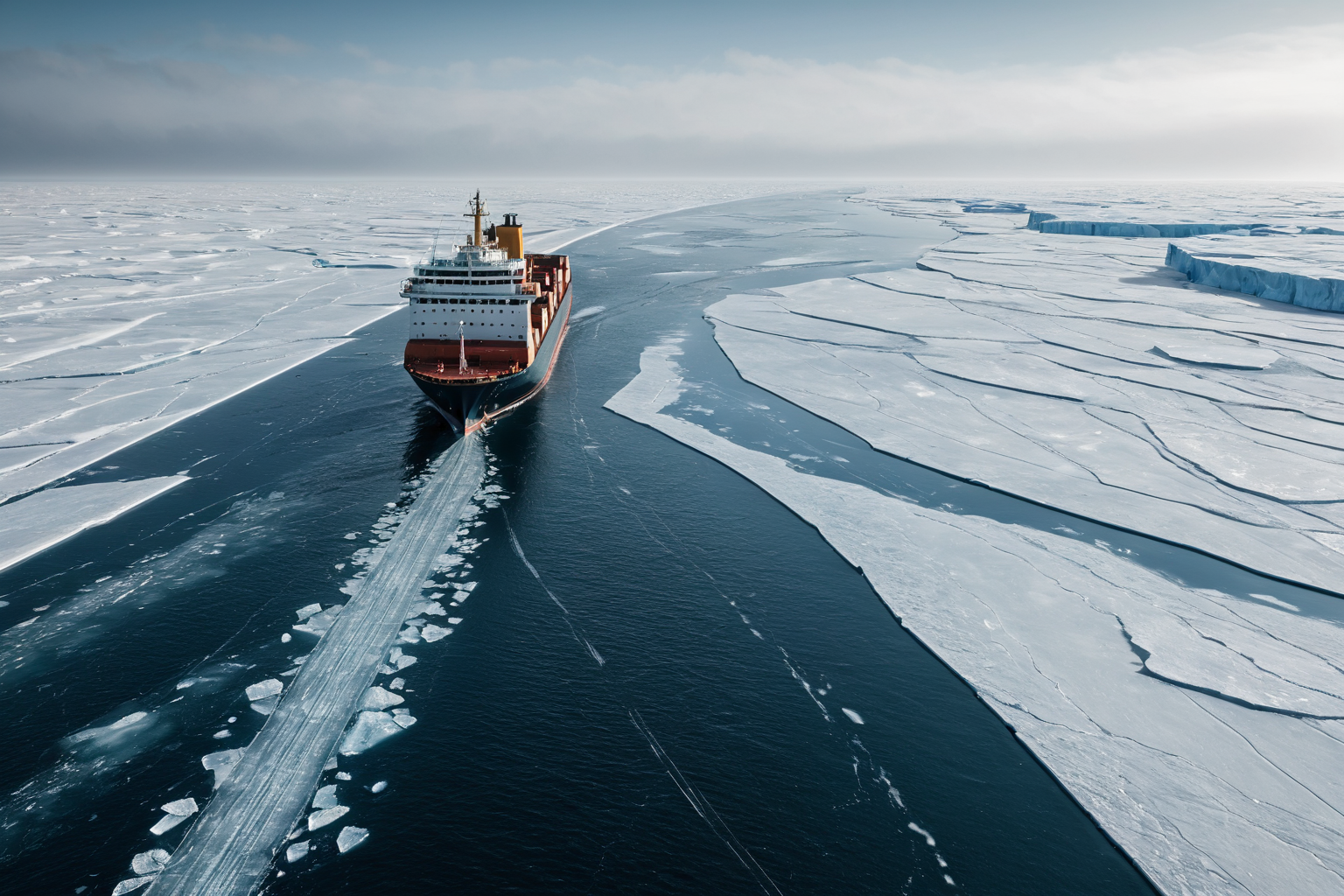
The first domestic container ship 'Pansstar Arcro' departed from Busan New Port on August 22, 2026, beginning a pilot voyage through the Arctic route to Rotterdam, Netherlands. This route is approximately 32-35% shorter than the Suez Canal path, aiming to verify economic feasibility and explore new markets. The Busan-Europe route via the Arctic is about 9,600km compared to the traditional Suez Canal route of around 14,000km, leading to reduced fuel costs and faster delivery times. With increasing summer sea ice melt expanding navigable periods each year, the long-term logistics competitiveness through this route is expected to improve.
Main Achievements of the Pilot Voyage
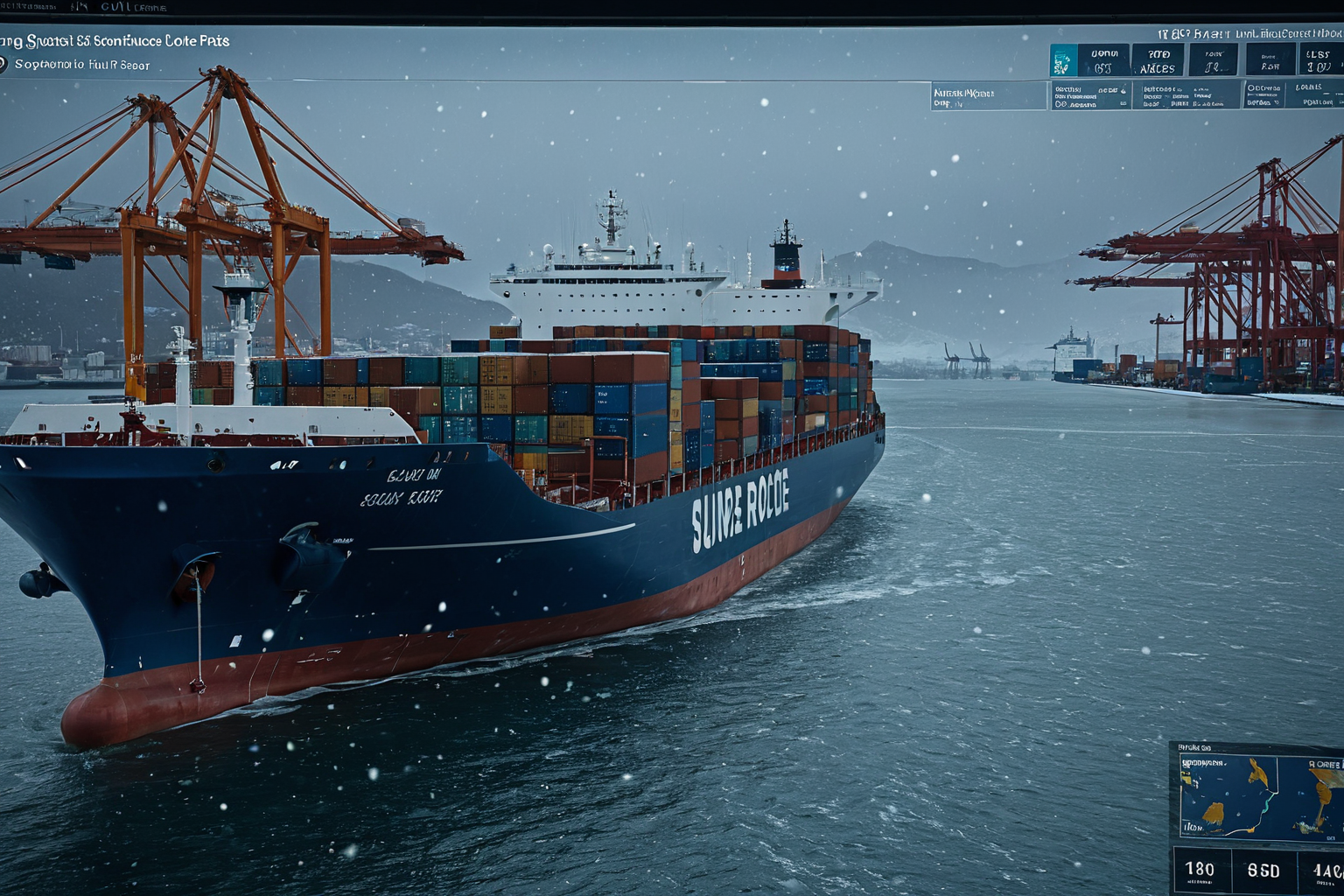
The Pansstar Arcro reached Rotterdam from Busan in approximately 21-22 days via the Arctic route, marking South Korea's successful first exploration of this path. This represents the shortest connection between Asia and Europe, signaling a green light for commercial routes. During the voyage, the vessel monitored various weather conditions and marine environments while collecting real-time data to establish technical foundations for future commercialization. The operation also adhered strictly to International Maritime Organization (IMO) safety regulations for Arctic navigation, demonstrating compliance with global standards.
Comparison Between Traditional and New Routes
Compared to the traditional Suez Canal route, the Arctic route offers approximately 32-35% shorter distance. For example, while the Busan-Europe route via Suez is about 14,000km, the Arctic route covers roughly 9,600km. This translates to reduced fuel costs and faster delivery times. Additionally, the Arctic route avoids toll fees associated with the Suez Canal, potentially lowering logistics costs further. While Suez Canal routes face delays due to vessel size restrictions and traffic congestion, the Arctic route can be planned around seasonal ice melt periods for greater flexibility.
Purpose and Preparation of the Pilot Voyage
The Arctic route pilot voyage was conducted primarily to verify economic viability and explore new market potential. Coordinated by Busan City and Pansstar, with the Ministry of Oceans and Fisheries announcing on July 3, 2026 that preparations were in final stages and securing 1,300 TEU of cargo, this inaugural container voyage focused on economic feasibility testing. Preparations included analyzing sea ice patterns, weather data, vessel safety inspections, and establishing international compliance frameworks considering cooperation with Russia.
Following the successful pilot voyage, President Moon Jae-in congratulated it as a 'historic first path,' while implementing real-time cargo monitoring system 'Willlog' to enhance safety. This system tracks ship location, speed, and cargo status in real time for accident prevention and rapid response, demonstrating adherence to international norms during operation.
Russia Risk and Potential Korea-China Cooperation
While the Arctic route faces challenges such as Russia-related risks, potential cooperation between South Korea and China is gaining attention. Both countries could jointly research and invest in developing safe Arctic routes, representing a strategic partnership for sustainable operations. China has shown significant interest in the Arctic region, making substantial investments in recent years. Such collaboration could accelerate standardization of the Arctic route on an international scale.
The pilot voyage emphasized strict adherence to international norms while preparing contingency plans for Russia's political situation. This suggests that the Arctic route can play a crucial role in global logistics networks beyond short-term economic benefits. Furthermore, increasing sea ice melt due to climate change is expected to expand navigable periods, enhancing the route's competitiveness.
Real-Time Cargo Monitoring System 'Willlog'
'Willlog' was used during the Arctic voyage to monitor real-time location and condition of cargo. This system represents an evolution from traditional logistics management, improving both safety and efficiency. Utilizing satellite communication, 'Willlog' tracks ship position in real time while collecting data on cargo temperature, humidity, and shock detection for safe transportation. Designed for rapid response during accidents, it maximizes safety for vessels and cargo under the unique conditions of the Arctic.
Historical Significance of Pilot Voyage Success
After arriving in Rotterdam on September 12, 2026, President Moon Jae-in praised the voyage as a 'historic first path.' This marks not just a change in logistics routes but the beginning of a new global trade paradigm. The pilot voyage was the first in a decade to resume Arctic route navigation, aimed at verifying economic and safety aspects. It demonstrated the feasibility of international logistics through the Arctic while presenting strategic responses to challenges like Russia-related risks.
Future Outlook and Key Challenges
Following the successful pilot voyage, increased Korea-China cooperation is anticipated. However, Russia-related risks and climate changes in the Arctic remain significant challenges. Future operations will focus on developing stable growth through international norm compliance and technological innovation. The expanding navigable periods due to increasing sea ice melt will further improve logistics efficiency, strengthening competitiveness within global trade networks.
The implementation of the real-time cargo monitoring system 'Willlog' has enhanced logistics efficiency, laying the foundation for the Arctic route to become an international standard. Collaboration between Busan City and Pansstar serves as a model for other countries developing Arctic routes. Future considerations will include additional measures for ecosystem protection in the Arctic, which is essential for sustainable route operations.
Fact Check and Reference Information
The Arctic route pilot voyage began on August 22, 2026 from Busan New Port, led by 'Pansstar Arcro.' The route utilizes approximately 32-35% shorter distance compared to the Suez Canal path for economic feasibility testing and new market exploration. President Moon Jae-in congratulated the successful pilot voyage as a 'historic first path.' During the voyage, real-time cargo monitoring system 'Willlog' was implemented with emphasis on adherence to international norms. The Arctic route is noted as being reopened after a decade, focused on verifying economic and safety aspects.
Frequently Asked Questions
How much shorter is the Arctic Route compared to Suez Canal?
The Arctic route from Busan to Europe is approximately 32-35% shorter than the Suez Canal route.
What did the President say after the successful pilot voyage?
President Moon Jae-in praised the Arctic route pilot voyage as a 'historic first path' following its success.
What functions does the real-time cargo monitoring system 'Willlog' provide?
'Willlog' monitors real-time location and condition of cargo during Arctic voyages.
You can view similar articles on this topic in one place.
View Related ArticlesFAQ
How much shorter is the Arctic Route compared to Suez Canal?
The Arctic route from Busan to Europe is approximately 32-35% shorter than the Suez Canal route.
What did the President say after the successful pilot voyage?
President Moon Jae-in praised the Arctic route pilot voyage as a 'historic first path' following its success.
What functions does the real-time cargo monitoring system 'Willlog' provide?
'Willlog' monitors real-time location and condition of cargo during Arctic voyages.
Korean Source
This article is an English localization of a Korean-language report from BlogScore. Original: 북극항로 시범운항과 기존 항로 비교해 보세요.