
Common Mistakes and Solutions in Applying for Disability Special Deduction
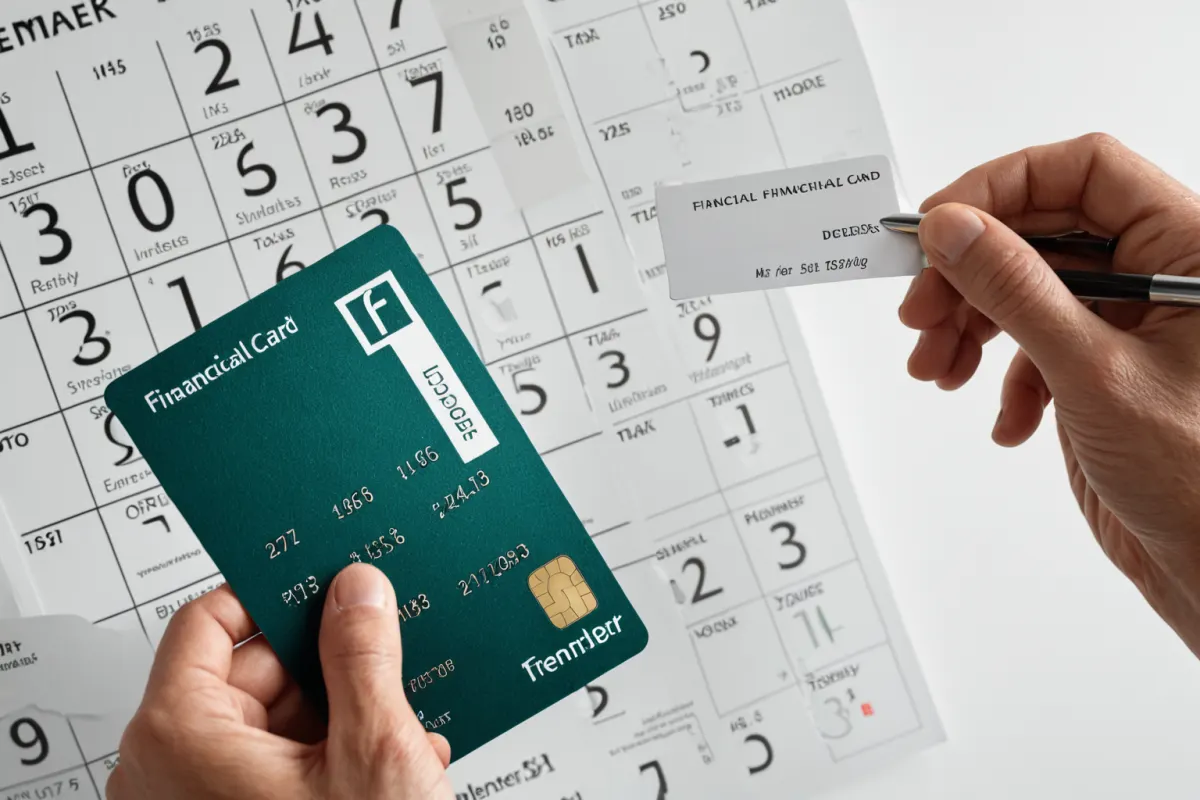
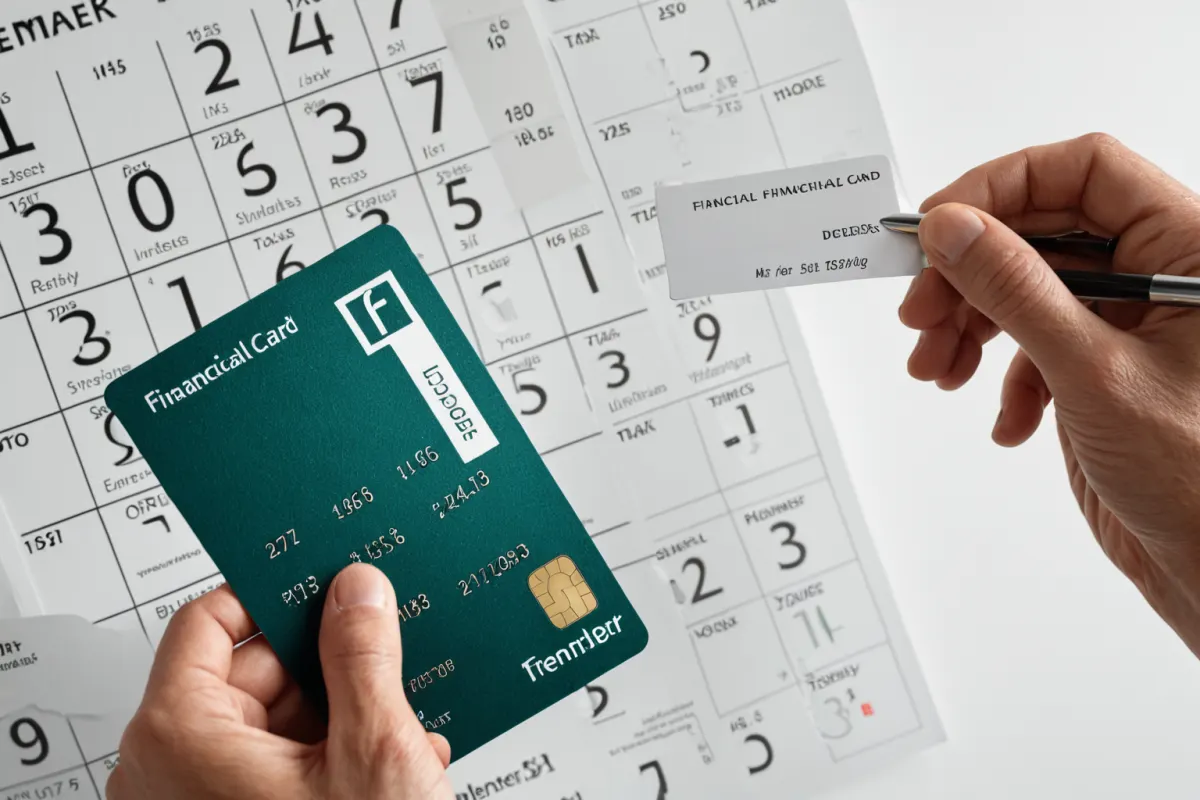
The most common reasons for failed applications for the disability special deduction are errors in the type of disability welfare card issued and omissions in year-end tax adjustments. Many people fail to obtain a financial card-type disability welfare card or miss out on additional benefits such as hearing aid purchases. Here's a step-by-step guide to key points to watch for during application procedures and document preparation.
Disability Welfare Card Types and Tax Benefits
To qualify for the disability special deduction, you must obtain a financial card-type disability welfare card. Regular card-type welfare cards do not connect with tax systems, so they cannot be used to claim tax benefits. According to a 2023 report by Korea Tax News, those who obtained a financial card-type card can receive up to 1.5 million won in tax reduction during year-end tax adjustments.
You can check the type of welfare card through your local government's disability welfare office or the National Pension Service website. When requesting a financial card-type card, be sure to specify 'tax benefit application.' If you replace your welfare card, you must submit an application within three months; otherwise, the deduction may be omitted.
Inclusion of Hearing Aid Purchase Costs and Policy Changes
Hearing aid purchase costs are included in year-end tax adjustment special deductions. After a 2023 tax law amendment, hearing aids and other assistive devices for visually impaired individuals were explicitly listed as separate deductible items. However, if the receipt does not indicate 'medical device,' the deduction may be denied.
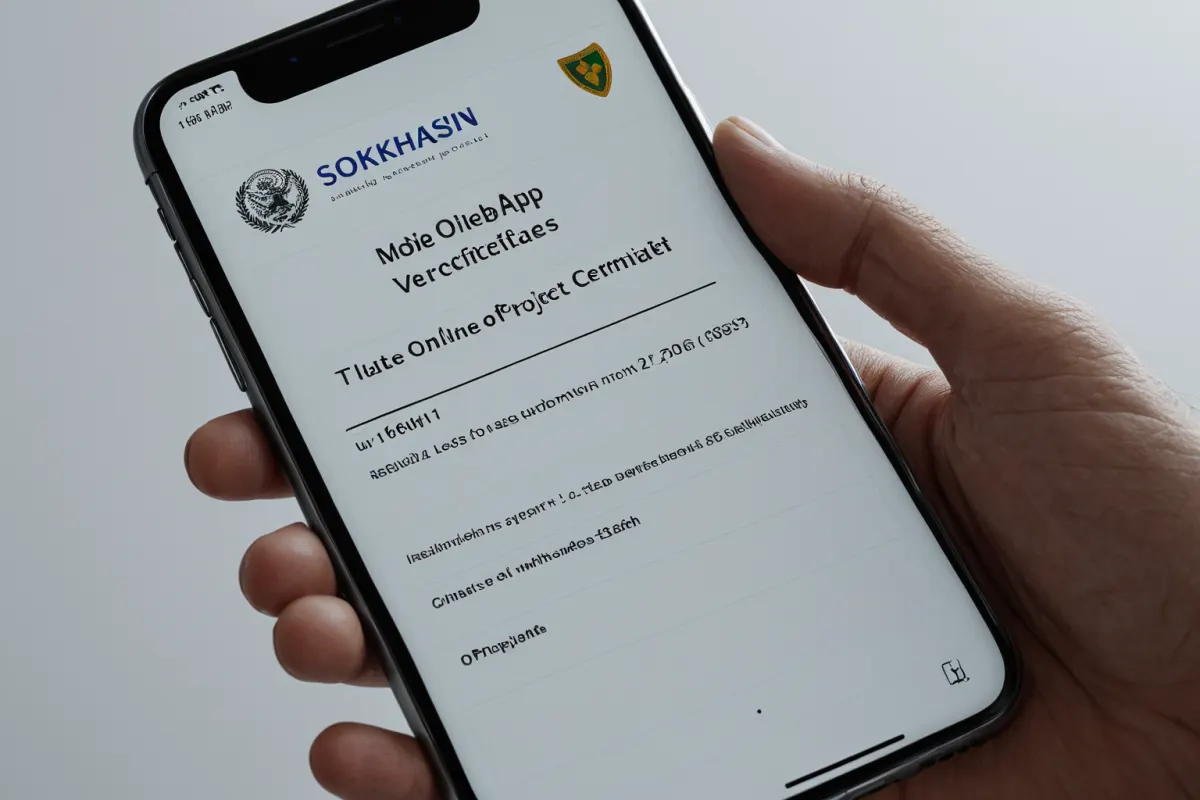
By 2026, under one of the Health and Welfare Ministry's 'Small but Certain' initiatives, an online system for issuing disability certificates for minor children will be introduced, simplifying the application process. Currently, you must obtain a paper certificate through written application, but after 2026, it will be possible to verify directly via mobile devices.
Common Cases of Omitted Deductions in Year-End Tax Adjustments
Omission of disability deductions during year-end tax adjustments is the most common failure. According to 2023 tax office statistics, about 45% of applications missed the deduction eligibility criteria. Common errors include:
First, if the welfare card was issued after December 31 (the year-end tax adjustment deadline), it will not qualify for the deduction. Second, when reporting hearing aid costs on personal income tax forms, listing them as 'living expenses' instead of 'medical expenses.' Third, forgetting to submit a disability certificate separately from the welfare card.
Deduction Eligibility and Document Preparation
The disability special deduction applies to individuals aged 18 or older with disabilities rated Level 1-3. The maximum annual deduction is fixed at 1.5 million won, regardless of disability level. However, medical expenses (including hearing aids) can be claimed separately.
Key points to check when preparing documents:
- The disability welfare card must specify 'financial card type.'
- Hearing aid receipts must clearly state 'medical device' with accurate purchase date and amount.
- A copy of the disability certificate and welfare card must be submitted together.
After the 2023 tax law amendment, the Ministry of Health and Welfare has been implementing 25 initiatives under its 'Small but Certain' administrative reform project to simplify the disability deduction application process. Key efforts include developing online systems and strengthening welfare card information integration.
How to Respond When Deduction Is Omitted
If you discover a missed deduction after year-end tax adjustment, you can submit a correction form at your local tax office by May of the following year. According to 2023 tax office data, 78% of omitted cases were resolved within this period.
Required documents for correction include:
- A copy of the disability welfare card (confirming financial card type).
- The hearing aid purchase receipt (showing 'medical device' designation).
- The year-end tax adjustment correction form.
If any of these are missing, your reapplication may be rejected. Be sure to include all required documents.
By 2026, the online disability certificate system for minor children will greatly simplify applications for families with teenagers who have disabilities. Currently, you must obtain a paper certificate and submit it to the tax office; afterward, verification will be possible directly via mobile devices.
Key Information to Verify
The most important factors when applying for disability special deduction are the type of welfare card and eligibility criteria. Be sure to confirm whether you have a financial card-type card, how your hearing aid receipt is labeled, and whether you submitted the disability certificate.
By 2026, under the 'Small but Certain' initiative, an online system for issuing disability certificates for minor children will be introduced. This will make family applications much easier, especially for households with disabled teenagers.
The deduction limit is fixed at 1.5 million won per year regardless of disability level. However, hearing aid costs can be claimed separately, so the 'medical device' label on receipts is essential.
Frequently Asked Questions
How should I report hearing aid purchase costs during year-end tax adjustment?
Hearing aids are classified as medical devices and included in special deductions. If your receipt indicates 'medical device,' you must list them under the 'medical expenses' category when submitting to the tax office.
Is a deduction possible if my welfare card was issued after the year-end tax adjustment deadline?
No. If the welfare card was issued after December 31, it will not qualify for that year's deduction. You must obtain the card by at least December 30.
How do I apply if my minor child has a disability?
After 2026, with the online system launch, applications will be simplified. Currently, you must obtain a written disability certificate from your local government office and submit it to the tax office.
Frequently Asked Questions
The majority of failed disability special deduction applications stem from errors in welfare card types and missing eligibility criteria. Be sure to confirm financial card type issuance, proper labeling on hearing aid receipts, and submission of the disability certificate. By 2026, an online system for issuing disability certificates for minor children will make the application process much more convenient.
Since tax policies change annually, it's important to check with your local tax office or the National Pension Service website for the latest information. For questions about welfare card issuance, contact your local government's disability welfare office directly.
You can view similar articles in one place.
View Related ArticlesFAQ
How should I report hearing aid purchase costs during year-end tax adjustment?
Hearing aids are classified as medical devices and included in special deductions. If your receipt indicates 'medical device,' you must list them under the 'medical expenses' category when submitting to the tax office.
Is a deduction possible if my welfare card was issued after the year-end tax adjustment deadline?
No. If the welfare card was issued after December 31, it will not qualify for that year's deduction. You must obtain the card by at least December 30.
How do I apply if my minor child has a disability?
After 2026, with the online system launch, applications will be simplified. Currently, you must obtain a written disability certificate from your local government office and submit it to the tax office.
Korean Source
This article is an English localization of a Korean-language report from BlogScore. Original: 장애인 특별공제 신청 실패 사례와 해결 방법