
Common Mistakes for First-Time Airfare Bookers on Budget Airlines
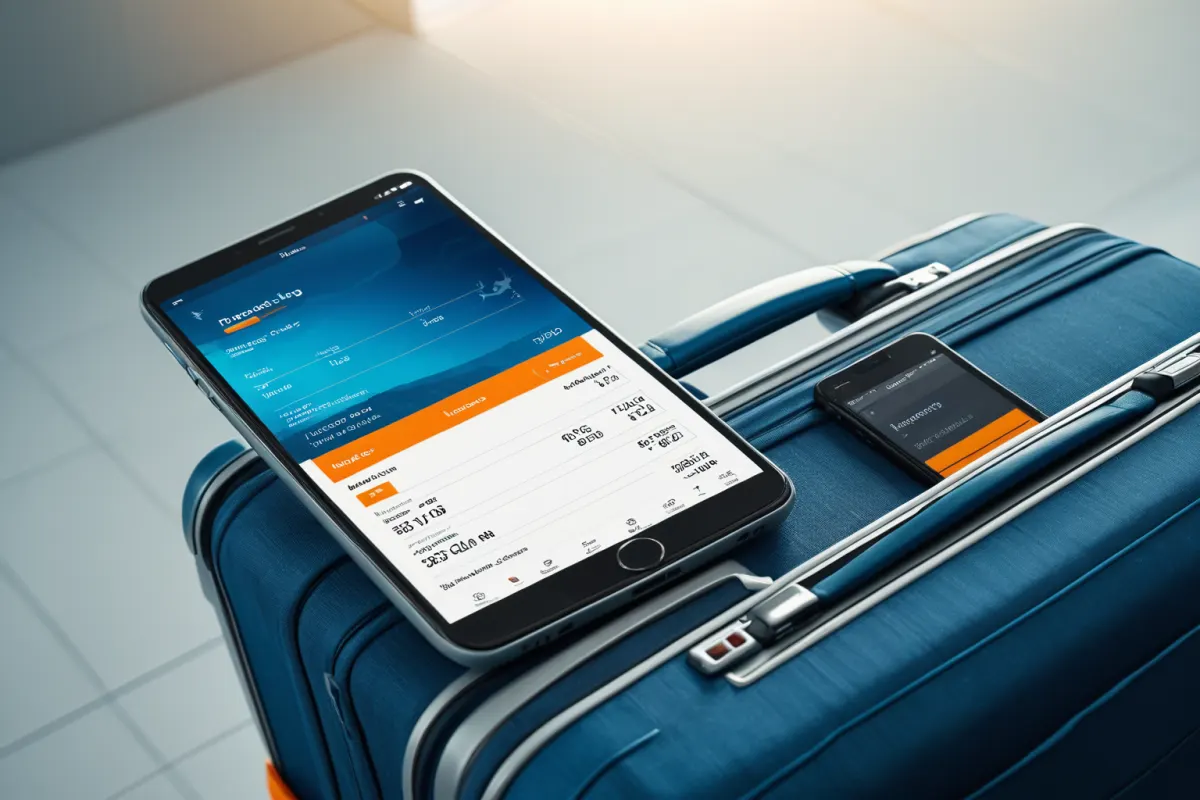
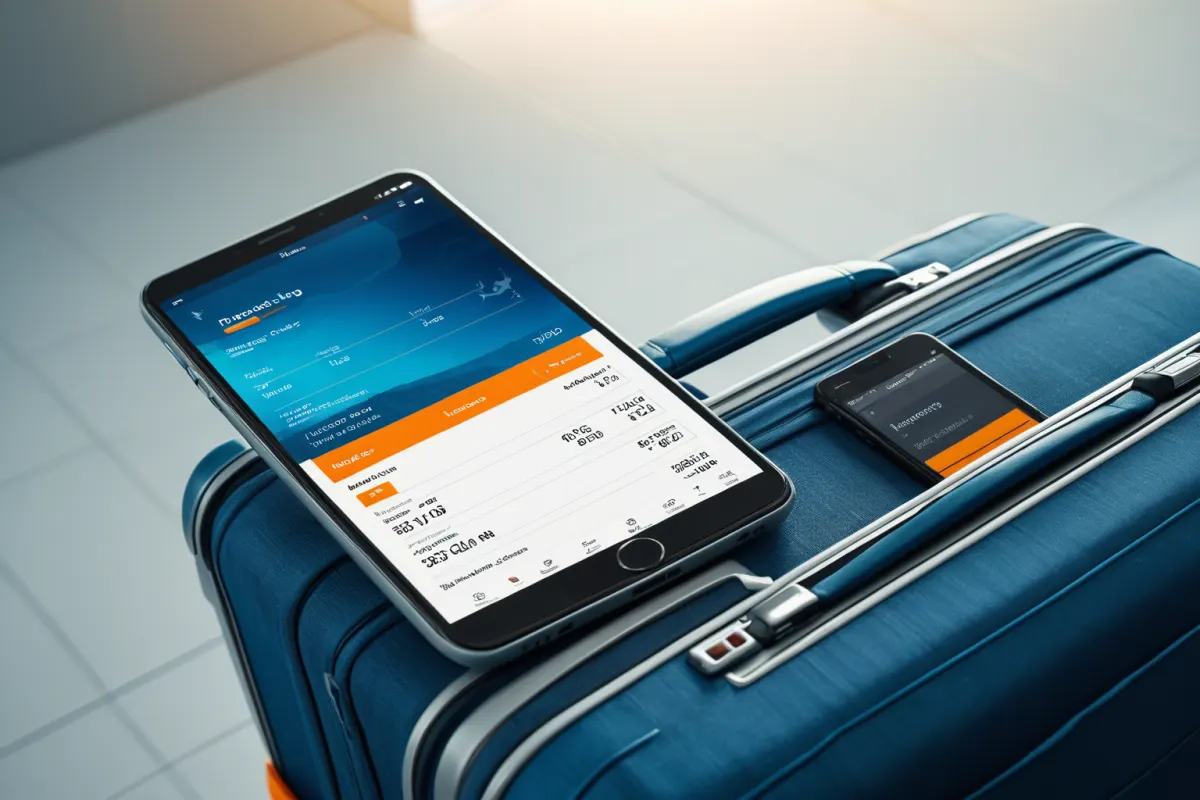
Budget airlines may seem cheap at first glance, but many passengers end up paying more due to overlooked baggage policies, seat selection, travel times, and refund rules. The key mistake is focusing solely on the base fare without considering the final price and change conditions.
Especially for those new to booking flights, it's easy to assume that as long as the departure time matches their schedule, everything else will be fine. However, small differences in budget airline terms can directly impact your total cost. Before booking, it’s crucial to verify rules that fit your itinerary rather than just comparing prices.
Why You Shouldn't Just Look at Base Fares
Budget airlines often have low base fares but limited included services. Additional costs for carry-on baggage restrictions, checked luggage fees, seat selection, and processing charges can significantly increase the final price.
For example, a ticket listed as 90,000 won may cost up to 130,000 won at checkout. Even if it seems like a great deal, comparing only the displayed price could lead you to pay more than necessary.
Think of the process before clicking "Book Now" as part of your comparison. Skipping these optional add-ons can easily result in costly booking mistakes.
Find more articles on similar topics all in one place.
View Related ArticlesThe Top Booking Mistake: Confusing Baggage Rules
One of the most common errors is mixing up what counts as carry-on luggage versus free checked baggage. Budget airlines often have different rules for international and domestic flights, with strict weight and size limits.
For instance, a ticket including only 7kg of carry-on baggage might require an extra fee if your suitcase weighs 8kg. Simply weighing your luggage at home before departure can prevent this issue.
If you plan to shop during your trip—even on short trips—consider booking checked baggage upfront. While the base fare may seem cheaper, added fees could make it more expensive overall.
Seat Selection Fees Can Add Up
Many budget airlines automatically assign seats, and choosing specific seats often incurs an extra fee. Window seats, front-row seats, or emergency exit rows are usually paid options.
If traveling with family or friends who need to sit together, factor in seat selection costs early. While it might seem minor—just a few thousand won per person—the total for round-trip travel can add up significantly.
For example, a family of three booking seats for both directions could face additional charges on top of the ticket price. Always check whether your chosen fare includes seat selection before finalizing your purchase.
Why Refund and Change Policies Matter
Budget airlines often have strict refund and change policies due to their deep discounts. Assuming you can cancel without cost after booking a cheap ticket is risky—fees may end up being higher than expected.
If your schedule might shift, review both the change fee and any price difference for new dates. Even minor time changes on the same day can affect pricing, potentially adding unexpected costs.
For instance, changing flights just one day before departure could require paying both a change fee and the difference between the new and old ticket prices. If your schedule isn’t fixed yet, it’s safer to avoid choosing only the cheapest option.
Why Discounted Tickets Aren't Always the Cheapest
Discounted or "last-minute" tickets can be tempting but may not offer the best value if they don’t match your preferred travel times or routes. You might face multiple layovers, early morning departures, or inconvenient return schedules.
Paying only attention to price without considering timing could lead to higher overall costs due to added accommodation or transportation expenses. This is especially true for short trips where arrival and departure times can affect most of your travel experience.
For example, arriving late on the first day might mean you miss out on a full day in your destination. Conversely, an early morning return flight requires planning around hotel checkout and transport logistics.
Essential Checklist Before Booking
To avoid unnecessary extra costs, review these items before comparing prices:
- Included carry-on vs. checked baggage options
- Seat selection fees
- Change and refund policies
- Departure and arrival times
- Whether multiple airports serve the destination city
For example, cities like Tokyo with multiple airports can affect travel time significantly. A cheaper ticket might not be worth it if added transportation costs outweigh savings.
International flights also require careful attention to layover times. New travelers often think short layovers are efficient but may overlook risks from immigration checks or airport transfers.
Real-Life Booking Mistakes
A common error is booking one-way tickets without checking the return fare. A ticket might look cheap for departure, but the return leg could be much more expensive—often discovered too late.
Another frequent mistake is only checking carry-on baggage rules before packing. Returning with shopping items can lead to extra fees at the airport, ruining your last-day travel mood.
For instance, a 2-night trip to Japan might seem light on departure day, but returning with souvenirs and purchases could require paying checked luggage fees if not accounted for in advance.
How to Choose Budget Airlines Smartly
The best approach is to consider both total cost and convenience that fits your travel style. If prices are similar, a ticket including baggage might be better. For tight schedules, flights with convenient times may offer more value.
After booking once, you’ll quickly understand why travelers say not to focus only on the ticket price. Airfare isn’t just about finding the cheapest option—it’s about matching your travel needs and preferences.
At first glance, it might seem complicated, but with a few comparisons, patterns emerge. Soon, distinguishing between genuine deals and inflated prices becomes easier.
Last-Check Before Booking
Before finalizing payment, double-check five key points: price, baggage policy, seat selection, change conditions, and flight times. Avoiding these five pitfalls will help new travelers avoid major mistakes.
Budget airlines often hide extra costs in the final step—so don’t assume what you see on screen is the total cost. Taking time to review carefully can save money compared to rushing through the booking process.
For those unfamiliar with travel, it’s important to prioritize hidden conditions over seemingly free benefits. A single mistake during booking could disrupt your entire trip.
Frequently Asked Questions
Q1: Are budget airline tickets always cheaper?
No. When including baggage fees, seat selection, and change charges, they can cost as much or more than regular airlines.
Q2: What’s the easiest way to avoid booking mistakes?
Check the total price and baggage inclusion before paying. Then review refund and change policies.
Q3: Are discounted tickets good for beginners?
If your schedule is fixed and travel times suit you, they can be fine. However, if conditions are unclear, extra fees may apply—so careful checking is essential.
Always confirm the latest terms with the airline before booking, as baggage policies and fees frequently change by carrier and route.
Continue reading articles on similar topics.
View Category ArticlesFAQ
Are budget airline tickets always cheaper?
No. When including baggage fees, seat selection, and change charges, they can cost as much or more than regular airlines.
What's the easiest way to avoid booking mistakes?
Check the total price and baggage inclusion before paying. Then review refund and change policies.
Are discounted tickets good for beginners?
If your schedule is fixed and travel times suit you, they can be fine. However, if conditions are unclear, extra fees may apply—so careful checking is essential.
Korean Source
This article is an English localization of a Korean-language report from BlogScore. Original: 항공권예매 초보가 자주 하는 실수, 저비용항공사 기준