
Common Issues and Solutions in Single-Family Home Construction Reviews
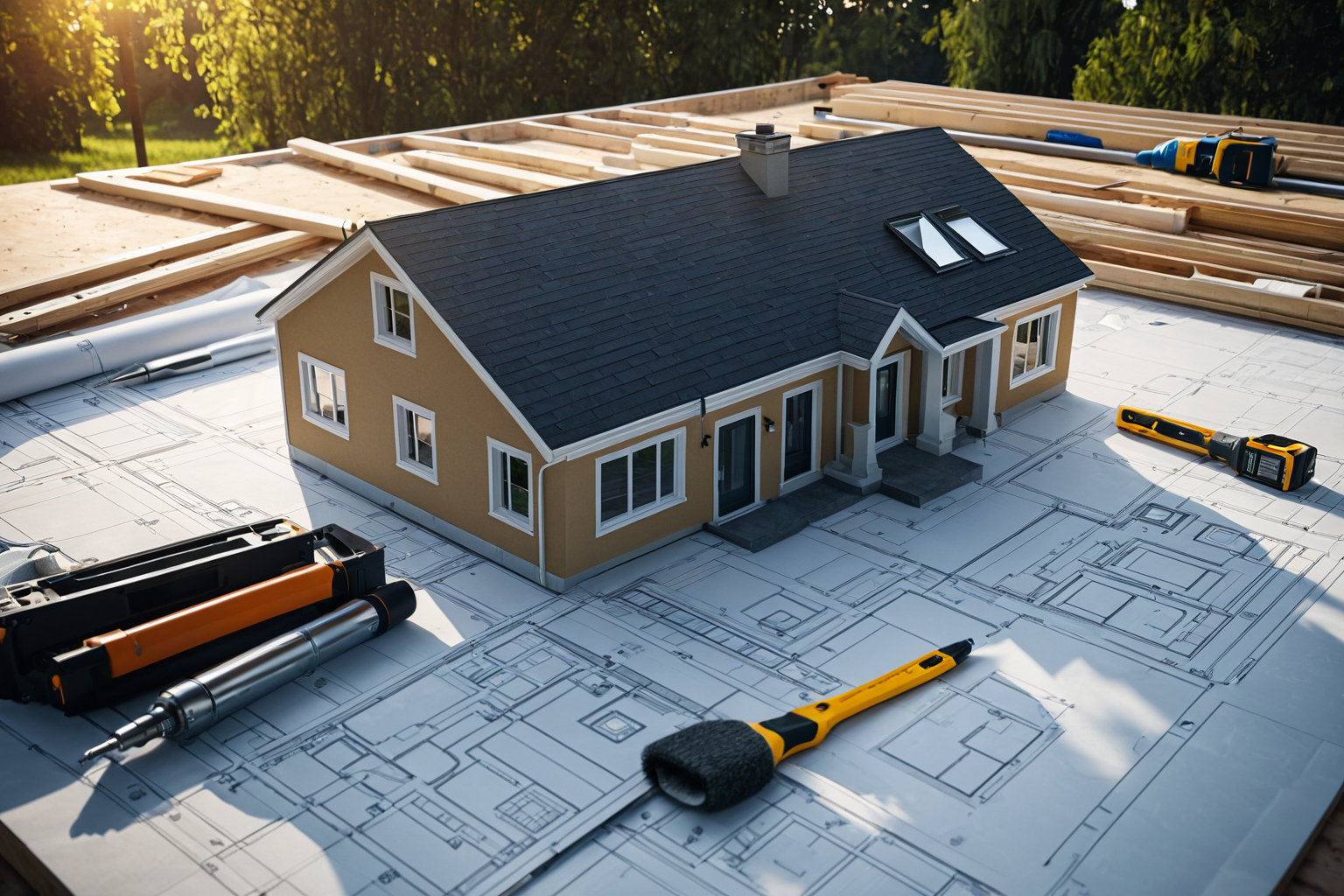
Looking through single-family home construction reviews reveals more than just satisfaction stories—it often includes challenges like delayed schedules, unexpected quality issues, or higher-than-expected costs. For first-time homeowners, these concerns may seem overwhelming, but understanding common problems beforehand allows for better preparation.
This article breaks down recurring issues in single-family home construction reviews and offers clear solutions, making it easier for beginners to navigate the process. Whether you're planning a new home or researching rural housing projects, this guide will help you avoid common pitfalls.
Understanding Key Issues in Single-Family Home Construction Reviews
The most frequently mentioned problems in these reviews fall into three main categories: construction delays, budget overruns, and inconsistent finishing quality. While they may appear separate, these issues often interconnect. For example, delayed material delivery can push back the schedule, leading to additional labor costs.
New homeowners might wonder why so many variables exist when building a house. The answer lies in the fact that single-family home construction isn't like factory production—it depends on site conditions, design choices, material selection, and contractor expertise. Therefore, it's important not just to look at satisfaction ratings but also to understand what challenges occurred and how they were resolved.
When reviewing budget estimates, don't focus solely on the main construction costs—also consider additional expenses like site preparation, electrical work, plumbing connections, landscaping, furniture, and exterior finishes. Costs can vary significantly by region and time period, so checking official sources or relevant government websites for current data is recommended.
Reducing Budget Overruns Through Detailed Estimate Review
Budget concerns are the most sensitive topic in construction reviews. Many homeowners report spending more than initially estimated, often due to vague inclusion terms in quotes. For instance, if items like windows, heating systems, exterior materials, decks, fences, or landscaping aren't clearly listed, unexpected costs may arise later.
A solution is to review the estimate line by line before signing. If a quote mentions "reinforced concrete structure 1st type" without details, ask what's included. To make it clearer for beginners, ask directly: "How much would this cost if not included?" It’s also helpful to get answers in writing via email or text for future reference.
For example, two similar-sized homes might have different costs based on roof design, window count, and exterior finishes. Even if the basic structure looks alike, differences in materials or window grades can significantly impact construction costs. Always compare detailed specifications rather than just total prices.
Minimizing Schedule Delays Through Clear Process Planning
The second most common complaint in construction reviews is project delays. While weather or material shortages contribute to this, poor coordination between work stages often plays a larger role. For instance, if carpentry takes longer than expected, it can delay electrical work, plumbing, painting, and finishing tasks.
To reduce such issues, request a detailed schedule before starting construction. A process plan should outline what will be done at each stage and when inspections are needed. Beginners can ask for weekly updates on progress with photos to track the project without frequent site visits.
Also, confirm lead times for key materials early. Items like custom windows or prefabricated bathrooms require time to manufacture, so delays here can affect the entire timeline.
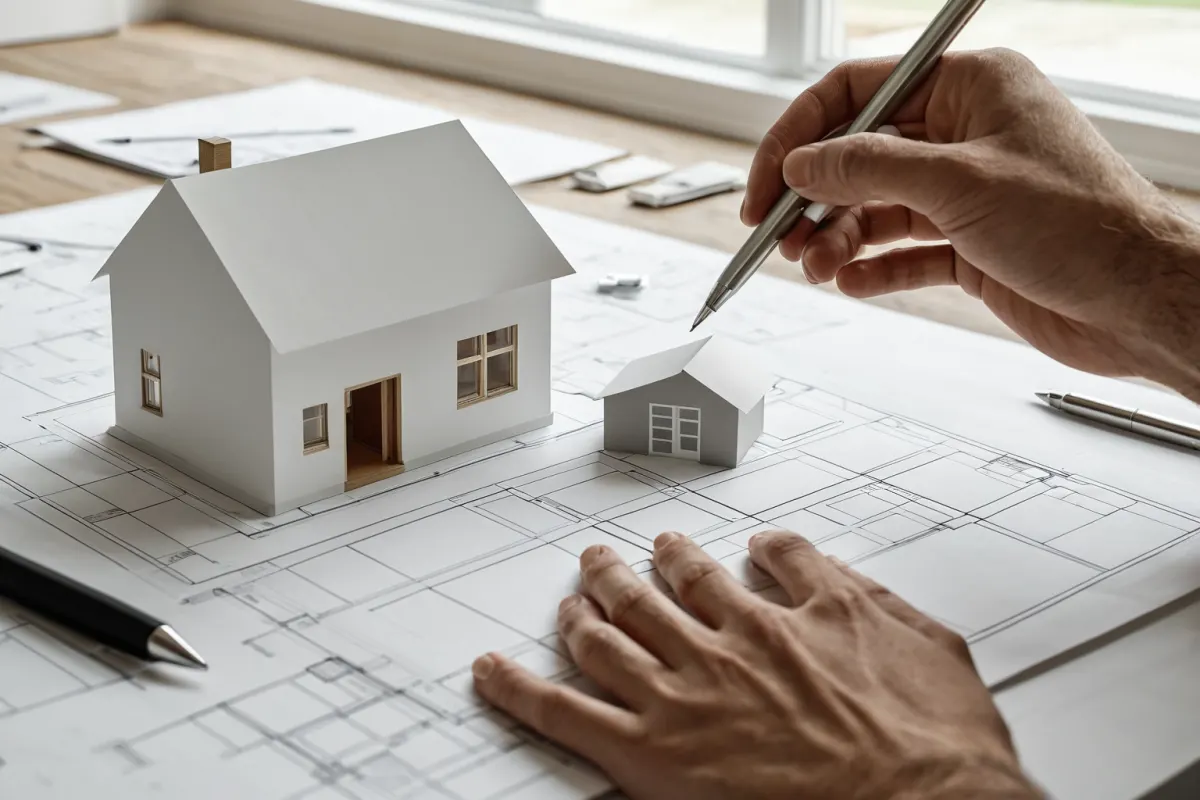
Improving Finishing Quality Through Sample Checks and On-Site Inspections
A common issue in reviews is inconsistent finishing quality—things like wall cracks, uneven tile grout lines, paint stains, or misaligned door frames often become noticeable only after moving in. These small issues can significantly affect daily living satisfaction.
To address this, don't just look at material samples; check real construction examples before making decisions. For instance, the same tile may appear different under various lighting conditions. Paint finishes also vary based on gloss level, texture, and maintenance requirements. If possible, visit the site during construction to inspect unfinished work and take photos of areas needing adjustments.
Before moving in, create a checklist covering door functionality, window operation, drainage efficiency, outlet placement relative to daily routines, and wall/floor finishes. These simple checks can prevent future frustrations like "Why isn't there an outlet here?" after move-in day.
Avoiding Common Mistakes: Pay Attention to Contracts and Documentation
Many homeowners focus only on design or floor plans when signing contracts, overlooking the fine print. However, most disputes arise from unclear contract terms regarding scope, material quality, or defect resolution. Oral agreements often fade with time, so always get details in writing.
Another common mistake is assuming contractors will handle everything without oversight. While professionals know their craft, homeowners must understand basic concepts like structure, insulation, waterproofing, windows, and utilities to spot potential issues early.
For example, simply thinking "good insulation is better" isn't enough. You need to know which insulation material is used, whether there are gaps in certain areas, and how air sealing is handled—especially to prevent moisture buildup and high heating bills in winter. Always refer to current standards from official sources or relevant regulations.
Practical Steps: Build a Question List and Keep On-Site Records
Reading construction reviews alone won't help much—you need to act on the insights. Start by creating a list of questions for consultations and before construction begins, such as "What's included in the estimate?", "When might additional costs occur?" or "How long is defect resolution covered?".
Maintaining records at the site is equally important. Note dates, take photos, and jot down brief descriptions to help identify issues later. For example, if cracks appear, knowing when they first appeared can determine whether it's natural aging or a construction flaw. Even basic smartphone notes are sufficient for beginners.
Additionally, projects in specific regions like rural areas or places with unique climate conditions (e.g., high winds, humidity, steep terrain) require special considerations. Always look for reviews that match your property’s characteristics before making decisions.
Conclusion: Proactive Checks Lead to Greater Satisfaction
Most issues in construction reviews stem not from unpredictability but from insufficient verification. By reviewing budget line by line, tracking schedule through detailed plans, and inspecting quality via samples and site visits, you can significantly reduce common problems. Building a home is a major project where small checks make a big difference.
New homeowners don't need to know everything upfront—they just need to develop habits of asking questions, keeping records, and comparing options. While single-family construction may seem complex, focusing on key areas ensures smoother progress. Always verify current regulations, costs, and permits through official channels as these change over time.
FAQ: Common Questions from First-Time Homeowners
Q1. What should I prioritize when reading single-family home construction reviews?
A. Look beyond the overall rating to understand problem causes and solutions. Knowing why delays, extra costs, or finish issues occurred helps apply those insights to your situation.
Q2. How can I reduce single-family home construction costs?
A. Focus on checking what's included in the estimate rather than cutting structure or size. Pay special attention to exterior finishes, windows, utilities, and landscaping—these often lead to unexpected expenses.
Q3. What should I check before moving into my new home?
A. Verify door and window operation, drainage conditions, signs of leaks, outlet placement relative to your daily routine, and wall/floor finishes. Small issues noticed early prevent future frustrations.
Disclaimer: This content is for general informational purposes only. Actual construction costs, permits, and regulations vary by region and time period. Always consult official websites and experts before signing contracts.
FAQ
What should I prioritize when reading single-family home construction reviews?
Look beyond the overall rating to understand problem causes and solutions. Knowing why delays, extra costs, or finish issues occurred helps apply those insights to your situation.
How can I reduce single-family home construction costs?
Focus on checking what's included in the estimate rather than cutting structure or size. Pay special attention to exterior finishes, windows, utilities, and landscaping—these often lead to unexpected expenses.
What should I check before moving into my new home?
Verify door and window operation, drainage conditions, signs of leaks, outlet placement relative to your daily routine, and wall/floor finishes. Small issues noticed early prevent future frustrations.
Korean Source
This article is an English localization of a Korean-language report from BlogScore. Original: 단독주택 시공 후기에서 자주 나오는 문제와 해결 방법