
Climate Change and the Nationwide Marine Heatwave Crisis in South Korea
Nationwide Marine Heatwave Phenomenon
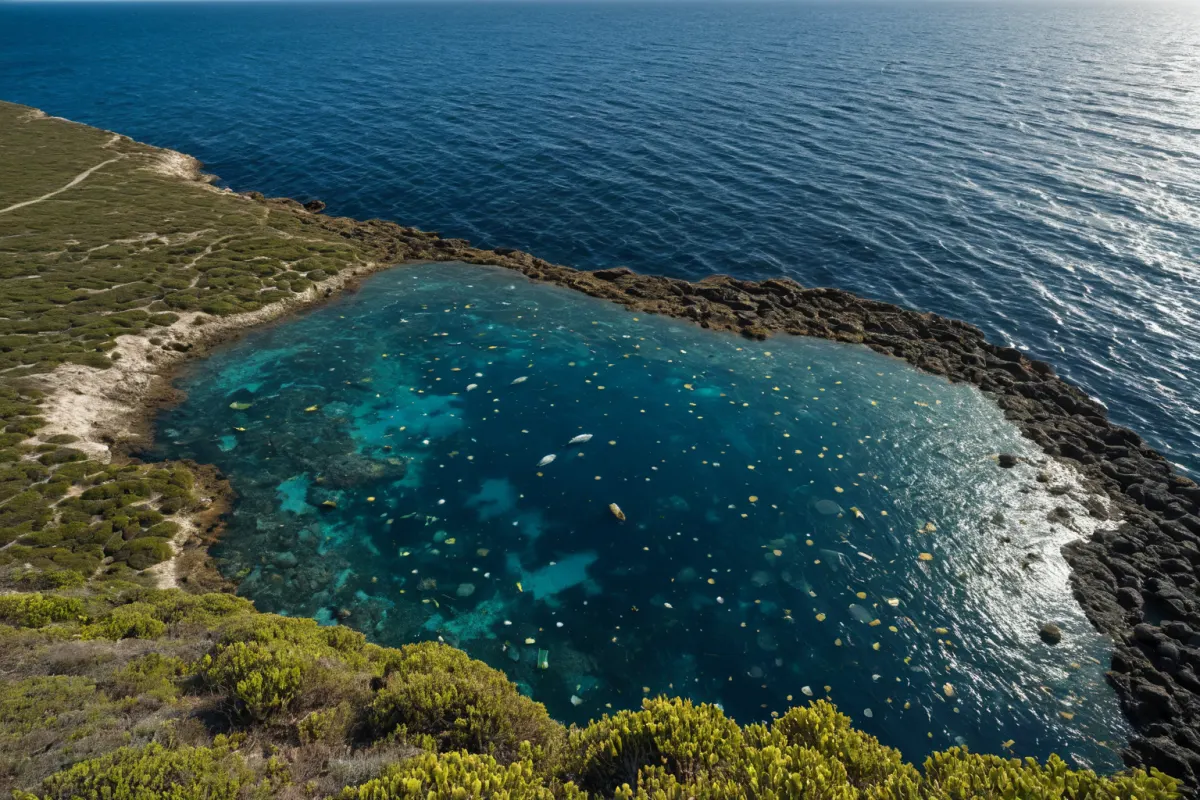
Rising sea temperatures driven by climate change are causing severe damage across South Korea's coastal waters. In regions like Gyeongnam and Ganghwa County, aquaculture facilities have been damaged due to temperature spikes, prompting emergency responses from government agencies and fishing cooperatives. Over the past five years, 23.23 billion won in damages have been recorded, though adaptive species development remains uncommercialized.
Major Damage Cases and Responses
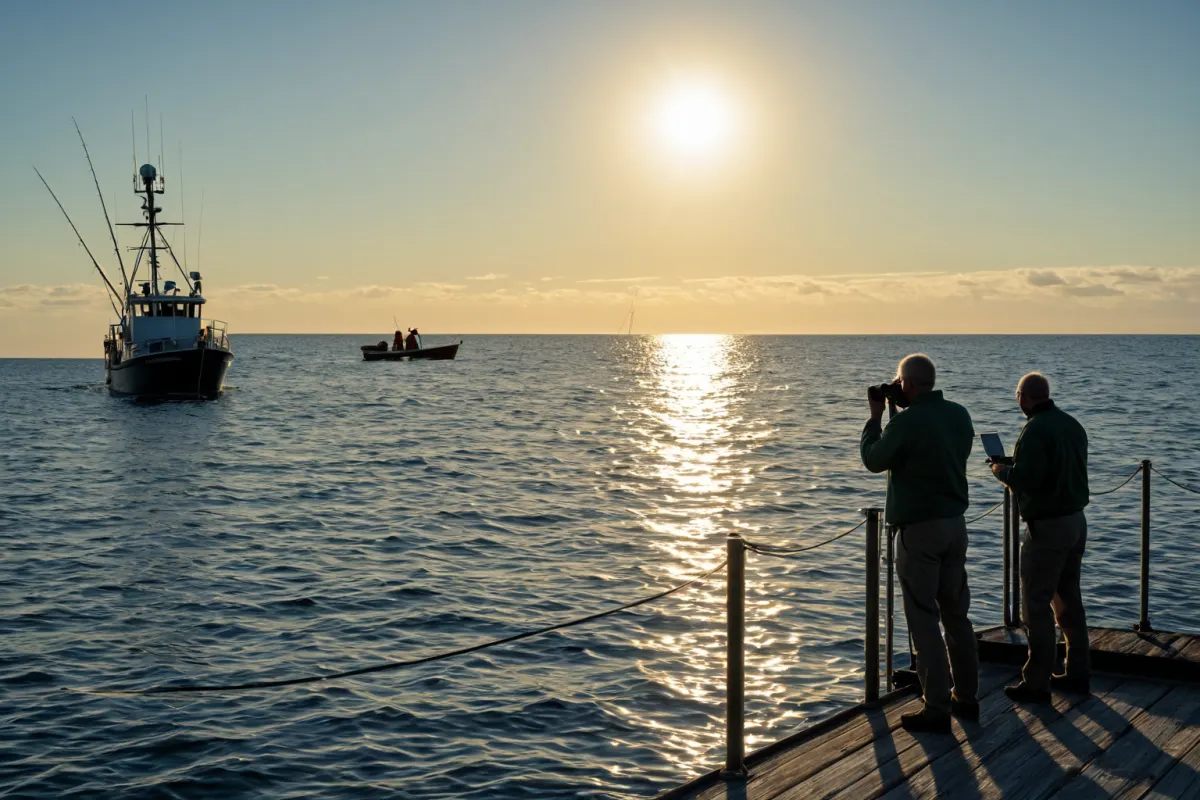
A marine heatwave emergency was declared on August 11, 2026, in the Gyeongnam region to minimize aquaculture losses from rising temperatures. In Ganghwa County, sea temperatures reached 34.5°C on August 9, 2026, triggering immediate action by local fishermen and authorities.
On August 5, 2026, nationwide marine heatwaves caused significant disruptions to fisheries, including the disappearance of mackerel stocks. In Gwangju, South Jeolla Province, emergency fish releases were conducted on the same day to mitigate losses. On August 6, 2026, Chairman No Dong-jin of the Korea Fishery Cooperative Central Association inspected aquaculture facilities in Jeju Island to lead heatwave response efforts.
Climate Change and Marine Heatwaves
Marine heatwaves (oceanic heatwaves) are closely tied to nationwide rising sea temperatures caused by climate change. Media coverage of this issue began on June 5, 2026, with the phenomenon progressing at twice the rate of global average warming. Jeju waters have particularly warmed rapidly, threatening local fisheries.
Jeju's warmer seas have necessitated replacing yellowtail aquaculture species, as reported by Headline Jeju on July 4, 2025. On August 5, 2026, Headline Jeju also covered enhanced monitoring systems for abnormal sea conditions in Jeju waters.
Research and Policy Collaboration
Marine satellite monitoring of high-temperature phenomena began on June 7, 2021. A November 18, 2024 report predicted intensification by 2040. Field investigations in July 2025 confirmed severe conditions in the South Sea region. On November 18, 2024, the National Institute of Marine Science and Technology (NIMST) and Seoul University signed a memorandum of understanding on climate change response strategies.
Social costs from climate crises increase twofold when accounting for marine ecosystem damage. Microbial shifts due to high temperatures signal ecological changes, with traditional fish species like yellowtail being replaced by others in the industry. By 2040, South Sea heatwaves are expected to worsen.
Jeju Coral Reefs and Ecosystem Collapse
A September 18, 2025 report noted that Korea's temperature rise rate is twice the global average, with a potential 7°C increase by 2100. In Jeju coral reefs ('boiling water' heatwaves), ecosystems are collapsing, leading to increased sightings of unrecorded fish species.
Mussel (멍게) losses were estimated at 4 billion won in October 2024—up from a previous 1.2 billion won estimate—as white coral and 'Nemo' fish disappear, disrupting marine symbiotic systems. This highlights the severe ecological impact of rising sea temperatures.
Response Strategies and Future Outlook
Strengthening monitoring systems and fostering collaboration among technology, policy, and consumer sectors are critical for addressing heatwaves. Climate crisis response policies for fisheries must be developed urgently. While adaptive species development remains uncommercialized after five years of 23.23 billion won in investments, future research is planned.
By 2040, South Sea heatwaves are projected to intensify, making ecosystem adaptation and industry restructuring essential. Further expansion of research collaboration and policy support is required for climate change response efforts.
Key Facts to Verify
Nationwide marine heatwaves have caused 23.23 billion won in damage over five years, with adaptive species development still uncommercialized. Jeju waters require replacing yellowtail aquaculture, and South Sea heatwaves are expected to worsen by 2040.
Mussel (멍게) losses were estimated at 4 billion won—up from a prior 1.2 billion won estimate. Korea's temperature rise rate is twice the global average, with a potential 7°C increase by 2100.
Frequently Asked Questions
How do marine heatwaves occur?
Marine heatwaves result from climate change-driven oceanic heatwaves, causing nationwide high sea temperatures.
What is the status of adaptive species development?
Despite 23.23 billion won invested over five years for marine heatwave damage, adaptive species remain uncommercialized.
Why are mussel losses estimated at 4 billion won?
Mussel (멍게) loss estimates rose from 1.2 billion to 4 billion won due to economic impacts on fisheries.
Frequently Asked Questions
Nationwide marine heatwaves are closely linked to climate change, causing severe damage to fisheries and ecosystems across South Korea. While governments and fishing cooperatives have initiated emergency responses in regions like Gyeongnam and Ganghwa County, adaptive species development remains uncommercialized. By 2040, South Sea heatwaves are expected to intensify, necessitating expanded research and policy support for climate adaptation.
Jeju coral reef ecosystem collapse and the 4 billion won mussel loss estimate exemplify the severity of marine heatwaves. Korea's temperature rise rate is twice the global average, with a potential 7°C increase by 2100—highlighting urgent needs for climate policy and research expansion.
Discover similar articles on this topic in one place.
View Related ArticlesFAQ
How do marine heatwaves occur?
Marine heatwaves result from climate change-driven oceanic heatwaves, causing nationwide high sea temperatures.
What is the status of adaptive species development?
Despite 23.23 billion won invested over five years for marine heatwave damage, adaptive species remain uncommercialized.
Why are mussel losses estimated at 4 billion won?
Mussel (멍게) loss estimates rose from 1.2 billion to 4 billion won due to economic impacts on fisheries.
Korean Source
This article is an English localization of a Korean-language report from BlogScore. Original: 전국 바다 고수온 현상의 기후 변화와 관련성 연구