
Chuseok Homecoming Traffic Update: Seoul to Busan Highway Congestion Begins
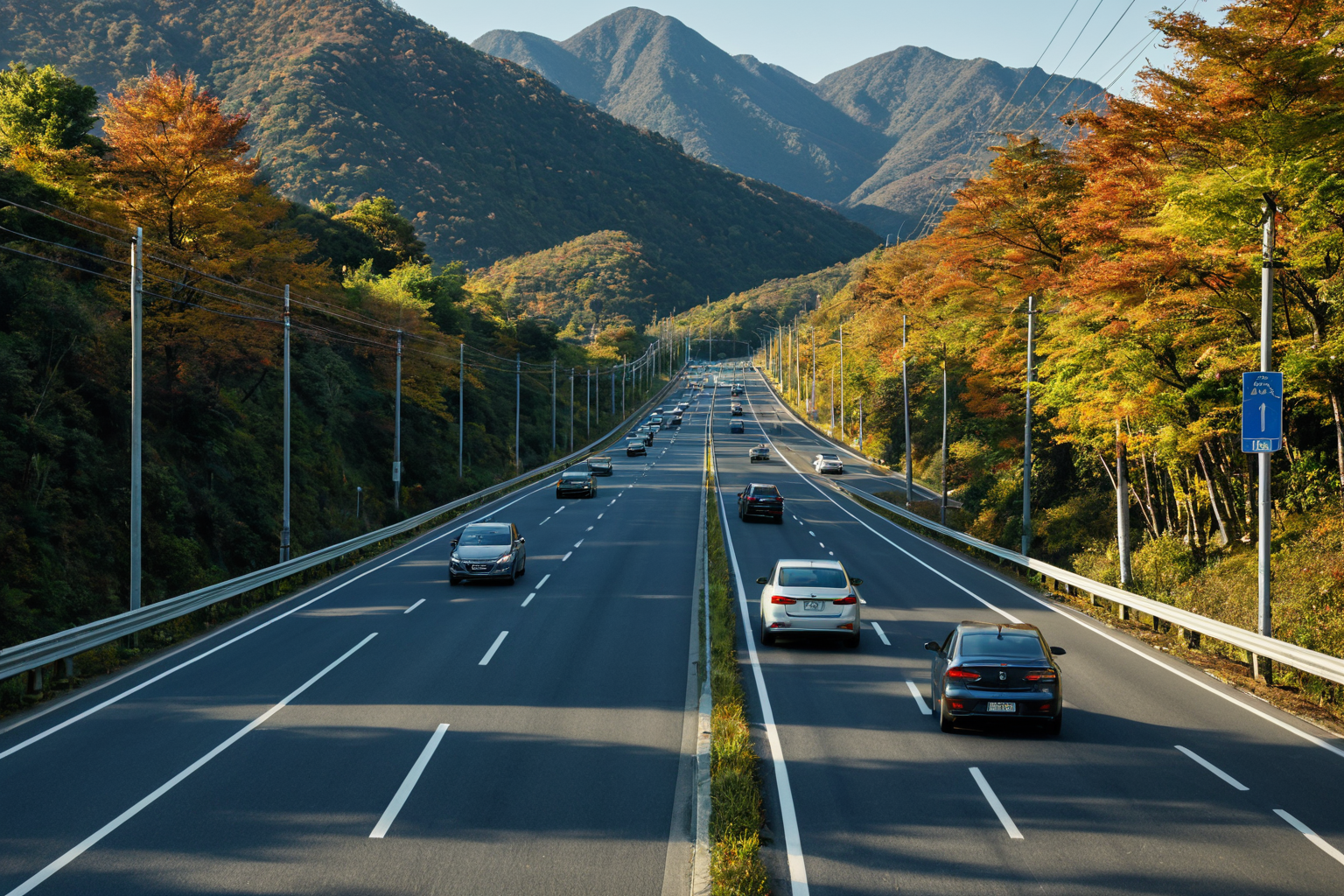
Real-Time Chuseok Homecoming Traffic Forecast
Congestion on the highway from Seoul to Busan began in the afternoon of September 23, the day before the holiday, with travel times increasing to a maximum of 10 hours and 30 minutes by 9 a.m. on September 24. The peak congestion occurred around noon on the same day, when toll-free access was implemented.
Seoul-Busan Highway Congestion Situation
Congestion started on the Seoul-Busan highway from September 23 and peaked in the afternoon. By 5 a.m. on September 24, travel time for the Seoul-to-Busan route was approximately 9 hours and 10 minutes; by 9 a.m., it had increased to a maximum of 10 hours and 30 minutes. The Seoul-to-Gwangju segment also took about 7 hours and 50 minutes at the same time.
This Chuseok homecoming traffic congestion, as expected nationwide, began on the eve of the holiday (September 23) and gradually worsened. The distance from Seoul to Busan is approximately 400 km; normally it takes about 5 hours, but this year's travel time increased due to congestion. Particularly, cities surrounding the highway such as Daejeon and Gwangju saw concentrated homecoming traffic, causing additional congestion.
Timeline of Congestion
By 5 a.m. on September 24, Seoul-to-Busan travel time was 9 hours and 10 minutes; Seoul-to-Gwangju took about 7 hours and 50 minutes. This marked the early stage of congestion starting at dawn on September 24. Congestion peaked around noon on that day. Afterward, traffic gradually eased but remained congested.
An analysis of the timing shows that the most congested period was from 5 a.m. to noon. This coincides with peak homecoming travel times, especially for those heading south toward Busan from Seoul. Around noon, when congestion peaked, additional vehicles entered from surrounding cities like Daejeon and Gwangju, worsening traffic conditions.
Cause of Congestion and Response Measures
The Chuseok homecoming congestion involved approximately 6.13 million vehicles nationwide traveling for the holiday. Starting on September 23, the Seoul-to-Busan highway became particularly congested. Toll-free access was implemented to reduce travel costs.
To manage traffic conditions, the Ministry of Land, Infrastructure and Transport and police provided real-time traffic updates and prepared additional measures. For example, they adjusted vehicle flow around highways and guided drivers toward alternate routes. In heavily congested areas, traffic management personnel were deployed to ease congestion.
How to Check Real-Time Traffic Information
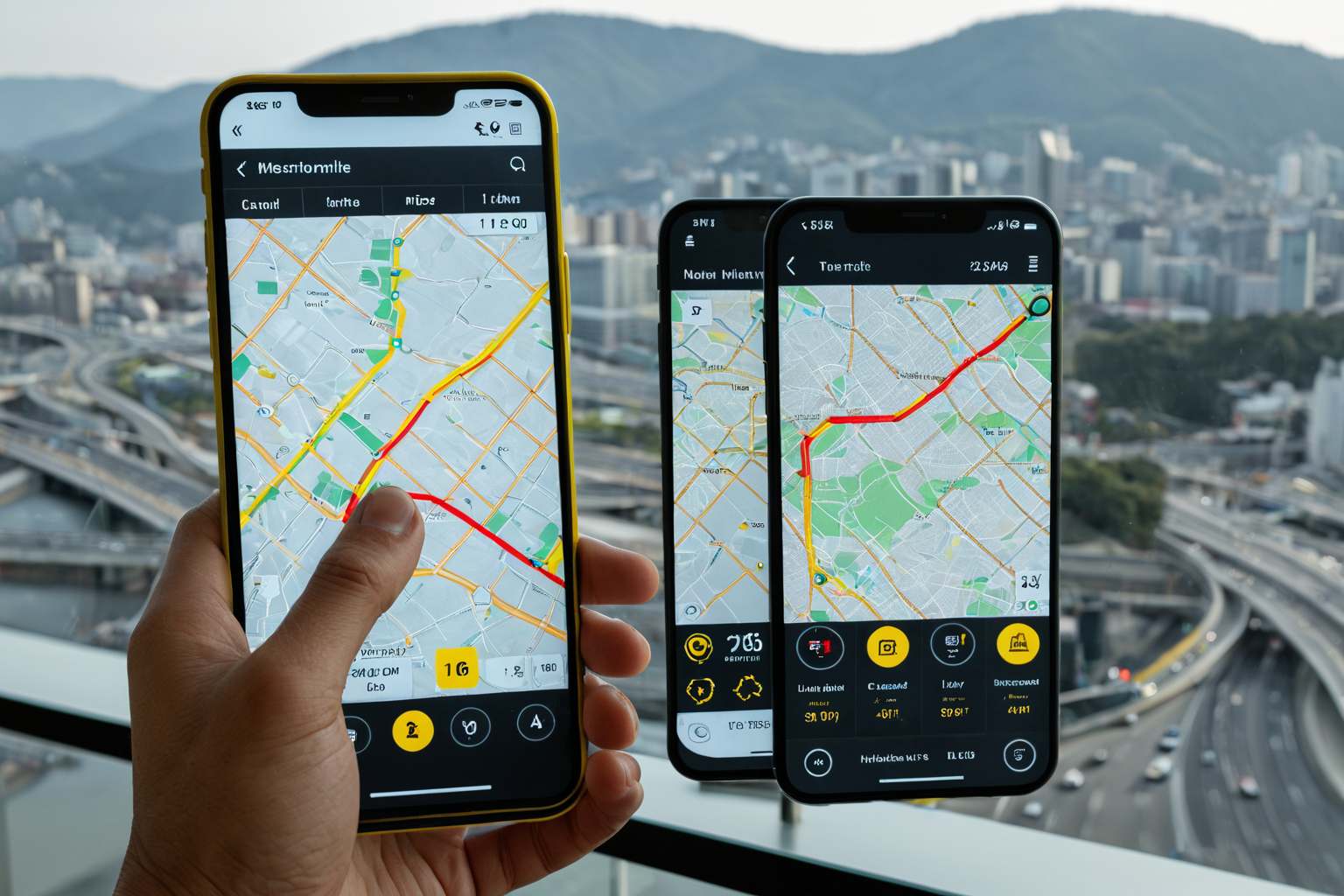
To check Chuseok homecoming traffic conditions in real time, use the National Traffic Information Center app provided by the Ministry of Land, Infrastructure and Transport or call 1588-2504. This service provides highway congestion levels, congested sections, and estimated travel times.
The National Traffic Information Center app is easily downloadable on smartphones for real-time traffic updates. You can also access live information by calling 1588-2504, making it convenient to use while traveling.
Additionally, some radio stations and online media provide live coverage of Chuseok homecoming traffic conditions, so you can refer to these sources for additional updates.
Traffic Congestion Response Strategies
After congestion began, it's advisable to adjust departure times to account for extra travel time. Especially for those traveling from Seoul to Busan, the most congested period is between 5 a.m. and noon; avoiding this window is recommended. Checking real-time traffic information can help select the optimal route.
For drivers planning their Chuseok homecoming trip, adjusting departure times in advance and accounting for additional time is important. For example, departing before 5 a.m. or after noon may help avoid congestion. Using public transportation is also an option to consider.
Key Points for Checking Chuseok Traffic Conditions
Congestion on the Seoul-Busan highway began in the afternoon of September 23 and reached up to 10 hours and 30 minutes by 9 a.m. on September 24, with peak congestion reported around noon on September 24. Real-time traffic information can be checked using the National Traffic Information Center app or phone number 1588-2504.
It's important to check highway congestion levels, congested sections, and estimated travel times when planning a Chuseok trip. Given the long distance from Seoul to Busan, it's advisable to adjust departure times in advance and choose optimal routes based on real-time information.
Frequently Asked Questions
When did congestion start on the Seoul-Busan highway?
Congestion on the Seoul-Busan highway began in the afternoon of September 23. It peaked in the morning hours of September 24.
At what time did congestion peak?
Congestion reached its peak around noon on September 24, when travel times for the Seoul-to-Busan route were reported at a maximum of 10 hours and 30 minutes.
How can I check real-time traffic information?
You can check real-time traffic conditions through the National Traffic Information Center app or by calling 1588-2504. This service provides highway congestion levels, congested sections, and estimated travel times.
You can view a collection of similar articles at once.
View Related ArticlesFAQ
When did congestion start on the Seoul-Busan highway?
Congestion on the Seoul-Busan highway began in the afternoon of September 23. It peaked in the morning hours of September 24.
At what time did congestion peak?
Congestion reached its peak around noon on September 24, when travel times for the Seoul-to-Busan route were reported at a maximum of 10 hours and 30 minutes.
How can I check real-time traffic information?
You can check real-time traffic conditions through the National Traffic Information Center app or by calling 1588-2504. This service provides highway congestion levels, congested sections, and estimated travel times.
Korean Source
This article is an English localization of a Korean-language report from BlogScore. Original: 추석 귀성길 교통 상황 실시간 예보: 서울~부산 고속도로 정체 시작