
Chungwadae Rejects Appointment of Son Bong-gi as Supreme Court Justice: Process and Current Status
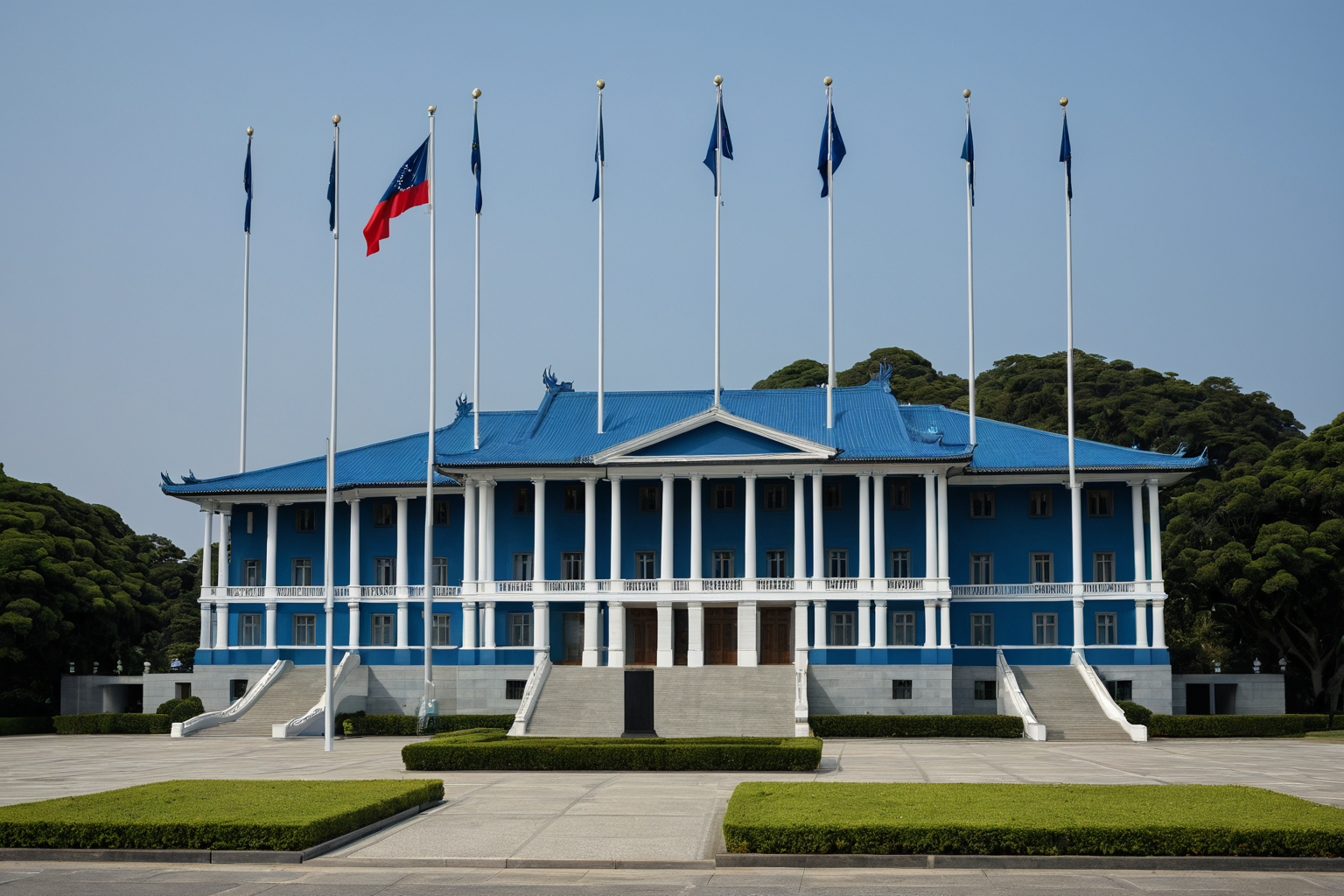
Blue House Rejects Son Bong-gi's Supreme Court Justice Nomination
The Blue House has decided not to submit Son Bong-gi's appointment recommendation to the National Assembly, instead requesting the Chief Justice of the Supreme Court to resubmit it. This marks an unprecedented case where the executive branch directly asked for a re-submission without parliamentary review, comparable to President Syngman Rhee's rejection of a Supreme Court justice candidate in 1958.
Chief Justice Jo Hee-dae expressed his intention to discuss the resubmission process while mourning his father's passing. The People Power Party criticized the Blue House decision as 'judicial shopping' and raised doubts about plans for a dedicated Supreme Court building.
This decision comes five months after the last appointment recommendation, but Son Bong-gi has been rejected, leaving a prolonged vacancy. This situation reflects an ongoing power struggle between the appointment authority and the confirmation power ahead of Supreme Court expansion.
Appointment Process and Blue House Decision
Chief Justice Jo Hee-dae submitted recommendations for Son Bong-gi and Kim Sung-su as Supreme Court justices to the National Assembly on August 18. However, the Blue House rejected this submission citing 'lack of procedural completeness' and requested a resubmission from the Chief Justice on August 28.
The Blue House appears to have judged that Jo Hee-dae's written submission undermined the fairness of the process. This is an unprecedented case where the executive branch directly asked for a resubmission without parliamentary review, comparable to President Syngman Rhee's rejection in 1958.
Minister of Justice Han Dong-hoon argued that this constitutes an infringement on parliamentary authority and proposed filing a lawsuit over the dispute. Lawmakers are considering countermeasures, labeling the Blue House decision as an 'infringement on parliamentary authority'.
Political Controversy and Public Opinion
The People Power Party criticized Son Bong-gi's rejection as 'judicial shopping' and expressed suspicion about plans for a dedicated Supreme Court building. This is interpreted as the Blue House worsening relations with the judiciary and becoming embroiled in power struggles.
The Blue House decision has intensified conflicts between the executive and legislative branches, spreading political controversy. The incident highlights new concerns about the relationship between the judiciary and government during the appointment process of Supreme Court justices.
With plans for a dedicated Supreme Court building underway, the Blue House's decision has further heightened tensions surrounding this issue. Political negotiations related to the appointment recommendation are expected to continue.
Issues in Supreme Court Expansion and Appointment Process
The Supreme Court consists of 14 justices, with recent legislative discussions about expanding its membership. This makes the appointment process for new justices increasingly important.
The appointment process involves the Chief Justice submitting a recommendation to the National Assembly, which then reviews it before approving the nomination. However, this decision has halted the process, making it likely that the vacancy will continue for over five months.
While citing 'lack of procedural completeness' as the reason for rejecting Son Bong-gi's appointment, the Blue House decision appears politically motivated. The growing conflict between the Blue House and the Supreme Court highlights the need to reconsider the relationship between judicial independence and government power.
Dispute Over Authority Between National Assembly and Blue House
The Blue House directly requesting a resubmission from the Chief Justice is seen as infringing on parliamentary authority. Minister of Justice Han Dong-hoon proposed filing a lawsuit over this dispute to formalize the conflict with parliament.
The National Assembly has labeled the Blue House decision an 'infringement on parliamentary authority' and is seeking countermeasures. This indicates that the dispute over appointment procedures could escalate into broader political conflicts.
Chief Justice Jo Hee-dae expressed his intention to discuss the resubmission process while mourning his father's passing, but if no agreement is reached between the Blue House and National Assembly, the vacancy may continue for an extended period. This would significantly disrupt normal judicial operations.
Necessity to Re-examine Relationship Between Judiciary and Government
The incident during the appointment process highlights the need to re-examine the relationship between the judiciary and government. The Blue House's direct request to the Chief Justice may blur the boundaries between judicial independence and executive power.
This case suggests that procedural improvements are needed to prevent political interference in judicial appointments, particularly given communication breakdowns between the Chief Justice and the Blue House.
With legislative discussions ongoing about expanding the Supreme Court membership, this incident could become an opportunity to redefine the relationship between the judiciary and government. However, as of now, political tensions continue, indicating a need for long-term solutions.

Status of Appointment Recommendation Process
Chief Justice Jo Hee-dae submitted Son Bong-gi and Kim Sung-su as Supreme Court justice candidates to the National Assembly on August 18, marking the first recommendation in five months amid an ongoing vacancy. However, the Blue House rejected Son Bong-gi's recommendation citing 'lack of procedural completeness' and requested a resubmission from the Chief Justice on August 28.
This is an unprecedented case where the executive branch directly asked for a resubmission without parliamentary review, comparable to President Syngman Rhee's rejection in 1958. The appointment process requires the Chief Justice to submit recommendations to parliament, which then reviews and approves the nomination. However, this decision has halted that process.
Political Controversy Related to Supreme Court Expansion
The Supreme Court consists of 14 justices, with recent legislative discussions about expanding its membership. This makes the appointment of new justices increasingly important.
The People Power Party criticized the Blue House's rejection of Son Bong-gi as 'judicial shopping' and expressed suspicion about plans for a dedicated Supreme Court building. This is interpreted as the Blue House worsening relations with the judiciary and becoming embroiled in power struggles.
Citing 'lack of procedural completeness,' the Blue House rejected Son Bong-gi's appointment recommendation, but this appears politically motivated. The growing conflict between the Blue House and the Supreme Court highlights the need to reconsider the relationship between judicial independence and government power.
Responses from National Assembly and Blue House
Minister of Justice Han Dong-hoon argued that this constitutes an infringement on parliamentary authority and proposed filing a lawsuit over the dispute. This formalizes the conflict with parliament, suggesting further political confrontation is likely.
The National Assembly has labeled the Blue House decision an 'infringement on parliamentary authority' and is seeking countermeasures. This indicates the dispute could escalate into broader political conflicts.
Chief Justice Jo Hee-dae expressed his intention to discuss the resubmission process while mourning his father's passing, but if no agreement is reached between the Blue House and National Assembly, the vacancy may continue for an extended period, significantly disrupting judicial operations.
Key Information
The Blue House rejected Son Bong-gi's appointment recommendation to the National Assembly and requested a resubmission from the Chief Justice. This decision compares to President Syngman Rhee's rejection of a Supreme Court candidate in 1958.
The People Power Party criticized the rejection as 'judicial shopping' and expressed suspicion about plans for a dedicated Supreme Court building, interpreting this as worsening relations between the Blue House and judiciary and becoming embroiled in power struggles.
Chief Justice Jo Hee-dae has indicated he will discuss the resubmission process while mourning his father's passing. This suggests that if no agreement is reached between the Blue House and National Assembly, the vacancy could continue for an extended period.
Frequently Asked Questions
Why did the Blue House reject Son Bong-gi's appointment recommendation?
The Blue House rejected Son Bong-gi's appointment recommendation citing 'lack of procedural completeness.' This appears to be based on their judgment that Chief Justice Jo Hee-dae's written submission undermined the fairness of the process.
How did the National Assembly respond to the Blue House decision?
The National Assembly labeled the Blue House decision an 'infringement on parliamentary authority,' and Minister of Justice Han Dong-hoon proposed filing a lawsuit over the dispute as a countermeasure.
Why was Son Bong-gi's appointment recommendation made after five months?
The appointment recommendation was made after five months because there had been an ongoing vacancy for over five months. Chief Justice Jo Hee-dae submitted recommendations for Son Bong-gi and Kim Sung-su to the National Assembly on August 18, but the Blue House rejected it, leaving the vacancy unresolved.
Frequently Asked Questions
The Blue House's decision has halted the appointment recommendation process, intensifying disputes between the executive and legislative branches. Son Bong-gi has been rejected, prolonging the vacancy for over five months.
This incident highlights the need for procedural improvements to prevent political interference in judicial appointments. It appears to stem from poor communication between the Chief Justice and Blue House.
With ongoing legislative discussions about expanding Supreme Court membership, this incident could become a turning point for redefining the relationship between judiciary and government. However, as of now, political tensions continue, indicating that long-term solutions are needed. If no agreement is reached between the Supreme Court and Blue House, the vacancy may worsen.
You can view similar articles on this topic in one place.
View Related ArticlesFAQ
Why did the Blue House reject Son Bong-gi's appointment recommendation?
The Blue House rejected Son Bong-gi's appointment recommendation citing 'lack of procedural completeness,' judging that Chief Justice Jo Hee-dae's written submission undermined process fairness.
How did the National Assembly respond to the Blue House decision?
The National Assembly labeled the Blue House decision an 'infringement on parliamentary authority' and Minister Han Dong-hoon proposed filing a lawsuit over the dispute.
Why was Son Bong-gi's appointment recommendation made after five months?
The appointment recommendation came after five months due to an ongoing vacancy; Chief Justice Jo Hee-dae submitted recommendations for Son Bong-gi and Kim Sung-su on August 18, but the Blue House rejected it.
Korean Source
This article is an English localization of a Korean-language report from BlogScore. Original: 손봉기 대법관 임명 제청, 국회 승인 과정과 현황