
Chungju Zoo Animal Deaths Spark Calls for Legal Reform
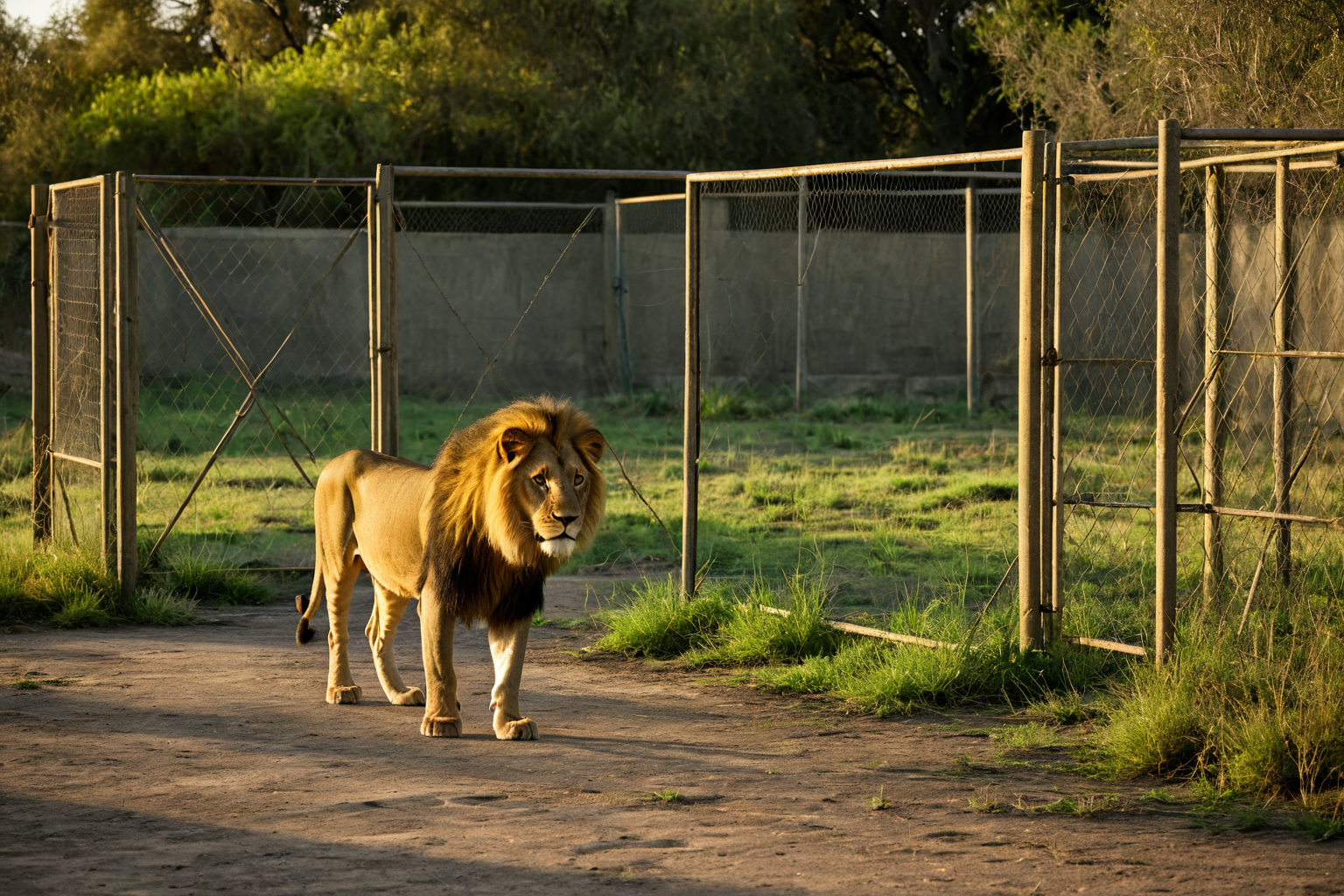
Chungju Zoo Animal Deaths and Calls for Legal Reform
The death of a lion nicknamed 'Galbi Lion' (meaning 'ribbed lion') at Chungju Zoo has intensified public debate over reforming South Korea's animal protection laws. On August 12, 2026, the lion named 'Bawami' died, following the euthanasia of a tiger named 'Hosuni' on July 9, 2026. These incidents have brought attention to management issues at the zoo, with two animal deaths reported within the past year.

Key Facts: Animal Deaths and Legal Limitations
The death of 'Bawami,' a lion known as 'Galbi Lion' at Chungju Zoo on August 12, 2026, triggered calls for legal reform. The lion had been rescued three years prior but died under questionable management conditions, sparking public concern. Additionally, on July 9, 2026, a tiger named 'Hosuni,' who had spent 20 years at the zoo, was euthanized.
On January 26, 2026, another tiger named 'Iho' died at the age of 20—the oldest in South Korea—highlighting ongoing management issues. Current laws classify abandoned animals as 'property,' making rescue difficult. Discussions are underway to shift from a registration system to a licensing system for zoos.
Incident Details: Chungju Zoo Animal Deaths
On January 26, 2026, a tiger named 'Iho' died at the age of 20 at Chungju Zoo. This was the second notable death within two years, following the euthanasia of 'Hosuni,' who had been with the zoo for 20 years and was its last tiger on July 9, 2026.
On August 12, 2026, the death of 'Bawami'—the 'Galbi Lion'—further intensified calls for reform. The lion died three years after being rescued, with reports suggesting management negligence contributed to its death.
A rescue case involving a 'ribbed lion' occurred on June 30, 2023, drawing attention to zoo management issues. Additionally, on April 2, 2024, abandoned animals at a closed zoo faced difficulties being rescued due to current laws classifying them as 'property.'
Investigation: Legal Limitations and Management Negligence
The deaths at Chungju Zoo are attributed to limitations in the current animal protection law. While zoos currently operate under a registration system, discussions are ongoing about transitioning to a licensing system. Under the registration system, regulations on animal conditions are weak, and abandoned animals are classified as 'property,' complicating rescue efforts.
On July 14, 2020, Chungju Zoo discussed abolishing price-based animal classification and establishing an ethics committee, but these measures did not yield significant results. Following the June 30, 2023, 'ribbed lion' rescue case, public awareness of zoo management issues increased.
On April 7, 2024, a report indicated that while 'Bawami' was rescued from a nearby facility, resolving issues at the closed Beunggye Zoo remains challenging. This highlights ongoing difficulties in rescuing animals abandoned after zoos close.
Response and Safety Information: Legal Reform Discussions and Management Improvements
Calls for reforming animal protection laws have intensified following the zoo incidents, with discussions underway to transition from a registration system to a licensing system. While current regulations rely on a registration process, this system has been criticized for allowing management negligence.
On December 5, 2023, reports indicated that discussions about shifting from a registration to a licensing system were ongoing as part of broader animal protection law reforms. A licensing system would strengthen oversight and help prevent future management issues.
The legal reform aims to address the current classification of abandoned animals as 'property,' which complicates rescue efforts. Additionally, there are plans to reconsider establishing an ethics committee at zoos to prevent similar incidents.
Verified Information: Public Discussion and Legal Reform Progress
Calls for animal protection law reform have grown following the deaths at Chungju Zoo, though no specific legislation has been introduced yet. The current legal issue—classifying abandoned animals as 'property'—remains unresolved, with ongoing discussions about potential solutions.
On April 2, 2024, concerns were raised about rescuing animals from a closed zoo due to insufficient legal regulation. While discussions on transitioning from registration to licensing systems are ongoing, no specific implementation date has been set.
Following the June 30, 2023, 'ribbed lion' rescue case, public interest in zoo management issues increased, but legislative changes have lagged. Continued legal reform discussions are expected, with potential announcements from relevant authorities.
Frequently Asked Questions
What is the background of 'Galbi Lion' Bawami, who died at Chungju Zoo?
'Galbi Lion' Bawami was rescued three years prior to his death on August 12, 2026. Reports indicate that management negligence contributed to his death, sparking public concern.
What is the relationship between 'Hosuni' and 'Iho'?
'Hosuni' was a tiger who spent 20 years at Chungju Zoo before being euthanized on July 9, 2026. 'Iho' was another tiger managed by the zoo who died of natural causes on January 26, 2026, at age 20—the oldest in South Korea.
Why are calls for animal protection law reform increasing?
Calls for reform are growing because current laws classify abandoned animals as 'property,' making rescue difficult. Discussions about shifting from a registration to a licensing system aim to strengthen zoo management oversight and prevent similar incidents.
Frequently Asked Questions
The deaths at Chungju Zoo, including those of 'Galbi Lion' Bawami, 'Hosuni,' and 'Iho,' have highlighted systemic issues in zoo management and legal loopholes. These cases have intensified public debate over the need for animal protection law reform.
Discussions about transitioning from a registration system to a licensing system are ongoing, aiming to strengthen oversight of zoo operations. Addressing the current legal classification of abandoned animals as 'property' is seen as crucial for improving animal welfare and preventing future incidents.
Ongoing legal reform discussions aim to prevent similar cases like those at Chungju Zoo. Overcoming the limitations in current laws is essential for better animal management and protection.
This article was written based on information available up to August 13, 2026.
You can find more articles on similar topics in one place.
View Related ArticlesFAQ
What is the background of 'Galbi Lion' Bawami, who died at Chungju Zoo?
'Galbi Lion' Bawami was rescued three years prior to his death on August 12, 2026. Reports indicate that management negligence contributed to his death, sparking public concern.
What is the relationship between 'Hosuni' and 'Iho'?
'Hosuni' was a tiger who spent 20 years at Chungju Zoo before being euthanized on July 9, 2026. 'Iho' was another tiger managed by the zoo who died of natural causes on January 26, 2026, at age 20—the oldest in South Korea.
Why are calls for animal protection law reform increasing?
Calls for reform are growing because current laws classify abandoned animals as 'property,' making rescue difficult. Discussions about shifting from a registration to a licensing system aim to strengthen zoo management oversight and prevent similar incidents.
Korean Source
This article is an English localization of a Korean-language report from BlogScore. Original: 청주동물원 폐사 사건, 동물 보호법 개정 요구가 확산되다