
Chungju Zoo Animal Deaths: Causes and Response Measures
Chungju Zoo Animal Deaths: Causes and Response Measures
Several animals at Chungju Zoo, including a 22-year-old lion named 'Baram' and a tiger named 'Hosun', have died unexpectedly. Despite health check records indicating 'generally good condition,' the incident has sparked debate over management failures and the lack of regulations for punishing animal abuse. Chungju Zoo is preparing to reopen after improving visitor pathways, while the Ministry of Agriculture, Food and Rural Affairs is promoting a heatwave safety campaign.
Confirmed Animal Deaths and Dates
The tiger 'Iho' died on January 26, 2026, at age 20. The tiger 'Hosun' was euthanized on July 9, 2026, after living at the zoo for 19 years. The lion 'Baram' reportedly died at Chungju Zoo on August 12, 2026. All three animals had health check records showing 'generally good condition.'
Incident Overview: Management Failures and Animal Welfare Concerns
Chungju Zoo stated that the lion 'Baram' was rescued from a cramped enclosure three years ago and has lived at the zoo since. However, despite positive health check results, the animal's death led to criticism of management failures. 'Hosun' was the last tiger to live with the zoo for 20 years before being euthanized.
According to statistics, 30% of natural monument animals that died at zoos nationwide were due to illness or accidents. While Chungju Zoo conducts research activities, there is no legal framework to punish animal abuse, leading to insufficient accountability for management failures. A fact-check report from September 15, 2023, noted this gap, highlighting that similar issues occurred at other zoos like Gimhae Zoo.
Investigation: Management and Policy Limitations
The deaths of animals with 'generally good' health check records suggest systemic management flaws. Although Chungju Zoo passed local inspections as 'no issues,' the actual welfare conditions required improvement. A September 15, 2023, fact-check report revealed that without animal abuse punishment regulations, accountability for management failures is limited nationwide.
Chungju Zoo's case highlights a lack of transparency in management systems. While regular health checks are essential, relying solely on check results to determine causes of death has limitations. For instance, 'Baram' may have experienced stress from being moved from a cramped enclosure three years prior, which could have contributed to the death. The absence of comprehensive analysis systems for animal behavior patterns and environmental changes was identified as a key issue.
Response and Safety Measures: Reopening Preparation and Policy Improvements
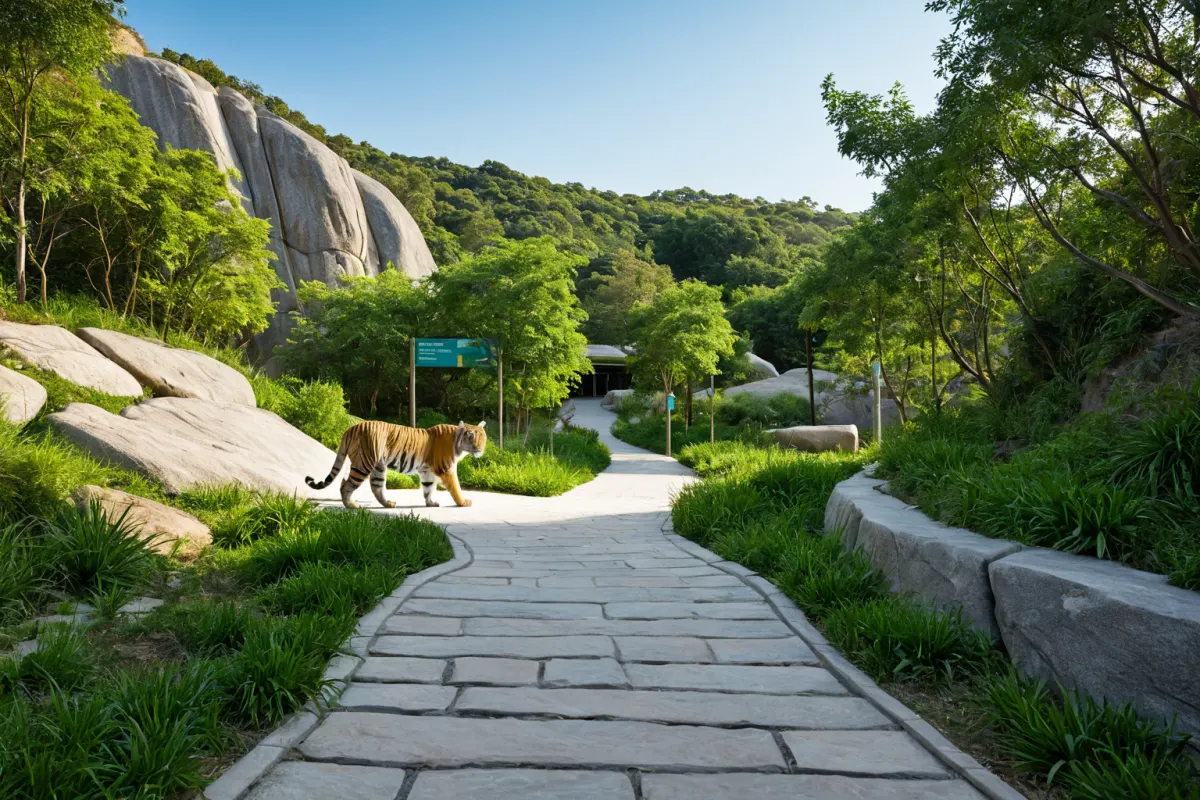
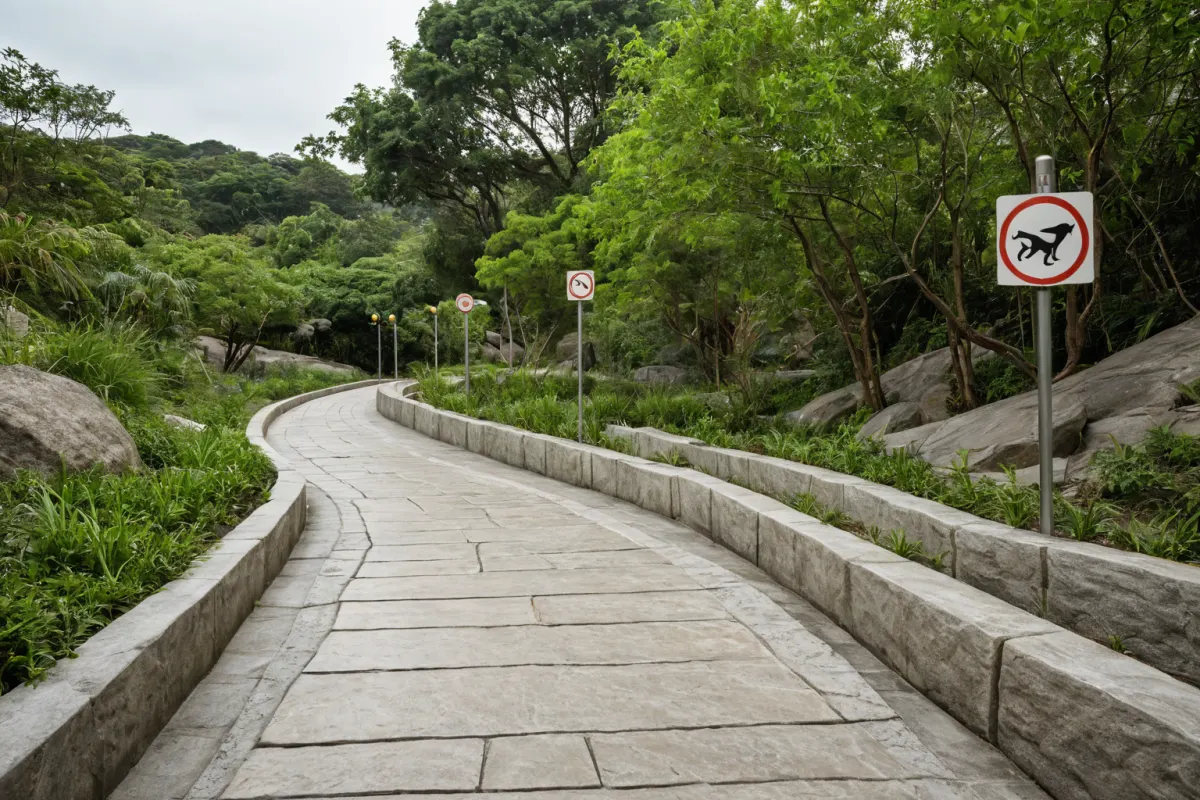
Chungju Zoo is renovating visitor pathways in preparation for reopening on August 28, 2025. This initiative aims to improve both animal welfare and visitor safety, with reduced stress expected for animals through pathway redesign. The new layout emphasizes expanded spaces and natural environment recreation based on the physiological needs of animals.
The Ministry of Agriculture, Food and Rural Affairs is promoting a heatwave safety campaign in agricultural sectors, which includes guidelines for managing animals during extreme heat at facilities like zoos. Following a report on lion 'Baram's' health check results on October 16, 2023, calls for strengthening animal welfare policies have grown stronger.
Future directions for zoo management include establishing regular comprehensive inspection systems and creating legal frameworks to punish animal abuse. While some zoos have developed their own welfare standards, the lack of standardized regulations makes consistent management difficult nationwide.
Key Information to Note: Need for Animal Welfare and Policy Improvements
The controversy over Chungju Zoo's management failures has highlighted the absence of animal abuse punishment regulations. In a legal landscape with weak animal welfare laws, it is crucial for local governments and facility managers to establish appropriate standards. Comprehensive inspection processes that analyze both health status and environmental factors are needed.
Chungju Zoo's case shows that even with 'good' health check records, unexpected deaths occurred, underscoring the need for greater transparency in management systems. Discussions on improving animal welfare policies should be actively pursued, including implementing monitoring systems to track changes in animal behavior and stress indicators.
FAQ Answers
Which animal that died at Chungju Zoo lived the longest?
The tiger 'Hosun' lived at the zoo for 19 years before being euthanized.
What is the current status of animal abuse punishment regulations related to the incident?
There are currently no legal provisions to punish animal abuse in zoos, leading to insufficient accountability for management failures.
When is Chungju Zoo scheduled to reopen?
Chungju Zoo is preparing to reopen on August 28, 2025, after completing visitor pathway improvements.
Frequently Asked Questions
The incident at Chungju Zoo underscores the need for improved animal welfare and management systems. Despite good health check records, unexpected deaths occurred, highlighting gaps in regulations that fail to address the absence of animal abuse punishment policies. Chungju Zoo is preparing to reopen with pathway improvements, while the Ministry of Agriculture, Food and Rural Affairs' heatwave safety campaign is also gaining attention as part of broader animal welfare policy efforts.
As a result of this incident, zoo management standards and animal welfare policies should be systematically improved. Both visitors and animals deserve to live in safe, healthy environments, requiring active responses from government authorities and facility managers.
You can view similar articles on this topic in one place.
View Related ArticlesFAQ
Which animal that died at Chungju Zoo lived the longest?
The tiger 'Hosun' lived at the zoo for 19 years before being euthanized.
What is the current status of animal abuse punishment regulations related to the incident?
There are currently no legal provisions to punish animal abuse in zoos, leading to insufficient accountability for management failures.
When is Chungju Zoo scheduled to reopen?
Chungju Zoo is preparing to reopen on August 28, 2025, after completing visitor pathway improvements.
Korean Source
This article is an English localization of a Korean-language report from BlogScore. Original: 청주동물원 폐사 사태: 원인과 대응 방안