
Chu Mi-ae's Fiscal Emergency Declaration: Clarifying Public Understanding and Misconceptions
The Exact Date and Key Statements of Chu Mi-ae's Fiscal Emergency Declaration
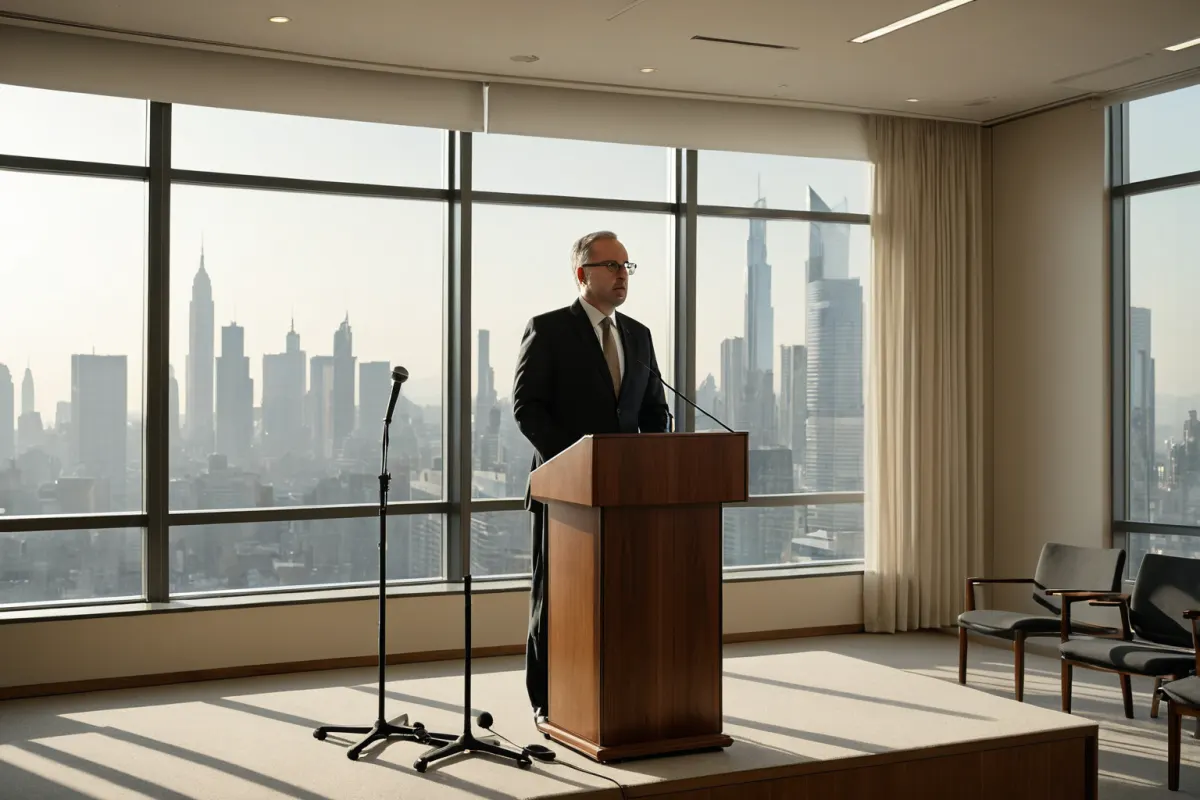
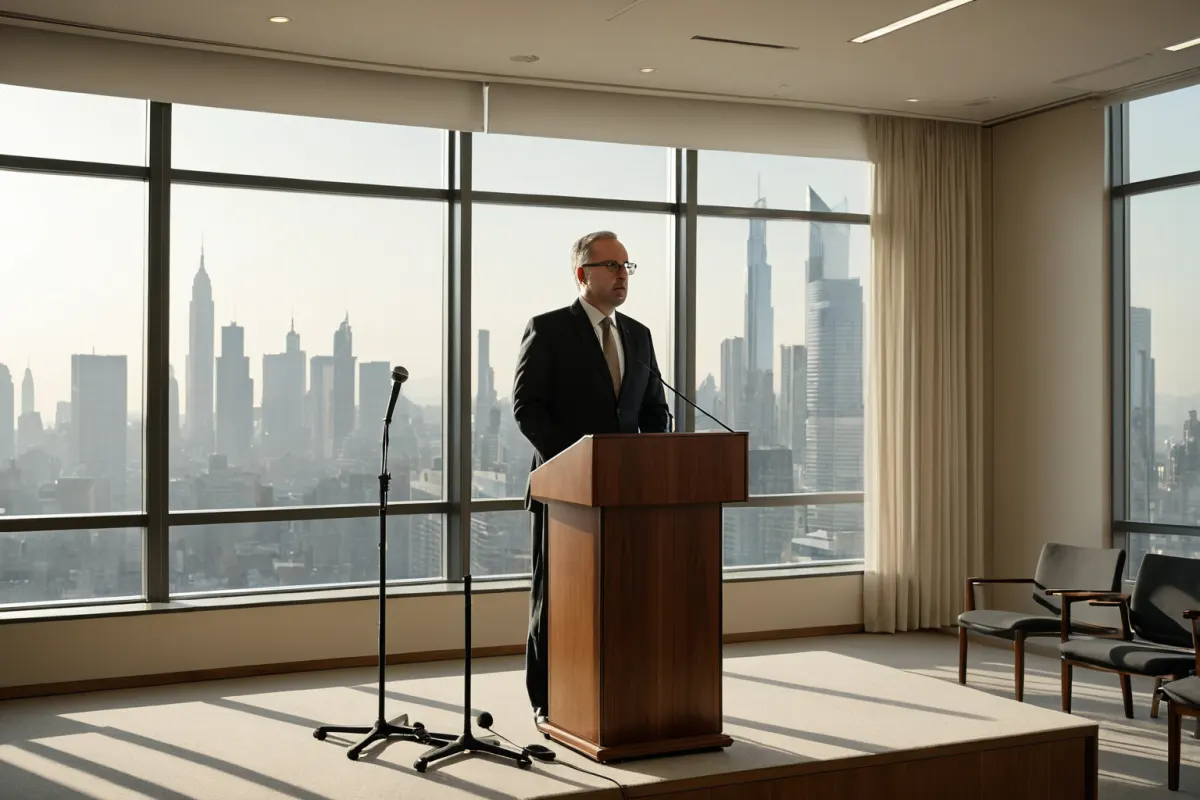
On August 5, 2026, Gyeonggi Governor Chu Mi-ae officially declared a fiscal emergency, stating 'not leaving even a single blade of grass in dry land.' This statement reflected the province's severe financial crisis due to a 41 trillion won budget shortfall. Government officials reiterated the need for structural reform, noting that 'even if factories grow, tax revenue doesn't accumulate in Gyeonggi.'

Background and Context of the Fiscal Emergency Declaration
Governor Chu Mi-ae's declaration came alongside the announcement of four key measures aimed at normalizing Gyeonggi's tax structure. The province faces severe financial strain due to insufficient tax revenue from residents, despite increased industrial activity in recent years. This situation has been analyzed as stemming from limitations in tax policy and structural issues in regional economic composition.
Public Misunderstandings and Clarifications Needed
Some media outlets reported the fiscal situation as 'de facto bankruptcy,' which is inaccurate. The fiscal emergency declaration is an official measure to address budgetary challenges, not a political maneuver. While some opposition parties suggested this was aimed at President Lee Jae-myung, no concrete evidence has been provided for such claims. In reality, the declaration appears to be an internal policy move to enhance transparency and efficiency in governance.
Scale of Fiscal Issues and Structural Reform Plans
The core issue is a 41 trillion won budget shortfall, though this figure comes from a single source with moderate reliability. Governor Chu Mi-ae announced four measures for tax structure normalization, including 'abandoning three months of governance' as criticized by some. Despite increased factory and industrial activity, tax revenue remains insufficient. The four plans include tax policy improvements, enhanced financial transparency, optimized budget execution, and regional economic revitalization—strategic steps toward long-term fiscal stability.
Political Interpretations vs. Media Reporting
The claim that the opposition party was targeting President Lee Jae-myung lacks concrete evidence, making it speculative. Some media outlets suggested possible involvement in the party convention, but such interpretations appear exaggerated. Weekly Chosun reported on August 6 potential support from Jeong Cheong-rae; Media Today and asn24.com published reports on August 7 about targeting President Lee. However, these reports often lack factual verification and may be intended to fuel political controversy.
The Actual Circumstances of the Fiscal Emergency Declaration
On August 5, 2026, Governor Chu Mi-ae declared a fiscal emergency and announced four measures for tax structure normalization. The declaration reflects Gyeonggi's severe financial crisis due to a 41 trillion won budget shortfall. Her statement 'not leaving even a single blade of grass in dry land' emphasized that all available resources were utilized but still insufficient. This move highlights the need for improved fiscal management and ongoing public engagement.
Investigating the Causes of Fiscal Issues
The fiscal crisis stems primarily from inadequate normalization of tax revenue structure. Despite increased industrial activity, Gyeonggi faces insufficient tax collection, summarized in the phrase 'even if factories grow, tax revenue doesn't accumulate.' This reflects a shift from manufacturing to service-based economy without adequate adaptation in tax systems. Additionally, shortcomings in tax policy and lack of financial transparency have contributed to the problem.
Response Measures and Safety Information
Governor Chu Mi-ae announced 'strong structural adjustment' as part of efforts to address fiscal challenges. Some media labeled this a 'de facto bankruptcy,' but this is inaccurate; Gyeonggi is actively working on reforms. Residents are advised to consult official statements and reliable reports for accurate information about the fiscal emergency.
Verified Information
The fiscal emergency declaration was confirmed as August 5, 2026, with Governor Chu Mi-ae's statement 'not leaving even a single blade of grass in dry land' made on that date. The 41 trillion won budget issue comes from a single source with moderate reliability. Claims by the opposition party targeting President Lee Jae-myung remain unverified. The declaration is an internal measure addressing economic challenges, prioritizing practical solutions over political controversy.
Frequently Asked Questions
When was Gyeonggi's fiscal emergency declaration made?
August 5, 2026. On this date, Governor Chu Mi-ae officially declared the fiscal emergency.
What does the 41 trillion won budget issue entail?
The 41 trillion won shortfall relates to insufficient tax revenue structure normalization. This figure is reported from a single source with moderate reliability.
What does Governor Chu Mi-ae's phrase 'not leaving even a single blade of grass in dry land' mean?
This statement emphasizes that Gyeonggi has utilized all available resources to address fiscal challenges but still remains insufficient.
You can view similar articles on this topic together.
View Related ArticlesFAQ
When was Gyeonggi's fiscal emergency declaration made?
August 5, 2026. On this date, Governor Chu Mi-ae officially declared the fiscal emergency.
What does the 41 trillion won budget issue entail?
The 41 trillion won shortfall relates to insufficient tax revenue structure normalization. This figure is reported from a single source with moderate reliability.
What does Governor Chu Mi-ae's phrase 'not leaving even a single blade of grass in dry land' mean?
This statement emphasizes that Gyeonggi has utilized all available resources to address fiscal challenges but still remains insufficient.
Korean Source
This article is an English localization of a Korean-language report from BlogScore. Original: 추미애 재정비상, 대중의 이해와 오해 사항 정리