
Choo Gyeong-ho Faces 20-Year Prison Sentence in 'Countering Emergency Rule Vote' Case
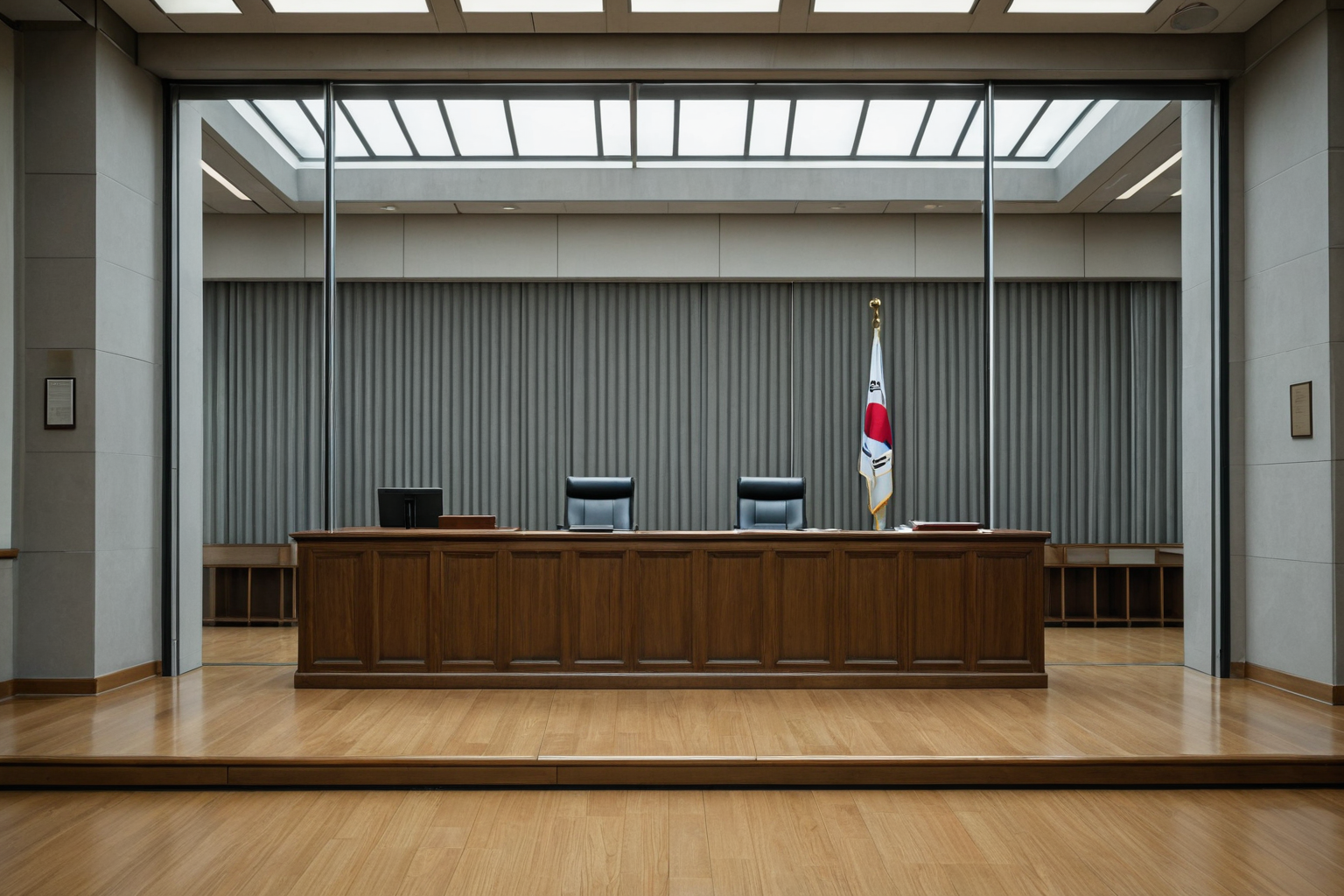
Key Facts Behind Choo Gyeong-ho's 20-Year Prison Recommendation
The Special Prosecutor for Treason recommended a 20-year prison sentence for Daegu Mayor Choo Gyeong-ho on charges of obstructing the vote to lift martial law. This was reported simultaneously by multiple media outlets on September 30, 2026. The People Power Party has strongly criticized the recommendation as 'absurd political maneuvering.' This marks the first legal action taken against Choo while serving as mayor, with political and local communities closely watching the upcoming judicial decision.
Charges and Legal Procedure
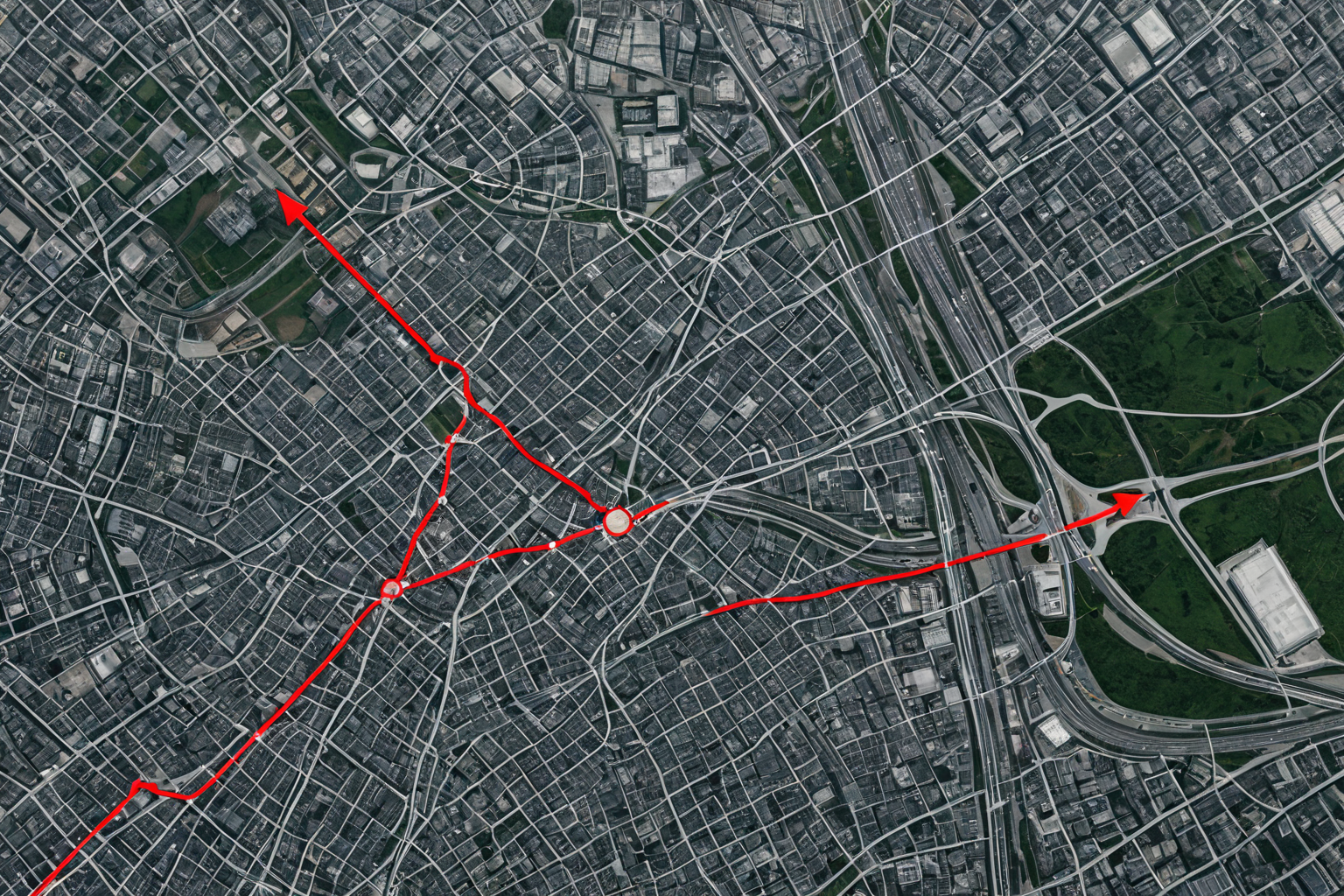
The Special Prosecutor for Treason determined that Choo obstructed the vote by moving between the National Assembly and his party headquarters during martial law. The specific route was: National Assembly → Party Headquarters → National Assembly → Party Headquarters. During this movement, particularly on the day martial law was declared when a vote to lift it was underway in the National Assembly, Choo's actions were deemed to have interfered with the voting process.
The recommendation was announced on September 30, 2026, with sentencing scheduled for November 18. In Daegu, concerns are growing about potential disruptions to municipal operations due to legal risks. While the city has not yet issued an official statement, it is reportedly considering legal responses internally.
Background and Media Coverage
Multiple media outlets simultaneously reported on the recommendation starting at 6 a.m. on September 30, 2026. YTN reported that Choo was recommended for a 20-year sentence on charges of obstructing the martial law lifting vote, while Asia Economic News covered similar details under 'obstruction of martial law vote.' BBS Buddhist Broadcasting and Daegu MBC also reported on the case, with Newsmin focusing on local reactions.
Eight media outlets reported continuously for five hours between 6 a.m. and 10 a.m., based on the Special Prosecutor's investigation findings. The special prosecutor reportedly confirmed Choo's movements during the vote process at the National Assembly before making the recommendation. However, specific evidence or legal basis has not been publicly disclosed, leading some experts to question the transparency of the investigation.
Obstructing a martial law lifting vote is classified as a serious crime related to treason, meaning interference with an official decision-making process in the National Assembly. Legally, such charges require proof that direct obstruction occurred during the voting procedure.
Detailed Legal Procedure
The Special Prosecutor for Treason recommended the sentence after confirming Choo's movements between the National Assembly and his party headquarters during the martial law period. The prosecutor viewed the National Assembly as functioning in its official capacity despite martial law, but Choo's movement to his party headquarters was deemed to have interfered with the voting process.
Details on the specific reasons for the recommendation are limited. It remains unclear what exact actions were considered obstruction during the movements between the National Assembly and party headquarters, nor has any evidence been made public. Typically, treason-related cases involve investigation by a special prosecutor, followed by transfer to prosecutors for trial. The defense can challenge the recommendation through legal channels.
The court may request further explanation of the recommendation, potentially requiring additional evidence. The defense plans to work with lawyers to contest the charges, meaning the final verdict could depend on how the court interprets the special prosecutor's findings.
Local Reactions in Daegu
In Daegu, concerns are growing about potential disruptions to municipal operations due to legal risks. According to Newsmin, anxiety is spreading among citizens and businesses, with fears of administrative delays. The city government is particularly worried about possible delays in key policy initiatives that could affect the local economy and daily life.
The People Power Party has criticized the recommendation as 'absurd political maneuvering,' making it difficult to maintain policy consistency. This is expected to significantly impact Daegu's political climate, especially as citizens express concern over potential delays in election-related decisions.
Daegu residents are demanding clear explanations about the charges and hoping for a fair judicial decision. The city government claims it is working to ensure smooth operations despite the controversy, but public interest and debate have intensified as coverage spreads. Some analysts predict that political tensions within Daegu may deepen further as a result.
Key Points for Readers
The charges are related to obstructing the martial law lifting vote, with the specific route being National Assembly → Party Headquarters → National Assembly → Party Headquarters. Sentencing is scheduled for November 18, 2026, and concerns about disruptions to municipal operations in Daegu are growing.
Details on the charges and legal procedure remain undisclosed. Media coverage was simultaneous across multiple outlets on September 30, 2026. Readers can expect further information through court proceedings or official statements from the special prosecutor.
Frequently Asked Questions
What charges led to Choo Gyeong-ho's recommendation?
The recommendation was made on charges of obstructing the vote to lift martial law. The issue centered on his movement between the National Assembly and party headquarters during the martial law period.
Are there detailed reasons for the recommendation?
No specific details have been disclosed yet. It remains unclear what exact actions were considered obstruction, nor has evidence been made public.
When is sentencing scheduled?
Sentencing is set for November 18, 2026. The recommendation was announced on September 30, 2026, by multiple media outlets simultaneously.
You can explore more articles on similar topics in one place.
View Related ArticlesFAQ
What charges led to Choo Gyeong-ho's recommendation?
The recommendation was made on charges of obstructing the vote to lift martial law. The issue centered on his movement between the National Assembly and party headquarters during the martial law period.
Are there detailed reasons for the recommendation?
No specific details have been disclosed yet. It remains unclear what exact actions were considered obstruction, nor has evidence been made public.
When is sentencing scheduled?
Sentencing is set for November 18, 2026. The recommendation was announced on September 30, 2026, by multiple media outlets simultaneously.
Korean Source
This article is an English localization of a Korean-language report from BlogScore. Original: 추경호 징역 20년 구형, 구형 이유와 법정 절차 설명