
China's Wang Yi Outlines North Korea Policy and Nuclear Resolution Strategy
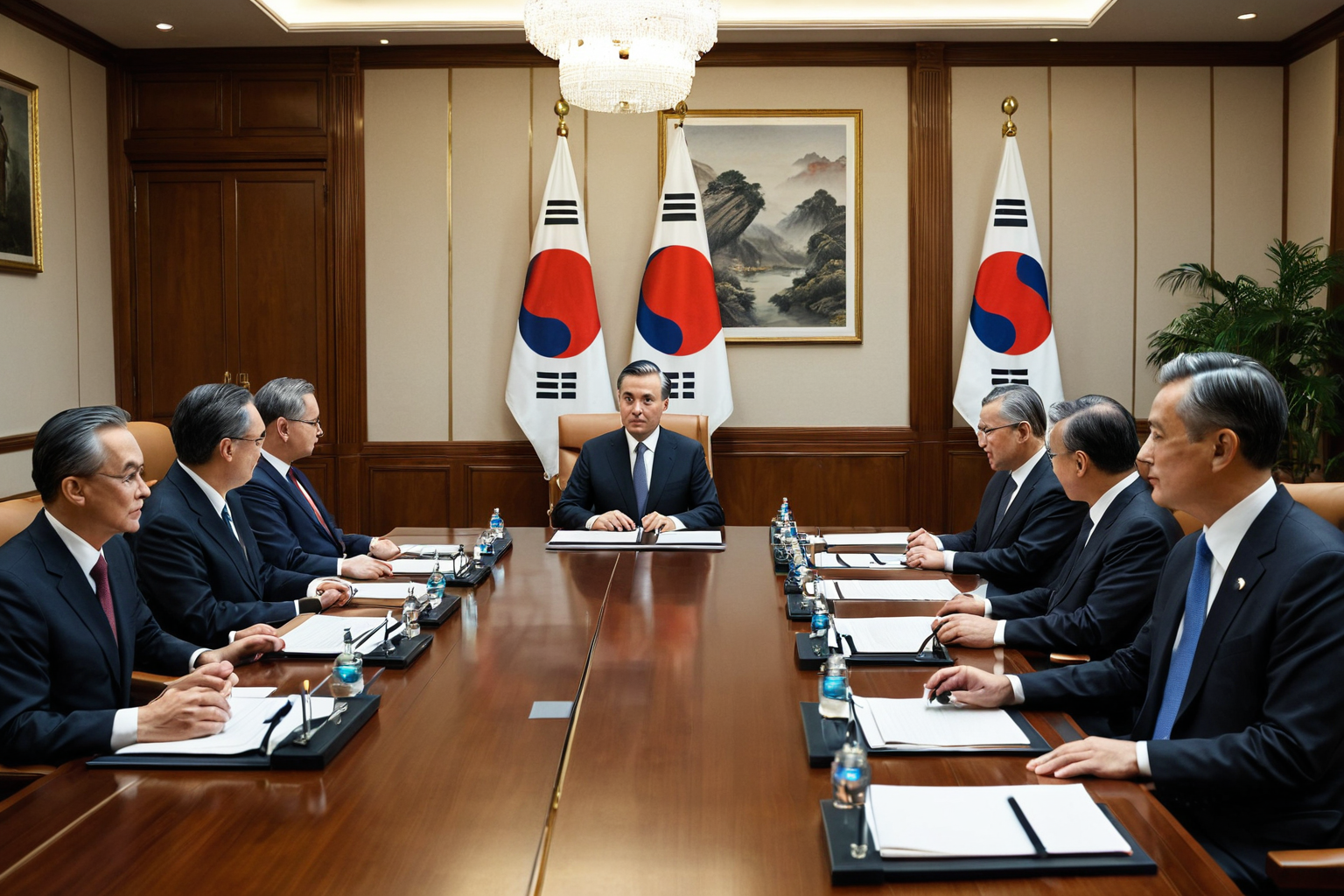
China's Wang Yi: Diplomacy, North Korea Policy, and the Korean Peninsula Peace Plan
Chinese Foreign Minister Wang Yi recently stressed that the U.S. should abandon its hostile approach toward North Korea and support South Korea’s strategic autonomy. He also called for international cooperation to mediate between North Korea and the U.S., while hinting at a possible visit to Seoul, boosting expectations for improved China-South Korea relations.
Confirmed Facts: Wang Yi's Focus on North Korea Policy and Potential Visit
Wang Yi, China’s foreign minister, argued that the U.S. must change its hostile policy toward North Korea to facilitate dialogue between Washington and Pyongyang. This reflects China’s stance of supporting North Korea while seeking to improve relations with the U.S. through diplomatic engagement. In a report published on August 19, 2026, Wang Yi emphasized that North Korea-U.S. talks should be decided by the two countries, urging a shift in U.S. policy.
Regarding South Korea, he supported the country’s pursuit of strategic autonomy and urged enhanced strategic communication between China and South Korea. According to an August 20, 2026 report, Wang Yi called for constructive cooperation with the South Korean government on building peace on the Korean Peninsula, which could pave the way for improved bilateral relations.
On the possibility of a visit to Seoul, Wang Yi mentioned in a July 14, 2026 report that he is considering visiting South Korea as early as August, with both countries’ foreign ministries coordinating the trip. This indicates China’s intent to strengthen ties with South Korea.
Context: The Korean Peninsula Situation and Need for International Cooperation
Foreign Minister Wang Yi recently stressed the importance of international cooperation to mediate North Korea-U.S. talks, reflecting China’s desire for active dialogue between Washington and Pyongyang to resolve the nuclear issue.
Comparing current dynamics to a period in June 2014 when diplomatic tensions over North Korea intensified, reports indicate that differences among neighboring countries on North Korea policy remain today. A March 8, 2018 report highlighted the need for international cooperation in denuclearization discussions.
While China has historically supported North Korea and sought to prevent U.S.-South Korea tensions from escalating, Wang Yi’s comments signal a more cooperative approach toward mediating between North Korea and the U.S., which is noteworthy.
Cause Analysis: Improving Sino-South Korean Relations and Shifts in U.S.-South Korea Dynamics
Wang Yi’s remarks are interpreted as China’s effort to promote dialogue between the U.S. and South Korea on North Korea issues, balancing its support for Pyongyang with demands for a shift in U.S. policy. This strategy aims to contribute to the peace process on the Korean Peninsula.
The South Korean government also requested stronger strategic communication with China during talks with Wang Yi, which could further solidify bilateral cooperation. A report from April 5, 2021 analyzed lessons from trilateral talks involving China, South Korea, and Japan, emphasizing the importance of multilateral collaboration in resolving Peninsula issues.
China’s Foreign Ministry has called for international cooperation to resolve North Korea’s nuclear issue while stressing that coordination between the U.S. and South Korea on North Korea policy will play a key role. This underscores China’s focus on enhancing international collaboration for peace on the Korean Peninsula.
Response and Safety Information: Strengthening Sino-South Korean Relations and International Cooperation
The South Korean government plans to enhance strategic communication with China following Wang Yi’s remarks, which could serve as an important step toward building peace on the peninsula and expanding international cooperation.
The U.S. may need to reconsider its hostile policy toward North Korea in response to China’s evolving stance. With growing emphasis on international cooperation for mediating North Korea-U.S. talks, there is increasing pressure on Washington to engage in dialogue rather than confrontation.
South Korea highlighted both strategic autonomy and a shift in U.S. policy during discussions with Wang Yi, emphasizing the importance of multilateral collaboration for peace on the Korean Peninsula.
Verified Information: Sources and Need for Further Investigation
Major news outlets including Yonhap News Agency, YTN, and Asia Economic reported key statements by Foreign Minister Wang Yi, with coverage published on August 19 and 20, 2026.
The potential visit to Seoul was mentioned in a July 14, 2026 report, stating that both countries’ foreign ministries are coordinating the trip. This could serve as an important milestone for improving China-South Korea relations.
International cooperation on resolving North Korea’s nuclear issue has been emphasized since 2014, with a March 8, 2018 report analyzing differences in neighboring countries’ approaches to denuclearization discussions.
Frequently Asked Questions
What did Chinese Foreign Minister Wang Yi say?
Wang Yi urged the U.S. to abandon its hostile policy toward North Korea and emphasized South Korea’s strategic autonomy. He also highlighted the need for international cooperation to mediate between North Korea and the U.S.
Is there a possibility of Wang Yi visiting Seoul?
A July 14, 2026 report stated that Wang Yi is considering visiting South Korea as early as August, with foreign ministries from both countries coordinating the trip.
How has China’s North Korea policy changed?
China continues to support North Korea while calling for a shift in U.S. hostile policies and advocating stronger international cooperation to mediate between North Korea and the U.S.
Frequently Asked Questions
Wang Yi’s remarks have introduced new perspectives on the Korean Peninsula peace process, highlighting potential shifts in U.S. policy, South Korea’s strategic autonomy, and improved China-South Korea relations. The possibility of a visit to Seoul is expected to serve as an important milestone for bilateral ties.
Both governments will need to strengthen strategic communication and expand international cooperation on resolving North Korea’s nuclear issue to contribute to peace and stability on the Korean Peninsula.
You can explore more articles on similar topics in one place.
View Related ArticlesFAQ
What did Chinese Foreign Minister Wang Yi say?
Wang Yi urged the U.S. to abandon its hostile policy toward North Korea and emphasized South Korea’s strategic autonomy. He also highlighted the need for international cooperation to mediate between North Korea and the U.S.
Is there a possibility of Wang Yi visiting Seoul?
A July 14, 2026 report stated that Wang Yi is considering visiting South Korea as early as August, with foreign ministries from both countries coordinating the trip.
How has China’s North Korea policy changed?
China continues to support North Korea while calling for a shift in U.S. hostile policies and advocating stronger international cooperation to mediate between North Korea and the U.S.
Korean Source
This article is an English localization of a Korean-language report from BlogScore. Original: 왕이 대북정책과 북한 핵 문제 해결 방안