
China's SLBM Launch: How the US, Japan, and South Korea Are Responding
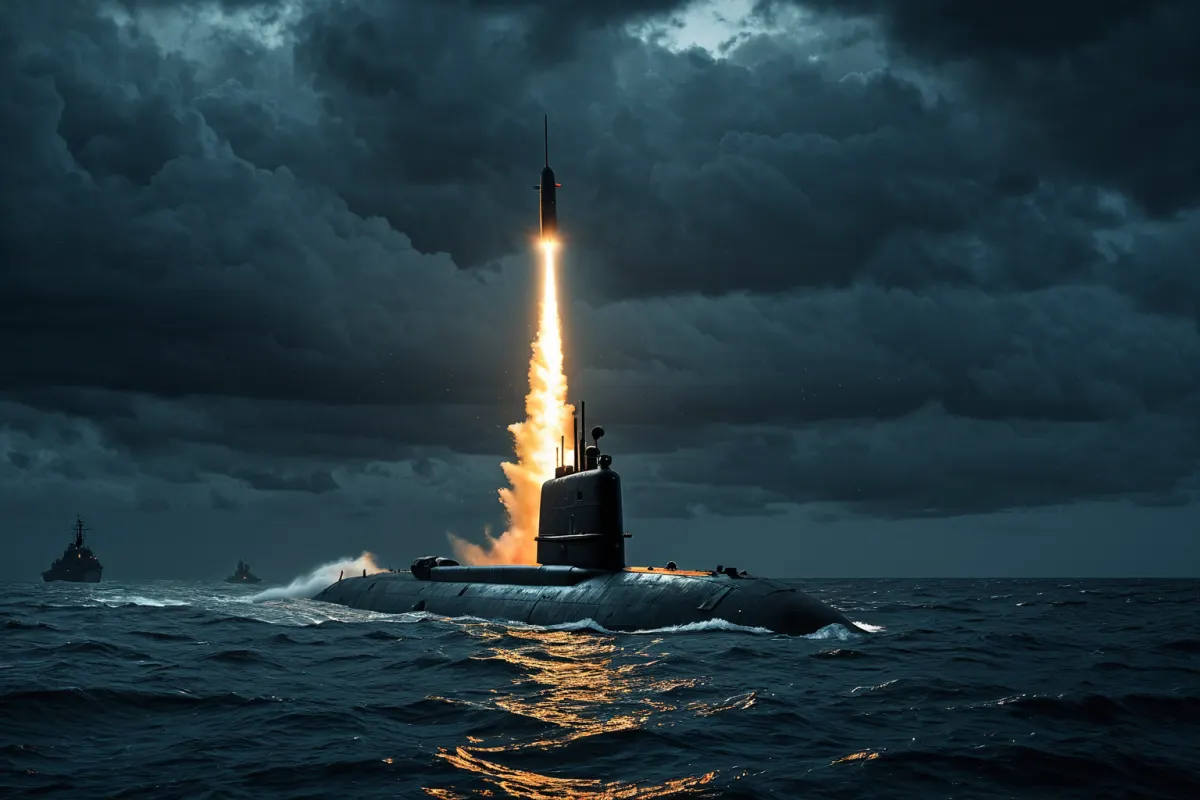
The point that South Korea, the U.S., and Japan most sensitively focus on regarding China's SLBM launch is clear: it's not just a weapons test but a signal showing how advanced China's sea-based nuclear capability has become. Based solely on publicly available information, all three countries' responses align in one direction—monitoring the potential impact on regional security.
Key Public Details About China's SLBM Launch
SLBM stands for submarine-launched ballistic missile, capable of being secretly launched from underwater, making it much harder to detect and counter than land-based missiles. Therefore, when such a launch is announced, neighboring countries are more concerned about its potential real-world operational use than just whether it was a test.
Public reports indicate China has framed this issue as emphasizing the reliability of its naval strategic forces. However, outside observers cautiously interpret the significance without detailed public information on exact launch methods, platforms, flight distances, or warhead capacity.
You can view similar articles on this topic in one place.
View Related ArticlesCommon Ground in U.S., Japan, and South Korea's Responses
While the wording of their responses differs, South Korea, the United States, and Japan all view China’s SLBM launch as a potential factor affecting regional military balance. This isn't just a one-time news story—it serves as an indicator for how China might expand its sea-based nuclear capabilities in the future.
South Korea considers this within the broader context of Northeast Asia's security environment, including North Korean nuclear and missile threats. The U.S. is tracking China’s strategic asset modernization over the long term, while Japan focuses on heightened military tensions near its waters. Despite different perspectives, all share an understanding that this represents a significant change.
South Korea's Security Concerns
For South Korea, China's SLBM launch does not immediately signal a direct threat. However, as China’s maritime operational scope expands and its submarine capabilities become more sophisticated, monitoring and response burdens will increase in the waters around the Korean Peninsula.
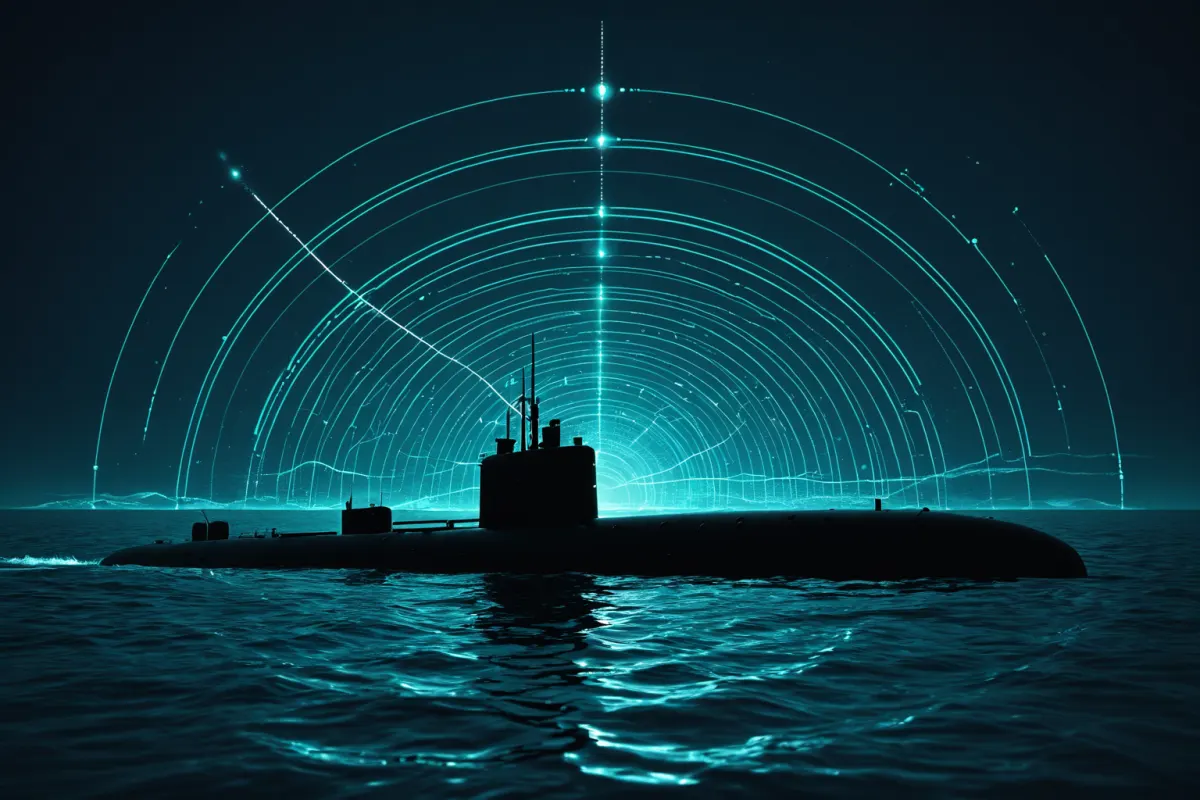
To put it simply from an outsider's perspective: as naval military power grows, more movements become difficult to detect via radar. This means routine information gathering and surveillance asset management become even more critical. This is why South Korea views such incidents with sensitivity.
U.S. Interpretation and Strategic Implications
The U.S. sees China’s SLBM launch not just as experimental data but as an issue of strategic nuclear capability maturity. The ability to reliably fire missiles from submarines means both survivability and retaliatory capabilities have improved.
Thus, U.S. responses typically focus on maintaining deterrence through alliances and cooperation rather than direct criticism. Especially in the Indo-Pacific region, where maritime surveillance, anti-submarine warfare, and information sharing are becoming more important, such launches affect U.S. regional strategy as well.
Why Japan Is Increasingly Concerned
Japan views China’s expansion of sea-based military power as a very realistic security variable. SLBMs are hard to pinpoint in location and can lead to shorter response times, raising tensions near Japanese waters.
If submarine activity increases around its territorial waters, Japan will inevitably face higher costs for border vigilance and maritime surveillance. Therefore, Japan’s responses consistently emphasize strengthening information gathering and deterrence measures without seeking direct conflict.
How to Interpret the Significance of the Launch
When reading news about China's SLBM launch, it's better to first focus on publicly available facts rather than headlines. The significance varies greatly depending on whether specific details like timing, location, method, and level of information disclosed are provided. Jumping to conclusions about an expanded threat based solely on the announcement can lead to misunderstandings.
For example, if only a brief mention of the test appears in media without detailed trajectories or results, it may still be at the stage of capability demonstration. Conversely, repeated tests, long-range operations, and signs of real-world deployment would carry much greater strategic significance.
Interpreting Differences Through Real-World Examples
Similar military exercises are interpreted differently by different countries—some see them as technical checks while others view them as signals of expanded capabilities. China’s SLBM launch falls into the same context. What matters more than the test itself is whether it's part of a larger trend.
For instance, if the launch appears linked to repeated submarine navigation exercises, its significance increases. On the other hand, if it remains a publicity-driven announcement without clear operational signs, international responses may be relatively restrained. Understanding these nuances helps avoid being misled by sensational headlines.
Misunderstandings Commonly Held by Readers
SLBM and ICBM are different: ICBM refers to intercontinental ballistic missiles, while SLBM is launched from submarines. Both are strategic weapons, but SLBMs attract particular attention for their stealth and survivability.
Also, the phrase "publicly available information" in China’s SLBM launch reports is critical. Military matters often involve unverified speculation, so it's important to distinguish between published materials and estimates. Just making this distinction can prevent many unnecessary exaggerated interpretations.
Current Trends Based on U.S., Japan, and South Korea's Responses
Based on publicly available responses so far, the U.S., Japan, and South Korea view China’s sea-based nuclear development as a long-term security variable. Rather than seeing immediate dramatic shifts from one event, they are focusing on strengthening continuous monitoring and response systems.
In other words, the key point isn't the launch itself but whether subsequent trends follow—such as expansion of submarine forces, missile range, or deployment increases—which could further heighten regional security sensitivity.
FAQ
Q1. Does China's SLBM launch mean an immediate risk of war?
A. It does not immediately signal a war risk. However, neighboring countries may interpret it as rising military tension, increasing vigilance.
Q2. Why do U.S., Japan, and South Korea all respond similarly?
A. All three nations are affected by regional security and maritime strategic balance. While their wording differs, they share a common direction of strengthening monitoring efforts.
Q3. What should readers check first in such articles?
A. Check the timing, location, method used, and level of detail provided about test results. These four factors make it easier to gauge whether there is exaggeration.
Latest military developments can be interpreted differently depending on when they're made public, so it's advisable to check both the date and source of related reports.
Continue exploring similar topics.
View Category ArticlesFAQ
Does China's SLBM launch mean an immediate risk of war?
It does not immediately signal a war risk. However, neighboring countries may interpret it as rising military tension, increasing vigilance.
Why do U.S., Japan, and South Korea all respond similarly?
All three nations are affected by regional security and maritime strategic balance. While their wording differs, they share a common direction of strengthening monitoring efforts.
What should readers check first in such articles?
Check the timing, location, method used, and level of detail provided about test results. These four factors make it easier to gauge whether there is exaggeration.
Korean Source
This article is an English localization of a Korean-language report from BlogScore. Original: 중국SLBM발사 관련 한미일 반응은? 공개된 내용 정리