
Canada Submarine Development Case Study and Technological Innovation Analysis
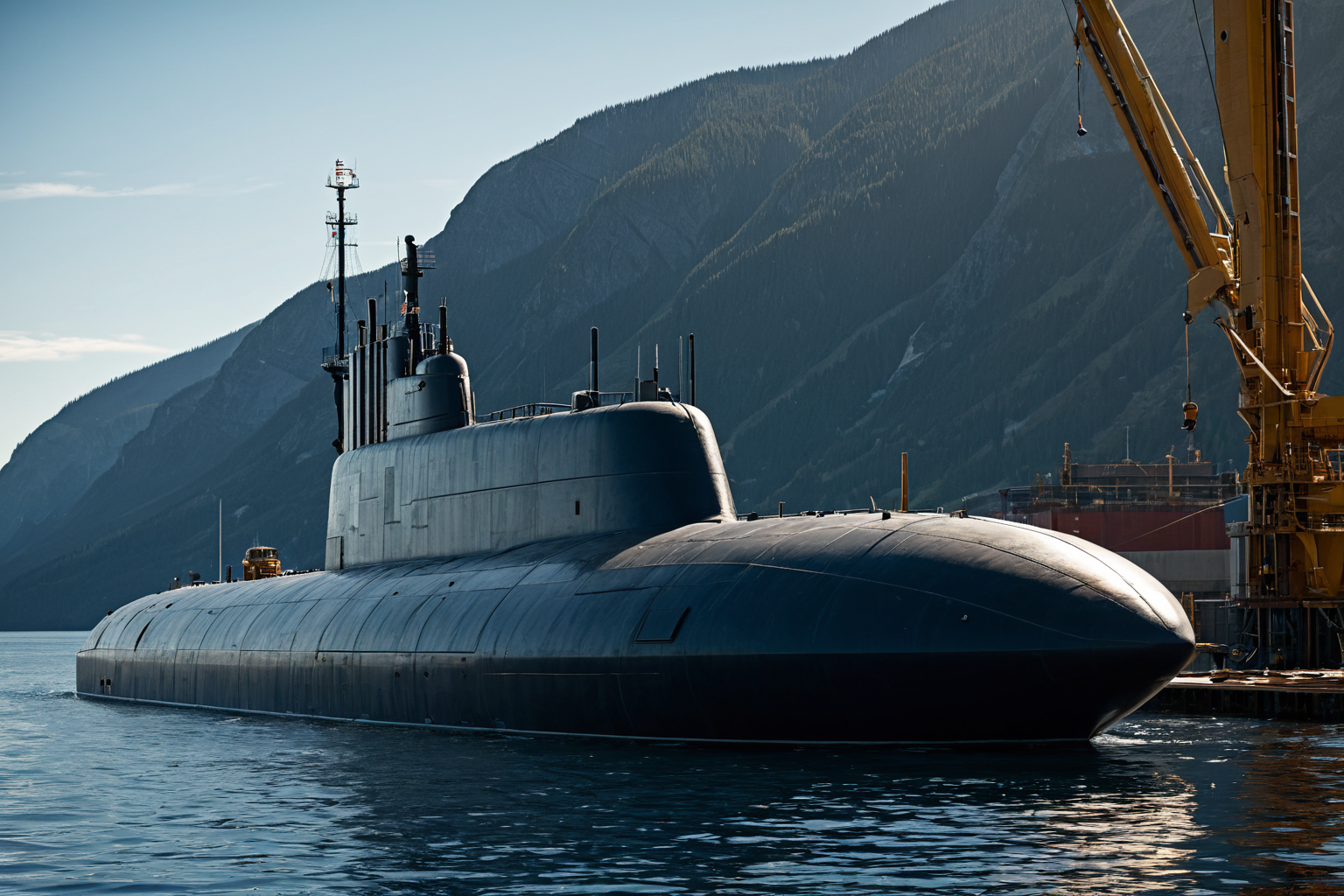
Competitive Landscape in Canada's Submarine Development Project
The Canadian government's 60-trillion-won submarine development project concluded with a bidding competition led by South Korean companies, primarily Hanwha Ocean. Ultimately, Germany's TKMS secured the contract, which analysts attribute to considerations of NATO alliance relationships and localization strategy.
South Korea's government and businesses launched a full-scale effort starting May 2026 to secure the Canadian submarine deal. Minister of Trade, Industry and Energy Kim Jeong-gwan announced the 'Capture Canada Submarine' campaign in Ottawa, while Hanwha Power signed an MOU with the University of Alberta for green energy cooperation to support the project. However, by mid-July 2026, the bid was unsuccessful, prompting Director Lee Yong-cheol of the Agency for Defense Development (ADD) to apologize and emphasize defense industry innovation.
Key Facts About Canada's 60-Trillion-Won Submarine Development Project
The Canadian government led a 60-trillion-won submarine development project, but Germany's TKMS ultimately secured the contract. Hanwha Ocean advanced its bid with innovations in hydrogen fuel cell technology and shortened delivery timelines, yet Canada's decision favored Germany due to NATO alliance considerations.
Hanwha Group strengthened its bidding strategy through green energy MOUs and investment proposals, but on July 7, 2026, Hanwha Ocean announced the unsuccessful bid. Director Lee Yong-cheol subsequently apologized for the 'Canada Submarine Bid Failure' while emphasizing defense industry innovation.
Analysis of Competition Process and Decision Factors
On May 7, 2026, South Korea and Canada announced enhanced industrial-resource cooperation and a full-scale effort to secure the 60-trillion-won submarine contract. On May 13, Minister Kim Jeong-gwan officially launched the 'Capture Canada Submarine' campaign in Ottawa, announcing government-level support.
On May 26, Hanwha Power signed an MOU with the University of Alberta for green energy cooperation to bolster the submarine project. This was part of Hanwha's strategy leveraging hydrogen fuel cell technology for submarine development, positioning it as a distinctive innovation in the competition.
On July 7, 2026, Hanwha Ocean announced the unsuccessful bid with Germany's TKMS securing the contract. Analysts view this decision as reflecting Canada's localization strategy and NATO alliance relationships. On July 8, Director Lee Yong-cheol apologized for the failure while emphasizing defense industry innovation and promising future strategic development.
Key Factors in the Bidding Competition
Canada was expected to favor South Korea over Germany TKMS due to faster delivery timelines, but ultimately chose Germany because of NATO alliance considerations. This case is being closely observed as an important example in international military technology comparisons.
While Hanwha Ocean proposed submarine development using hydrogen fuel cell technology, Canada opted for Germany's TKMS considering localization strategy and NATO relationships. This demonstrates Canada's defense industry policy prioritizing international cooperation and security networks.
Although Hanwha Group strengthened its bid through green energy MOUs and investment proposals, these efforts did not influence Canada's decision. This highlights that in international competition, technological innovation alone is insufficient; political and security factors play a more significant role.
Korean Companies' Response and Future Strategy
Following the announcement of the unsuccessful bid, Hanwha Ocean decided to withdraw from local education and shipbuilding projects in Canada. This is analyzed as a response to Canada's localization strategy.
Director Lee Yong-cheol apologized while emphasizing defense industry innovation, stating that future strategies would combine technological innovation with international cooperation approaches. This signifies strategic changes for South Korea's defense industry aiming to enhance competitiveness in global markets.
South Korea's government and businesses are working to expand industrial-resource cooperation with Canada. This goes beyond a simple bid failure, aiming at building long-term international cooperative relationships.

Lessons from International Military Technology Comparisons
The Canadian submarine development project is being closely observed as an example where political and security factors outweigh technological innovation in international military technology competition. Hanwha Ocean's hydrogen fuel cell technology innovations had relatively weak influence compared to Germany's NATO alliance relationship, highlighting the need to consider non-technical factors in global competition.
Canada's localization strategy aimed at strengthening cooperation with Canadian shipyards, suggesting that South Korean companies should consider localization strategies to improve competitiveness in international markets. Hanwha Ocean's decision to withdraw is analyzed as a response to this localization strategy.
Searcher Verification Information
The Canadian government led the 60-trillion-won submarine development project, but Germany's TKMS ultimately secured the contract. Hanwha Ocean advanced its bid with innovations in hydrogen fuel cell technology and shortened delivery timelines, yet Canada's decision favored Germany due to NATO alliance considerations.
South Korea's government and businesses launched a full-scale effort starting May 2026 to secure the Canadian submarine deal, but the bid was unsuccessful by mid-July. Director Lee Yong-cheol apologized while emphasizing defense industry innovation.
Frequently Asked Questions
What strategies did South Korean companies use in the Canada submarine bidding competition?
Hanwha Ocean advanced its bid with innovations in hydrogen fuel cell technology and shortened delivery timelines, while Hanwha Power supported the project through a green energy MOU with the University of Alberta.
What was the main reason for Canada's decision to award the contract to Germany's TKMS?
The decision considered NATO alliance relationships and localization strategy, as Canada prioritizes international cooperation and security networks.
How will South Korea's defense industry innovation strategy change?
Director Lee Yong-cheol stated that future strategies would combine technological innovation with international cooperation approaches to enhance competitiveness in global markets.
Frequently Asked Questions
The Canadian submarine development project demonstrates that in international military technology competition, political and security factors can outweigh technological innovation. Hanwha Ocean's withdrawal decision and Director Lee Yong-cheol's apology signify strategic changes for South Korea's defense industry to enhance global market competitiveness.
Future efforts to strengthen industrial-resource cooperation with Canada and comparative analysis of international military technology will allow South Korean companies to seek new opportunities. This represents not just a failed bid, but the first step toward building long-term international cooperative relationships.
You can view similar articles on this topic in one place.
View Related ArticlesFAQ
What strategies did South Korean companies use in the Canada submarine bidding competition?
Hanwha Ocean advanced its bid with innovations in hydrogen fuel cell technology and shortened delivery timelines, while Hanwha Power supported the project through a green energy MOU with the University of Alberta.
What was the main reason for Canada's decision to award the contract to Germany's TKMS?
The decision considered NATO alliance relationships and localization strategy, as Canada prioritizes international cooperation and security networks.
How will South Korea's defense industry innovation strategy change?
Director Lee Yong-cheol stated that future strategies would combine technological innovation with international cooperation approaches to enhance competitiveness in global markets.
Korean Source
This article is an English localization of a Korean-language report from BlogScore. Original: 캐나다 잠수함 개발 사례와 기술 혁신 분석