
Can You Drive After a Sedated Endoscopy? Essential Safety Guidelines Post-Procedure
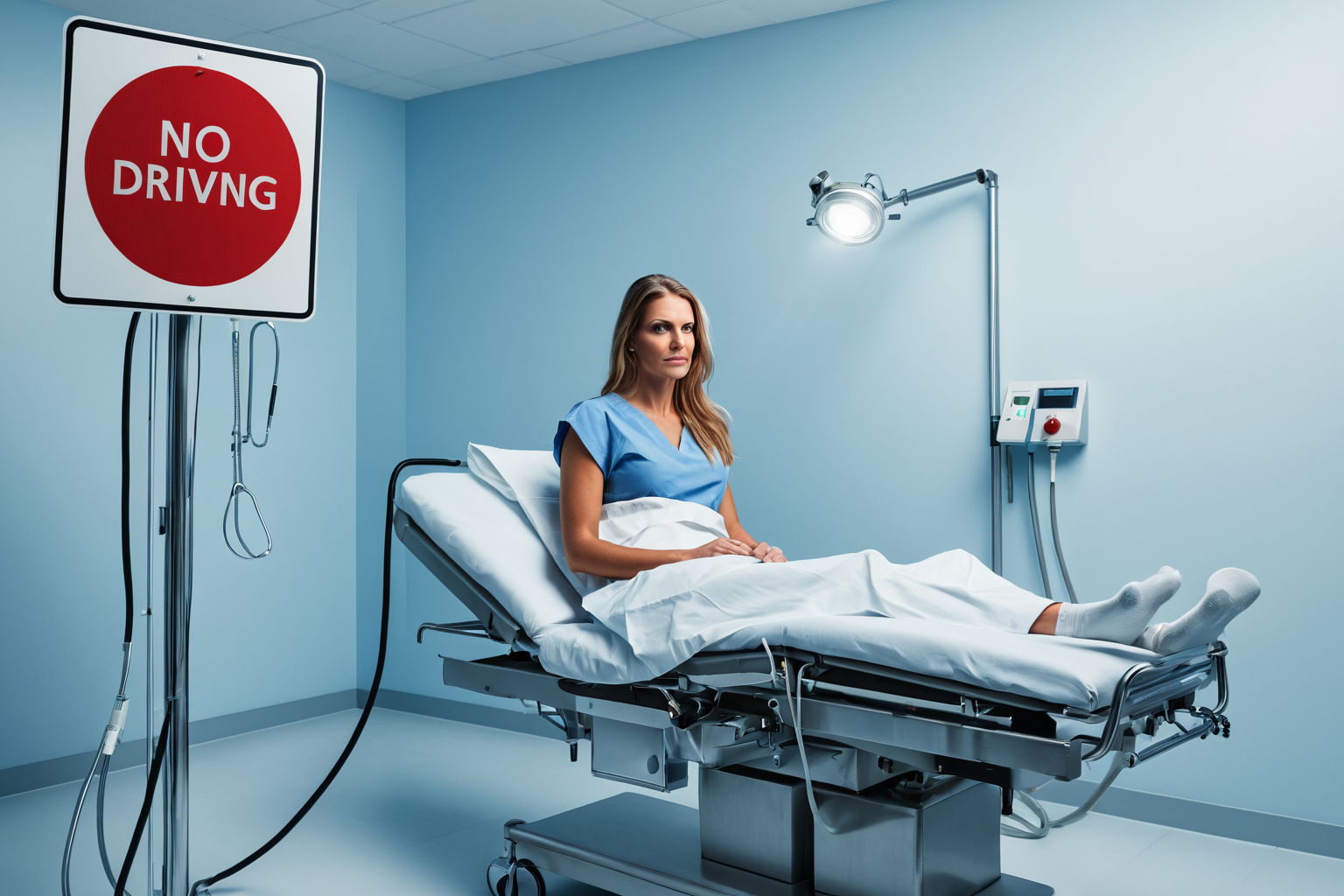
Driving After Sedated Endoscopy: A Strict No-Go
It is absolutely unsafe to drive after a sedated endoscopy. Both medical institutions and police emphasize that the effects of sedation drugs can cause drowsiness and slower reaction times, significantly increasing accident risks. Patients should avoid driving not only on the day of the procedure but also the following day—a risk level considered higher than drunk driving.
Why Driving After Sedated Endoscopy Is Prohibited
The sedation used during endoscopy suppresses the central nervous system, leading to drowsiness and reduced reaction speed. This greatly increases the risk of accidents while driving, with ongoing reports of incidents directly linked to sedation use. Medical experts warn that driving after sedated endoscopy is even more dangerous than drunk driving.
The residual effects of sedation can last into the next day, making it essential to avoid driving during this period. The Food and Drug Administration (FDA) has officially advised against driving after sedation, and police reports show an increasing number of license suspensions due to drug-related driving incidents.
Real-World Accidents and Statistics
Over the past five years, traffic accidents related to drug use have increased by 98%, including those involving patients who drove after taking sedatives. Even common medications like cold medicine can cause drowsiness while driving, requiring extra caution. After a sedated endoscopy, patients should refrain from driving until the effects of anesthesia have fully worn off.
As reported on June 26, 2025, warnings about drowsy driving after taking cold medicine were emphasized, with drug-related license suspensions rising by 98% during the same period. This data highlights the significant impact of medication use on driving safety.
In some cases, patients have been arrested for driving while still feeling disoriented after sedation. Police often charge individuals with drug-related driving offenses, reinforcing the need to use public transportation or taxis after the procedure.
Pre- and Post-Procedure Precautions
Patients undergoing a sedated endoscopy must be cautious about medications they are taking. Before the procedure, consult your doctor about any current medications to avoid potential interactions with anesthesia. In particular, if you regularly take sleeping pills or sedatives, avoid driving not only on the day of the procedure but also the following day.
Fasting before the procedure is mandatory, typically requiring no food for 8 hours prior. This ensures the anesthesia works effectively. Patients should follow their doctor’s instructions regarding medication intake after fasting.
International Guidelines and Responses
While South Korea does not have specific guidelines on driving after a sedated endoscopy, countries like the UK and Australia enforce strict rules: 24 hours for the UK and 12 hours for Australia before driving is permitted. These timeframes account for how long anesthesia remains in the body.
Medical experts warn that driving after sedation is more dangerous than drunk driving. The FDA and medical institutions advise avoiding driving for at least one full day after the procedure.
The residual effects of sedation can last up to 24 hours, making it safer to avoid driving during this period. After a sedated endoscopy, using public transportation or taxis is strongly recommended.

Essential Pre- and Post-Procedure Checks
The required fasting window before the procedure is not strictly defined for medication use, but patients should consult their doctor to avoid interactions with anesthesia. There is no clear time frame for when it’s safe to drive after a sedated endoscopy; this varies based on individual body chemistry and the type of medication used.
As mentioned earlier, fasting before the procedure is mandatory—typically 8 hours without food—to allow anesthesia to work properly. Always consult your doctor about medications taken on the day of the procedure.
How to Respond to Drug-Related Driving Accidents
Driving after a sedated endoscopy can lead to legal consequences, including license suspension and criminal charges. Police often pursue drug-related driving offenses, with both traffic accidents and license suspensions rising by 98% over five years.
Cold medicine and other common medications can also cause drowsiness while driving, so extra caution is needed. After a sedated endoscopy, patients should use public transportation or taxis until the effects of anesthesia have completely worn off.
Key Information to Remember
The exact time when it’s safe to drive after a sedated endoscopy isn’t clearly defined and varies based on individual factors. If you’re taking medications before the procedure, consult your doctor beforehand.
Fasting is required for 8 hours before the procedure to maximize anesthesia effectiveness. After the procedure, using public transportation or taxis is the safest option.
Frequently Asked Questions
Can I drive the day after a sedated endoscopy?
The residual effects of sedation may still be present the following day, so it’s advisable to avoid driving. Medical professionals recommend refraining from driving for at least 24 hours.
Is it safe to drive after taking cold medicine?
Taking cold medicine can increase drowsiness while driving, requiring extra caution. After a sedated endoscopy, the combination of sedatives and cold medicine may heighten this risk significantly.
Can I take medication before my sedated endoscopy?
Medications before the procedure should be discussed with your doctor to avoid interactions with anesthesia. Always inform your healthcare provider about any medications you’re currently taking.
Frequently Asked Questions
Driving after a sedated endoscopy is strictly prohibited. Both medical institutions and police stress that the effects of sedation drugs significantly increase accident risks, making it even more dangerous than drunk driving. Patients should avoid driving on the day of the procedure and the following day, with public transportation or taxis being the safest options.
Over five years, traffic accidents related to drug use have increased by 98%, highlighting the serious risks associated with medication use while driving. After a sedated endoscopy, patients should wait until the effects of anesthesia have completely worn off before considering driving.
Fasting before the procedure and discussing medications with your doctor are essential steps for safe treatment. Using public transportation or taxis after the procedure is strongly recommended to ensure safety.
You can find more articles on similar topics here.
View Related ArticlesFAQ
Can I drive the day after a sedated endoscopy?
The residual effects of sedation may still be present the following day, so it’s advisable to avoid driving. Medical professionals recommend refraining from driving for at least 24 hours.
Is it safe to drive after taking cold medicine?
Taking cold medicine can increase drowsiness while driving, requiring extra caution. After a sedated endoscopy, the combination of sedatives and cold medicine may heighten this risk significantly.
Can I take medication before my sedated endoscopy?
Medications before the procedure should be discussed with your doctor to avoid interactions with anesthesia. Always inform your healthcare provider about any medications you’re currently taking.
Korean Source
This article is an English localization of a Korean-language report from BlogScore. Original: 수면내시경 운전 가능한가요? 약물 복용 후 주의사항과 안전 가이드