
Cable Ties: How to Use Them as Electrical Hardware for Wire Management
Cable ties are one of the most commonly used electrical materials for bundling and organizing wires or components. While they may seem like simple tools, they serve a wide range of purposes including wire organization, securing, finishing, and temporary binding. In electrical work, choosing the right size and material—and knowing how tightly to secure them—is crucial.
Especially around distribution boards, wiring tasks, electronic component assembly, and DIY electrical repairs, using the right cable tie can significantly speed up your workflow. However, not all products are suitable; improper use can crush wire insulation or make it difficult to undo later, so selecting the right type for your purpose is essential.
The Most Basic Use of Cable Ties
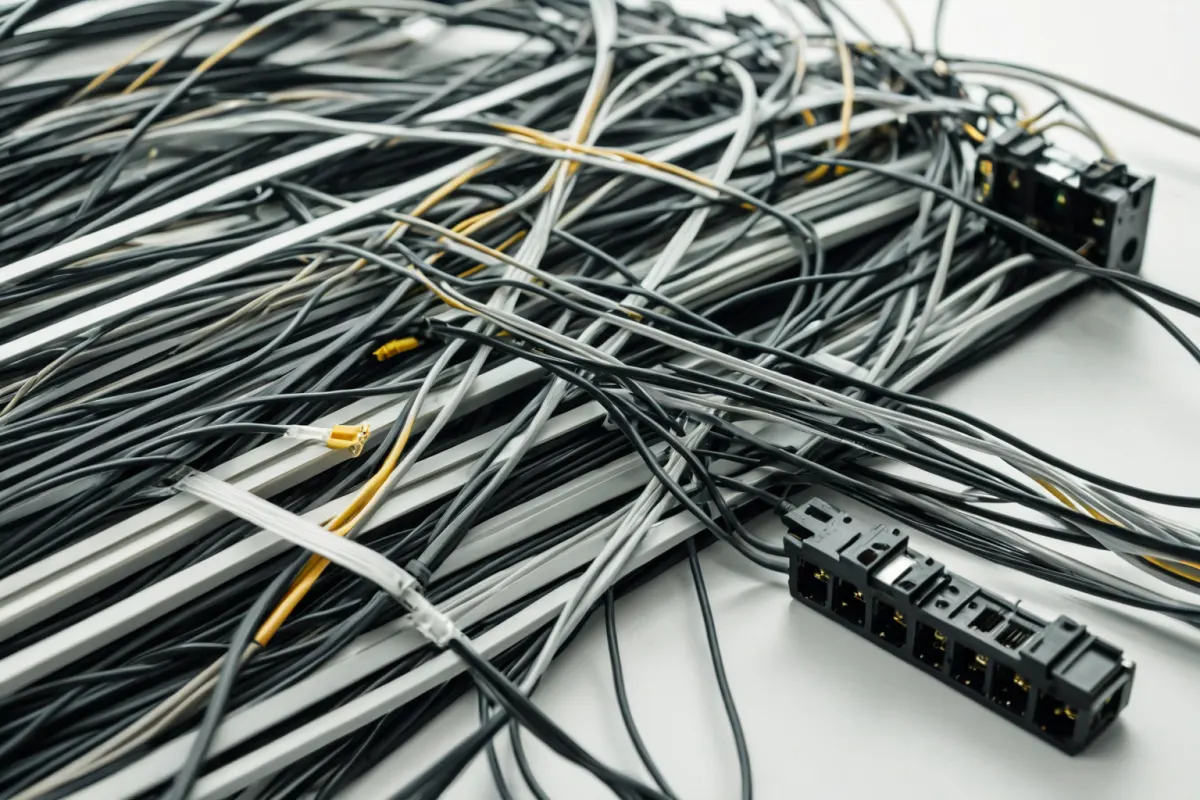
Cable ties are most commonly used to bundle multiple wires together to keep them from becoming tangled. For example, they’re ideal for organizing messy cords behind power strips, computer cables, or wiring inside distribution boards—areas that aren’t always visible but should be kept neat.
The role of cable ties as electrical materials goes beyond simple organization. They help reduce strain on terminals caused by wire movement and prevent wires from getting caught on doors or covers. In the field, they’re also frequently used for temporary securing purposes.
You can find more articles on similar topics in one place.
View Related ArticlesWhy Cable Ties Are Essential in Electrical Work
In electrical work, safety and ease of maintenance matter more than just making things look neat. When wires get tangled, it’s hard to tell which wire goes where, and troubleshooting later becomes time-consuming. Using cable ties makes wiring paths immediately visible at a glance.
For instance, after replacing a light fixture, bundling the leftover wires keeps them tidy for easier access when inspecting inside ceilings later. When assembling electronic components or small devices, cable ties also prevent wires from vibrating loose. That’s why electricians often treat cable ties as essential tools in their kits.
Why Choosing the Right Size and Material Matters
The application of cable ties varies greatly depending on length, width, and material. A small tie may be enough for bundling a few thin communication cables, but thicker wires or pipes require wider ties with higher tensile strength.
For general indoor wire organization, nylon is commonly used. In areas exposed to heat or direct sunlight, it’s advisable to check for heat resistance or weather resistance. Products like Hanol Cable Ties come in various specifications that make it easier to choose based on the work environment. Color-coded cable ties are great for differentiation, making them ideal when circuit separation or labeling is needed.
When choosing, focus less on “the longer the better” and more on selecting a length slightly longer than your bundle needs. Too short may not secure properly, while too long can lead to messy excess that requires trimming.
Organizing Around Terminal Blocks and Sleeves
In electrical work, cable ties are often used alongside connection components like terminal blocks, crimp terminals, and sleeves. After securing wires with a terminal block, using a cable tie to bundle adjacent wires ensures they don’t shift, reducing strain on the connections.
For example, after connecting wires with a crimp terminal, bundling nearby wires together with a cable tie prevents them from becoming disorganized. Similarly, after sleeve work, cable ties help keep wires neatly bundled for a more stable finish. However, avoid tightening too much around the terminal block itself—positioning the tie slightly away from the connection point is better to prevent extra stress.
Common Mistakes When Organizing Wires
The most common mistake is over-tightening. While wire insulation may not be directly damaged by pressure, long-term use can lead to wear and tear on the outer coating. If wires don’t move when gently nudged with your fingers, it’s usually secure enough.
Another frequent error is cutting the excess tail too short. This can make it difficult to undo later or add additional wiring, and a sharp cut may even cause minor injuries. It’s best to trim the tail just enough so it doesn’t catch on anything.
In the field, people often distinguish between temporary ties that are easy to remove and permanent ones meant for long-term use. Choosing the right type based on the task can reduce unnecessary replacements.
Real-World Examples of Usage
A simple home example is organizing wires around TVs—power cords, set-top boxes, and internet cables often get tangled, causing hassle during cleaning. Bundling them in the same direction and securing them with cable ties at intervals keeps things neat.
Cable ties are also widely used for lighting installations or near outlets. For instance, when multiple wires run into walls, using color-coded cable ties (e.g., different colors per section) helps avoid confusion during future inspections. They’re equally useful inside small electronic component boxes for labeling bundles of parts.
In industrial settings, they’re used not just for wiring but also for temporarily bundling hoses, labels, and small materials. However, in high-temperature or high-vibration areas, it’s important to choose products specifically rated for those conditions.
Key Points to Consider When Using as Electrical Hardware
When using cable ties as electrical hardware, check basic specifications like flame resistance, heat resistance, and holding strength. Especially in distribution board interiors or spaces where heat is generated, material selection becomes critical.
Indoor wiring organization and outdoor temporary securing may seem similar but have different requirements. Outdoor use means avoiding products that degrade quickly under sunlight; damp environments require attention to slip resistance and corrosion prevention as well. Always match the cable tie to your working environment for safety.
Also, avoid the habit of over-tightening just because it’s electrical work. The key is to secure wires “just enough” so they don’t move—not to squeeze them tightly. The goal is stability, not compression.
What to Check Before Buying
If you’re buying for the first time, check length, width, color, and material. For home use, basic black or white options are safe choices; if you need to differentiate tasks, consider buying in various colors.
Depending on whether you’re bundling thick wires, electronic components, or around terminals, the required specifications vary. Many people buy small bundles only to find they don’t have enough length later. Choosing a slightly longer length and wider width reduces the chance of failure.
FAQ
Q. Is it safe for cable ties to touch electrical wires directly?
A. Generally, yes—but avoid over-tightening as this can crush insulation. Secure wires just enough so they don’t move.
Q. When should I use color-coded cable ties?
A. Color-coded ties are useful for circuit separation, marking work sections, or categorizing components. They’re especially helpful in complex wiring environments where distinguishing between multiple wires is necessary.
Q. Can you undo a secured cable tie once it’s been tightened?
A. Most standard cable ties aren’t designed for reuse. For temporary tasks, consider using easy-to-remove options or reusable products instead.
Cable ties are small tools that can make a big difference in wire management. When used as electrical hardware, choosing the right size, material, and holding strength is key—and avoid over-tightening around terminals. Always double-check specifications like heat resistance before purchasing to ensure safety and effectiveness.
Check out more articles on similar topics.
View Category ArticlesFAQ
Is it safe for cable ties to touch electrical wires directly?
Generally, yes—but avoid over-tightening as this can crush insulation. Secure wires just enough so they don’t move.
When should I use color-coded cable ties?
Color-coded ties are useful for circuit separation, marking work sections, or categorizing components. They’re especially helpful in complex wiring environments where distinguishing between multiple wires is necessary.
Can you undo a secured cable tie once it’s been tightened?
Most standard cable ties aren’t designed for reuse. For temporary tasks, consider using easy-to-remove options or reusable products instead.
Korean Source
This article is an English localization of a Korean-language report from BlogScore. Original: 케이블타이(케이블 타이) 용도와 전기자재로 쓰는 방법