
How Foreign Visitors Are Reshaping Busan's Retail Scene: A Local Guide
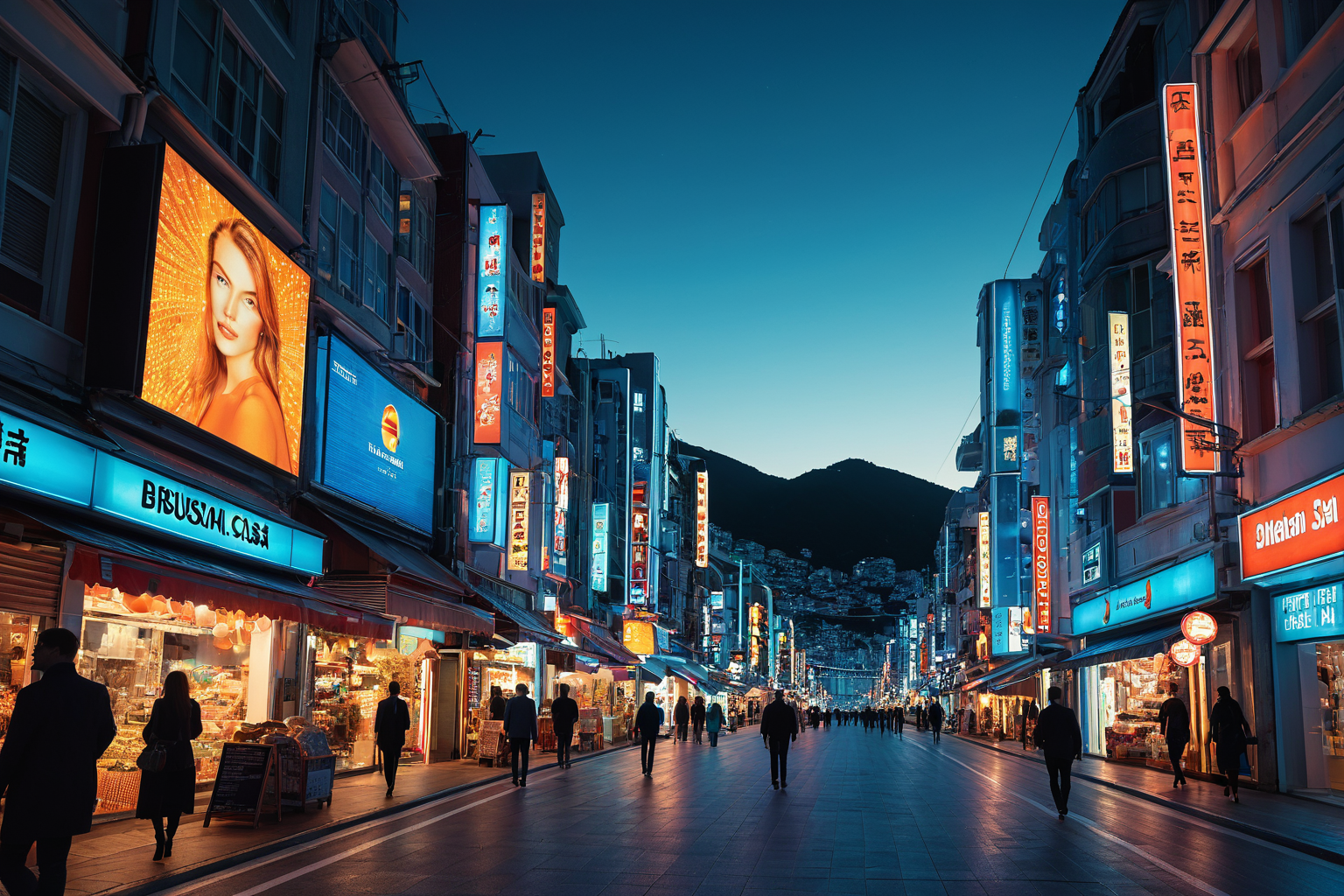
Busan's retail sector is gaining renewed attention as foreign tourist numbers rise. Particularly in areas popular with visitors, sales of food and beverage, cosmetics, convenience stores, and duty-free linked products have noticeably increased, shifting the dynamics of local commerce. This article breaks down what Busan's 'foreigner special business' means, why it matters, and how different districts are adapting—explained simply for newcomers.
However, the expansion of foreign consumption doesn't affect all sectors uniformly. The impact varies based on location, industry mix, exchange rates, tourist routes, and accessibility to ports or airports. So instead of just seeing more customers, it's important to examine which businesses benefit and why.
Understanding Why Busan's Retail Sector Is Focusing on Foreign Visitors
The term 'foreigner special business' refers to the phenomenon where both sales and foot traffic rise in specific areas due to increased foreign visitors. As a port city and tourist destination, Busan has different consumer patterns compared to Seoul. When cruise ships arrive, international events occur, direct flights from abroad increase, or demand from Japan and Southeast Asia aligns, the difference in 'temperature' between weekdays and weekends at retail stores becomes quite noticeable.
For example, areas like Nampo-dong, Gukje Market, Seomyeon, and Haeundae attract foreign visitors for different reasons. Some places focus on shopping and food, while others combine accommodation with beach tourism. This structure means that the impact of foreign tourists is better understood through changes in visit duration and purchasing habits rather than just visitor numbers.
Foreign Consumption Is Bringing Concrete Changes to Local Commerce
The first noticeable change is in sales composition. Foreign visitors tend to respond quickly to items like souvenirs, ready-to-eat meals, instant food, beauty products, and local snacks that are easy to understand and purchase immediately. As a result, stores now prioritize multilingual signage, simplified payment processes, and strategic product placement.
The second change is the ripple effect on surrounding businesses. Increased foot traffic at one store can lead to higher demand for nearby cafes, convenience stores, taxis, accommodations, and luggage storage services. However, if foreign visitors concentrate in certain times of day, sales may rise but operational challenges could increase. Therefore, local commerce must consider both revenue growth and operational efficiency.
Start by Understanding District-Specific Strategies
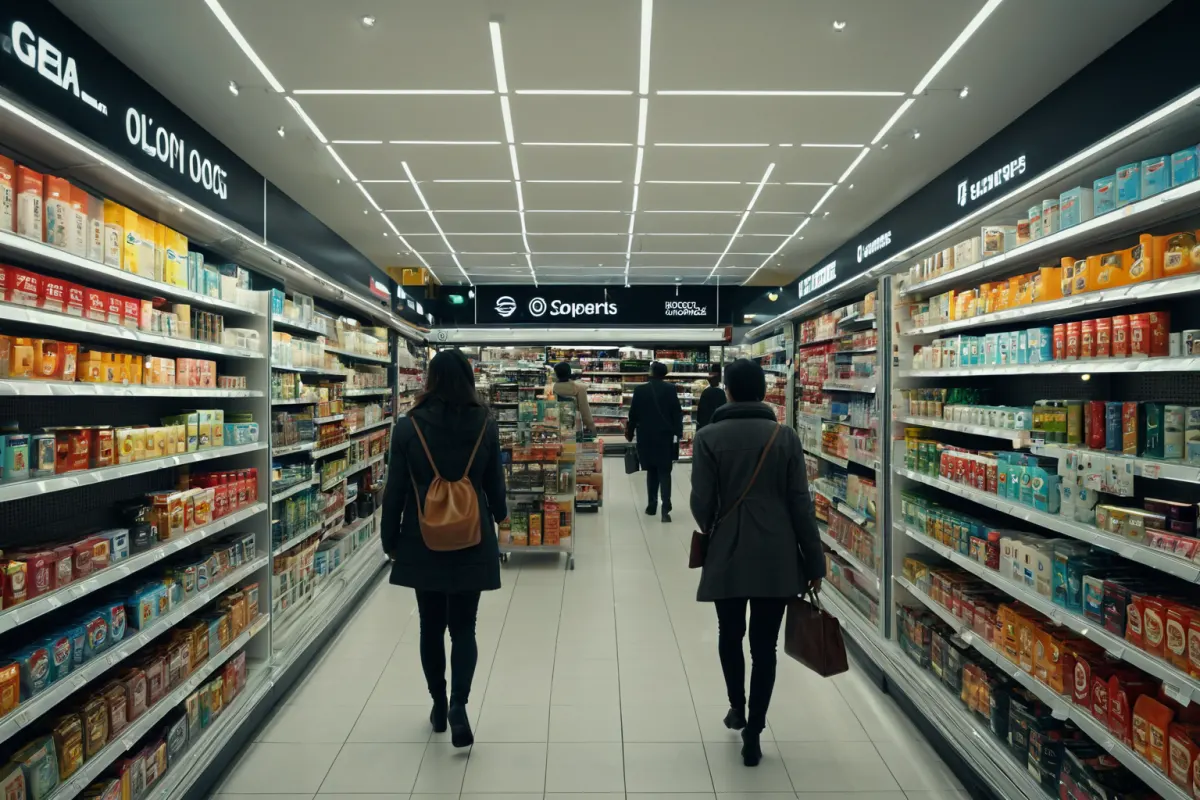
Newcomers can better grasp Busan's retail scene by categorizing districts into tourist-oriented, daily-life, and mixed types. Tourist-oriented areas benefit most from multilingual signage, quick payment options, and individually packaged goods. Daily-life areas focus on repeat purchases from residents, so the impact of foreign tourists may be limited. Mixed areas experience both demands, leading to significant sales fluctuations based on seasons or events.
For example, convenience stores near Haeundae might see higher demand for bottled water, ice cream, hangover remedies, and simple snacks. Meanwhile, souvenir shops in Nampo-dong could see increased gift purchases. For business owners, tracking 'what products are sought at what times' is more practical than simply noting that foreign tourists are present. This approach directly supports inventory management and promotional planning.
Additionally, for the latest data, check official sources like Busan City statistics, tourism agency reports, commercial district analysis services, or port and airport announcements. Visitor trends change rapidly based on seasons, flight schedules, and international events, so relying only on last year's figures may not reflect current conditions.
Avoiding Common Mistakes for Newcomers
The first mistake is assuming increased foreign visitors automatically mean higher sales across all stores. In reality, language barriers, payment options, or lack of product information can prevent purchases from happening. So even if many foreign tourists visit a store, poor preparation inside may limit the actual impact.
The second mistake is overestimating long-term trends based on short-term events. Cruise arrivals and holiday seasons might bring sudden spikes in visitors, but off-seasons could return to normal levels. Therefore, analyzing commercial districts should distinguish between temporary surges and structural changes. For example, a one-month sales increase doesn't mean the entire district has been restructured.
The third mistake is treating foreign consumption as just 'tourist' spending. In reality, visitors from Japan, Southeast Asia, China, and Western countries have different purchasing habits. Some prefer small quantities while others favor gift bundles. Therefore, business owners should segment their customer base by region to better understand preferences.
Local Commerce Must Embrace Foreign Demand as Both Opportunity and Challenge
The 'foreigner special business' can clearly revitalize local commerce. However, sustaining this effect requires alignment between product quality, communication methods, payment convenience, and surrounding infrastructure. A single factor alone won't create a complete customer experience, so collaboration between shop owners and commercial district managers is essential.
Busan's retail sector transformation through foreign visitors ultimately signals a shift in the local economic 'temperature.' What matters more than just visitor numbers is whether these guests have positive experiences that encourage them to return. Moving forward, observing Busan's commerce should focus not only on visitor counts but also on purchasing habits, duration of stay, and likelihood of returning.
FAQs: Key Points Summarized
FAQ 1. Does the 'foreigner special business' affect all districts in Busan equally?
No. Areas with high tourist traffic see significant impact, while daily-life oriented areas may experience less change. The effect varies greatly depending on industry and location.
FAQ 2. What should businesses prepare first as a priority?
Multilingual signage, simplified payment processes, and strategic placement of popular items are the top priorities. Adjusting product offerings to match local characteristics may also be necessary.
FAQ 3. How can I verify if increased foreign visitors are sustainable?
Check official statistics from Busan City or tourism agencies, port/airport reports, and credible commercial district analyses. Always refer to the latest information on official websites for accurate insights.
FAQ
Does the 'foreigner special business' affect all districts in Busan equally?
No. Areas with high tourist traffic see significant impact, while daily-life oriented areas may experience less change. The effect varies greatly depending on industry and location.
What should businesses prepare first as a priority?
Multilingual signage, simplified payment processes, and strategic placement of popular items are the top priorities. Adjusting product offerings to match local characteristics may also be necessary.
How can I verify if increased foreign visitors are sustainable?
Check official statistics from Busan City or tourism agencies, port/airport reports, and credible commercial district analyses. Always refer to the latest information on official websites for accurate insights.
Korean Source
This article is an English localization of a Korean-language report from BlogScore. Original: 부산 유통가를 휩쓰는 외국인 특수, 지역 상권에 미치는 영향 총정리