
Why Busan's Retail Scene Is Hotter Than Seoul's for Foreign Visitors: A Complete Guide
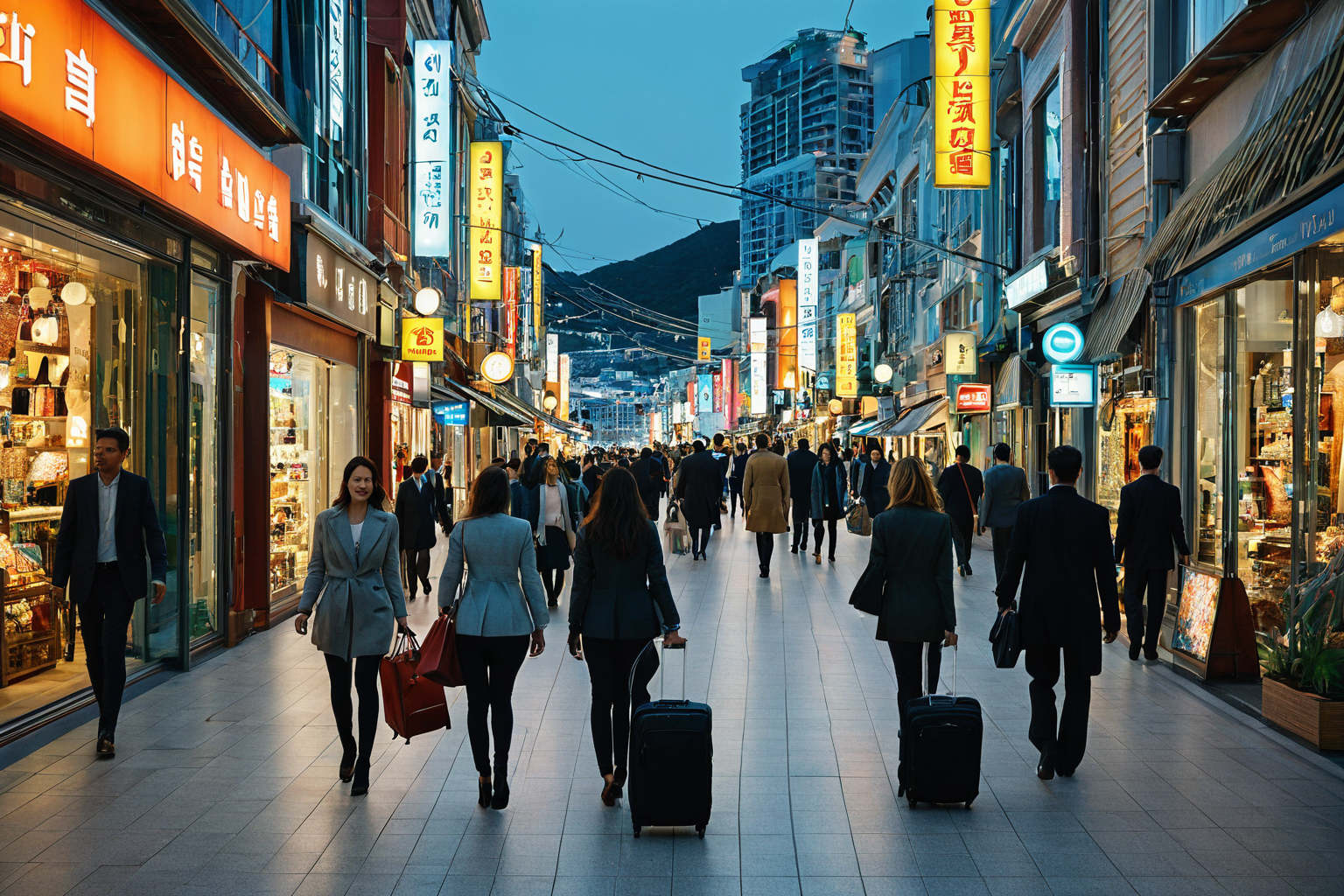
Recent trends show a noticeable increase in foreign visitors at Busan's retail outlets. With more tourists arriving via airports and ports, as well as cruise passengers and short-term visitors, the flow of customers has changed across department stores, duty-free shops, convenience stores, specialty stores, and restaurants. Many wonder why Busan feels "hotter" than Seoul in this regard. This guide breaks down the meaning, background, and practical points of Busan's foreign visitor-driven retail boom for beginners.
Understanding which sectors see revenue growth and what consumption patterns emerge is key to grasping market trends. It's also useful for comprehending local business environments, making it relevant for travelers, investors, or journalists alike.
Why Busan’s Retail Boom Is Being Noticed
Busan’s foreign visitor-driven retail boom refers to the phenomenon where international tourists significantly boost consumption in specific areas. Unlike Seoul, Busan's tourism, port activities, shipping, and local business districts are closely intertwined, making foreign spending more visible. Areas like Nampo-dong, Haeundae, Seomyeon, and Gwangalli stand out because their tourist routes are well-defined, allowing businesses to quickly sense demand from international visitors.
This trend matters not just for increased visitor numbers but also because it changes consumption patterns and sector composition. For example, foreigners often purchase souvenirs, ready-to-eat foods, cosmetics, convenience meals, and use taxis or delivery services together. These habits create a different revenue structure compared to areas primarily serving local residents.
Busan’s accessibility plays a role too. With multiple entry points like Gimhae Airport, international passenger terminals, and cruise arrivals, tourists spend concentrated amounts even during short stays. Additionally, Busan's strong image as a coastal city with great food makes it easy for visitors to see the area as a place where they can consume while traveling.
Why Busan Feels Hotter Than Seoul: The Routes of Arrival
While Seoul has a larger absolute number of foreign tourists, Busan often sees more concentrated spending in specific business areas. Think of it this way: Seoul's growth is widespread, but Busan’s is clustered around key points. This makes certain districts feel much busier to visitors.
For example, cruise passengers tend to shop and eat quickly within a limited timeframe. This demand flows directly into nearby department stores, duty-free shops, convenience stores, cafes, and restaurants. When tourist buses overlap on routes, crowds gather at specific times, amplifying the sense of activity.
Buses from various countries—China, Japan, Southeast Asia, Taiwan—bring diverse visitors, leading to varied sector responses. Some areas focus on cosmetics and fashion, while others see strong demand for convenience stores and food. This multi-layered demand makes Busan’s foreign visitor-driven retail boom more visible.
Simple Consumption Patterns You Can See Right Away
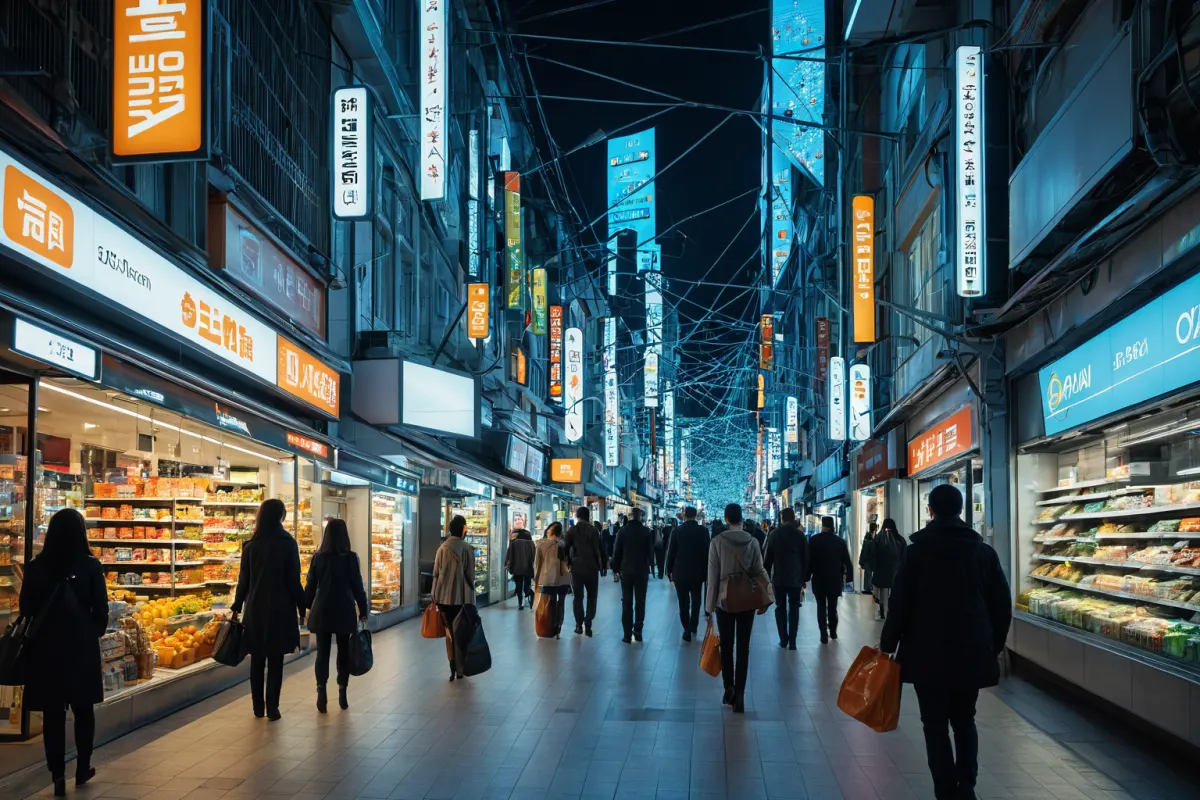
In simple terms, foreign consumer behavior often involves buying more, quickly, and easily within short timeframes. Products that don’t require complex consultations sell better. This means packaged snacks, gift items, small-value payment options, and on-site experience services are popular.
For example, convenience stores near Haeundae frequently sell basic items like bottled water, cup noodles, snacks, and cold drinks repeatedly. Restaurants near tourist spots often have simple menu sets for two or three people. Department stores and duty-free shops see higher demand for familiar brand products, while taxi and delivery services also see increased usage.
Understanding these patterns helps local businesses know what to prepare for. Simple English, Chinese, or Japanese signage, payment convenience, quick service, and intuitive product displays all matter. It’s less about grand strategies and more about creating an environment where customers can find, choose, and pay easily.
How Beginners Can Observe Busan's Retail Trends: Look at Both Time and Location
To understand Busan’s foreign visitor-driven retail boom, look beyond just the business areas—also consider timing. Foot traffic varies by weekday afternoons, weekend evenings, cruise arrival times, and airport transit periods. Even the same area can look completely different depending on the time of day.
Beginners should record three things when visiting: first, which nationalities are most visible; second, where lines form in front of certain businesses; third, how friendly or clear language guides and menus are. For instance, if a cafe near Haeundae has many foreign customers, checking whether menu photos and payment instructions are well displayed can help explain why it’s popular.
For business owners, small improvements make big differences. Clear price tags, placing popular items upfront, and organizing multilingual guides lower entry barriers. However, tourist statistics and arrival schedules change often, so checking official websites is essential. Regularly reviewing data from Busan Port Authority, airports, and local tourism offices is important.
Common Mistakes Beginners Make: Focusing Only on Visitor Numbers
Many assume more foreign visitors automatically mean higher sales. However, visitor numbers don’t always correlate with revenue growth. It’s about the combination of stay duration, purchasing power, movement patterns, and sector fit. People may pass by without buying, so high foot traffic doesn’t guarantee sales.
Another mistake is assuming all areas benefit equally. In Busan, tourism hubs, daily life zones, and transit points each respond differently. For example, tourist spots see more experiential consumption, while residential areas focus on basic necessities. So saying "Busan is hot overall" doesn’t accurately describe the situation.
Finally, many jump to conclusions based on short-term data. Events, good weather, or active shipping routes can cause temporary spikes. It’s better to compare multiple time points rather than draw conclusions from just one or two observations. When analyzing trends, verification comes before assumption.
In Summary: Busan's Retail Boom Is a Structural Trend
Busan’s foreign visitor-driven retail boom isn’t a fleeting trend—it’s a structural shift driven by the integration of tourism, port activities, movement patterns, and local business districts. While Seoul leads in scale, Busan excels at quickly concentrating spending in specific areas, making it feel more vibrant to visitors.
Beginners should look beyond visitor numbers to see which sectors, at what times, are driving consumption. Also, since statistics and schedules change frequently, checking official sources is crucial. This approach helps move from a simple headline to understanding local economic and consumer trends.
FAQ
Q1. Will Busan's foreign visitor-driven retail boom continue?
A. It depends on tourism flows, international routes, exchange rates, and event schedules. However, Busan’s tourism and port infrastructure ensure it remains noteworthy in the medium to long term.
Q2. Which sectors are most affected?
A. Convenience stores, food and beverage, duty-free shops, cosmetics, souvenirs, and transport-linked businesses see the highest impact. The exact effect varies by location and visitor composition.
Q3. Can I use this information for investment decisions?
A. It’s a useful reference but should be combined with on-site research and current statistics. Always verify with official sources and local business data before making decisions.
Note: This article provides general information only. Actual figures and conditions may vary by time. For the latest updates, check official websites of Busan Port Authority, airports, local governments, and tourism organizations.
FAQ
Q1. Will Busan's foreign visitor-driven retail boom continue?
A. It depends on tourism flows, international routes, exchange rates, and event schedules. However, Busan’s tourism and port infrastructure ensure it remains noteworthy in the medium to long term.
Q2. Which sectors are most affected?
A. Convenience stores, food and beverage, duty-free shops, cosmetics, souvenirs, and transport-linked businesses see the highest impact. The exact effect varies by location and visitor composition.
Q3. Can I use this information for investment decisions?
A. It’s a useful reference but should be combined with on-site research and current statistics. Always verify with official sources and local business data before making decisions.
Korean Source
This article is an English localization of a Korean-language report from BlogScore. Original: 부산 유통가를 휩쓰는 외국인 특수, 서울보다 뜨거운 이유 총정리