
Bus Collision Accident Response: A 5-Step Practical Guide to Minimize Damage
Bus Collision Accident Response: A 5-Step Practical Guide to Minimize Damage
Immediate safety measures and prompt emergency assistance are crucial when a bus collision occurs. Preserving evidence at the accident scene can help prevent disputes over compensation, while understanding driving techniques for hazardous road conditions like black ice is essential. Real-world examples include the 2023 West Sea Expressway chain collision and the 2024 Chungju hydrogen bus incident, where quick response minimized damage.
Immediate Safety and Emergency Assistance
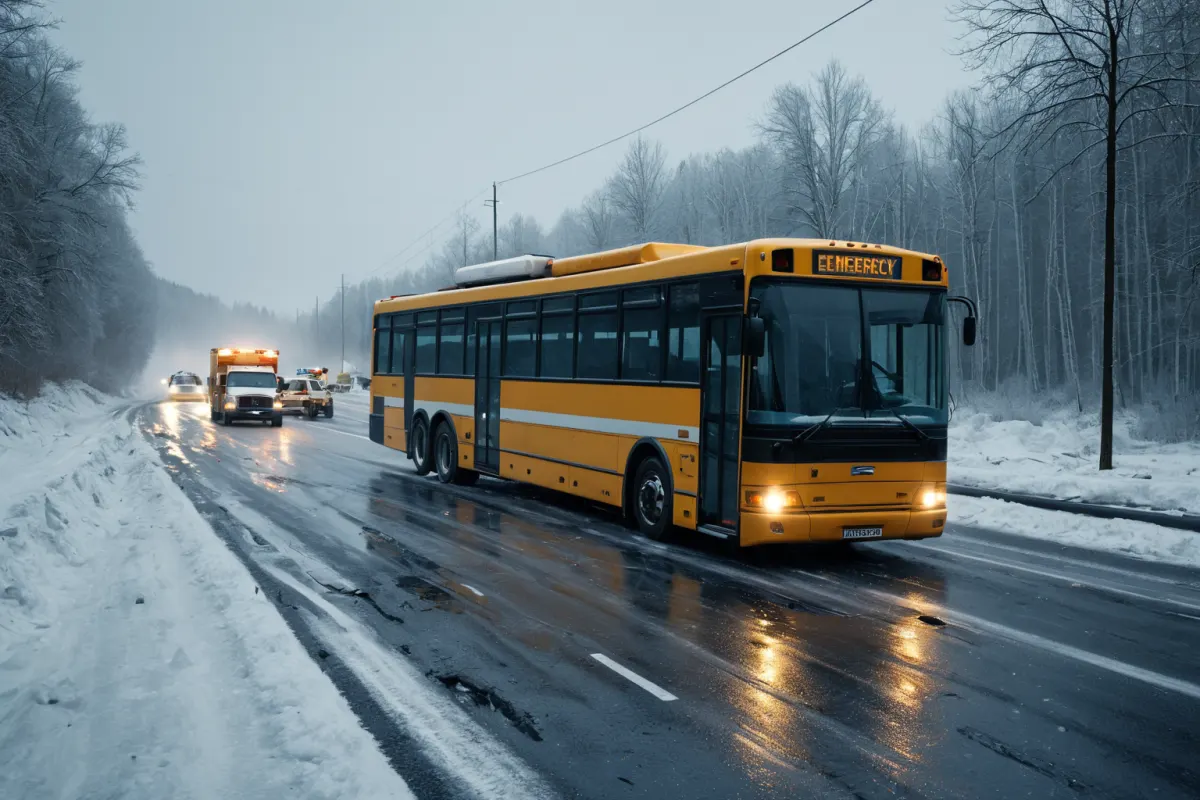
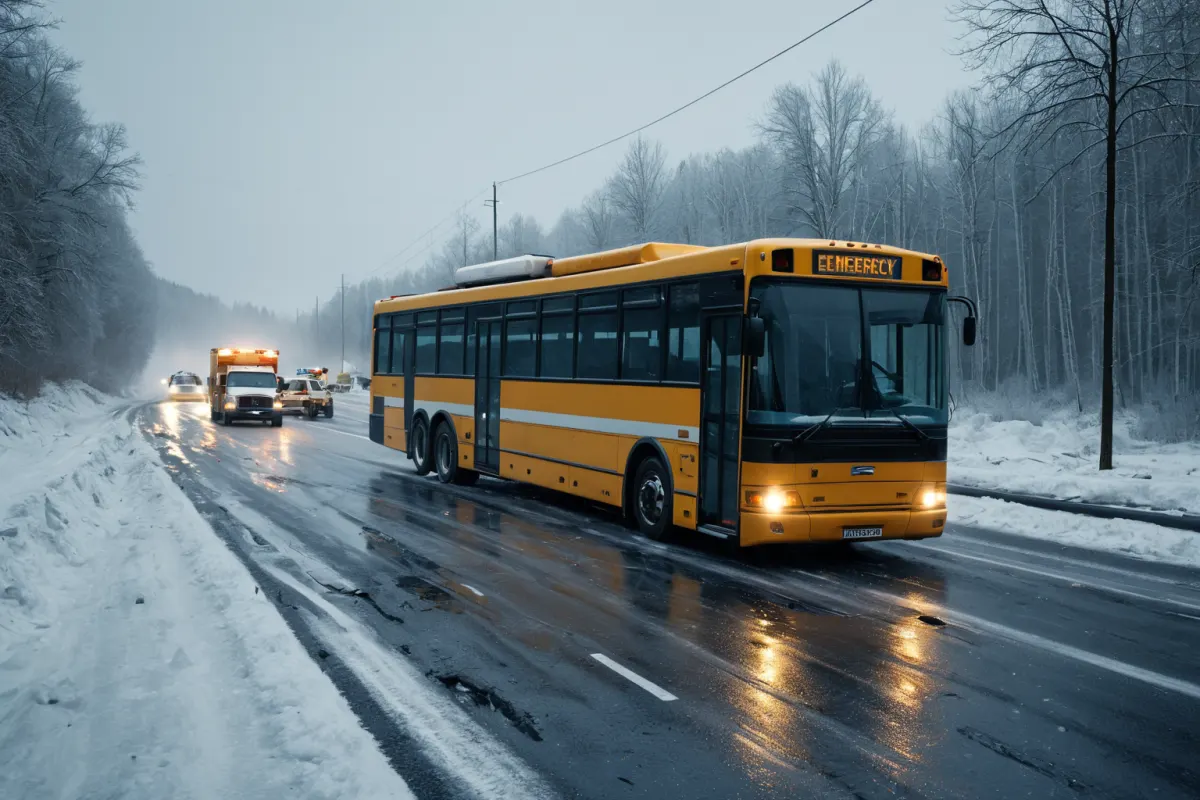
The first priority in a bus collision is ensuring your safety and that of passengers. To prevent secondary collisions or fires, move the vehicle as far off the road as possible, turn on hazard lights, and place warning signs to alert other drivers. The 2024 Chungju hydrogen bus incident demonstrated this well when Gas Technology Corporation responded quickly to minimize damage.
Quick emergency calls can save lives. Immediately contact 119 (emergency medical services) or 112 (police) for urgent assistance, providing accurate details about the accident location and circumstances. If passengers are injured inside the bus, it's important to safely evacuate them while making the call.
Evidence Preservation and Compensation Considerations
Preserving evidence at the accident scene is critical. Take photos or videos documenting vehicle damage, road conditions, and the positions of other vehicles. This documentation can be invaluable for resolving compensation disputes or determining liability later.
Passengers should avoid paying any immediate compensation after an accident. According to a January 2025 report by New Auto Post, paying compensation without proper legal advice could worsen the situation. It's recommended to seek legal counsel before handling any accident claims.
Black Ice Response and Winter Driving Techniques
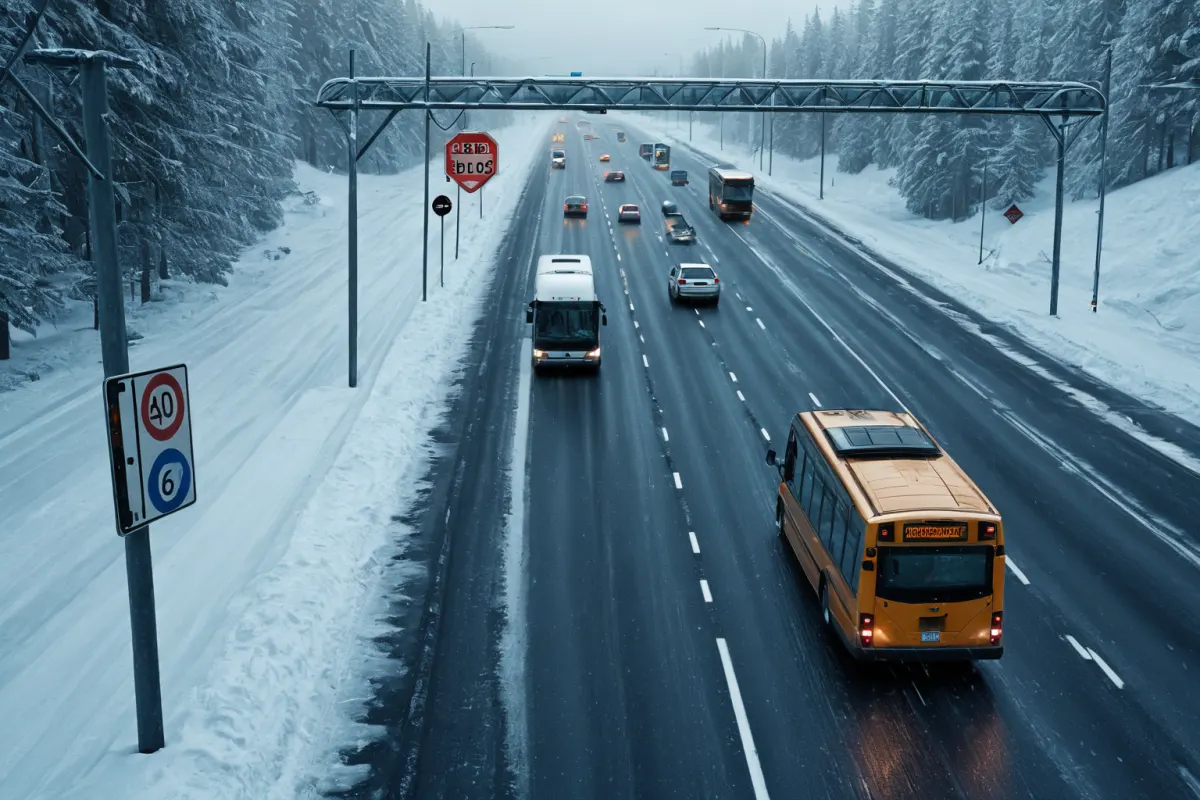
Black ice is a common cause of collisions as it forms invisible layers on roads. In January 2024, over 40 vehicles collided due to black ice, highlighting the need for careful speed control and maintaining adequate following distance in icy conditions.
On icy roads, maintain speeds under 30 km/h, avoid sudden steering changes, and keep a safe distance of at least double the normal interval. When braking urgently, make use of ABS (Anti-lock Braking System) to prevent skidding.
Accident Analysis: Real Incidents
A chain collision occurred on December 21, 2023, on the West Sea Expressway due to unstable driving on icy roads, resulting in injuries to over ten people. Authorities emphasized safe winter driving practices at the time.
The December 25, 2024, Chungju hydrogen bus incident also showed effective response, with Gas Technology Corporation immediately calling for help and taking safety measures to prevent further damage. This demonstrates how collaboration between passengers and drivers can make a significant difference in accident response.
Causes of Bus Collisions and Prevention Strategies
Hazardous road conditions like black ice are primary causes, making it essential to understand proper driving techniques for such situations. On icy roads, speed control and maintaining adequate following distance are critical.
Bus drivers should undergo regular safety training to prevent accidents. Additionally, utilizing vehicle systems like ABS and black ice detection sensors can help identify hazards before they become dangerous.
The 5-Step Practical Response Guide
1. Immediate Safety: Move vehicle off road and turn on hazard lights 2. Emergency Call: Contact 119/112 for urgent assistance 3. Evidence Preservation: Document scene with photos/videos 4. Compensation Caution: Seek legal advice before handling payments 5. Black Ice Response: Maintain low speed (under 30 km/h) and increase following distance
Following these five steps can help minimize damage from collisions, especially on black ice where reducing speed and increasing distance between vehicles is crucial.
Important Information to Verify
Check surrounding road conditions and weather when an accident occurs. If icy roads or black ice are present, reduce speed and increase safe following distance.
Bus passengers should follow safety guidelines during accidents, with pre-accident training on how to safely evacuate the vehicle.
Frequently Asked Questions
Can I pay compensation immediately after an accident?
No, compensation should be handled only after seeking legal advice. Paying without proper guidance could lead to greater financial loss.
How should I drive on roads with black ice?
Maintain speeds under 30 km/h, avoid sudden steering changes, and keep at least double the normal following distance between vehicles.
What's the best way to preserve evidence at an accident scene?
Taking photos and videos documenting vehicle damage, road conditions, and other vehicle positions is recommended. This documentation can be crucial for resolving compensation disputes or determining liability later.
Frequently Asked Questions
By learning and implementing the 5-step response guide for bus collisions, you can minimize potential damage. Special attention should be paid to driving techniques for hazardous road conditions like black ice. Always prioritize safety first, make prompt emergency calls, preserve evidence properly, and follow compensation guidelines.
The 2023 West Sea Expressway chain collision and the 2024 Chungju hydrogen bus incident demonstrate how critical quick response is in accident situations. These incidents highlight the importance of preparing for potential accidents through education on prevention and proper response techniques.
Accident response isn't just about acting quickly—it requires making informed decisions based on accurate information. For this reason, it's important to undergo safety training in advance and learn driving techniques appropriate for different road conditions.
You can view more articles on similar topics in one place.
View Related ArticlesFAQ
Can I pay compensation immediately after an accident?
No, compensation should be handled only after seeking legal advice. Paying without proper guidance could lead to greater financial loss.
How should I drive on roads with black ice?
Maintain speeds under 30 km/h, avoid sudden steering changes, and keep at least double the normal following distance between vehicles.
What's the best way to preserve evidence at an accident scene?
Taking photos and videos documenting vehicle damage, road conditions, and other vehicle positions is recommended. This documentation can be crucial for resolving compensation disputes or determining liability later.
Korean Source
This article is an English localization of a Korean-language report from BlogScore. Original: 버스 추돌 사고 대처 5단계: 피해 최소화를 위한 실전 가이드