
BTS Busan Concert Economic Impact: How Tourism, Accommodation, and Transportation Shift
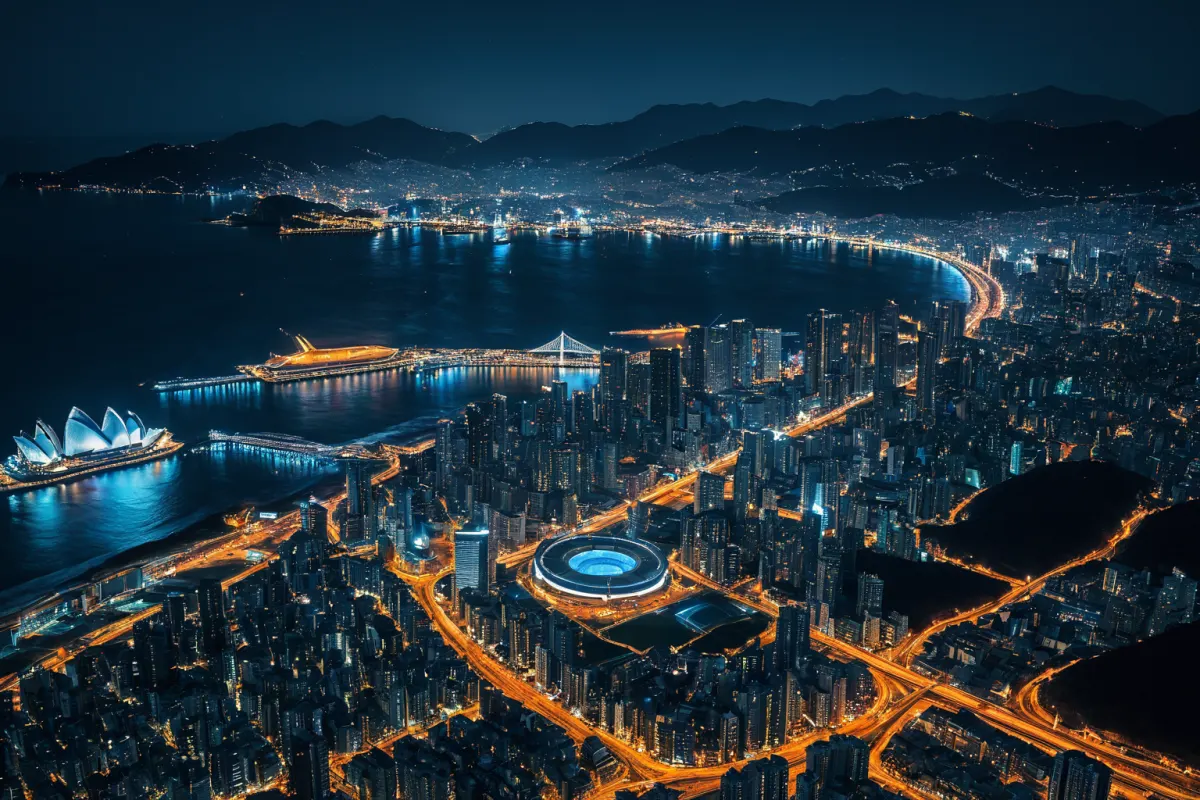
The economic impact of BTS's Busan concert can be summarized as a chain reaction where increased tourist arrivals drive spending across accommodations, transportation, restaurants, and retail. It's not just about ticket sales—it's about how quickly consumption spreads throughout the city.
Busan, with its dispersed attractions like Haeundae, Nampo-dong, Gwangalli, and BEXCO, benefits from this effect. A single concert can extend visitor stays, directly boosting local business activity. However, the scale of impact depends on factors like event size, percentage of out-of-town visitors, and accommodation capacity.
The Core Structure of BTS Busan Concert Economic Impact
When analyzing BTS's Busan concert economic effects, direct spending is the first metric to consider. Attendees spend on tickets, transportation, food, accommodation, and merchandise—creating a multi-sector impact.
For example, fans traveling from Seoul for a 1-night, 2-day trip don't just attend the concert and leave. They use KTX or express buses, book hotels, visit nearby restaurants, and stop at cafes, spreading their spending across multiple industries.
This consumption cascades through the local economy. When hotels are full, demand shifts to nearby guesthouses or residences; when venues near the concert hall are packed, surrounding areas like subway stations also benefit.
Explore similar articles on this topic in one place.
View Related ArticlesWhy Tourism Growth Boosts Local Spending
The most immediate effect of BTS's Busan concert is a surge in tourist numbers. Fans often stay an extra day or two before and after the event, increasing overall tourism spending.
Busan already attracts significant travel demand, so the concert complements existing tourism patterns. Visitors enjoy beaches, markets, cafe streets, and night views alongside the concert experience.
Many fans spend time at Haeundae or Gwangalli before the show, then move to Seomyeon or Nampo-dong for dinner and shopping afterward. This pattern ensures that tourism revenue spreads across the city rather than concentrating near the venue.
Why Accommodations Are the First to Respond
In terms of economic impact, accommodations are among the most sensitive sectors. The longer fans stay (over one night), the faster hotel occupancy rates rise.
For example, if a concert is on Friday evening, demand for stays through Saturday can quickly fill available rooms on those dates. Similar-priced accommodations may sell out rapidly, and even hotels farther from the venue might see increased bookings.
Hotels benefit not just from room sales but also from added revenue like breakfast, room service, and facility use. Thus, a single event boosts both occupancy rates and ancillary income.
Changes in Transportation Patterns
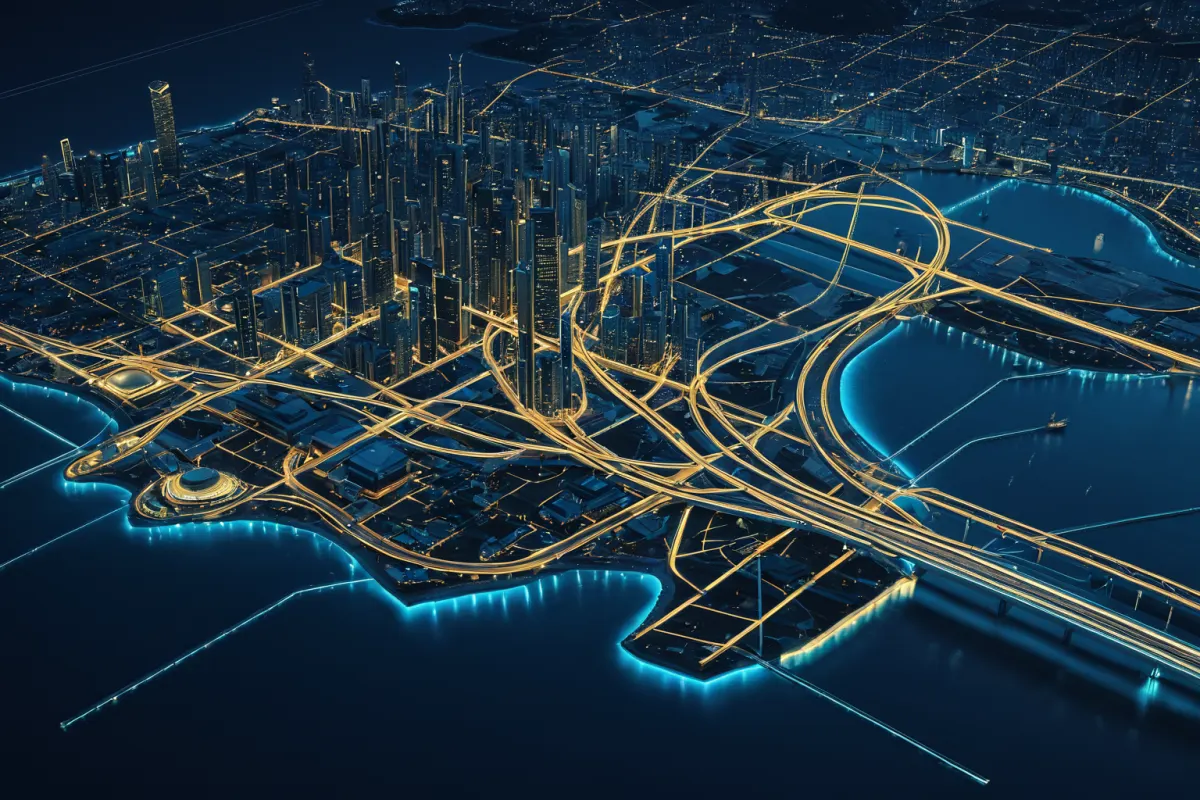
Transportation changes are another key aspect of the concert's economic impact. Large crowds moving simultaneously increase demand for subways, buses, taxis, KTX, and airport transfers.
Venue areas become congested before and after entry times, with mass departures following the show. This leads to longer taxi waits, crowded subways, and temporary road blockages in nearby areas.
For instance, fans arriving at Gimhae Airport may head to their hotels first, then proceed to the venue, followed by dinner at a restaurant. This flow directly increases transportation use while also driving additional spending along travel routes.
Where Local Business Sales Rise
The economic effect is felt beyond the venue itself, starting with nearby businesses like convenience stores, cafes, fast food outlets, takeout restaurants, and souvenir shops.
Before the concert, quick meal options sell well; after the show, late-night dining and cafe demand increase. When fans gather in specific locations, lines form quickly, causing nearby stores to deplete stock faster than usual.
For local businesses, this is a crucial opportunity—but they must prepare for sudden demand with proper staffing, packaging options, and efficient payment systems to convert it into actual revenue.
Real-World Example of the Spending Flow
Consider one fan from outside Busan spending 1 night and 2 days attending the concert. Their expenses include round-trip KTX fare, overnight accommodation, 2–3 meals, cafe visits, transportation, and small merchandise purchases—multiple spending categories.
This money circulates throughout the city: starting at convenience stores near train stations, moving to hotels, then restaurants around the venue, and ending with cafes and taxis before departure. The more out-of-town visitors, the stronger this ripple effect becomes as money from outside Busan circulates multiple times within the local economy.
Key Metrics for Measuring Economic Impact
To accurately assess BTS's Busan concert economic impact, don't just look at audience numbers—also track metrics like out-of-town visitor percentage, accommodation occupancy rates, food and beverage sales, and transportation usage.
Another important factor is the length of stay. If most visitors are day-trippers, the effect may be limited. But if stays extend beyond one night, accommodation and local spending both grow. Well-connected pre- and post-concert tourism programs help improve these metrics.
Larger events still face challenges if local infrastructure like accommodations or transportation can't handle demand. Thus, economic impact depends not only on the event's quality but also on a city's capacity to absorb visitors.
Why Busan Stands Out
Busan excels at hosting such events due to its combination of sea views, nightscapes, shopping, and accessible public transport. Unlike cities where fans just attend the show and leave immediately, Busan offers reasons for visitors to stay an extra day or two.
Additionally, Busan's widespread tourism infrastructure allows demand to shift between areas if one zone becomes overcrowded. This makes it ideal for large fan events that can activate multiple sectors across the city simultaneously.
However, a strong economic impact doesn't automatically guarantee higher sales. If hotel prices spike or transportation becomes too inconvenient, visitor satisfaction may drop, requiring proper management and clear communication to maximize benefits.
FAQ
Q1. Where is the economic impact of BTS's Busan concert first felt?
A. Typically in accommodations, transportation, and nearby restaurants. The more out-of-town visitors, the faster these effects appear.
Q2. Does the economic impact disappear immediately after the concert ends?
A. The biggest effect is on the event day, but some fans continue tourism activities, extending spending into the next day. Longer stays mean a longer-lasting impact.
Q3. What metrics should be tracked to measure economic impact in numbers?
A. Look beyond audience numbers—track out-of-town visitor rates, accommodation occupancy, transportation usage, and changes in nearby retail sales.
For the latest concert schedules or on-site details, check official announcements as these may vary by season and event setup.
Continue exploring similar topics.
View Category ArticlesFAQ
Where is the economic impact of BTS's Busan concert first felt?
Typically in accommodations, transportation, and nearby restaurants. The more out-of-town visitors, the faster these effects appear.
Does the economic impact disappear immediately after the concert ends?
The biggest effect is on the event day, but some fans continue tourism activities, extending spending into the next day. Longer stays mean a longer-lasting impact.
What metrics should be tracked to measure economic impact in numbers?
Look beyond audience numbers—track out-of-town visitor rates, accommodation occupancy, transportation usage, and changes in nearby retail sales.
Korean Source
This article is an English localization of a Korean-language report from BlogScore. Original: BTS 부산 공연 경제효과 정리: 관광·숙박·교통 변화