
Why the Blue House Rejected Judge Son Bong-gi's Nomination and How to Address It
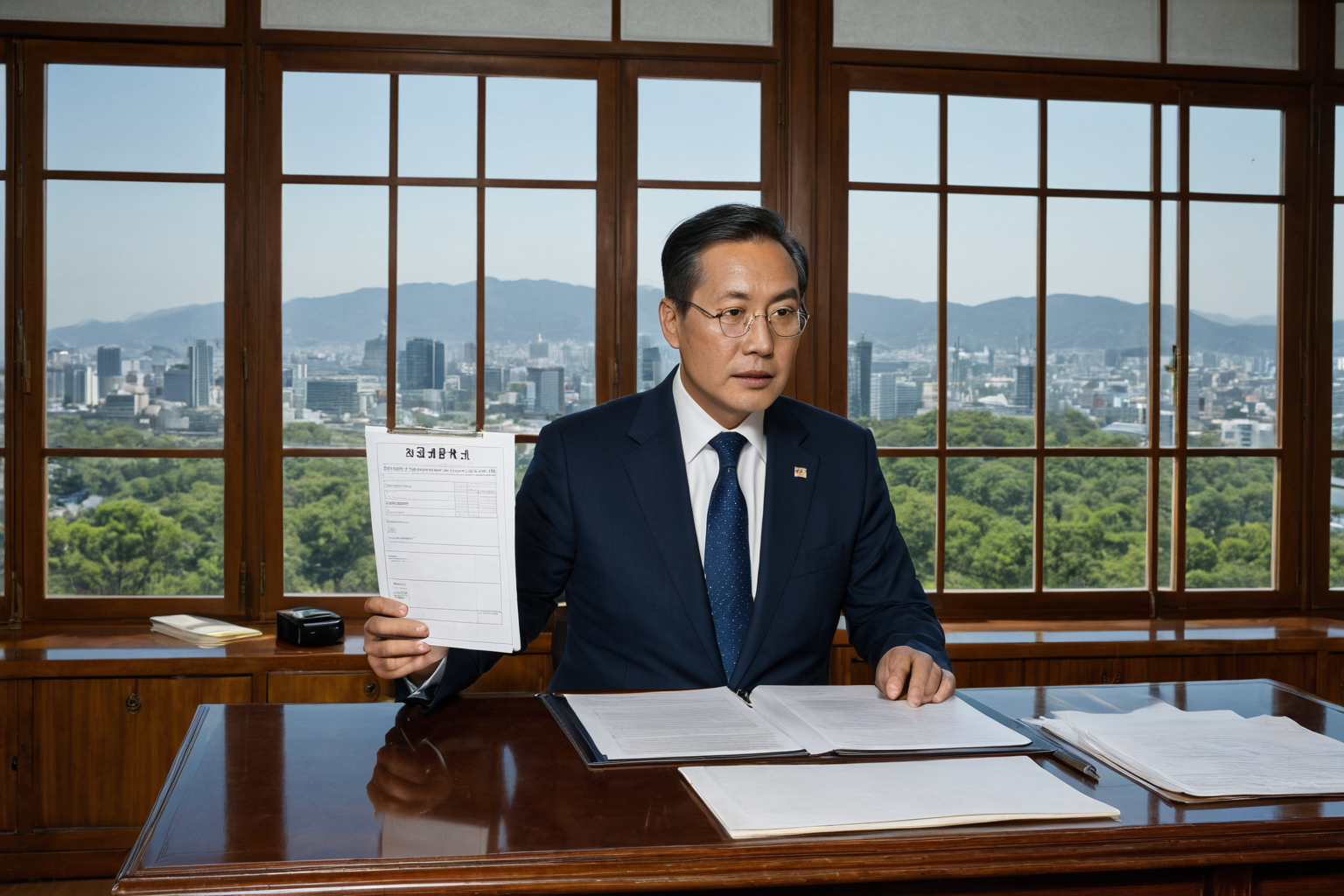
Blue House Rejects Nomination of Judge Son Bong-gi
The Blue House rejected the written nomination of Judge Son Bong-gi for Chief Justice, citing a lack of 'procedural completeness.' This is the first time such a rejection has occurred, with the Blue House pointing to Chief Justice Jo Hee-dae's decision to submit the nomination in writing without consulting the President.
The Blue House rejected the nomination for Judge Son Bong-gi on August 28, 2026, requesting the Chief Justice to resubmit. This decision reflects a strong criticism of the judiciary's action of submitting nominations via written form without prior consultation with the executive branch, escalating tensions between the two branches.
Diverging Views Between Opposition and Ruling Party
The People Power Party criticized the decision as an 'official confirmation of Lee Jae-myung's judicial system,' raising questions about impeachment. In contrast, the ruling Democratic Party described it as an 'unavoidable measure' and stated that they would resolve the issue through consultation with the Chief Justice.
According to Seoul Shinmun, the Blue House rejected Judge Son Bong-gi's written nomination and requested a resubmission from Chief Justice Jo Hee-dae. This is seen as the first time the Blue House has strongly criticized the judiciary for bypassing customary procedures by submitting nominations in writing without consulting the President.
Judge Son's Own Ignorance of the Nomination
Reports indicate that Judge Son Bong-gi was unaware his nomination had been submitted via written form. This adds further evidence to the procedural issues raised by the Blue House, highlighting a lack of internal procedures within the judiciary.
Chief Justice Kim Seong-su is expected to accept the rejection decision, suggesting internal coordination within the Supreme Court is underway.
Escalation of Separation of Powers Debate
The Blue House's rejection of Judge Son Bong-gi's nomination has intensified debates over separation of powers. This action, seen as breaking judicial-executive customs, has deepened tensions between the independence of the judiciary and executive authority.
Chief Justice Jo Hee-dae submitted nominations for two judges via written form, which was reported as a deviation from customary practices. The Blue House cited 'lack of procedural completeness' as the reason for the rejection.
Deepening Tensions Between Judiciary and Executive
The Blue House's first-ever rejection of a Supreme Court judge nomination has significantly altered relations between the two branches. This decision reflects a strong response to Chief Justice Jo Hee-dae's action of submitting nominations in writing without prior consultation with the President, which could influence future cooperation between the judiciary and executive.
Notably, Judge Son Bong-gi's lack of awareness about his written nomination further strengthens the Blue House's justification for the rejection. It serves as an example showing that the Supreme Court failed to adhere to internal procedures.

Issues with Written Nominations for Supreme Court Judges
The Blue House rejected Judge Son Bong-gi's nomination due to 'lack of procedural completeness,' pointing out that Chief Justice Jo Hee-dae submitted the nomination in writing without consulting the President. This decision, seen as a strong response to the judiciary's deviation from customary practices, marks the first such rejection.
According to Seoul Shinmun and SBS reports, Judge Son Bong-gi's written nomination was decided unilaterally by Chief Justice Jo Hee-dae, highlighting a lack of adherence to internal procedures within the Supreme Court. The Blue House categorized this as 'failure to meet procedural completeness,' leading to the rejection.
Opposition Criticism vs Ruling Party Explanation
The People Power Party criticized the Blue House's decision as an 'official confirmation of Lee Jae-myung's judicial system,' sparking impeachment-related debates. In contrast, the Democratic Party described it as an 'unavoidable measure' and stated they would resolve the issue through consultation with the Chief Justice.
This decision is expected to further complicate relations between the judiciary and executive branches. Particularly, ongoing discussions about why Chief Justice Jo Hee-dae chose written nominations and the Blue House's response will likely continue.
Internal Coordination Within the Judiciary
Reports suggest that Chief Justice Kim Seong-su is expected to accept Judge Son Bong-gi's rejection decision, indicating internal coordination within the Supreme Court. It appears Chief Justice Kim is currently exploring responses through internal discussions within the court.
The Supreme Court plans to proceed with a new nomination process following the Blue House's request for resubmission. This suggests that Chief Justice Jo Hee-dae may revise his written nomination approach and consult with the President before resubmitting, potentially improving relations between the judiciary and executive branches.
Deepening Separation of Powers Debate
The Blue House's rejection of Judge Son Bong-gi's nomination has expanded debates over separation of powers. This reflects deepening tensions surrounding judicial independence versus executive authority, particularly regarding Chief Justice Jo Hee-dae's decision to submit nominations without consulting the President.
The debate over separation of powers could set a new standard for improving relations between the judiciary and executive branches in the future. The written nomination approach by Chief Justice Jo Hee-dae, seen as violating customary practices, is why the Blue House responded so strongly.
Additional Information to Verify
The fact that Judge Son Bong-gi was unaware of his written nomination is an important detail requiring further verification. This could serve as key evidence demonstrating a lack of adherence to internal procedures within the Supreme Court.
Further confirmation is also needed on Chief Justice Jo Hee-dae's rationale for choosing written nominations and the specific details of the Blue House's response. These elements will be crucial references for improving relations between the judiciary and executive branches in the future.
Frequently Asked Questions
Why did the Blue House reject Judge Son Bong-gi's nomination?
The Blue House rejected Judge Son Bong-gi's written nomination due to 'lack of procedural completeness.' This points to Chief Justice Jo Hee-dae submitting the nomination in writing without consulting the President.
How did the People Power Party respond?
The People Power Party criticized the Blue House's decision as an 'official confirmation of Lee Jae-myung's judicial system,' raising impeachment-related debates.
What is Chief Justice Kim Seong-su planning to do?
Chief Justice Kim Seong-su is expected to accept Judge Son Bong-gi's rejection, indicating internal coordination within the Supreme Court is underway.
Frequently Asked Questions
The Blue House's rejection of Judge Son Bong-gi's written nomination marks the first time such a decision has been made, interpreted as a strong criticism of Chief Justice Jo Hee-dae's deviation from customary practices. This has intensified tensions between the judiciary and executive branches, potentially setting new standards for improving relations between them in the future.
Notably, Judge Son Bong-gi's unawareness of his written nomination serves as important evidence highlighting procedural shortcomings within the Supreme Court, further justifying the Blue House's rejection decision.
You can view more articles on similar topics at once.
View Related ArticlesFAQ
Why did the Blue House reject Judge Son Bong-gi's nomination?
The Blue House rejected the written nomination due to 'lack of procedural completeness,' citing that Chief Justice Jo Hee-dae submitted it without consulting the President.
How did the People Power Party respond?
They criticized the decision as an 'official confirmation of Lee Jae-myung's judicial system,' raising impeachment-related debates.
What is Chief Justice Kim Seong-su planning to do?
He is expected to accept Judge Son Bong-gi's rejection, indicating internal coordination within the Supreme Court.
Korean Source
This article is an English localization of a Korean-language report from BlogScore. Original: 손봉기 서면 제청 반려 이유와 대처 방법