
The Scientific Significance of Black Hole HD 1080p Images and Observation Technologies
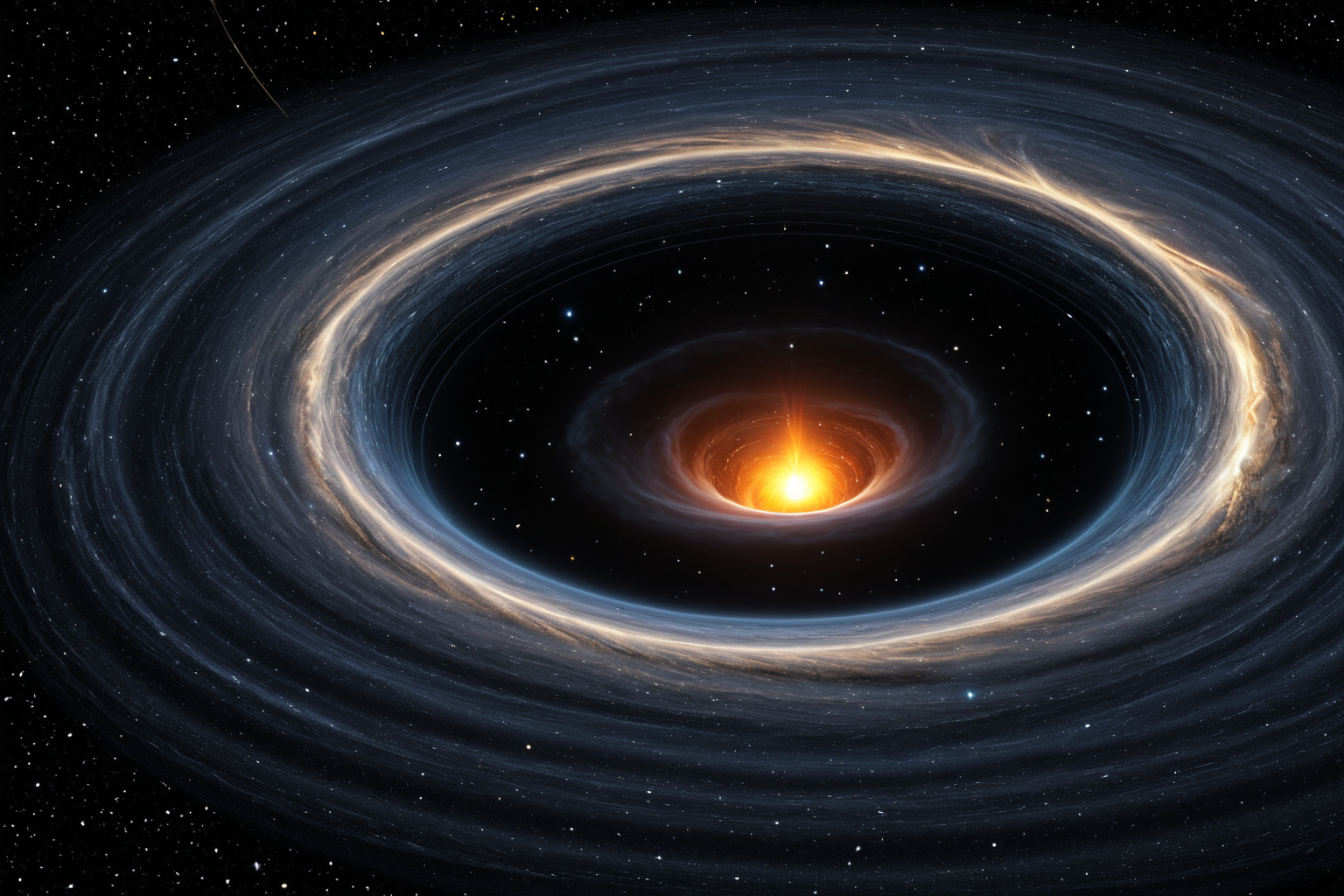
M87 Black Hole Magnetic Field Changes First Observed
In September 2025, the Event Horizon Telescope (EHT) project captured the world's first observation of magnetic field changes around a supermassive black hole. This represents dynamic magnetic field variations observed continuously over four years near the M87 black hole, providing new insights to the scientific community.
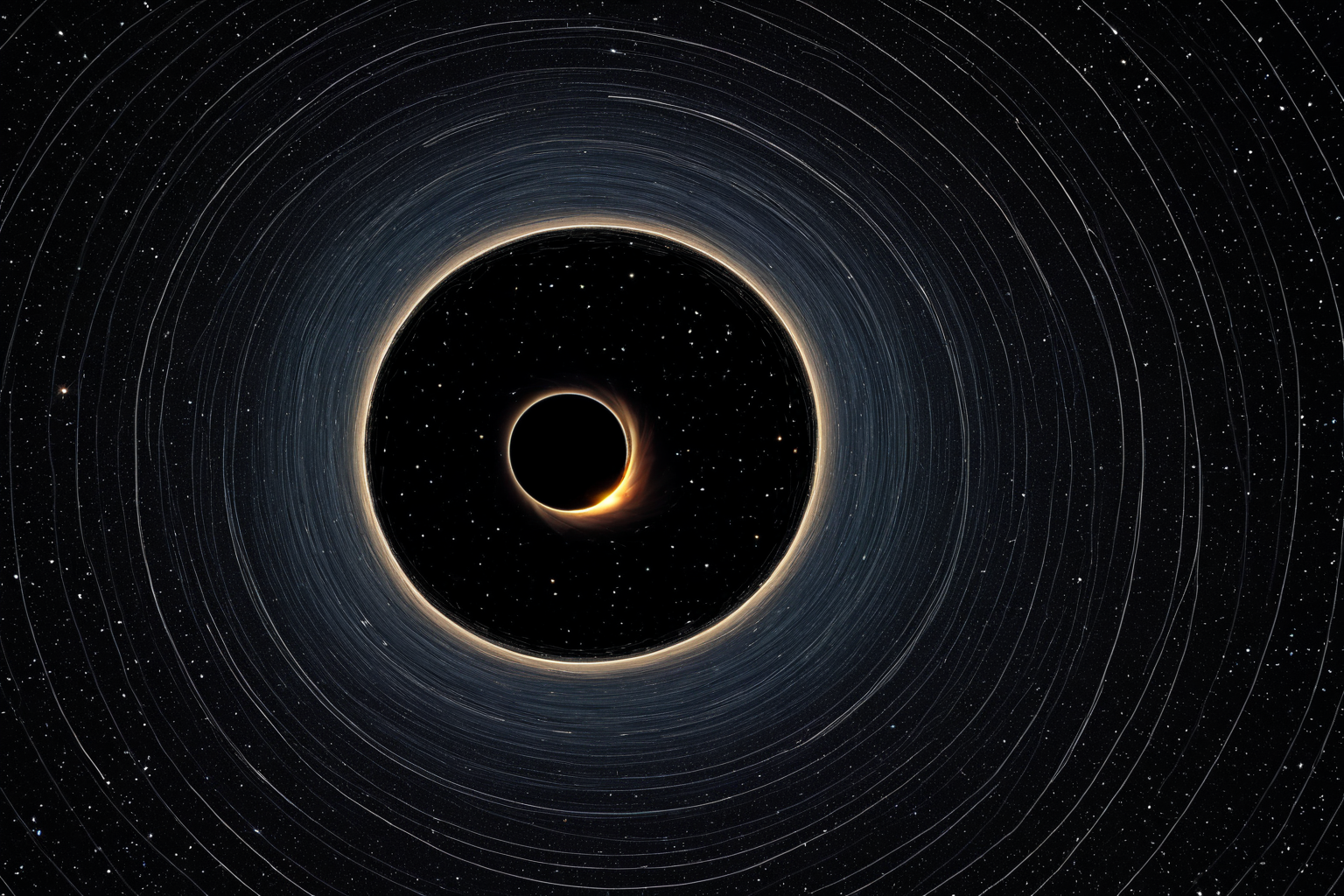
Historical Development of Black Hole Research
On April 10, 2019, the world's first image of a black hole was released. This was the M87 galaxy's central supermassive black hole observed by the EHT consortium, marking the first time scientists directly confirmed the 'shadow' of a black hole using available technology at that time.
On May 12, 2022, the EHT released its first image of our galactic center black hole (Sagittarius A*), demonstrating increasingly refined black hole observation techniques. These two milestones marked the beginning of a new era in black hole research.
Key Discoveries Over the Past Five Years
On August 29, 2024, researchers reported success in observing the M87* black hole at record high resolution, producing images significantly clearer than previous observations by more than three times.
On September 16, 2025, the EHT project announced the world's first capture of magnetic field changes around a supermassive black hole. This observation documented dynamic magnetic field variations over four years near the black hole, yielding results that differed from previous predictions.
On February 9, 2026, precession motion (with an 11-year cycle) resembling a spinning top was observed around the M87 black hole. This observation provided important experimental evidence confirming Einstein's general theory of relativity.
Technological Innovations in Research
Korea Advanced Institute of Science and Technology (KAIST) researchers developed a new observation technology using laser light on January 15, 2026. This technique helps provide clearer views of fine structures around black holes.
On October 31, 2025, observations confirmed the mechanism by which black holes grow by consuming other black holes through gravitational wave detection. This demonstrated that black holes don't just absorb matter but also increase in size through merging processes.
Scientific Significance
The dynamic nature of M87's magnetic field provides new understanding about how material moves around black holes. Specifically, the four-year continuous magnetic field changes offer crucial clues for explaining the energy emission mechanisms of black holes.
The observation of precession motion provided strong experimental evidence supporting Einstein's theory, allowing direct confirmation of how rotating black holes distort surrounding space. This has strengthened foundational theories in astrophysics.
Future Outlook
The scientific community predicts a 90% probability of witnessing black hole eruptions within the next decade, as improved observation technologies enable more accurate predictions.
On July 7, 2026, the James Webb Space Telescope celebrated its fourth anniversary by releasing high-resolution galaxy images, opening new opportunities to observe structures around black holes with greater clarity.
National Research Achievements
Korean astronomers analyzed dynamic movements of material around the M87 black hole, presenting new insights into black hole behavior patterns. This research, announced on November 11, 2025, became a milestone that drew international attention to South Korea's black hole observation technology.
National research teams also proposed potential studies on 'a third type of ultra-dense celestial body,' which could represent a new class of celestial objects existing between black holes and neutron stars. This remains an unverified hypothesis at this time.
Advances in Observation Technology
Black hole observation technology has significantly advanced through the EHT project. Since the first image captured in 2019, resolution and analytical capabilities have improved, making it possible to observe finer structures of black holes.
On September 17, 2025, the Korea Aerospace Research Institute (KARI) and the Korea Astronomy and Space Science Institute (KASI) released additional reports on the captured magnetic field changes around supermassive black holes. This demonstrated the ongoing research achievements of the EHT project.
Research Challenges
Black hole observation still faces many unresolved questions. For example, understanding the initial formation stages of black holes and the evolutionary processes of supermassive black holes remains insufficient.
Additionally, magnetic field changes and precession motion observed around M87's black hole are considered new physical phenomena requiring further research. In particular, the interaction between jets observed near black holes and magnetic fields involves complex quantum mechanical mechanisms.
Verified Information
Black hole research continues to evolve. The September 16, 2025 observation of magnetic field changes provided important clues for understanding interactions between material and magnetic fields around black holes, though further observations are needed.
The February 9, 2026 observation of precession motion is regarded as strong experimental evidence supporting Einstein's theory, with ongoing discussions within the scientific community.
Frequently Asked Questions
Why is a black hole's magnetic field important?
A black hole's magnetic field is crucial for understanding how surrounding material moves and energy emission mechanisms work. Magnetic field changes help predict black hole behavior patterns.
What is precession motion?
Precession motion refers to the phenomenon where a rotating black hole distorts surrounding space, similar to a spinning top. Observed with an 11-year cycle, this phenomenon directly contributes to verifying Einstein's general theory of relativity.
Why does the scientific community predict a 90% chance of witnessing black hole eruptions within the next decade?
Improved observation technologies have enabled more accurate monitoring of black hole changes, increasing prediction accuracy.
You can view similar articles in one place.
View Related ArticlesFAQ
Why is a black hole's magnetic field important?
A black hole's magnetic field is crucial for understanding how surrounding material moves and energy emission mechanisms work. Magnetic field changes help predict black hole behavior patterns.
What is precession motion?
Precession motion refers to the phenomenon where a rotating black hole distorts surrounding space, similar to a spinning top. Observed with an 11-year cycle, this phenomenon directly contributes to verifying Einstein's general theory of relativity.
Why does the scientific community predict a 90% chance of witnessing black hole eruptions within the next decade?
Improved observation technologies have enabled more accurate monitoring of black hole changes, increasing prediction accuracy.
Korean Source
This article is an English localization of a Korean-language report from BlogScore. Original: 블랙홀 HD 1080p 사진의 과학적 의미와 관측 기술