
Best Urban Locations to View the Perseid Meteor Shower in Seoul
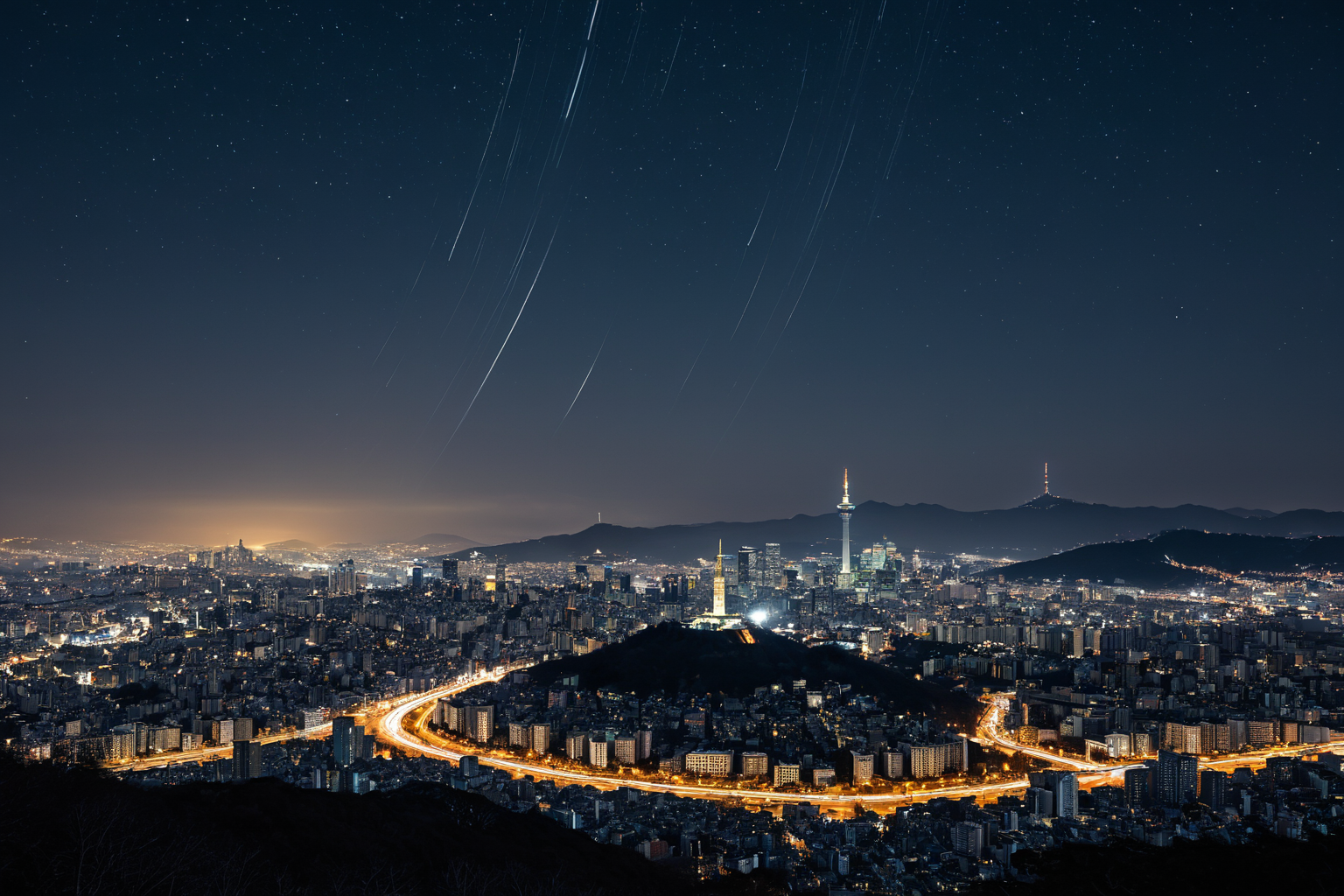
The 2026 Perseid meteor shower will peak in August, making it a topic of interest for many Seoul residents seeking ideal viewing locations within the city. With no moonlight enhancing visibility and up to 100 meteors per hour possible, finding spots away from light pollution is essential as urban areas typically make meteor watching challenging. Checking your preferred park's website for viewing information is recommended.
Peak Timing and Viewing Conditions
The Perseid meteor shower is expected to reach its peak between August 13-14, 2026, with optimal conditions due to the absence of moonlight. This allows up to 100 meteors per hour to be visible. It's important to note that this aligns with the Perseids' annual occurrence in mid-August.
To optimize viewing conditions, it's essential to choose locations with minimal light pollution and no moonlight. Urban areas often make meteor watching difficult due to building lights, vehicle headlights, and streetlights; therefore, outdoor parks or moving slightly outside the city center is recommended for better visibility.
Best Viewing Times and Recommended Locations
The optimal viewing window will be from 10 PM on August 12 until 4 AM on August 13. Choosing parks on the outskirts of the city or areas with minimal lighting during this time frame can enhance your experience.
Recommended spots within Seoul include Yeouido Hangang Park, Namsan Park, and gardens around Gyeongbokgung Palace. These parks offer low lighting and wide views ideal for meteor watching. Notably, Yeouido Hangang Park provides a relatively dark environment even within the city, without large outdoor screens or bright lights that would interfere with viewing.
Checking park websites for viewing information is advisable before heading out. This is especially relevant during mid-August when the Perseid meteor shower occurs, as parks may adjust lighting or host special events.
Viewing Strategy and Preparation
Maintaining a dark environment is crucial while watching meteors. Minimize surrounding lights and turn off bright screens on phones or cameras. Additionally, prepare warm clothing for extended outdoor time and comfortable shoes for walking to your chosen location.
When selecting viewing spots, prioritize areas with clear sightlines unobstructed by buildings or trees. Large parks like Yeouido Hangang Park are ideal as they offer low lighting and elevated positions suitable for meteor watching, particularly considering meteors often streak across lower parts of the sky.
Checking the weather forecast the day before is essential. Cloudy conditions can hinder visibility, so using a weather app to prepare ahead of time is recommended. Specifically in mid-August 2026, there may be higher chances of rain or cloud cover that could affect viewing opportunities.
Limits of Urban Viewing and Alternatives
Urban areas often present challenges for meteor watching due to light pollution from building lights, vehicle headlights, and streetlights. For this reason, moving outside the city center to natural landscapes is recommended if urban spots prove too difficult.
Mountainous regions or observatories are ideal for meteor viewing but may be inconveniently far for most city dwellers; therefore, nearby parks with minimal lighting offer a practical alternative.
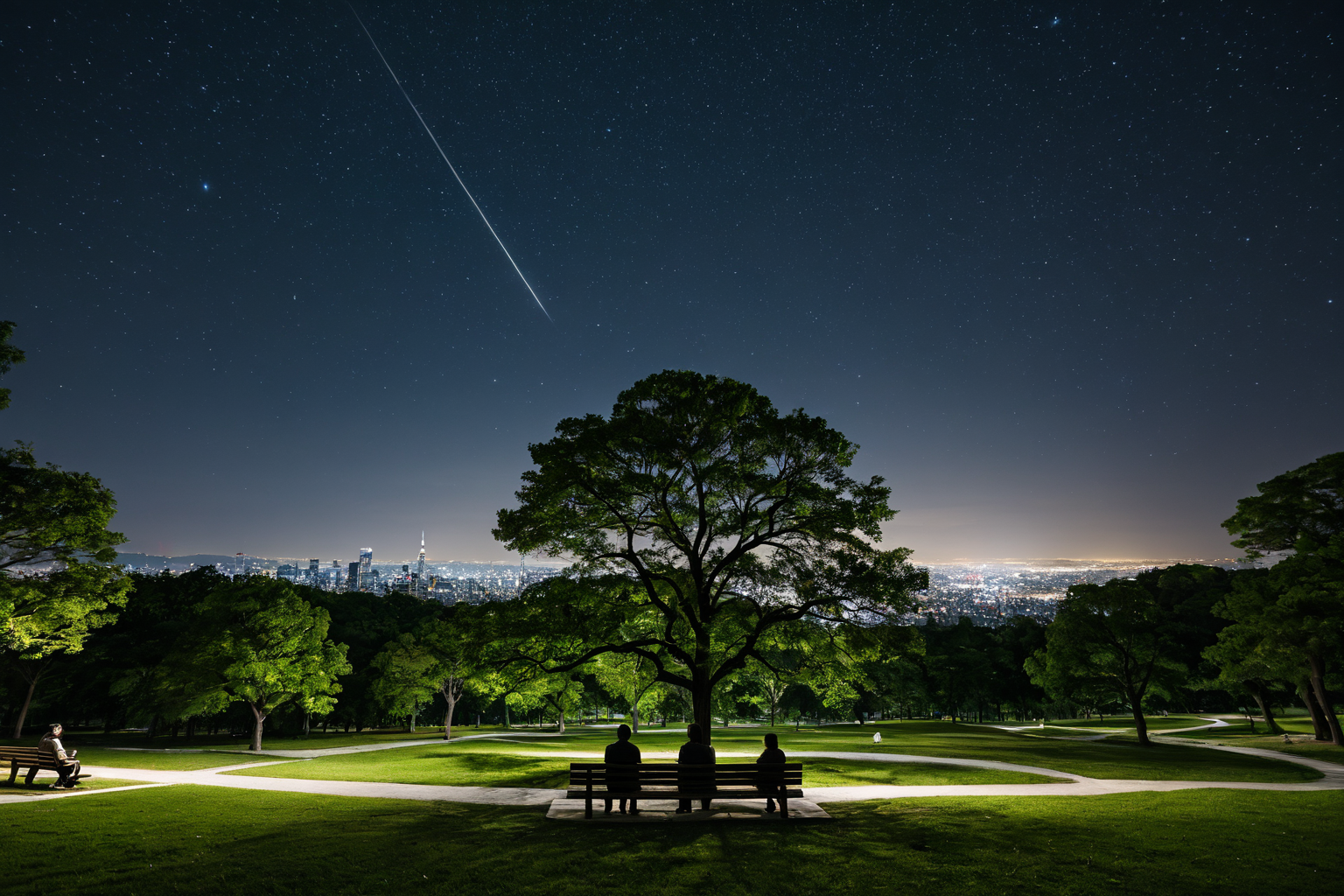
Within Seoul, parks like Yeouido Hangang Park, Namsan Park, and gardens around Gyeongbokgung Palace provide suitable conditions. These locations feature low lighting and wide views that are optimized for observing the Perseid meteor shower.
Checking Information and Response Strategies
Gathering pre-viewing information is important. Check park websites for viewing details, and use weather apps to predict conditions ahead of time. This helps avoid cloud cover or rain that could interfere with the meteor shower observation.
On the day before your viewing, minimize surrounding lights and lower phone screen brightness. Additionally, bringing a camera can help capture photos of the meteors during the event.
After viewing, be mindful to clean up any waste and stay safe, especially if you've been outside for an extended period. It's advisable to take appropriate rest and maintain warmth as fatigue or cold may set in after prolonged outdoor exposure.
Key Information and Precautions
For optimal meteor viewing, choose locations with minimal surrounding lighting. Urban areas often make observation difficult due to building lights and vehicle headlights; therefore, parks or moving outside the city center is recommended.
The peak viewing window will be from 10 PM on August 12 until 4 AM on August 13, 2026. This time frame offers the best chance to see the highest number of meteors, consistent with the Perseids' annual mid-August occurrence.
When selecting viewing locations, prioritize areas with clear sightlines unobstructed by buildings or trees. Large parks like Yeouido Hangang Park provide low lighting and elevated positions ideal for meteor watching.
Frequently Asked Questions
When can the Perseid meteor shower be viewed?
The Perseid meteor shower is expected to peak between August 13-14, 2026. The optimal viewing window will be from 10 PM on August 12 until 4 AM on August 13.
Why is it difficult to view meteors in urban areas?
Urban areas often make meteor watching challenging due to light pollution from building lights, vehicle headlights, and streetlights. Choosing outdoor parks or low-light areas is recommended for better visibility.
What should be considered before viewing?
Check the weather forecast the day before, minimize surrounding lighting, and lower phone screen brightness. Additionally, prepare warm clothing and comfortable shoes for extended time outdoors.
What precautions should be taken after viewing?
After viewing, clean up any waste, stay safe, and take appropriate rest and warmth measures as prolonged outdoor exposure may cause fatigue or coldness.
Frequently Asked Questions
The Perseid meteor shower is an astronomical event visible in mid-August 2026, which can be challenging to observe within urban areas due to light pollution. Choosing low-light outdoor parks or areas with minimal lighting is recommended. Within Seoul, suitable locations include Yeouido Hangang Park, Namsan Park, and gardens around Gyeongbokgung Palace.
Before viewing, check the weather forecast, minimize surrounding lights, and lower phone screen brightness. Additionally, prepare warm clothing and comfortable shoes for extended outdoor time.
The Perseid meteor shower is an annual event occurring in mid-August each year, offering the best chance to observe the highest number of meteors during this period. Therefore, gathering pre-viewing information and selecting optimal locations and times is recommended for a successful experience.
You can find similar articles all in one place.
View Related ArticlesFAQ
When can the Perseid meteor shower be viewed?
The Perseid meteor shower is expected to peak between August 13-14, 2026. The optimal viewing window will be from 10 PM on August 12 until 4 AM on August 13.
Why is it difficult to view meteors in urban areas?
Urban areas often make meteor watching challenging due to light pollution from building lights, vehicle headlights, and streetlights. Choosing outdoor parks or low-light areas is recommended for better visibility.
What should be considered before viewing?
Check the weather forecast the day before, minimize surrounding lighting, and lower phone screen brightness. Additionally, prepare warm clothing and comfortable shoes for extended time outdoors.
What precautions should be taken after viewing?
After viewing, clean up any waste, stay safe, and take appropriate rest and warmth measures as prolonged outdoor exposure may cause fatigue or coldness.
Korean Source
This article is an English localization of a Korean-language report from BlogScore. Original: 도심에서 페르세우스 유성우 관측 가능한 최적 장소 추천