
Best Times and Locations to Watch the Perseid Meteor Shower in 2026
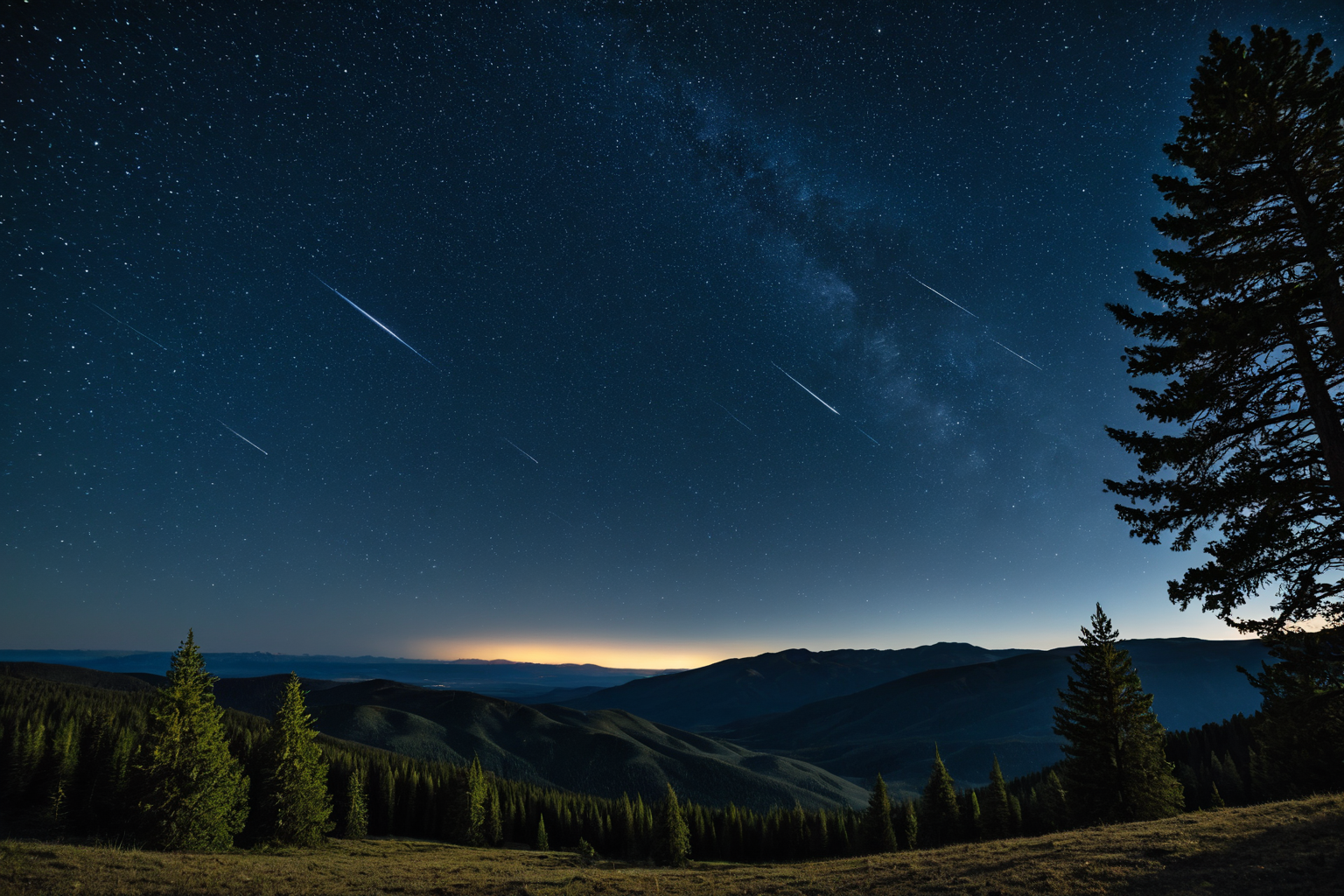
Peak Viewing Times for the Perseid Meteor Shower
The 2026 Perseid meteor shower is expected to reach its peak between the night of August 12 and the early morning of August 13. The maximum activity will occur around 11:30 PM on August 13, with up to 100 meteors per hour visible under ideal conditions—dark skies without moonlight.
Best Locations for Viewing
Rural areas or outskirts away from city lights are ideal for observing the meteor shower. Higher elevations with wide views of the sky allow for clearer observation of the starry night sky adorned with meteors. The event is visible to the naked eye, and capturing the trails of shooting stars with a camera is also recommended.
While the Perseid meteor shower can be observed nationwide, urban areas with heavy light pollution may make it difficult to see the meteors due to bright streetlights. Therefore, mountainous regions in Gangwon Province or coastal areas in Gyeongsang Province are better options than city centers like Seoul.
Analysis of Optimal Viewing Times
The peak period for the Perseid meteor shower is from the night of August 12 to the early morning of August 13. During this time, meteors appear most frequently, with the highest likelihood around 11:30 PM on August 13. This prediction is based on astronomical data, though actual visibility may vary slightly depending on weather and atmospheric conditions.
Mid-August falls during summer, so it's best to observe between 10 PM and 2 AM to maintain a dark sky. This timeframe corresponds to when the moon has set or is not yet visible, ensuring the darkest part of the night.
Cause and Characteristics of Meteor Showers
The Perseid meteor shower occurs annually from late July through mid-August as Earth moves toward the constellation Perseus. The meteors are caused by dust particles left behind by a small celestial body orbiting the sun, which enter Earth's atmosphere and emit light upon entry.
A key characteristic of this shower is its high number of visible meteors per hour, especially around mid-August when it becomes most active. Compared to other meteor showers, the Perseid shower offers a higher chance of observation, making it a popular event for many stargazers.
Important Tips and Preparations
To observe the meteor shower safely, wear warm clothing as temperatures can drop significantly during early morning hours. It's also advisable to bring a companion rather than observing alone for safety reasons. When choosing a location, consider proximity to facilities; remote areas may be difficult to access by car, so plan your route in advance.
While specialized equipment isn't required, bringing a camera and tripod can help capture the trails of meteors. For best results, use exposure times longer than 30 seconds to show the long streaks left by shooting stars.
How to Confirm Successful Observation
To increase your chances of seeing the meteor shower, ensure the surrounding environment is dark and there's no moonlight. Clear weather with minimal clouds is also essential. If clouds or rain are expected, check the forecast beforehand as observation will not be possible.
If you don't see any meteors at first, don't get discouraged—visibility varies by time, location, and other factors. It's recommended to observe consistently from August 12 through the early morning of August 13 for the best results.
FAQs About the Perseid Meteor Shower
Q: When is the Perseid meteor shower most visible?
The Perseid meteor shower peaks around 11:30 PM on August 13, with up to 100 meteors per hour visible under ideal conditions.
Q: Can I observe it in a city?
City areas often have too much light pollution for good visibility. Moving to the outskirts or rural areas where the sky is darker is recommended.
Q: What equipment do I need?
You can view it with the naked eye, but bringing a camera and tripod will help record meteor trails. Warm clothing and minimizing artificial light are also important.
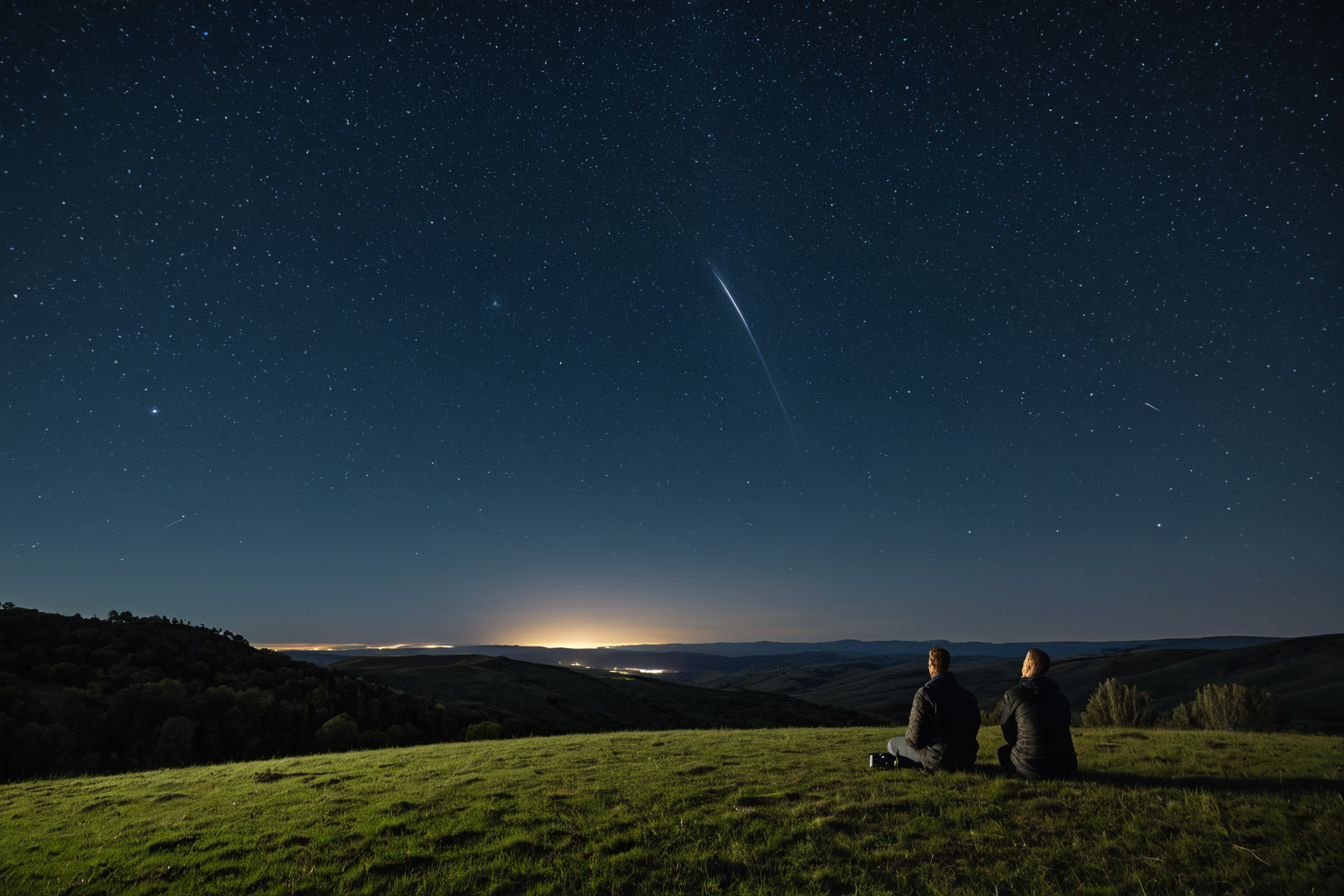
Additional Viewing Tips and Precautions
Accurately timing your observation and checking weather conditions is crucial. Since mid-August is summer, it can get cool in the early morning hours—wear warm clothing before heading out.
The Perseid shower produces many meteors per hour, so take breaks every 1-2 hours to avoid fatigue. Also, keep your surroundings as dark as possible to maximize visibility.
Scientific Background of Meteor Showers
The Perseid meteor shower happens when Earth passes through dust particles left by a small celestial body orbiting the sun. These particles enter Earth's atmosphere and emit light upon entry, creating the visible meteors.
This phenomenon occurs annually from late July to mid-August, with 2026 expected to peak on the night of August 12 through early morning of August 13.
Increasing Your Chances of Success
To improve your success rate: choose a moonless night; move away from city lights to rural areas; observe between 10 PM and 2 AM, focusing on the peak around 11:30 PM on August 13. Also, check accessibility of the location in advance and ensure it's safe for nighttime observation.
Other Related Astronomical Events
Other meteor showers include the Draconid shower in mid-October and the Leonids in early November. However, the Perseid shower is one of the most reliable and widely observed due to its high visibility.
These astronomical events provide valuable insights into Earth's interaction with our solar system, offering both recreational enjoyment and scientific study opportunities.
Post-Observation Reflections and Recommendations
The Perseid meteor shower is a popular event enjoyed by many. During the peak period around 11:30 PM on August 13, you can enjoy a sky filled with shooting stars—a moment to escape daily stress and appreciate nature's beauty.
After observing, sharing photos or videos online allows others to experience the phenomenon too, enhancing collective understanding of astronomy.
Explore similar articles on this topic in one place.
View Related ArticlesFAQ
When is the Perseid meteor shower most visible?
The Perseid meteor shower peaks around 11:30 PM on August 13, with up to 100 meteors per hour visible under ideal conditions.
Can I observe it in a city?
City areas often have too much light pollution for good visibility. Moving to the outskirts or rural areas where the sky is darker is recommended.
What equipment do I need?
You can view it with the naked eye, but bringing a camera and tripod will help record meteor trails. Warm clothing and minimizing artificial light are also important.
Korean Source
This article is an English localization of a Korean-language report from BlogScore. Original: 페르세우스 유성우 절정 시간대별 최적 관측 장소 추천