
Best Times and Safe Locations to View Meteor Showers in South Korea
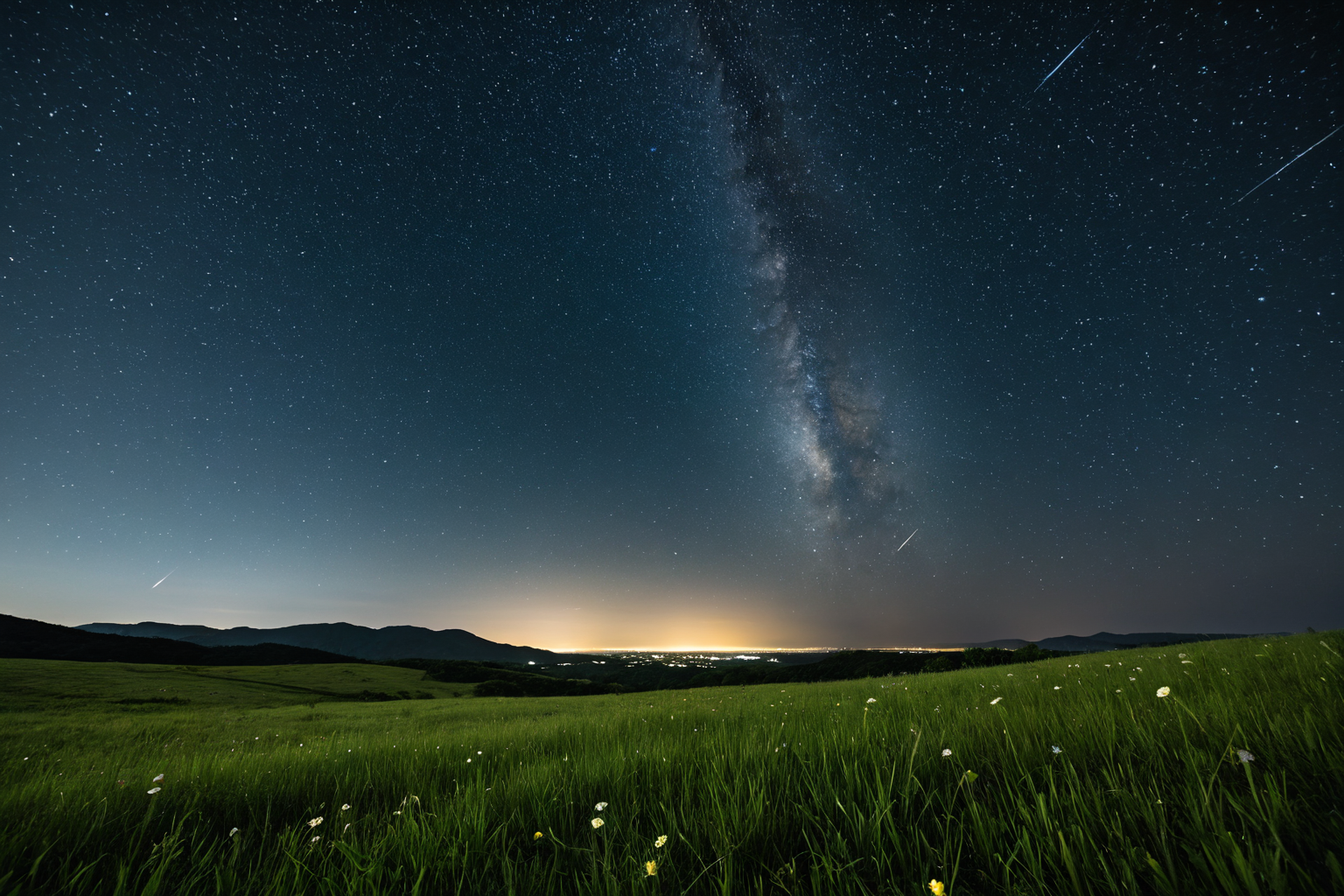
Best Time to View Meteors: Peak of the 2026 Perseids
The key event for meteor viewing in 2026 is the Perseid Meteor Shower, which will reach its peak between the evening of August 12 and early morning of August 13. The best viewing occurs on moonless nights when up to about 100 meteors per hour may be visible. Observing from areas with minimal light pollution provides clearer views.
Recommended Safe Viewing Locations: Outskirts and Outdoor Parks
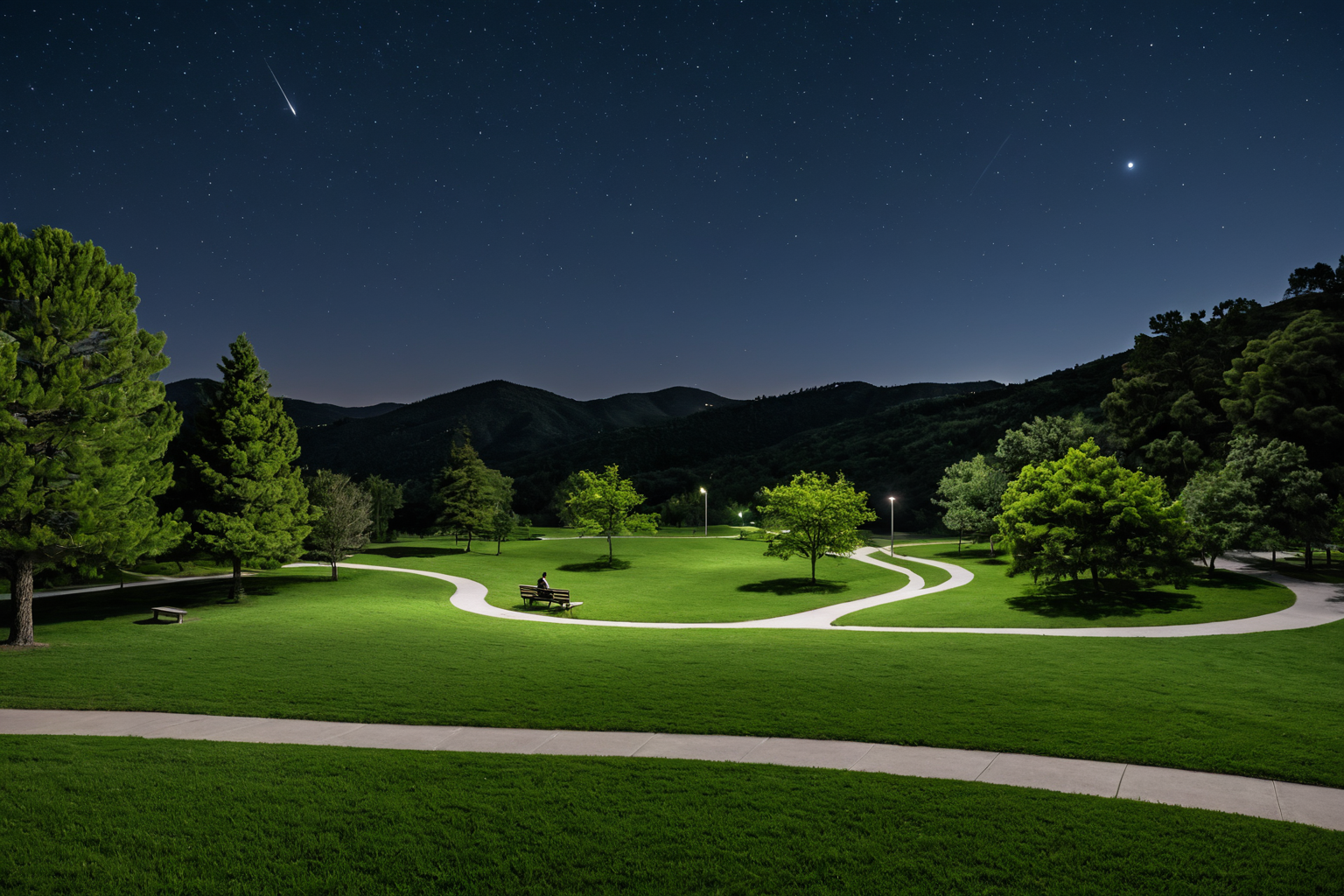
To view meteors effectively, choose locations with minimal city lighting. The outskirts of cities or open outdoor parks are ideal. The Cheonan Hongdae Yong Science Center will host an observation event on August 12, offering expert guidance that is suitable for beginners.
Other Meteor Shower Viewing Times: Orionids and Geminids
In addition to the Perseids, there are the Orionid Meteor Shower in October 2026 and the Geminid Meteor Shower in December. The Orionids will peak around October, while the Geminids offer their best viewing opportunities in December. The Geminids are particularly well-known worldwide for meteor watching.
When selecting a viewing location, avoid areas with city lighting and choose spots with wide open views. Attending the Cheonan Hongdae Yong Science Center event on August 12 allows you to observe meteors with expert guidance, with an expected rate of about 100 meteors per hour.
Moonlight Impact and Optimal Viewing Times
Moonlight can significantly interfere with meteor viewing. Bright moonlight makes it difficult to see meteors as their light is obscured. The peak of the 2026 Perseid Meteor Shower occurs between the evening of August 12 and early morning of August 13, when moonlight is minimized, providing ideal conditions.
A viewing session of about four hours is recommended, specifically from the evening of August 12 to early morning on August 13. During this time, meteors are most visible with minimal moonlight interference.
Location Selection Tips: Outskirts and Outdoor Spaces
When choosing a viewing location, avoid city lighting as much as possible. The outskirts of cities or open outdoor parks provide the best views. The outdoor spaces around Cheonan Hongdae Yong Science Center are particularly suitable for observation, with guided events making it accessible even for beginners.
To enhance visibility, turn off surrounding lights and allow your eyes 15-20 minutes to adjust to the dark. It's also important to check the location in advance and move safely to a secure spot.
Enjoying Events for a More Comfortable Experience
The Cheonan Hongdae Yong Science Center will host a 'Perseid Meteor Shower Observation Event' on August 12. This event offers expert guidance, making it ideal for beginners, and features telescopes and equipment for clearer viewing.
If you cannot attend the event, you can still observe meteors independently in areas with minimal city lighting. Choose locations with wide open views and minimize surrounding light for the best experience.
Precautions Before and After Viewing
Meteor watching is relatively safe but requires awareness of your surroundings at night. When observing from outskirts or walking paths, it's advisable to plan a safe route in advance.
Select viewing spots away from residential areas with good nighttime visibility. Also, remember to clean up after yourself following the observation.
Other Meteor Shower Opportunities
In addition to the Perseids, there are the Orionid Meteor Shower in October and the Geminid Meteor Shower in December. The Orionids peak around October 2026, while the Geminids offer their best viewing opportunities in December. The Geminids are globally renowned for meteor watching.
Each shower's peak time varies depending on moonlight and lighting conditions, so planning ahead is recommended. In 2026, there will be multiple opportunities to observe meteors, so choose the right location and time for your viewing experience.
Viewing Tips and Precautions
Meteor watching is straightforward but requires a few precautions. First, avoid moonlight as much as possible. The period from the evening of August 12 to early morning on August 13 has minimal moonlight, making it ideal.
Choose viewing locations such as city outskirts or outdoor parks with wide open views. Additionally, turn off surrounding lights before observing and allow your eyes about 15-20 minutes to adjust to the dark for clearer meteor sightings.
Frequently Asked Questions
Do I need a moonless night to view meteors? Yes, viewing on moonless nights is best. Bright moonlight can obscure meteor light and make observation difficult.
Where should I choose for observing locations? We recommend areas with minimal city lighting such as the outskirts of cities or open outdoor parks. The outdoor spaces around Cheonan Hongdae Yong Science Center are also a good option.
How many meteors can be seen per hour? For the 2026 Perseid Meteor Shower, approximately 100 meteors per hour are expected to be visible.
Frequently Asked Questions
The key event for meteor viewing in 2026 is the Perseid Meteor Shower, peaking between the evening of August 12 and early morning on August 13. Viewing on moonless nights with minimal city lighting provides the clearest views, and the Cheonan Hongdae Yong Science Center offers beginner-friendly observation events.
Other meteor showers like the Orionids in October and Geminids in December also provide optimal viewing opportunities. Check peak times in advance and choose appropriate locations and times for your best experience.
You can find similar articles all in one place.
View Related ArticlesFAQ
Do I need a moonless night to view meteors?
Yes, viewing on moonless nights is best. Bright moonlight can obscure meteor light and make observation difficult.
Where should I choose for observing locations?
We recommend areas with minimal city lighting such as the outskirts of cities or open outdoor parks. The outdoor spaces around Cheonan Hongdae Yong Science Center are also a good option.
How many meteors can be seen per hour?
For the 2026 Perseid Meteor Shower, approximately 100 meteors per hour are expected to be visible.
Korean Source
This article is an English localization of a Korean-language report from BlogScore. Original: 별똥별 관측 시기와 안전한 관측 장소 추천