
The Best Time to Order Frozen Foods from Food Wholesale Markets
When deciding when to order frozen foods from food wholesale markets, it's important to consider evolving regulations and distribution structures. Recent changes, such as restrictions on 24-hour operations at large supermarkets, have led to the growth of specialized food wholesale stores. Innovations like early-morning delivery services and digital platforms have improved ordering convenience. However, over 2,000 'unregulated' B2B markets exist, raising concerns about distorted market order. Legislative discussions are currently underway in parliament to bring these markets into formal regulation.
Growth of Food Wholesale Stores and Regulatory Environment
The growth of food wholesale stores has accelerated due to restrictions on 24-hour operations at large supermarkets. This provides consumers with the convenience of purchasing food supplies until late evening, particularly appealing to small business owners who value ease of ordering. As reported on June 27, 2022, concerns about regulatory gaps in food wholesale stores emerged following these changes, reflecting shifts in competitive dynamics between supermarket chains and specialized stores. Specifically, after large supermarkets were prohibited from operating 24 hours, many small businesses turned to food wholesale stores to meet their demand for wholesale frozen foods.
This shift isn't merely a result of regulatory change—it aligns with the practical needs of small business owners. For instance, restaurants and cafes previously struggled to purchase supplies during late-night or early-morning hours due to supermarket operating restrictions. With 24-hour operations at food wholesale stores, these challenges were resolved, particularly for frozen foods where demand increases after evening hours or in the early morning.
Logistics Innovation and Digital Transformation
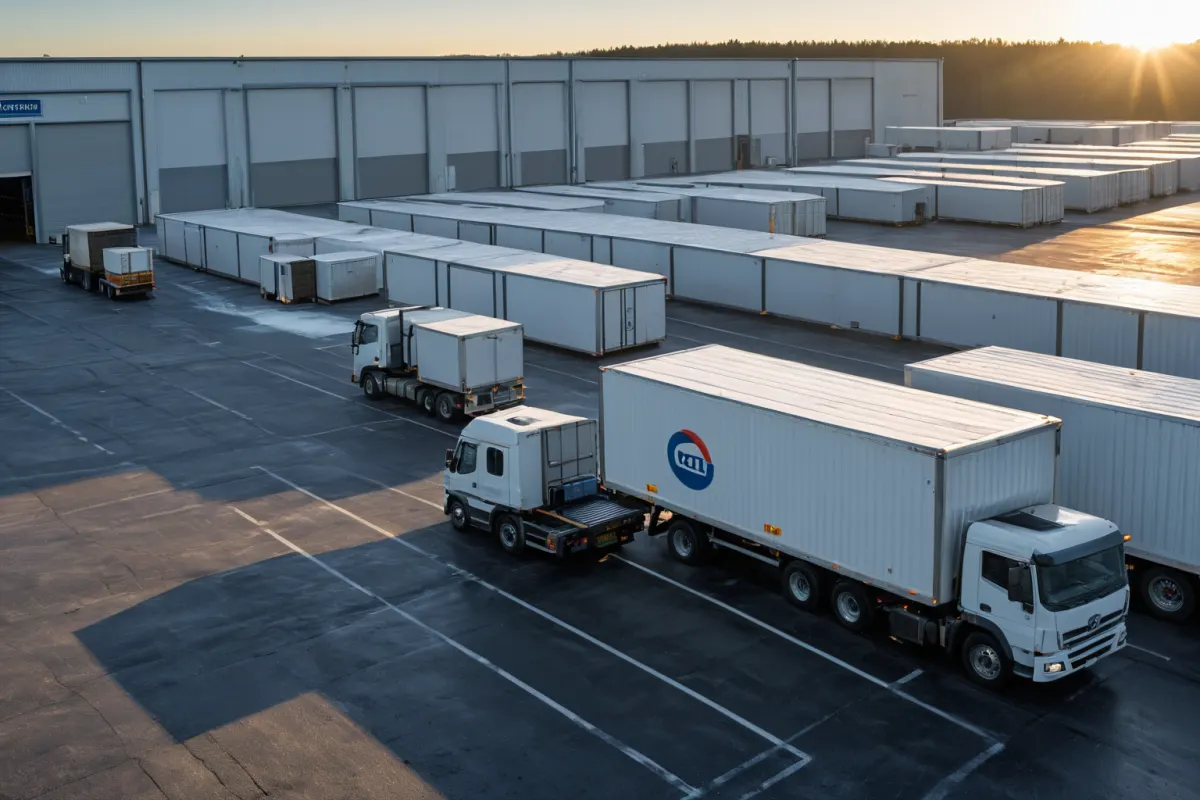
Companies like Fudist have introduced early-morning delivery services and digital platforms, significantly improving ordering convenience. A report from April 19, 2023 highlighted how savvy small business owners are using smart shopping methods through these new platforms, reflecting emerging market trends. This evolution has made ordering frozen foods more convenient as well.
Real-time inventory checks and customized order options via digital platforms are now standard. For example, mobile apps from food wholesale stores allow users to monitor real-time stock levels and price fluctuations for frozen foods, which is essential information for determining the best time to place an order. Additionally, early-morning delivery services typically operate between midnight and 6 a.m., making this window ideal for maintaining frozen product quality during transit.
Because frozen foods require strict temperature control, considering the timing of your order and delivery window is essential. Ordering at 10 p.m., for instance, ensures arrival by 3 a.m.—maintaining optimal frozen conditions. In contrast, afternoon orders may lead to longer shipping times, making it harder to preserve the frozen state.
Regulatory Gaps and Distribution Order
Over 2,000 'unregulated' B2B markets currently exist, distorting the wholesale food market. A report published on October 20, 2025, addressed concerns about regulatory gaps in major food wholesale stores, while parliamentary discussions are ongoing to address these issues. On March 23, 2026, legislative debates regarding food wholesale store regulations began in earnest.
These regulatory gaps can exacerbate inequality between small businesses and large supermarkets. For example, 'unregulated' B2B markets operate without government oversight, giving them a price advantage over formally regulated stores that must account for compliance costs. As a result, small businesses often prefer unregulated markets, deepening market distortion.
When ordering frozen foods, it's essential to verify whether the supplier operates within regulatory frameworks. Ordering from an 'unregulated' B2B store may lead to inadequate legal protection, potentially resulting in quality issues or delivery delays. Therefore, confirming a vendor's compliance status before placing an order is crucial.
Analysis of Market Structure Changes
The food wholesale market is rapidly evolving due to regulatory changes and logistics innovations. Key factors shaping this landscape include: the growth of food wholesale stores following restrictions on supermarket 24-hour operations, improved ordering convenience through early-morning delivery and digital platforms, and the rise of unregulated B2B markets alongside ongoing regulatory debates. Reports from Chosun Economy on April 19, 2025 ('Supermarket Dominance Issues Require Improvement') and Maeil Business on June 16, 2025 ('New Distribution Giants: Food Wholesale Stores Face Regulatory Push') reflect these shifts.
These market changes directly affect frozen food ordering. For example, the expansion of digital platforms has enhanced access to information about optimal ordering times for frozen foods, helping small businesses make more accurate decisions. Additionally, regulatory debates may lead to higher prices at formally regulated stores, so timing orders requires careful consideration of both price fluctuations and quality preservation.
Key Considerations for Ordering Frozen Foods
When ordering frozen foods through food wholesale markets, consider the evolving regulatory environment and distribution structure. While growth in food wholesale stores has improved convenience due to restrictions on supermarket 24-hour operations, concerns about market distortion from unregulated B2B markets remain unresolved. Therefore, confirming a vendor's regulatory compliance is essential for timing your order.
The most important factor when ordering frozen foods is temperature management. Frozen products are highly sensitive to temperature fluctuations, so adjusting your order time and delivery window is crucial for maintaining quality. For instance, placing orders between 8 p.m. and 2 a.m. ensures optimal frozen state preservation because deliveries typically arrive in the early morning hours—providing the most effective conditions for keeping frozen foods at their best.
Seasonal factors also influence ordering timing. During summer months, temperature rises during delivery can be more severe, so it's recommended to order in the evening for an early-morning arrival. In winter, lower temperatures make maintaining the frozen state relatively easier, meaning afternoon orders are generally acceptable without significant quality concerns.
Legal Issues and Protection of Small Distributors
Larger food wholesale stores may face regulatory classification, potentially conflicting with small distributor protection laws. A report on February 2, 2026, highlighted how regulations affecting large supermarkets have also impacted the food wholesale sector, signaling ongoing legal discussions regarding these markets. Therefore, confirming whether a vendor operates within formal frameworks is essential when ordering frozen foods.
The Small Distributor Protection Act aims to address inequality between small businesses and large supermarket chains. Under this law, food wholesale stores must verify their compliance with regulations to help normalize market order. Thus, verifying that your supplier adheres to the Small Distributor Protection Act is important for your frozen food orders.
Information to Verify
Specific information about optimal ordering times for frozen foods is limited in available resources. Instead, focus on understanding regulatory gaps, legal issues, and current market growth trends. With over 2,000 'unregulated' B2B markets existing, confirming a vendor's compliance status and legal standing before placing an order is recommended.
Specifically, verify the following:
- Whether the company has government registration
- Compliance with Small Distributor Protection Act
- Frozen food delivery timing and temperature management policies
Frequently Asked Questions
If specific information about frozen food wholesale ordering times is scarce, what should you do?
Consider the regulatory gaps and distribution order concerns related to food wholesale stores. Confirming a vendor's policy and legal status is important for determining the best time to order.
What is the most important factor when ordering frozen foods through food wholesale markets?
The key is selecting vendors based on their regulatory compliance and market order considerations. The growth of food wholesale stores following restrictions on supermarket 24-hour operations has improved convenience, which relates directly to ordering timing.
When will legislation addressing the regulatory gaps in food wholesale stores be implemented?
Parliament is currently discussing a bill to formalize food wholesale store regulations. As of March 23, 2026, relevant reports have been published, but specific implementation dates depend on future legislative outcomes.
You can view similar articles on this topic in one place.
View Related ArticlesFAQ
If specific information about frozen food wholesale ordering times is scarce, what should you do?
Consider the regulatory gaps and distribution order concerns related to food wholesale stores. Confirming a vendor's policy and legal status is important for determining the best time to order.
What is the most important factor when ordering frozen foods through food wholesale markets?
The key is selecting vendors based on their regulatory compliance and market order considerations. The growth of food wholesale stores following restrictions on supermarket 24-hour operations has improved convenience, which relates directly to ordering timing.
When will legislation addressing the regulatory gaps in food wholesale stores be implemented?
Parliament is currently discussing a bill to formalize food wholesale store regulations. As of March 23, 2026, relevant reports have been published, but specific implementation dates depend on future legislative outcomes.
Korean Source
This article is an English localization of a Korean-language report from BlogScore. Original: 식자재도매에서 냉동식품을 주문하는 최적 시기