
Best Places to View the Perseid Meteor Shower in Urban Areas
Recommended Viewing Locations for the Perseid Meteor Shower
The Perseid meteor shower is expected to peak from the night of August 12 through the early morning of August 13-14, with optimal viewing conditions due to the absence of moonlight. While it's possible to observe from urban areas in parks or elevated locations, darker spots will offer clearer views. The Perseid meteor shower is an annual astronomical event observable from late July through mid-August, and 2024 offers ideal conditions thanks to the moon's position.
Optimal Viewing Times
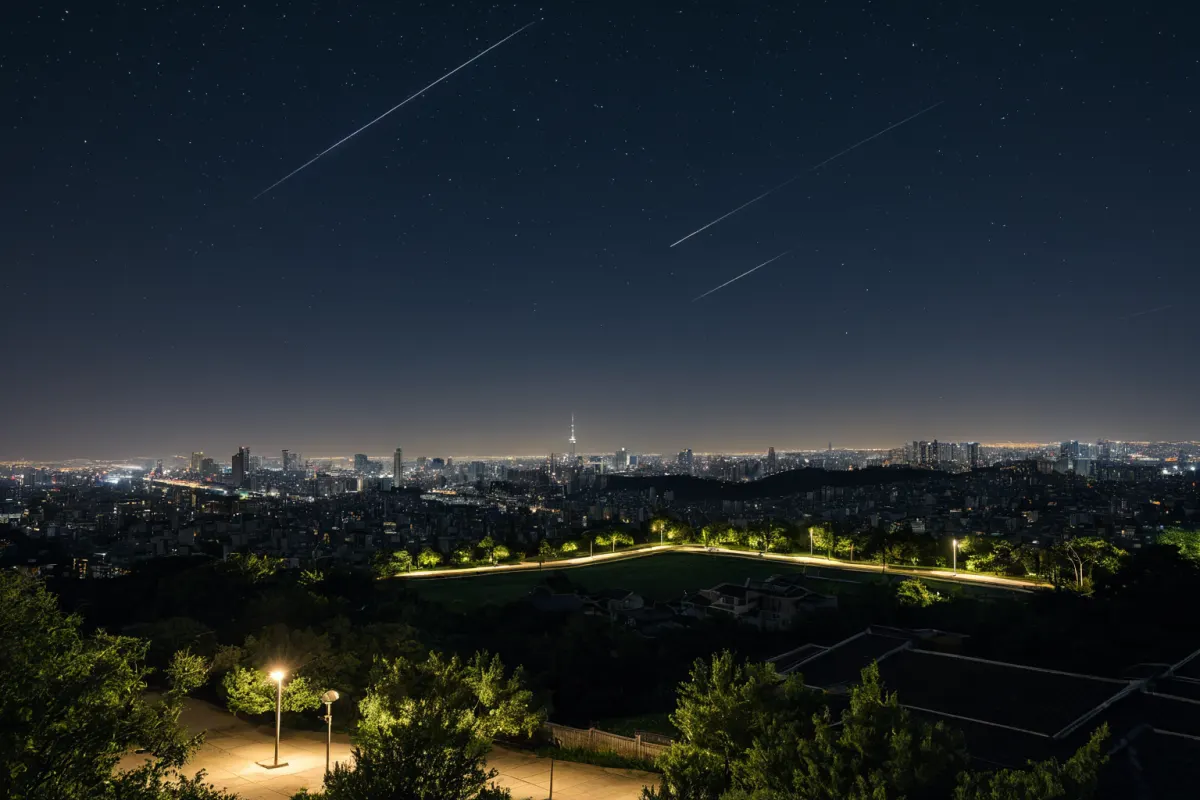
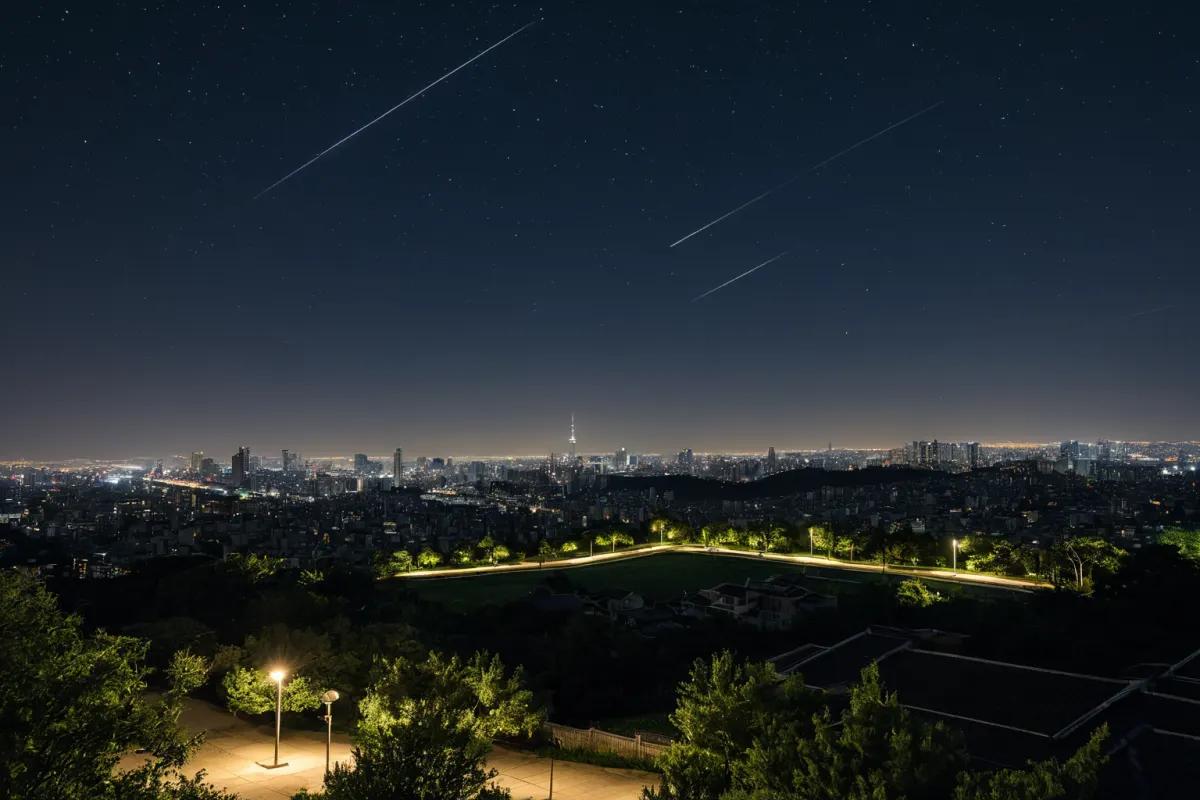
The Perseid meteor shower will peak from the night of August 12 through the early morning of August 13-14. Up to 100 meteors per hour can be observed, with optimal conditions due to the absence of moonlight. For best results, minimize surrounding light and observe in darker areas. In urban settings, parks or elevated floors of buildings are suitable for viewing. In Seoul, recommended spots include Yeouido Park (especially dimly lit sections), Namsan Tower's summit, and sections along the Han River with minimal lighting.
Accurately identifying the viewing window is important. From the night of August 12 through the early morning of August 13-14, the moon will not be visible, providing ideal conditions. During this period, meteors are most active, potentially reaching up to 100 per hour. The optimal viewing time is between 9 PM on August 12 and 5 AM on August 13.
How to Observe the Perseid Meteor Shower
To observe effectively, minimize surrounding light and allow your eyes to adjust to the dark. Up to 100 meteors per hour can be observed under clear night skies without moonlight. While the method is simple, a few tips will enhance your viewing experience.
First, spend 20-30 minutes away from bright lights to let your eyes adjust to darkness. Second, scan a wide area of the sky rather than focusing on one direction. Third, if taking photos, use high-sensitivity shooting mode with long exposure and a tripod is recommended.
When selecting a viewing location, consider the moon's position. Observing during times when the moon isn't visible will provide better views. From the night of August 12 through the early morning of August 13-14, the moon won't rise, offering ideal conditions. Additionally, clear weather is crucial, so check the National Meteorological Administration forecast in advance.
Urban Viewing Locations for the Perseid Meteor Shower
Yeouido Park in Seoul offers relatively dark areas within the city, with elevated spots providing good sky views. Especially dimly lit sections inside Yeouido Park and Han River areas with minimal lighting are ideal. At Namsan Tower's summit, you can observe the meteor shower alongside the city skyline, with less surrounding light improving visibility.
Along the Han River, select sections between Yeouido and Guro Bridge where lighting is minimal. Areas where night views end and lighting is reduced allow for clearer observations of the meteor shower. In Daegu, parks near Bomyeongsa Temple or elevated areas in Seongnaedong are suitable. In Busan, less-lit sections of Haeundae Beach or Gwangalli Beach are recommended.
In Gwangju and Daejeon, observation is possible at parks around Gwangsan Park and Daedeok Research Complex. Specifically, Daedeok-gu in Daejeon offers a dark area ideal for meteor shower viewing. In Incheon, parks or coastal areas with minimal lighting in Songdo International City are also suitable.
Minimizing surrounding light and moving to darker locations is crucial. Elevated spots provide wider sky views, making them highly recommended. Additionally, choose accessible locations with good pre-verified access for convenience.
Important Notes for Viewing the Perseid Meteor Shower
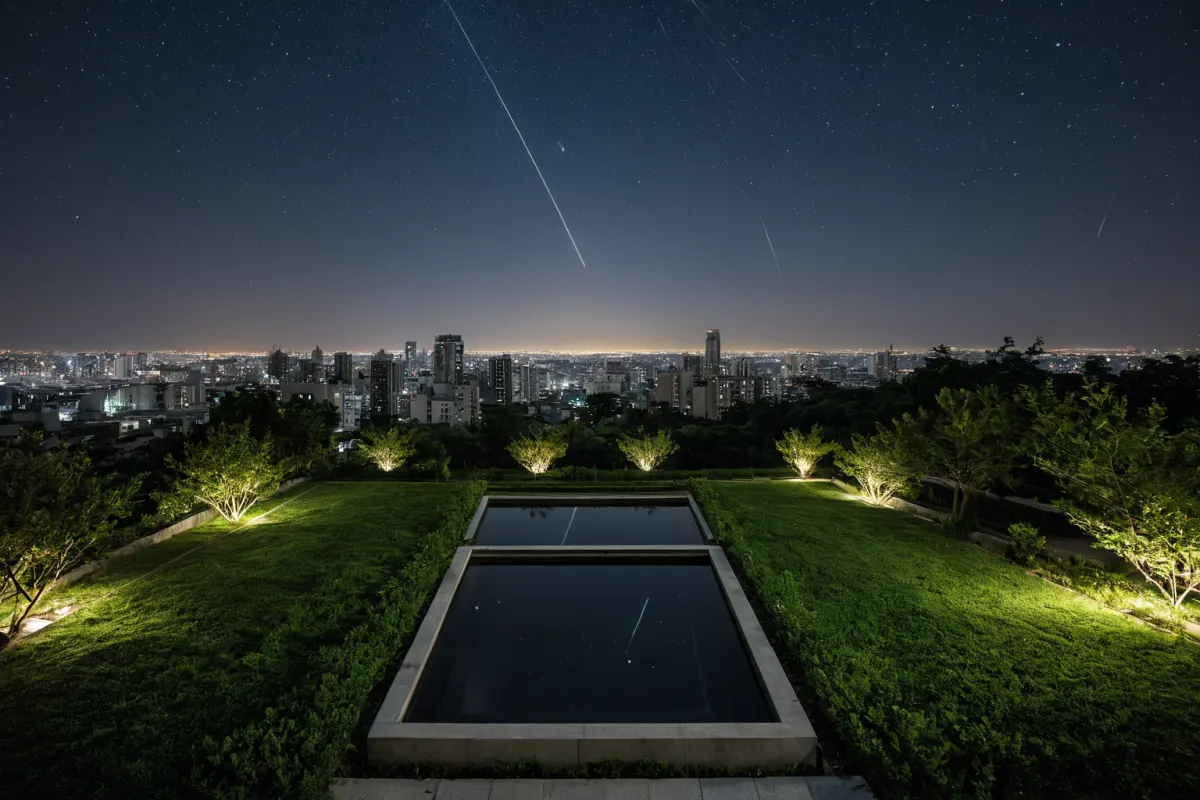
Check the moon's position to observe during periods without moonlight. From the night of August 12 through the early morning of August 13-14, the moon will not be visible, providing optimal conditions. Clear weather is also essential—check the National Meteorological Administration forecast in advance.
When choosing a location, avoid areas with excessive lighting and seek darker spots. Observing from parks or elevated buildings reduces surrounding light, enhancing visibility. Also, dress comfortably with appropriate warmth; temperatures can vary significantly between day and night in mid-August, so bring an outer layer.
Comparing the 2024 and 2026 Perseid Meteor Showers
The 2024 Perseid meteor shower will peak from the night of August 12 through the early morning of August 13-14. In 2026, a planetary alignment and solar eclipse are expected to occur simultaneously with the Perseid meteor shower. This rare celestial event in 2026 involves multiple planets aligning in a straight line (such as Mercury, Venus, Earth, and Mars), along with a solar eclipse where the moon blocks the sun.
The 2024 viewing will benefit from ideal conditions due to no moonlight. In contrast, 2026 is astronomically significant, featuring a rare planetary alignment and solar eclipse occurring together. Therefore, if planning to view in 2024, it's worth keeping an eye on the special celestial event planned for 2026 as well.
2026's astronomical events are expected to draw global attention, offering a unique opportunity to observe the Perseid meteor shower alongside these rare phenomena. Thus, those planning to view in 2024 may want to learn about the special event scheduled for 2026.
Checking Viewing Information
The viewing window is from the night of August 12 through the early morning of August 13-14, with optimal conditions due to no moonlight. While urban areas offer accessible spots in parks or elevated locations, darker sites provide clearer views. Up to 100 meteors per hour can be observed by minimizing surrounding light and allowing eyes to adjust to darkness.
Before observing, check the National Meteorological Administration forecast for clear weather. Also, pre-verify access and lighting levels at your chosen location. The Perseid meteor shower is annually observable from late July through mid-August, so opportunities will be available next year as well.
Frequently Asked Questions
Q: When can the Perseid meteor shower be observed?
The Perseid meteor shower peaks from the night of August 12 through the early morning of August 13-14, with optimal conditions due to no moonlight.
Q: What urban locations are suitable for viewing the Perseid meteor shower?
In cities, recommended spots include Yeouido Park, Namsan Tower's summit, and Han River areas with minimal lighting. Elevated locations provide wider sky views.
Q: How many meteors can be observed per hour?
Up to 100 meteors per hour can be observed, with optimal conditions due to the absence of moonlight.
You can view similar articles in one place.
View Related ArticlesFAQ
When can the Perseid meteor shower be observed?
The Perseid meteor shower peaks from the night of August 12 through the early morning of August 13-14, with optimal conditions due to no moonlight.
What urban locations are suitable for viewing the Perseid meteor shower?
In cities, recommended spots include Yeouido Park, Namsan Tower's summit, and Han River areas with minimal lighting. Elevated locations provide wider sky views.
How many meteors can be observed per hour?
Up to 100 meteors per hour can be observed, with optimal conditions due to the absence of moonlight.
Korean Source
This article is an English localization of a Korean-language report from BlogScore. Original: 페르세우스 유성우 관측 장소 추천: 도심에서 잘 보이는 곳