
Best Fishing Spots at Biryong Bridge: A Guide for Beginners
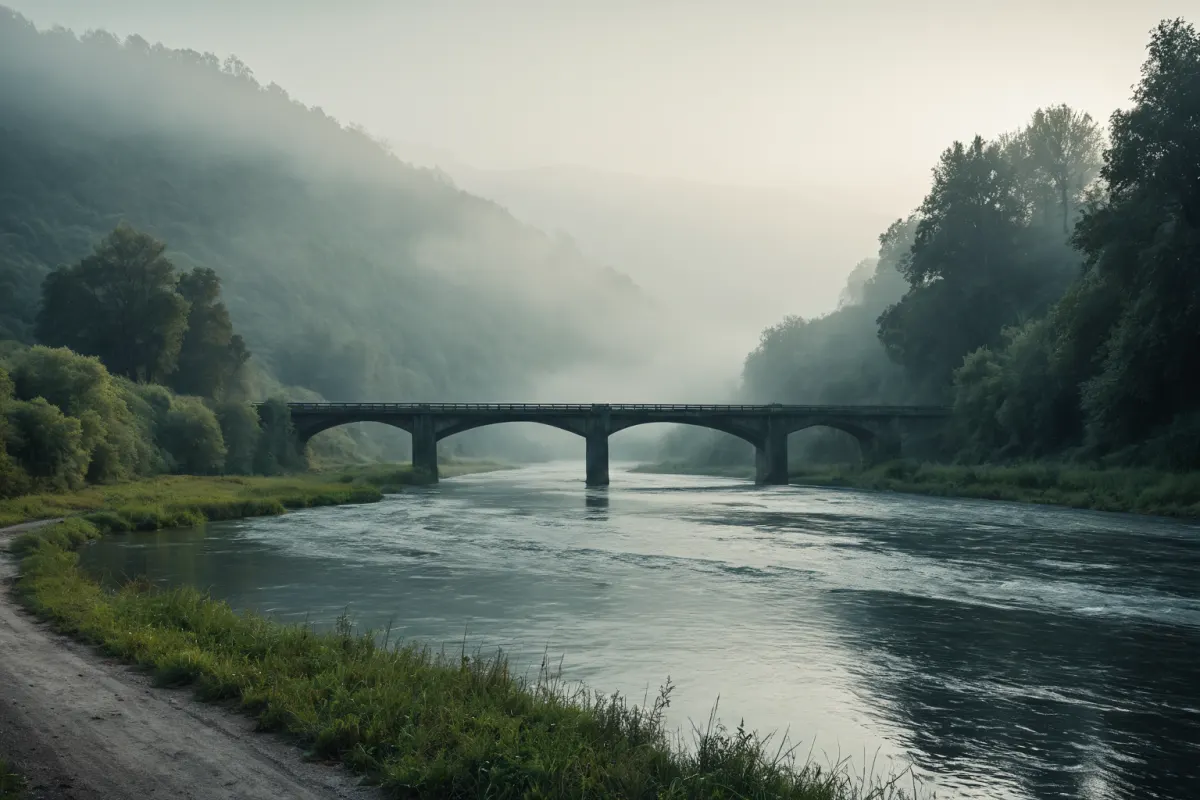
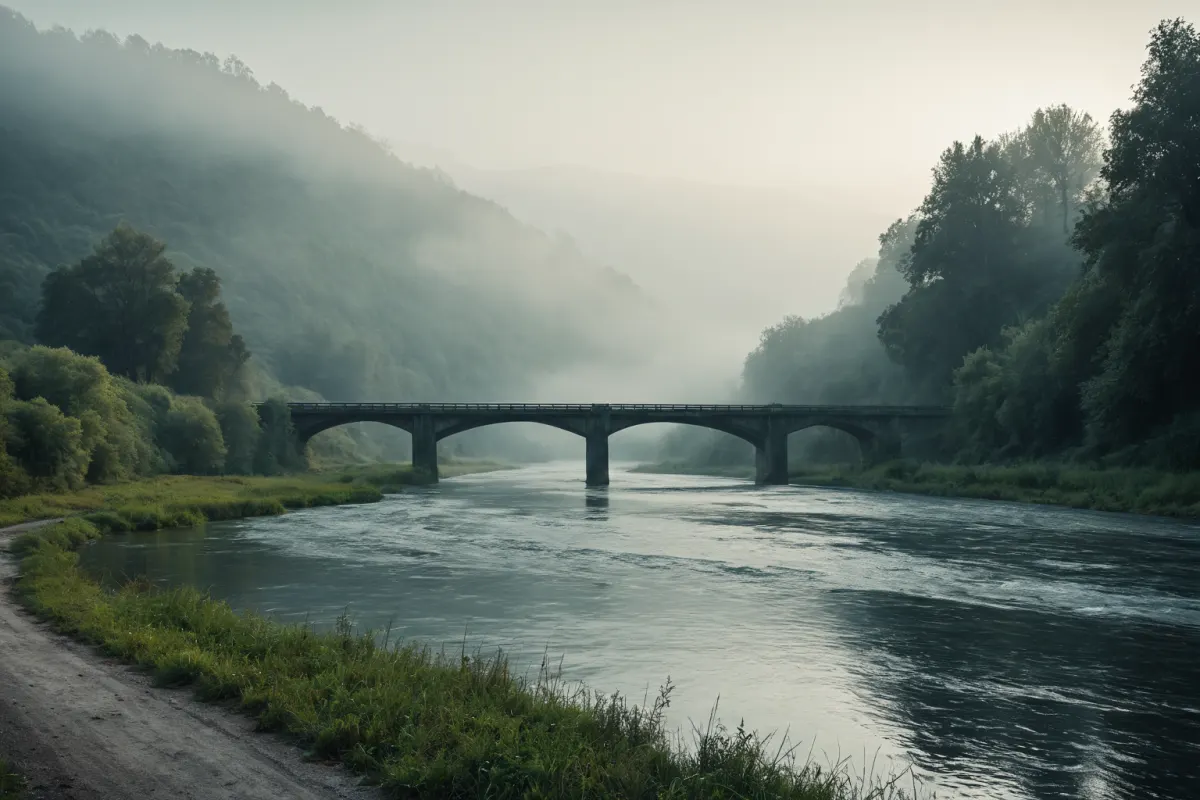
If you're new to fishing at Biryong Bridge, start by looking for areas around the bridge piers where water flows into channels, bends in current direction, or edges with changing depths. In short, it's better to find natural water flow paths rather than casting randomly.
Especially near the Imjin River section of Biryong Bridge, the difference between days with strong currents and calm waters can be significant, so the same spot may yield different results on different days. Therefore, it's important to observe current direction, bottom terrain, and accessibility together rather than just memorizing spot names.
Key Fishing Spots Around Biryong Bridge Piers
The first area to check around Biryong Bridge is the vicinity of the bridge piers. The pillars naturally divide water flow, creating eddies and gentle currents that make it easier for small fish to gather.
In practice, it's often better to position yourself a few casts away from the pier rather than directly in front. Too close can cause frequent bottom snags, while too far may miss out on the spot's advantages.
For example, where shallow and deep areas meet, your bait will be easier to read as it drifts along the bottom. These spots often produce clear hook sets even with short bites, making them ideal for beginners.
Find more articles on similar topics in one place.
View Related ArticlesFishing Success Increases Where Currents Bend
The most important factor at Biryong Bridge is the current. While fast-flowing sections may look promising, bites often occur where the current slows down and then resumes.
Specifically, areas where main and tributary rivers meet, gentle turning zones behind bridge piers, or slightly indented bottom depressions are ideal because bait stays longer in these spots. Conversely, very strong currents can quickly pull your gear away, making it difficult to detect bites.
New anglers should observe how the current moves your bait for 2-3 times rather than immediately reeling in after casting. Once you identify where the water slows down, repeatedly targeting that area is much more efficient.
Edges with Depth Changes Often Yield Good Results
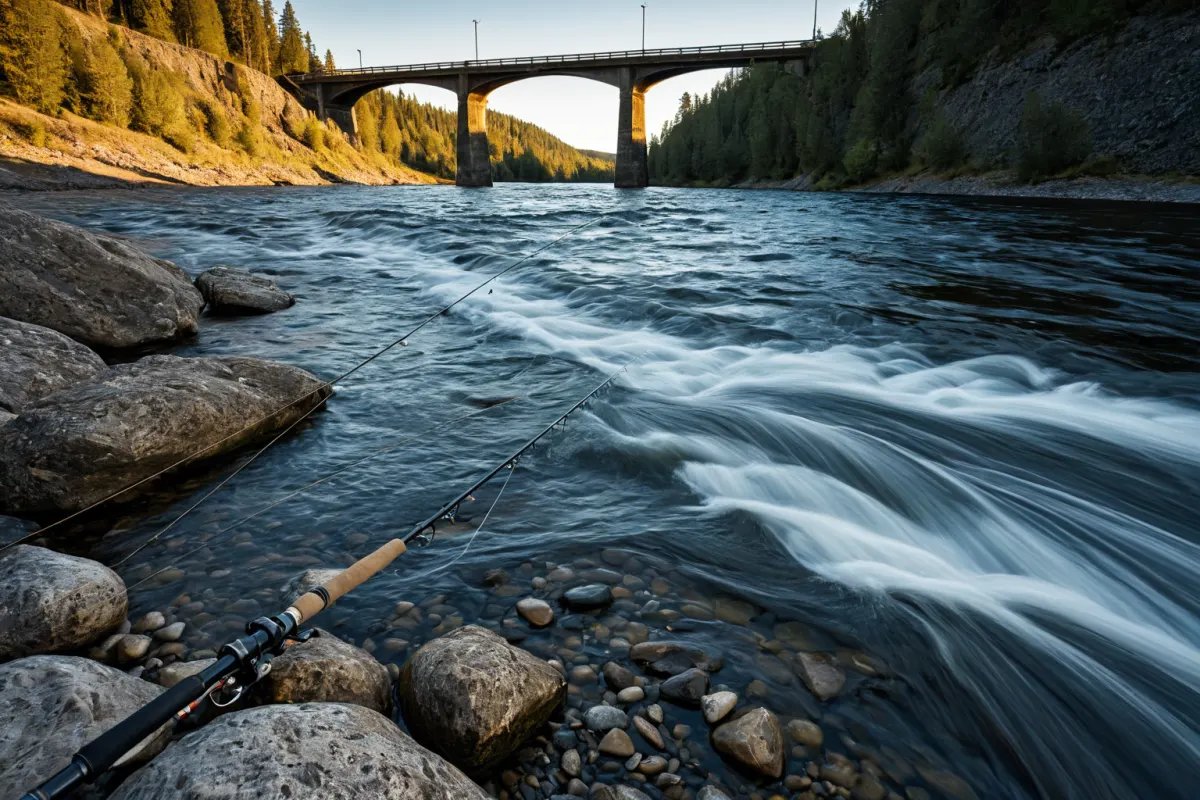
Many anglers focus only on areas directly under the bridge, but edges with depth changes often produce better results. Areas where the bottom suddenly drops or mixes with gravel create natural gathering points for fish.
At these spots, it's important to let your bait lightly touch the bottom as it moves along. Too heavy and you'll get more snags; too light and you won't detect the bottom properly. Starting with moderate weight is safer until you see how the fish respond.
For example, if there's no response for 10 minutes at one spot, try moving about 5 meters sideways along the same line. While Biryong Bridge appears to have wide fishing areas, actual bite zones are often quite narrow.
Consider Both Accessible and Quiet Spots
At Biryong Bridge, accessibility is as important as the spot itself. Moving with heavy gear for long distances makes it difficult to settle in early, and unstable footing can reduce concentration.
On the other hand, focusing only on easily accessible spots may mean you're fishing where many others already are. For first-time visits, checking one easy-access spot and one less-known spot together is recommended. This way, if a popular spot becomes crowded, you'll have an alternative ready to switch to.
Realistically, the best time to identify good spots is after sunrise when shadows on the ground decrease. Observing surface waves or floating debris can help pinpoint where fish are likely gathering.
Simpler Tackle Works Best for Beginners
When first fishing at Biryong Bridge, simpler tackle setups work better than complex ones. Using overly sensitive gear without knowing bottom conditions can increase snags, while too basic setups may miss subtle bites.
So start with simple rigs that make bottom detection easy, and adjust bait size or hook number if there's no response. In practice, adjusting bait position or casting location is often more effective than frequently changing tackle.
For example, if there's no response in the first 30 minutes, try making three small adjustments at the same spot: casting distance, bait size, and rig weight. This quickly helps identify what's causing the lack of bites.
Focus on Water Conditions Rather Than Time of Day
While time of day matters around Biryong Bridge, water conditions and current changes often have a bigger impact. After rain when water becomes murky, visibility may be poor but clear current boundaries can make spots more identifiable.
Conversely, very clear, calm water can blur these boundaries, leading to fewer bites. In such cases, it's better to move to slightly more active current areas rather than waiting for quiet spots.
A practical on-site tip is to observe floating leaves or bubbles on the surface. Where they gently curve, that's likely where fish are gathering.
Step-by-Step Guide for First-Time Visitors
If you're fishing at Biryong Bridge for the first time, following this order will minimize trial and error:
- Check current boundaries around bridge piers
- Search edges with depth changes
- Confirm bottom detection after casting
- If no response, move about 5 meters sideways
- Check both crowded spots and quieter alternative locations
Following this sequence is much more efficient than waiting for long periods without results. Biryong Bridge fishing success comes from finding where water flows naturally rather than seeking obvious prime spots.
Key Things to Remember Near Biryong Bridge
Fishing at Biryong Bridge relies more on real-time judgment than spot names. Results can vary significantly based on water level, wind, and current speed, so don't expect a single perfect solution.
For beginners, remembering just three key areas—piers, water channels, and edges—is sufficient. Adding current direction makes selecting spots much easier. Rather than sticking to famous locations, developing the habit of reading where water is flowing today will lead to more consistent success.
Always verify latest access information and fishing restrictions before visiting as these can change based on conditions.
FAQ
Q. What should beginners look for first at Biryong Bridge?
A. Start by checking current boundaries around piers and edges with depth changes.
Q. Can beginners fish successfully at Biryong Bridge?
A. Yes, start with simple tackle and make small adjustments to location if there's no response within 30 minutes.
Q. Is fishing good after rain at Biryong Bridge?
A. It depends on water clarity and current speed. Avoid very strong currents but note that clearer boundaries may make spots more identifiable.
Continue exploring similar topics.
View Category ArticlesFAQ
What should beginners look for first at Biryong Bridge?
Start by checking current boundaries around piers and edges with depth changes.
Can beginners fish successfully at Biryong Bridge?
Yes, start with simple tackle and make small adjustments to location if there's no response within 30 minutes.
Is fishing good after rain at Biryong Bridge?
It depends on water clarity and current speed. Avoid very strong currents but note that clearer boundaries may make spots more identifiable.
Korean Source
This article is an English localization of a Korean-language report from BlogScore. Original: 비룡대교 낚시 포인트 어디가 좋을까