
Best Detour Routes for the Pyeongtaek-Jecheon Expressway Traffic Jams
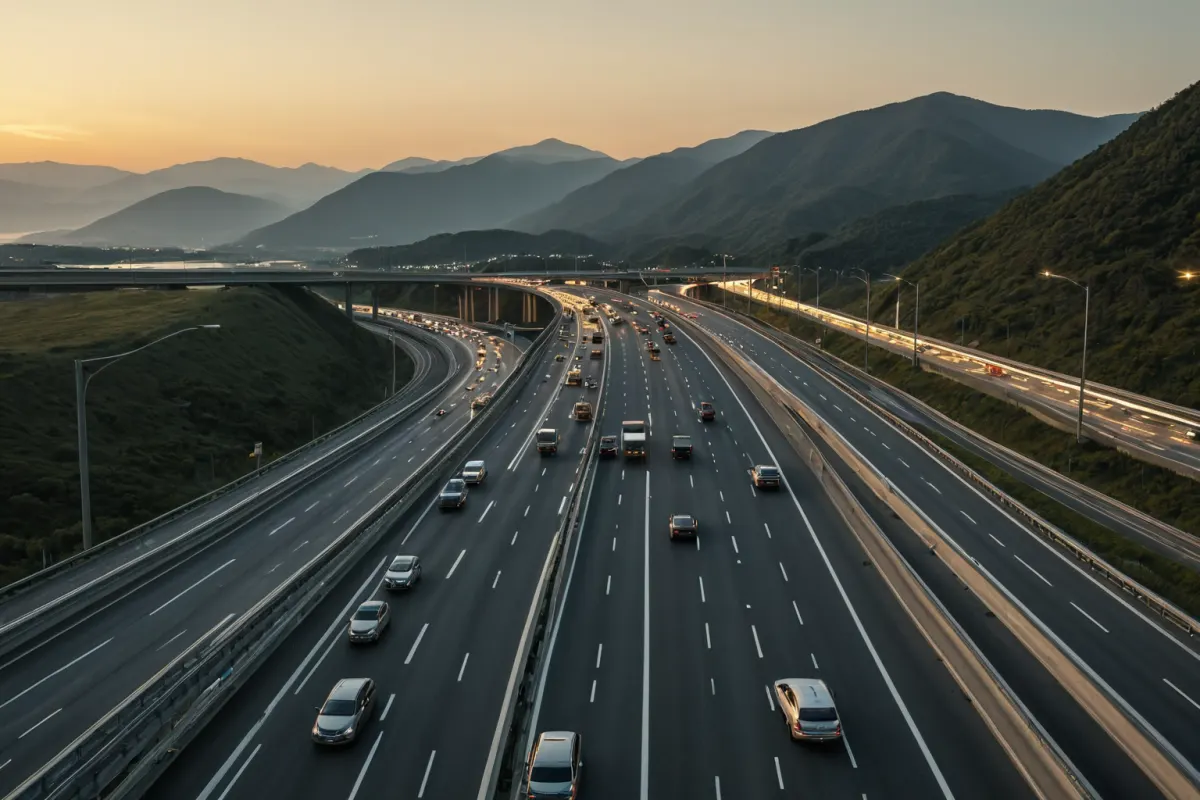
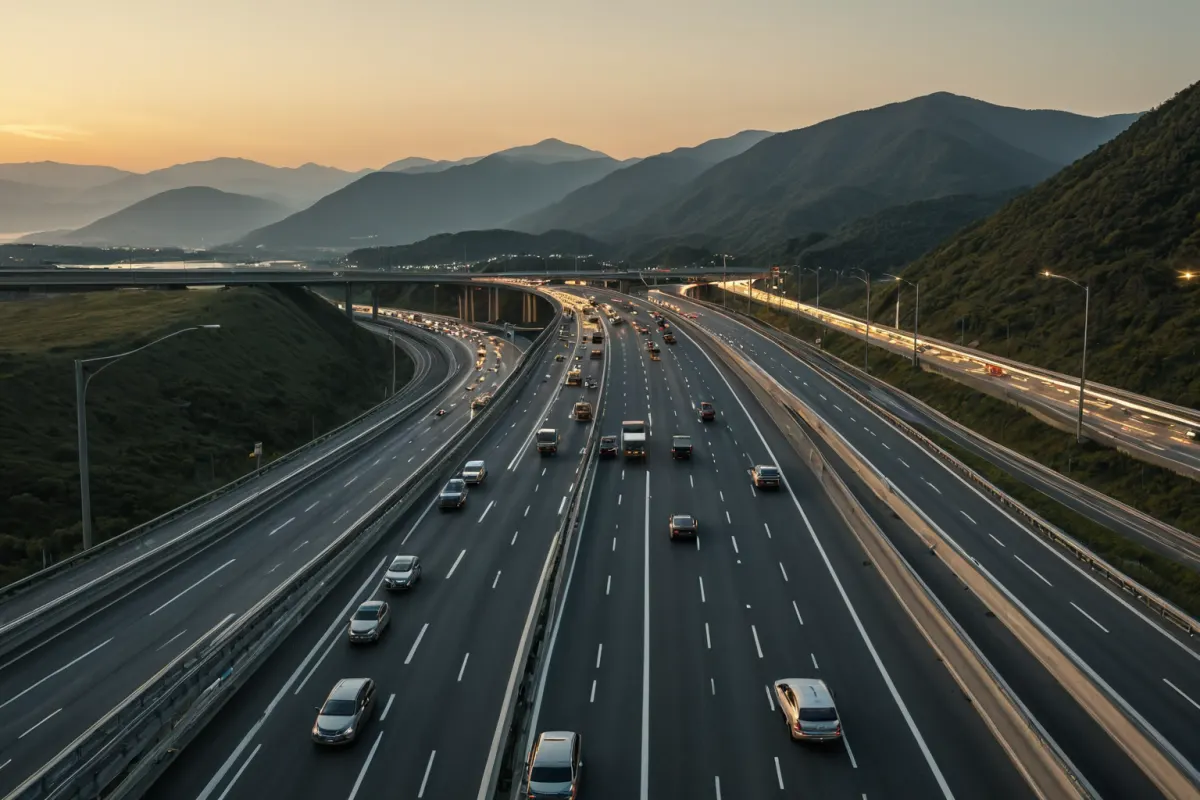
Traffic jams on the Pyeongtaek-Jecheon Expressway are most common during weekend trips, before and after holidays, and on Monday mornings and Friday afternoons. The most congested sections include the entry point toward Pyeongtaek, areas around Namanseong and Anseong interchanges, and the connecting section between Dongchungju and Jecheon. When in a hurry, taking National Routes 38, 45, or 43 earlier can feel much smoother.
This highway is frequently used for travel from the Seoul metropolitan area to inland regions of North Chungcheong Province, so even short sections can slow down quickly during peak traffic times. Congestion often worsens due to accidents, construction work, or rain; checking real-time flow before departure and planning detours in advance is advisable.
Commonly Congested Sections on the Pyeongtaek-Jecheon Expressway
The first section that typically slows down is the entry point toward Pyeongtaek. Vehicles from Seoul converge here, causing speed reductions, followed by intermittent slowdowns in sections leading to Anseong and Geumsan.
During times when rest areas are frequently accessed, mainline traffic flow becomes more irregular. As you head toward Jecheon, there are points with frequent lane changes; first-time drivers should double-check navigation routes before entering.
You can view similar articles on this topic in one place.
View Related ArticlesPeak Times for Congestion
Congestion on the Pyeongtaek-Jecheon Expressway is often more noticeable during weekend travel times than rush hour. Be especially cautious around 10 a.m. on Saturdays, after 4 p.m. on Sundays, and early morning of holiday starts or late afternoon of holiday ends.
On rainy or foggy days, natural gaps between vehicles slow down traffic flow further. During summer vacation season, congestion often lasts longer due to the mix of campers, trucks, and long-distance vehicles.
Frequently Used National Routes for Detours
The best detour routes depend on your destination. For Pyeongtaek or Anseong areas, National Routes 38 and 45 are commonly used; for Geumsan or Chungju directions, consider Routes 21 and 36 as well.
For example, if traffic is blocked while traveling from Pyeongtaek to Jecheon, first determine whether your intermediate stop is Anseong or Geumsan. If heading only to Anseong, it may save time to exit the expressway early onto a national route rather than sticking with the highway all the way.
Conversely, when traveling from Jecheon toward Seoul, check for congestion on the Pyeongtaek-Jecheon Expressway before departure and consider exiting to a national road before entering congested sections. Sticking with the mainline all the way may lead to significant slowdowns in traffic jams.
Practical Detour Decision Criteria
Detours aren't always faster. National routes with many signals can take longer even if they're shorter, so maintaining expressway use might be better for short congestion periods.
The rule is simple: If congestion lasts over 10 minutes or traffic flow slows to near-stopping due to accidents, consider a detour. However, for short stretches of slow-moving traffic (2-3 km), staying on the mainline without stopping may save time and reduce fatigue.
For instance, if your speed drops below 20 km/h while traveling from Anseong to Geumsan, think about exiting at the next interchange onto a national route. On the other hand, if slow-moving traffic clears quickly, unnecessary exits could waste more time and energy.
Why Monitor Accident and Construction Zones
Expressway congestion is often caused more by accidents and construction than just increased vehicle volume. Especially in sections where lanes narrow, minor collisions can quickly create long queues.
The Pyeongtaek-Jecheon Expressway has many straight sections but experiences significant speed variations near interchanges and exits. If the car ahead suddenly changes lanes or a truck slows down, traffic behind can easily get stuck as well.
Why Plan Rest Stops in Advance
For long-distance driving, timing rest stops also affects congestion management. Stopping at a rest area before entering congested sections allows you to rejoin traffic smoothly once it clears, often resulting in more stable overall travel times.
For example, if traveling from Pyeongtaek to Jecheon and feeling sleepy or with children in the car, stopping briefly at a rest area before congestion begins is advisable. Stopping hastily on the road can cause even greater delays when trying to rejoin traffic later.
Navigating Detour Settings
When using navigation apps, look for routes with less traffic rather than just the shortest distance. Pre-selecting two or three detour options before departure makes decision-making faster when encountering congestion.
For example, if you anticipate heavy congestion on the Pyeongtaek-Jecheon Expressway, try adjusting your route to include intermediate stops like Anseong, Geumsan, or Chungju. Breaking the journey into smaller segments with these points can make travel less stressful compared to taking one long stretch.
Commonly Confusing Situations on Site
Sometimes traffic appears blocked due to merging onto surrounding roads rather than the highway itself. In many cases, congestion is actually caused by entry points at interchanges, while mainline flow recovers quickly.
Another factor is weekend return trips. Sections that usually run smoothly can suddenly slow down in late afternoon; delaying departure by just one hour can significantly change your experience. The same distance may require very different detour strategies depending on when you leave.
FAQ
Q1. When is congestion most severe on the Pyeongtaek-Jecheon Expressway?
The busiest times are weekend morning and evening commute periods, as well as before and after holidays. Congestion can last much longer if combined with rain or accidents.
Q2. Are detours always faster via national routes?
No, not necessarily. For short slowdowns, staying on the expressway may be better; for complete stops or accident zones, national routes often provide relief.
Q3. What should I check first before departure?
Check both intermediate congestion points and accident status rather than total travel time to your destination. If a congested section is long, plan detours in advance.
This article focuses on frequently congested sections and detour strategies for the Pyeongtaek-Jecheon Expressway; actual road conditions may change rapidly. Always verify real-time traffic information just before departure.
Continue exploring similar topics.
View Category ArticlesFAQ
When is congestion most severe on the Pyeongtaek-Jecheon Expressway?
The busiest times are weekend morning and evening commute periods, as well as before and after holidays. Congestion can last much longer if combined with rain or accidents.
Are detours always faster via national routes?
No, not necessarily. For short slowdowns, staying on the expressway may be better; for complete stops or accident zones, national routes often provide relief.
What should I check first before departure?
Check both intermediate congestion points and accident status rather than total travel time to your destination. If a congested section is long, plan detours in advance.
Korean Source
This article is an English localization of a Korean-language report from BlogScore. Original: 평택제천고속도로 정체 구간 및 우회로 추천