
Before Buying a Turtle Neck Corrector: Essential Checks for Proper Use and Posture
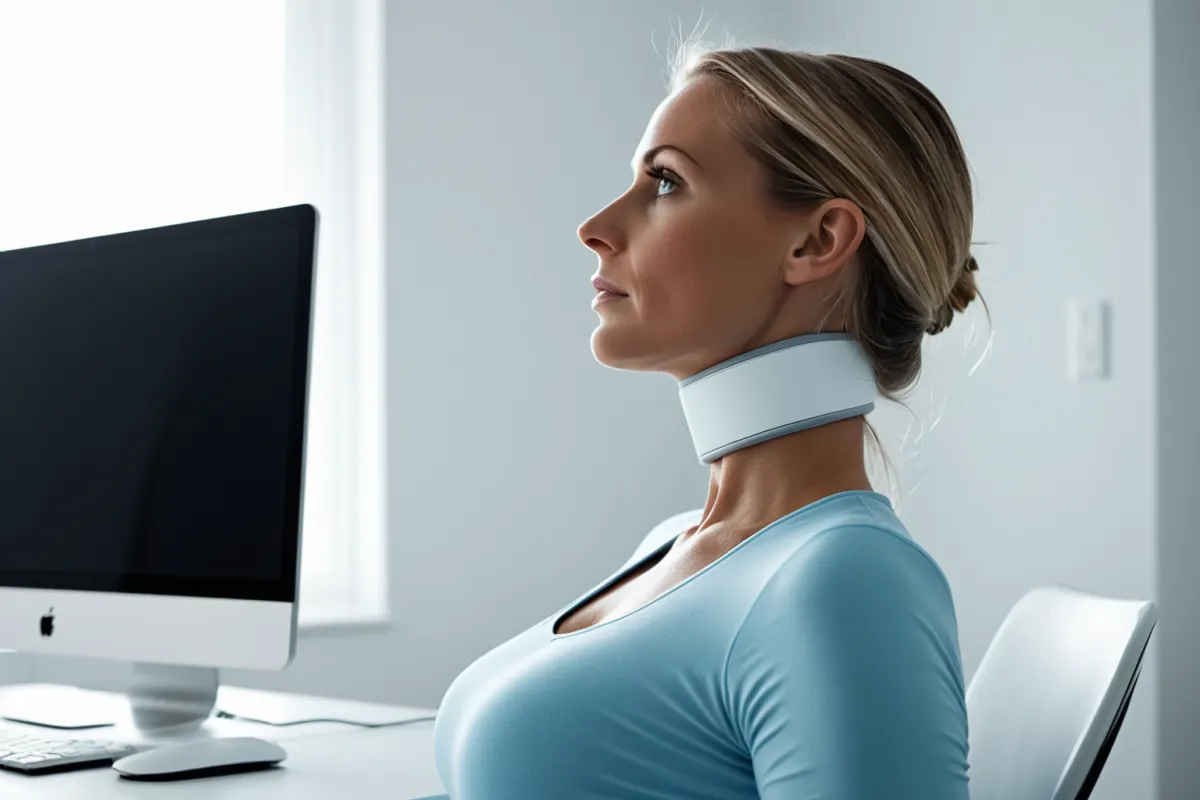
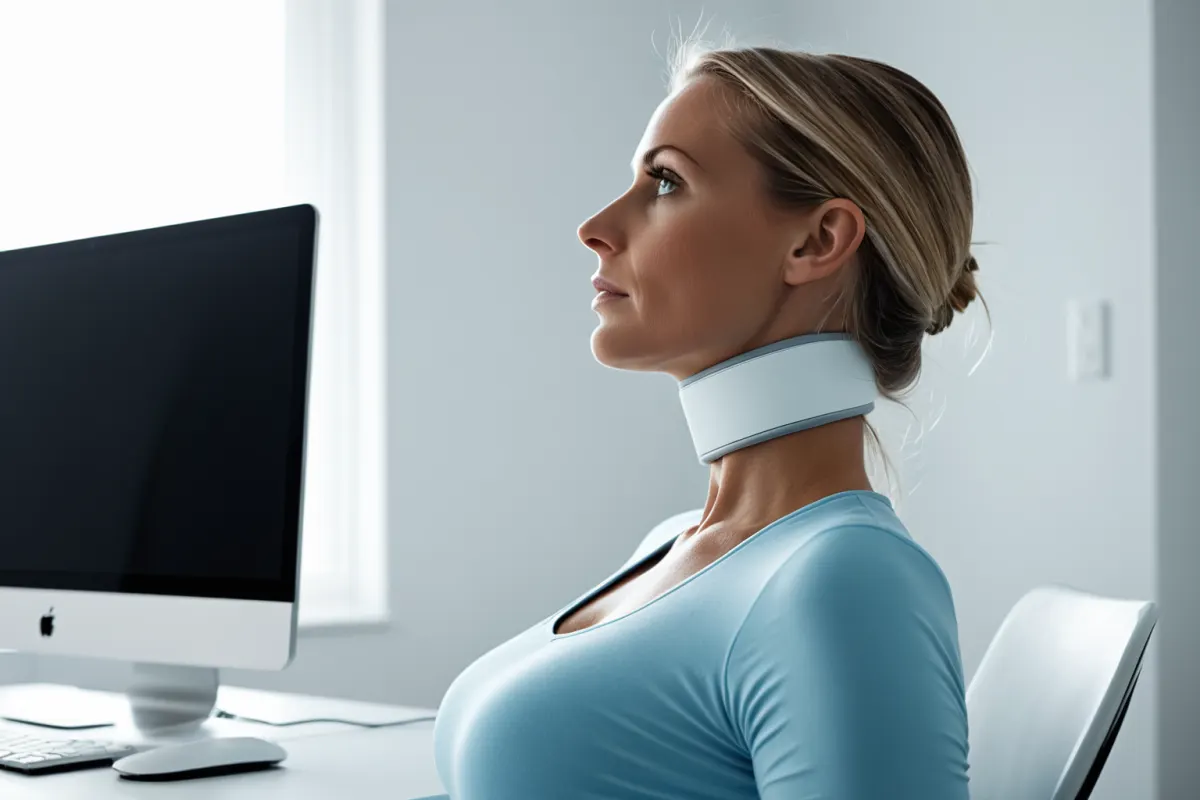
Turtle neck correctors don't improve with longer wear—overuse can actually cause more discomfort. It's crucial to first assess your neck condition and intended use before purchasing. The key is using the corrector as a temporary posture aid, not replacing good habits.
Especially if you experience significant forward head posture or spend long hours on computers and smartphones, check these factors before buying: pressure level, size, wear time, and presence of pain. Ignoring these can lead to more discomfort than expected benefits.
Essential Criteria Before Choosing a Turtle Neck Corrector
Turtle neck correctors may sound similar but have varying structures. Some support the chin to guide posture while others pull shoulders back—choose one that addresses your specific discomfort.
The first thing to check is whether the pressure on your neck isn't excessive. If wearing it makes breathing difficult or causes your jaw to lift too much, you'll struggle to wear it long-term and may even tense muscles further.
For example, if you sit for long hours at a desk job, a lightweight posture-checking accessory might suit you better than a rigid device. Conversely, if shoulder issues accompany neck problems, a corrector that supports upper body balance could be more comfortable.
Find similar articles in one place.
View Related ArticlesProblems Caused by Incorrect Posture
Turtle neck isn't just about the neck—poor posture often affects the back, shoulders, and jaw position too. Forcing your neck upright with a corrector may look straight temporarily but quickly reverts to old habits.
If wearing the corrector makes your neck feel pulled or causes discomfort under your chin, it's likely not the right fit. In such cases, shorter wear times are better than longer ones—find a comfortable range for your body.
If you have neck pain along with arm numbness, don't assume it's just posture-related. This could indicate cervical disc issues requiring medical evaluation before using any corrector.
Common Mistakes in Wearing Technique
New users often think "tighter must mean better," but turtle neck correctors shouldn't be worn tightly—they should gently remind you to maintain proper posture.
Start with short wear times. Using it for too long initially can make your neck muscles rely on the device, causing more discomfort when removed.
For example, try wearing it only during 20 minutes at your desk, gradually increasing time if no discomfort occurs. Stop immediately if you feel pain or skin irritation and adjust placement.

Complementary Habits to Pair with Corrector Use
Since correctors are supplementary tools, your habits will determine long-term effectiveness. For instance, if you use monitors too low or look at smartphones below knee level, your neck will keep leaning forward.
Simple adjustments can help: position screens near eye level and check alignment by gently pulling your chin back every 30-40 minutes instead of tilting your head backward.
When doing cervical exercises, start with gentle movements rather than aggressive stretching. Avoid forceful rotations or bends on days with severe pain as they may worsen symptoms.
Real Usage Examples
For office workers spending most of the day at a computer, wearing it for 10-20 minutes after lunch or during afternoon focus slumps works well. Instead of continuous wear, use it briefly and consciously reset posture afterward—this is more practical.
Students studying long hours may prefer lighter, less rigid correctors designed for desk use only. Wear it while seated at your desk but remove it during movement or breaks.
Conversely, those with frequent stiffness and shoulder tightness often first seek products like neck massagers for temporary relief. Remember, these tools don't fix underlying posture issues—address the root cause too.
When Medical Consultation is Necessary
If pain continues despite using a corrector or you feel numbness in arms/hands when moving your neck, don't dismiss it as simple posture issue. These symptoms could indicate cervical disc problems requiring specialist evaluation before continuing use.
Also, if neck pain persists during sleep or worsens with specific movements, prioritize medical assessment over the corrector. Depending on your condition, manual therapy or physical therapy may be more appropriate than self-treatment.
Don't choose products based solely on online reviews—individual body differences matter greatly. For instance, people with shorter necks or wider shoulders experience very different fit sensations.
Pre-Purchase Checklist
Checking these points before buying significantly reduces failure risk:
- Does it not excessively press on your neck?
- Is it comfortable for short wear sessions?
- Which area does it support—jaw, back of neck, or shoulders?
- Does it fit your neck length and shoulder width?
- Can you stop use immediately if pain or numbness occurs?
Add one more: don't rely solely on the corrector—also adjust chair height and monitor position. Small environmental changes significantly impact posture.
Frequently Asked Questions
Q1. Should I wear a turtle neck corrector all day?
No. Start with short sessions, gradually increasing time only if no discomfort occurs.
Q2. Will using just the corrector improve my posture?
No. The corrector is a supplementary tool that helps remind you to maintain proper posture—adjust screen height and neck/shoulder habits for lasting results.
Q3. Can I use it immediately when experiencing neck pain?
If pain is mild and temporary, try short sessions. But if numbness or severe pain exists, consult a healthcare professional first.
Turtle neck correctors can help with posture correction when used properly—but assessing fit comes before anything else. Combine posture assessment with proper wearing technique to avoid failure, and prioritize medical consultation over product use if symptoms persist. Always verify the latest information on products or medical guidelines before purchasing.
Continue exploring similar topics.
View Category ArticlesFAQ
Should I wear a turtle neck corrector all day?
No. Start with short sessions, gradually increasing time only if no discomfort occurs.
Will using just the corrector improve my posture?
No. The corrector is a supplementary tool that helps remind you to maintain proper posture—adjust screen height and neck/shoulder habits for lasting results.
Can I use it immediately when experiencing neck pain?
If pain is mild and temporary, try short sessions. But if numbness or severe pain exists, consult a healthcare professional first.
Korean Source
This article is an English localization of a Korean-language report from BlogScore. Original: 거북목교정기 추천 전 체크할 것: 목 자세와 착용법