
Beat the Heat: Smart AC Tips to Cut Your Electricity Bill by 20%
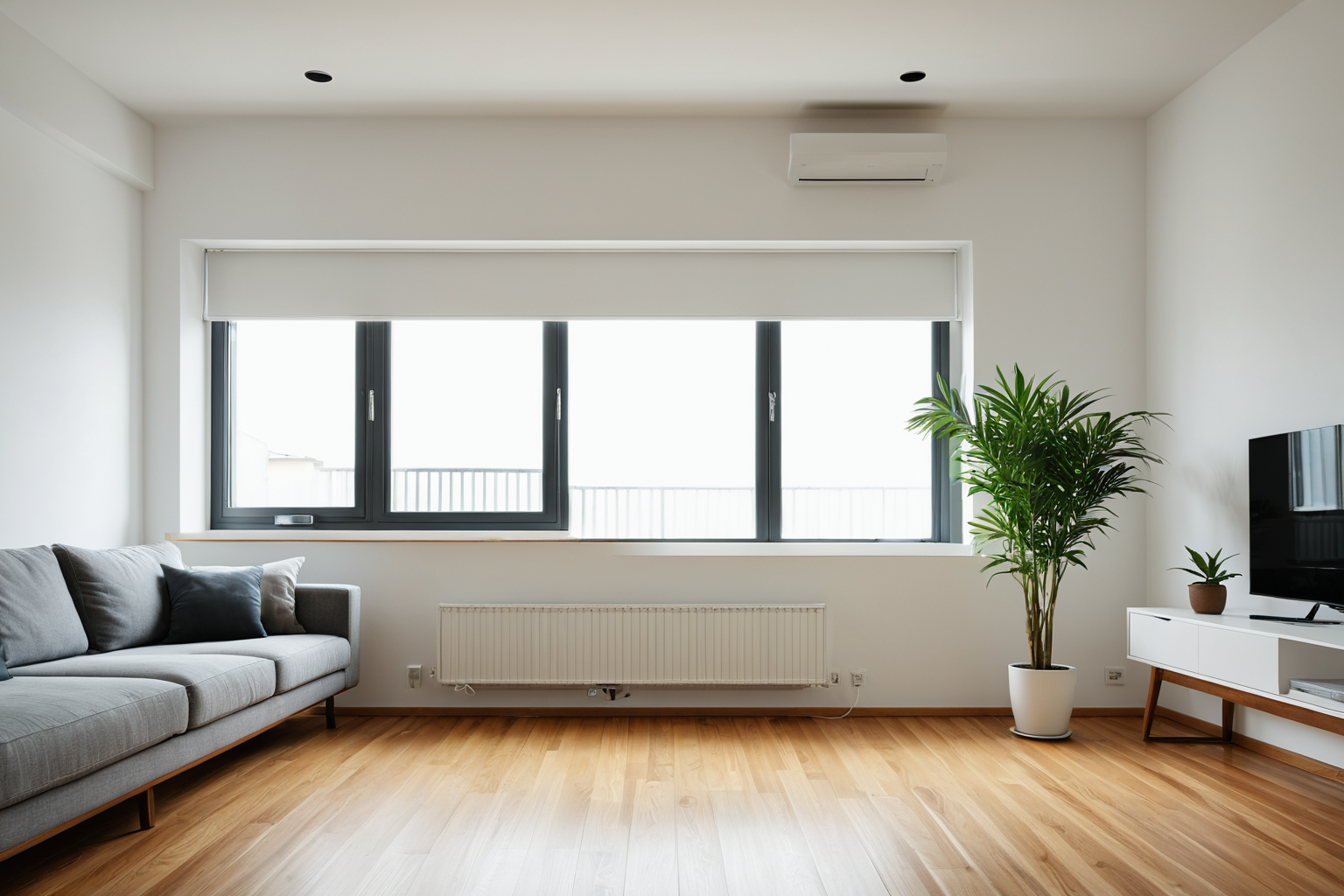
Set Indoor Temperature Between 26-28°C
Adjusting your air conditioner efficiently during heatwaves can reduce electricity bills by approximately 20%. Maintaining indoor temperatures between 26-28°C is key. This range represents the optimal balance between perceived comfort and energy savings, a scientifically validated approach.
Setting your AC to 26°C maximizes cooling performance while keeping interiors comfortable even during high external temperatures. For inverter-type air conditioners, it's best to keep them on automatic mode. This maintains consistent cooling performance, reducing electricity consumption.
Using Your AC When Out
For inverter-type AC units, avoid turning them off when leaving home; instead, maintain automatic mode. In contrast, for non-inverter (standard) models, it's more efficient to turn them off during absence. This is because inverter models regulate power consumption periodically to save energy, while standard models consume significant power when restarting after being turned off.
Many households habitually turn off their AC when leaving home, but this can actually increase electricity costs. Inverter ACs automatically adjust temperature while you're away, making it more efficient to leave them running in automatic mode.
Enhance Cooling Efficiency with a Circulator Fan
Using a circulating fan or regular fan alongside your air conditioner significantly improves cooling efficiency. The circulator promotes even air distribution by enhancing indoor airflow, reducing the runtime of the AC compressor and lowering power consumption.
Actual experiments show that using a circulator fan with an AC can improve cooling effectiveness by over 20% while reducing energy consumption by approximately 15-20%. Therefore, combining AC with a fan is essential for effective heatwave management.
Seal Windows and Doors
Maintaining indoor temperature requires keeping windows and doors closed and implementing insulation measures. Preventing external heat from entering reduces the load on your air conditioner, leading to lower electricity consumption.
Simple insulation methods include applying rubber seals around window frames or using thick curtains. These measures enhance AC cooling efficiency and contribute to electricity bill savings.
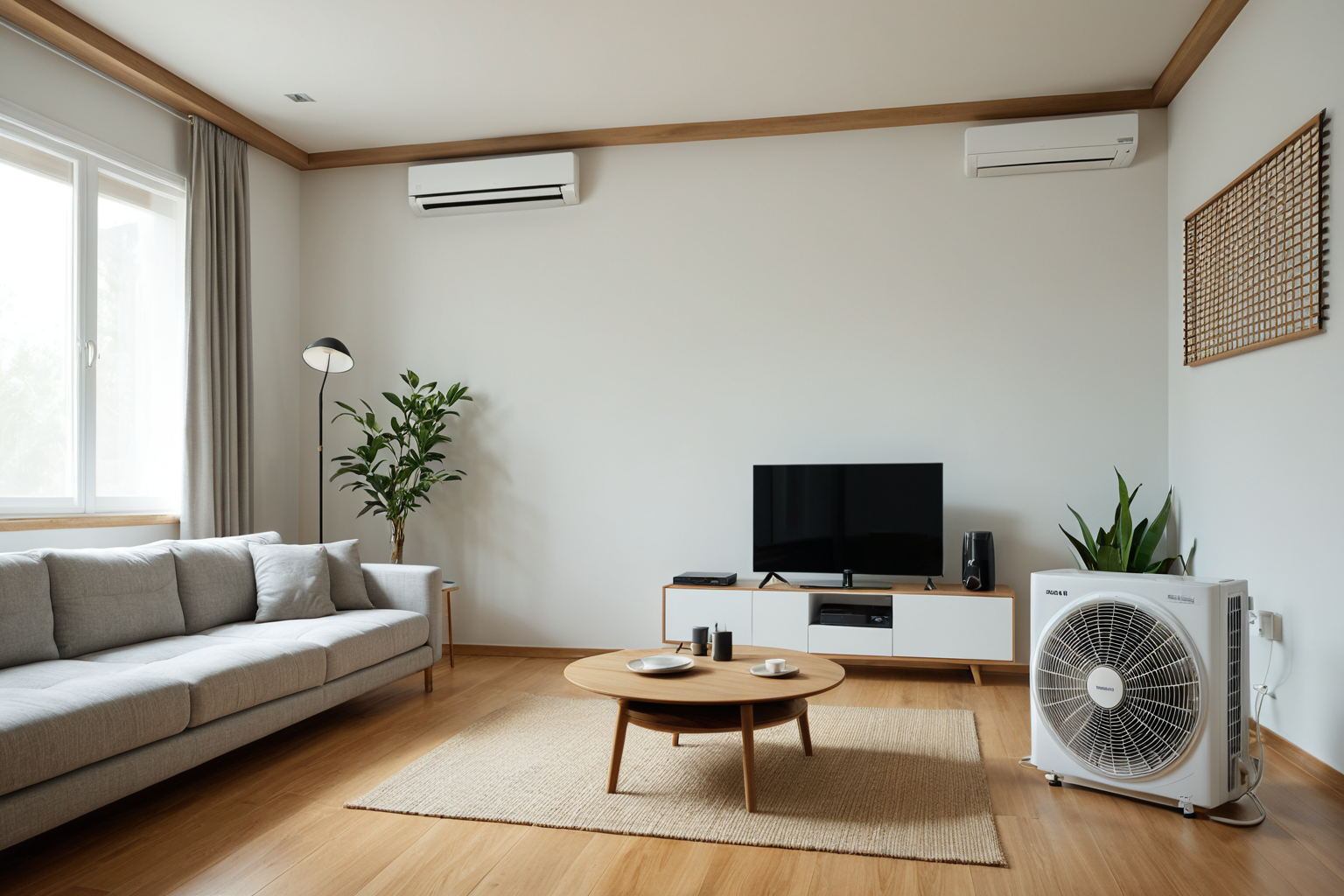
Select Energy-Efficient Appliances
Using air conditioners with energy efficiency certifications is recommended. These models consume less power relative to their cooling performance, offering long-term electricity cost savings.
Regular cleaning and maintenance are also important. Cleaning filters periodically improves airflow and boosts cooling efficiency. Additionally, professional regular inspections are advised for optimal AC performance.
Warning About Fake AC Tips
Many people mistakenly believe that setting the AC to 26°C is the key to saving money. However, this isn't entirely accurate. Electricity costs vary based on usage methods, AC type, and indoor conditions.
Reports also indicate that about 90% of common AC-saving tips are false. Therefore, it's important to verify information through reliable sources such as the Korea Energy Management Corporation or official electricity bill websites.
Expansion of Heatwave Response Facilities
Local governments are expanding heatwave response facilities to support vulnerable populations. For example, Gimhae City has increased facilities for those in need, helping more people safely endure extreme heat.
Improving roof surface technology is also a key aspect of heatwave response. Applying thermal insulation materials on roofs can lower indoor temperatures, reducing the frequency of AC use and saving electricity costs.
Real-World Examples and Effects
A news article published on August 9, 2026, warned about potential electricity bill spikes due to heatwaves. It introduced methods for efficient AC usage to reduce costs.
An article published on August 4, 2026, discussed fabric-based insulation techniques to improve AC efficiency by enhancing indoor insulation.
Key Information to Verify
Maintaining indoor temperatures between 26-28°C has been confirmed to contribute to a 20% reduction in electricity bills. However, this can vary depending on AC type, interior structure, and external conditions.
It's important to check your AC model as usage methods differ between inverter and non-inverter types. Combining with a circulator fan further maximizes energy savings by improving cooling efficiency.
Frequently Asked Questions
Q: Why does setting the AC to 26°C reduce electricity costs? A: 26°C represents the optimal balance between comfort and energy consumption. At this temperature, cooling performance is maximized while compressor runtime decreases, reducing power usage.
Q: Is it better to turn off your AC when leaving home? A: For inverter-type ACs, it's best to leave them on automatic mode when away. For non-inverter models, turning them off during absence is more efficient.
Q: What are the benefits of using a circulator fan with your AC? A: A circulator promotes even air distribution, reducing compressor runtime and lowering power consumption by 15-20%.
Frequently Asked Questions
Efficiently managing air conditioner use during heatwaves not only reduces electricity bills but also helps maintain a healthy indoor environment. Set your AC to 26-28°C, keep inverter models on automatic mode when away, and combine with a circulator fan for enhanced efficiency.
Sealing windows and doors with insulation measures is crucial for maintaining indoor temperature. Selecting energy-efficient appliances and performing regular maintenance will maximize long-term savings. Be cautious of false tips; verify information through reliable sources like the Korea Energy Management Corporation or official electricity websites.
Heatwave response requires a combination of individual efforts and community support to ensure safety during extreme temperatures.
You can find similar articles in one place.
View Related ArticlesFAQ
Why does setting the AC to 26°C reduce electricity costs?
26°C represents the optimal balance between comfort and energy consumption. At this temperature, cooling performance is maximized while compressor runtime decreases, reducing power usage.
Is it better to turn off your AC when leaving home?
For inverter-type ACs, it's best to leave them on automatic mode when away. For non-inverter models, turning them off during absence is more efficient.
What are the benefits of using a circulator fan with your AC?
A circulator promotes even air distribution, reducing compressor runtime and lowering power consumption by 15-20%.
Korean Source
This article is an English localization of a Korean-language report from BlogScore. Original: 폭염 대응 에어컨 사용 팁: 실내 온도 조절로 전기요금 20% 감소