
Baseball Game Cancellation Due to Extreme Heat: Temperature and Humidity Guidelines
Baseball Game Cancellation Guidelines: Temperature, Humidity, and Schedule Considerations
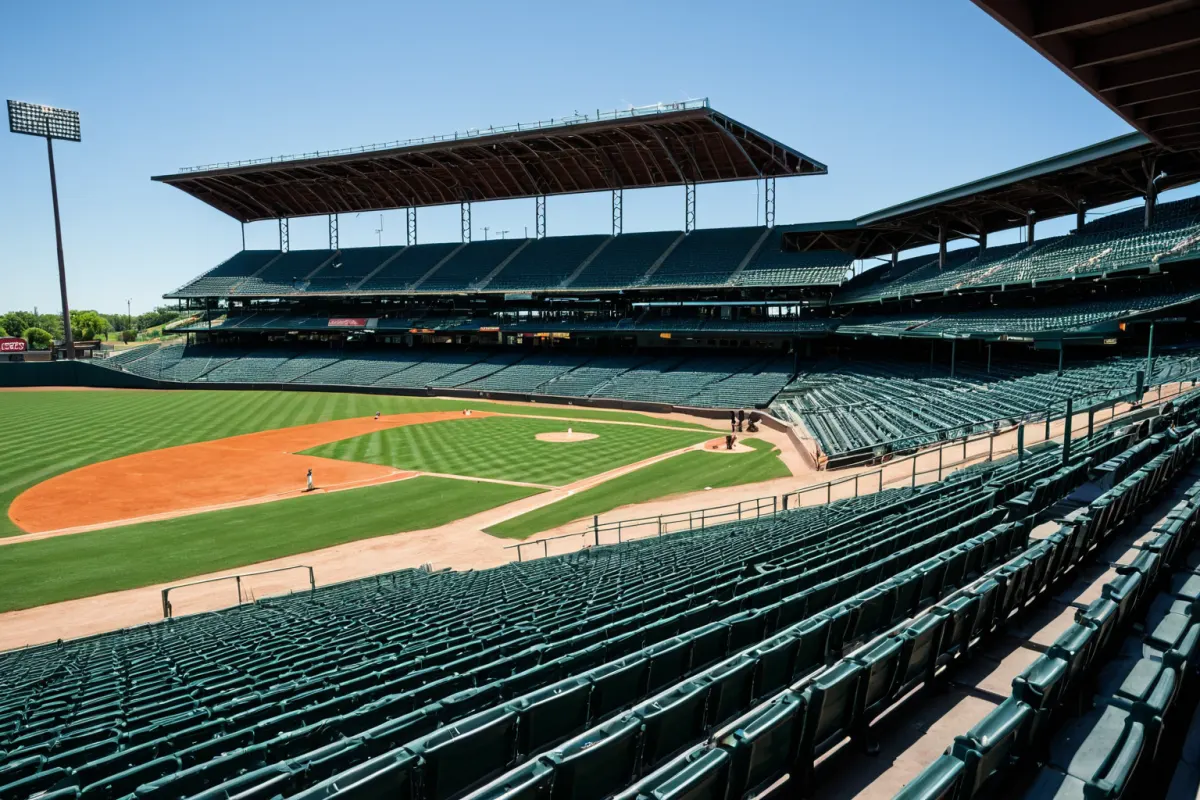
Professional baseball games may be canceled when the Meteorological Administration issues a heatwave alert for temperatures above 39°C or when humidity levels are considered. The Korea Baseball Organization (KBO) allows postponing or canceling games by up to one hour if a severe heatwave warning is issued. For example, a scheduled professional baseball game in Busan and Changwon on August 1, 2026, was canceled due to record-breaking heat (38.5°C).
Clearer Temperature Thresholds and Cancellation Criteria
The KBO’s cancellation criteria for extreme heat are tied to the Meteorological Administration's heatwave alerts. Specifically, if temperatures reach 39°C or higher, a heatwave alert is issued, allowing the KBO to cancel games or delay start times by up to one hour. Humidity levels are also factored in, as high humidity combined with high temperatures creates a 'heatstroke risk' situation requiring stricter measures.
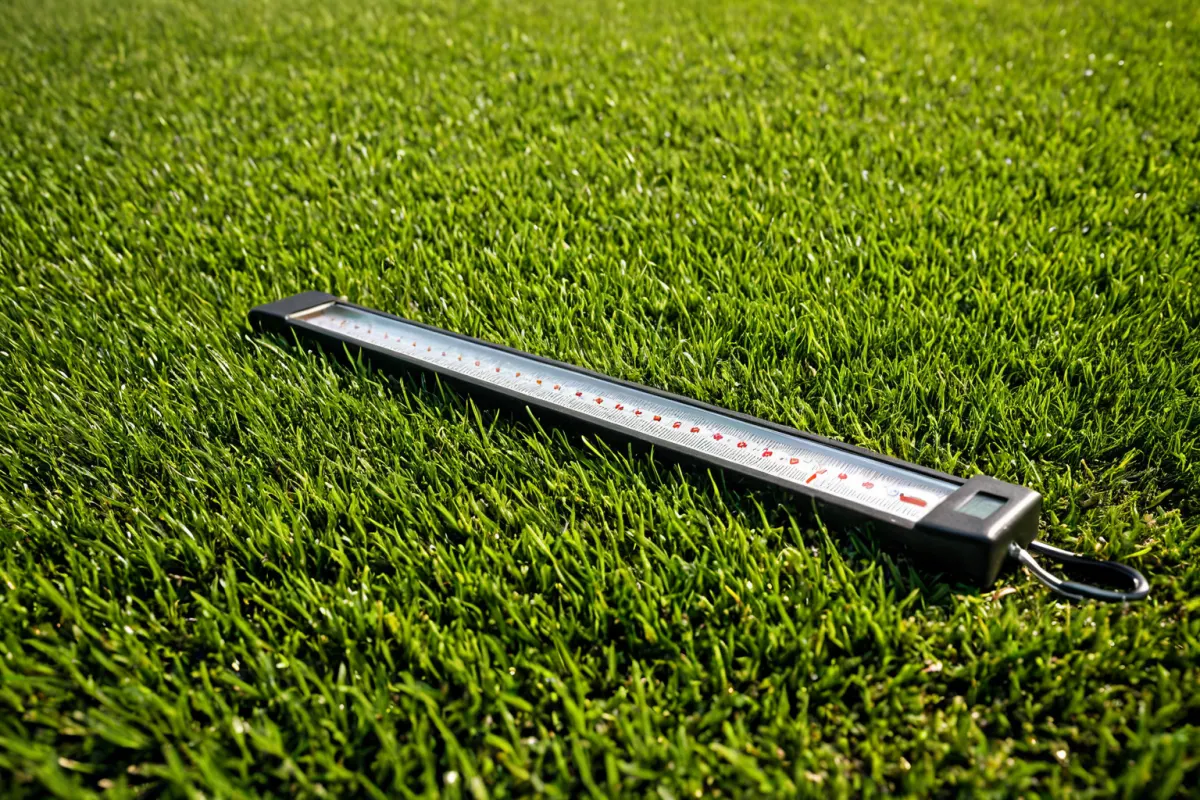
On July 31, 2026, artificial turf temperature at Sajik Baseball Stadium in Busan reached 70°C, indicating severe heat conditions that could significantly impact players’ body temperature regulation. On the same day, Changwon also saw temperatures exceeding 39°C, prompting discussions about game scheduling.
Incident Details: Game Cancellation Due to Heatwave
The professional baseball games scheduled for August 1, 2026, in Busan and Changwon were canceled due to record-breaking heat (38.5°C). This marked the first large-scale cancellation following a severe heatwave warning issued by the KBO. On July 31, artificial turf at Sajik Baseball Stadium measured 70°C, far exceeding typical outdoor field conditions.
Changwon also experienced temperatures above 39°C, triggering a heatwave alert. The KBO considered delaying or canceling games to prioritize players’ health and safety. Ultimately, the decision was made to cancel the games, marking the first application of its new heatwave response policy.
Investigating Heat Response Causes
The increasing number of sports event cancellations due to extreme heat is closely linked to climate change. In recent years, persistent heatwaves have become more common, particularly in July and August, when average temperatures rise significantly. According to the Meteorological Administration, heatwave alerts have been strengthened in Daegu and Gyeongbuk regions, with Yangsan also recording 39°C.
The baseball incident was not solely about temperature but involved a complex situation where humidity and the urban heat island effect from artificial turf combined. Artificial turf absorbs more heat than natural grass, leading to higher temperatures—70°C in this case—which suggests even higher perceived temperatures for players. This significantly increases the risk of heatstroke.
Heat Response and Safety Information
The KBO has implemented a policy allowing game cancellations or up to one-hour delays during severe heatwave warnings, prioritizing player health and spectator safety. The Players' Association also considers heat response a survival issue and has introduced 6 PM kickoffs in high school soccer as a preventive measure.
Following the cancellations in Changwon and Sajik Stadiums, the KBO plans to enforce its heatwave response policy more rigorously. Additionally, spectators are encouraged to hydrate adequately and take rest breaks before attending games during heat alerts.
Key Information to Check
To determine if a professional baseball game will be canceled due to extreme heat, first check for the Meteorological Administration’s heatwave alert. Games are typically canceled or postponed when temperatures exceed 39°C. Additionally, artificial turf and other field characteristics can amplify heat island effects, leading to higher temperatures, so extra caution is advised.
For updates on schedule changes, check the KBO's official website or social media. If a severe heatwave warning is issued, accurate information may be provided up to two hours before game start time. Both players and spectators need thorough preparation for safety reasons.
Frequently Asked Questions
Q: Will games proceed if temperatures are below 39°C?
A: Even if temperatures are below 39°C, a heatwave alert may still be issued based on humidity or other factors. The KBO can cancel or delay games at its discretion when a heatwave alert is in effect.
Q: What health effects does artificial turf temperature of 70°C have on players?
A: When artificial turf reaches 70°C, the perceived temperature for players increases significantly, raising the risk of heatstroke. This makes it harder to regulate body temperature and can lead to serious health issues.
Q: What is the KBO's response to a severe heatwave warning?
A: The KBO may delay game start times by up to one hour or cancel games entirely during a severe heatwave warning. This decision prioritizes player and spectator safety, with rapid action taken based on current conditions.
Frequently Asked Questions
Cancellations of sports events due to extreme heat are essential for ensuring the safety of players and spectators. The August 1, 2026, cancellation of professional baseball games in Busan and Changwon exemplifies the effective application of KBO's new heatwave response policy. Thorough preparation through real-time temperature monitoring and Meteorological Administration alerts is necessary to ensure both players and fans can safely enjoy the game.
You can view similar articles all at once.
View Related ArticlesFAQ
Will games proceed if temperatures are below 39°C?
Even if temperatures are below 39°C, a heatwave alert may still be issued based on humidity or other factors. The KBO can cancel or delay games at its discretion when a heatwave alert is in effect.
What health effects does artificial turf temperature of 70°C have on players?
When artificial turf reaches 70°C, the perceived temperature for players increases significantly, raising the risk of heatstroke. This makes it harder to regulate body temperature and can lead to serious health issues.
What is the KBO's response to a severe heatwave warning?
The KBO may delay game start times by up to one hour or cancel games entirely during a severe heatwave warning. This decision prioritizes player and spectator safety, with rapid action taken based on current conditions.
Korean Source
This article is an English localization of a Korean-language report from BlogScore. Original: 야구장 폭염 취소 조건: 습도, 기온, 경기 일정까지 확인