
Understanding the Legal Process of the Banpo-dong Vehicle Rampage Case
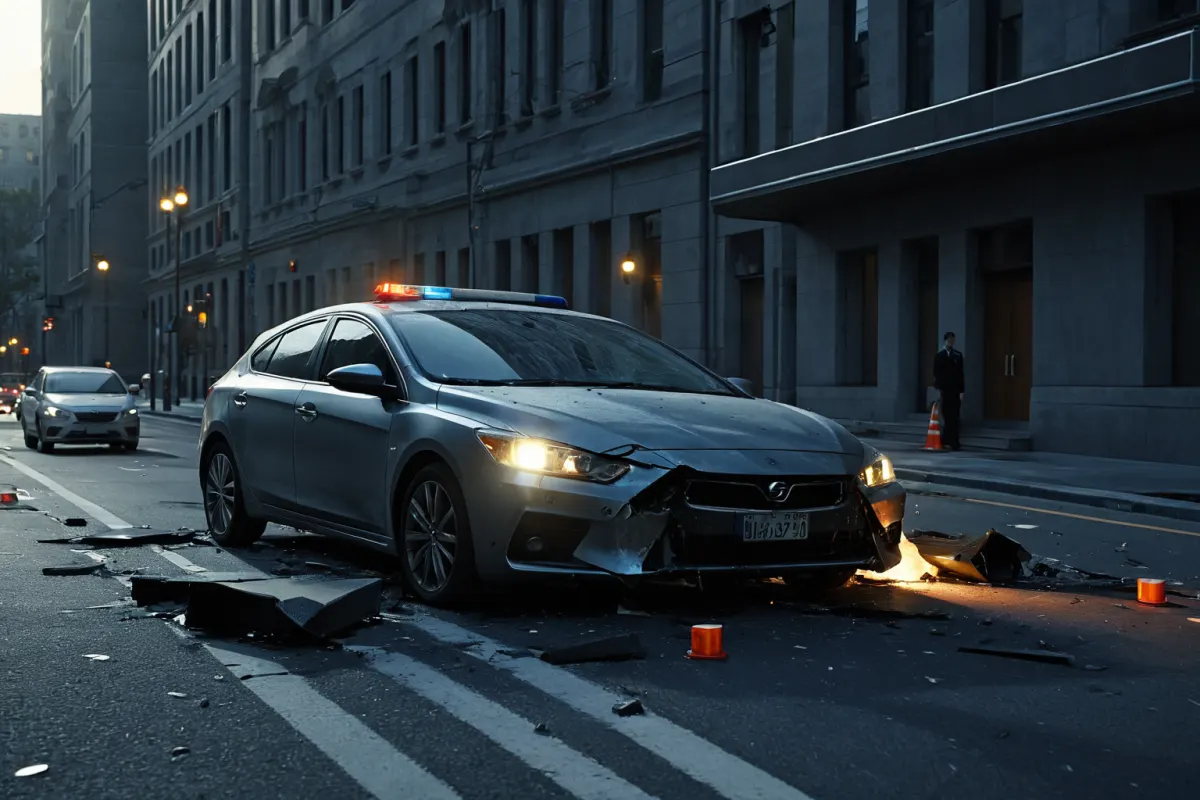
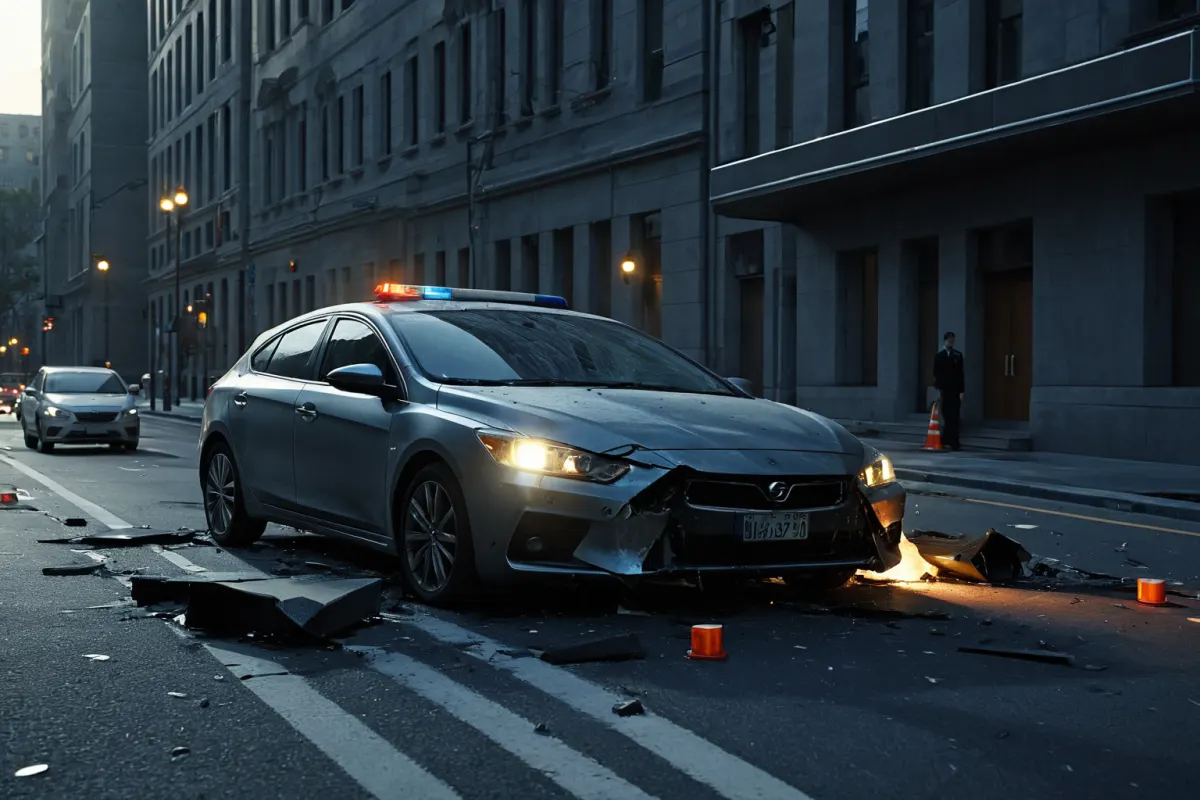
The Banpo-dong vehicle rampaging incident is currently under investigation, with many wondering how it will be handled legally. Whether this becomes a criminal case or just a traffic accident depends on key factors: whether the driver was at fault, whether there was intent, and the extent of the damage. Ultimately, the outcome hinges on how well the evidence is documented and which charges the prosecution decides to pursue.
Key Issues Determining Trial Possibility
To determine if a vehicle rampaging incident will go to trial, it's essential first to distinguish between a simple traffic accident and a criminal case. If there was pedestrian collision, damage to commercial properties, or evidence of intentional acceleration, the matter may not be resolved through standard traffic accident procedures alone.
Crucially, black box data, CCTV footage, vehicle condition, alcohol or drug influence, and witness statements are all important. Once these materials are gathered, authorities may consider charges such as negligent injury, aggravated assault, or violations of road safety laws—potentially even more serious charges in some cases.
You can view similar articles on this topic all at once.
View Related ArticlesBasic Flow of Legal Proceedings for the Banpo-dong Vehicle Rampage Case
If a case moves into criminal proceedings, it typically begins with a report and on-site investigation. Police then gather statements and evidence before forwarding the case to prosecutors if they believe charges are warranted.
At the prosecution stage, the decision is made whether to file formal charges. If no charges are filed, the case won't proceed to trial; if charges are filed, a formal trial or simplified procedure may follow. Cases involving significant damage or disputes often lead to formal trials.
In court, the focus will be on the circumstances of the accident, the driver's intent, the extent of injuries, and whether a settlement was reached. Criminal cases ultimately depend on what evidence can be proven—more so than emotional arguments.
Why Intent is Crucial
Simply seeing a vehicle ram into people or buildings doesn't automatically mean it was intentional. Factors like sudden acceleration claims, mechanical errors, driver inexperience, or obstructed visibility must also be considered.
However, if the evidence clearly points to intent—such as clear signs of acceleration just before impact or recorded direction changes toward a specific target—the case is less likely to be viewed as an accident.
In reality, a driver's statement alone isn't enough. For evidence to hold weight in court, vehicle records, on-site footage, and witness statements must align with each other.

Documents Needed by Both Sides
Victims should gather medical reports, receipts for treatment costs, photos of damage, and any video from the moment of the accident. These documents will serve as the basis for discussions about compensation or criminal settlements later on.
For those responsible, it's advisable to organize vehicle records, maintenance history, notes about the situation at the time, insurance claims details, and witness contact information. Presenting a chronological account rather than emotional explanations increases the credibility of their statements.
For example, claiming "I pressed the brake but the car didn't stop" gains more credibility when supported by maintenance records and black box footage. Without such evidence, even reasonable-sounding claims may not be accepted.
How Settlements Affect Legal Outcomes
Since a vehicle rampaging incident causes damage, whether a settlement is reached plays an important role. However, reaching a settlement doesn't automatically mean criminal charges will disappear. The severity of the crime and extent of damages influence how sentencing is determined.
If there are many victims or serious injuries, even partial settlements may not resolve the case entirely. Still, sincere apologies, coverage of medical costs, and discussions about compensation can be considered mitigating factors in court.
In practice, it's important to carefully review settlement terms rather than hastily signing them. Ambiguity regarding payment amounts, timing, or whether civil and criminal matters are covered could lead to future disputes.
Common Points of Dispute in Court
The most frequent point of contention is accident reconstruction—why the vehicle moved in a certain direction, what speed it was traveling at, and whether the driver lost control. The second issue involves the severity of injuries: minor contact versus serious injury or multiple victims can lead to different legal outcomes even for similar incidents.
The third point often debated is prior offenses or repetition. If there's a history of similar accidents or traffic violations, courts may take a stricter view during sentencing.
Common Misunderstandings About Case Progression
Many people focus only on whether a trial will occur, but the investigation phase before that is actually far more critical. Police records and prosecutorial decisions largely determine the direction of the case.
Another common misunderstanding is that insurance claims are linked to criminal proceedings. Even if an insurer covers damages, this doesn't automatically absolve criminal liability. Conversely, a criminal settlement may still leave civil compensation issues unresolved.
Therefore, those involved should view both legal and insurance processes together rather than focusing on just one. The entire process—investigation, prosecution, trial, settlement, and insurance claims—is interconnected.
Examples of Effective Responses in Similar Cases
For example, if a pedestrian collision occurred and the driver claims they quickly pressed the brake, video footage from the scene and evidence of braking are crucial. Rather than writing a handwritten statement right away, organizing details chronologically based on time will be more helpful.
If a vehicle rampaged into storefronts, it's important to examine the direction change process and speed just before impact. Whether this was an accident or reckless driving determines which charges apply.
Such incidents are often subject to quick judgment from bystanders, but in reality, a single piece of evidence can determine the outcome. For this reason, official records and video footage should be prioritized over online speculation.
Key Points for Following Future Proceedings
For high-profile cases like the Banpo-dong vehicle rampaging incident, it's difficult to make definitive judgments before investigation results are announced. Once charges are filed, the prosecution's filing will outline key issues, and court proceedings will focus on whether those claims can be proven.
It's crucial for involved parties not to change their statements frequently. Inconsistencies between initial accounts and later explanations can severely damage credibility. It's also advisable to preserve relevant documents as quickly as possible.
Since investigation results or trial progress may change, it's safest to follow official reports and public announcements for the latest developments on actual case progression.
FAQ
Q. Will the Banpo-dong vehicle rampaging incident go straight to trial?
A. No, it won't proceed directly to trial. The process must first involve police investigation and prosecutorial review to decide whether charges will be filed.
Q. Can I avoid punishment by claiming there was no intent?
A. A claim alone isn't enough. It needs supporting evidence like black box data, CCTV footage, vehicle condition, and contextual details to influence the case outcome.
Q. Will a settlement end the case completely?
A. Criminal cases may not be fully resolved by a settlement alone. However, it can still impact sentencing or procedural outcomes.
Continue exploring similar topics.
View Category ArticlesFAQ
Will the Banpo-dong vehicle rampaging incident go straight to trial?
No, it won't proceed directly to trial. The process must first involve police investigation and prosecutorial review to decide whether charges will be filed.
Can I avoid punishment by claiming there was no intent?
A claim alone isn't enough. It needs supporting evidence like black box data, CCTV footage, vehicle condition, and contextual details to influence the case outcome.
Will a settlement end the case completely?
Criminal cases may not be fully resolved by a settlement alone. However, it can still impact sentencing or procedural outcomes.
Korean Source
This article is an English localization of a Korean-language report from BlogScore. Original: 반포동차량돌진 재판 가능성 쟁점과 향후 절차