
Baking School Cost Comparison for Baking Certification in South Korea


The cost of baking schools for preparing for the bakery certification exam varies significantly based on teaching methods and practical training emphasis. In short, theory-focused classes are generally more affordable, while hands-on practice classes tend to be more expensive due to material costs and frequency of practical sessions.
Therefore, when comparing baking school fees, it's important to first check what's included rather than simply asking 'how much?'. Even for the same bakery certification school fee, there can be significant differences in perceived cost depending on class duration, materials provided, mock exams, and availability of personalized feedback.
Key Factors Affecting Baking Certification School Costs
The first factor to consider is class duration. Short-term programs held twice a week may appear cheaper overall but have higher per-session costs, while long-term programs might seem more expensive initially but offer lower average pricing per session.
Next is the materials cost. Whether ingredients like flour, butter, chocolate, and eggs are included in the tuition or require separate purchase significantly impacts the school fee difference. Particularly for baking technician certification programs, higher practical training emphasis means material costs are reflected more prominently.
Instructor feedback also matters. While smaller class sizes may be slightly more expensive, they often provide better efficiency because instructors can immediately correct common mistakes in practical skills like shaping or dough temperature.
You can view similar articles on this topic all at once.
View Related ArticlesKey Items to Check When Comparing Costs
When comparing, simply looking at the total amount can be confusing. To make baking school price comparisons clearer, list these items with consistent criteria:
- Total number of classes and duration per session
- Whether materials are included
- Number of practical mock exams provided
- Availability of individual review or Q&A sessions
- Inclusion of textbook fees, hygiene uniforms, and tool rental costs
For example, School A offers a 4-week program with materials included for 450,000 KRW, while School B provides a 3-week program with materials separately priced at 320,000 KRW. At first glance, School B appears cheaper, but when factoring in additional material and tool purchases, the final cost may be similar.
Viewing baking technician school fees this way shows that you need to consider both 'base tuition' and any potential additional costs for an accurate comparison.
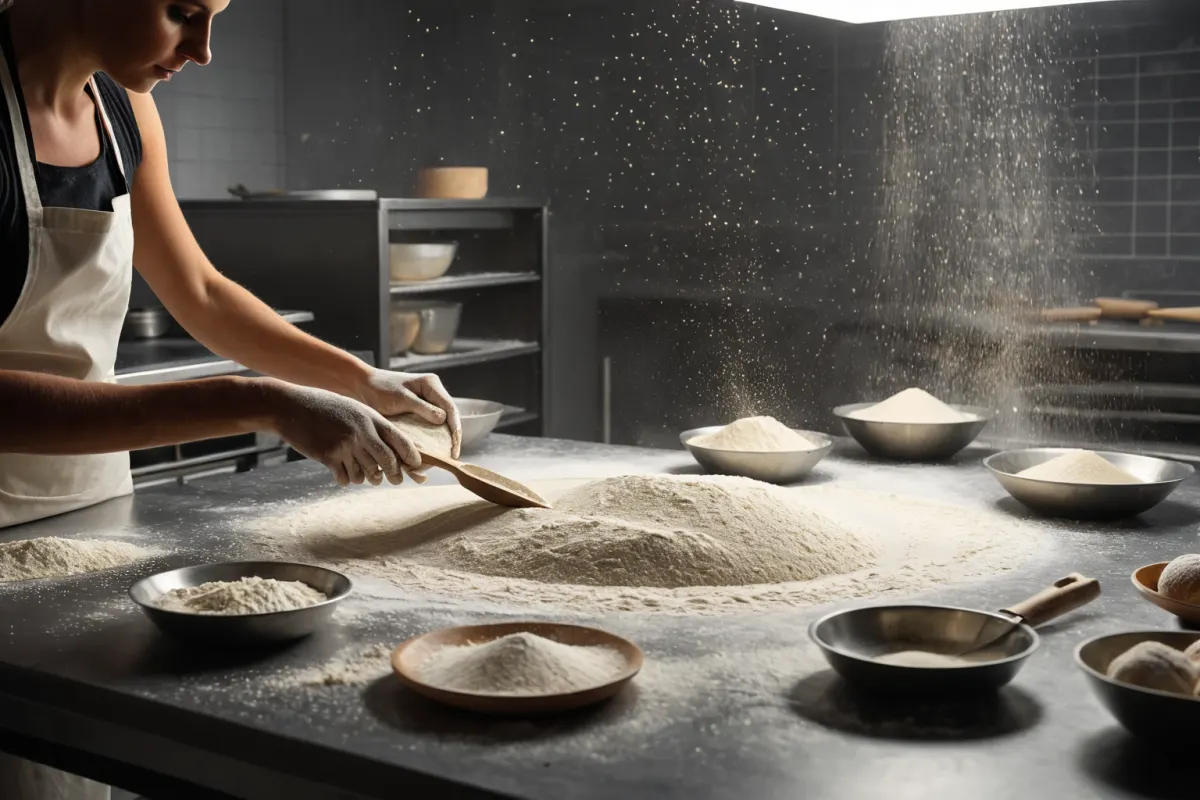
Why Practical-Focused Classes Feel More Expensive
Bakery certification requires not just theoretical knowledge but also practical skill completion. Many schools allocate more time to hands-on training, which naturally increases costs.
Practical sessions require instructors to immediately assess each student's product - examining dough consistency, fermentation level, oven temperature, and final presentation. This higher instructor density makes smaller classes or intensive programs more expensive.
Additionally, baking schools consider material waste. Since students repeat the same items multiple times in class (compared to home practice), material consumption is higher, which often gets reflected in school fees.
Best School Types by Budget
If budget is tight, it's practical to prepare for theory and basic hands-on skills separately. Rather than immediately choosing an expensive intensive program, consider starting with a basic course then adding specialized practical sessions later.
For moderate budgets, regular programs focused on practical training often provide the best value. With stable class frequency and sufficient practice time, these programs offer good satisfaction relative to cost and help establish a rhythm aligned with exam schedules.
If you have more flexibility in budget, consider 1:1 or small-group baking schools. While pricier, they save significant time for those who are slower learners or new to handling dough.
Common Cost Questions During Consultations
During consultations, the most common question is 'how much total?' but actual costs vary significantly by program. It's better to first consider a general range before finalizing numbers.
For example, theory-focused programs can start relatively affordably, while intensive practical programs may become significantly more expensive depending on whether materials are included. When asking about baking school tuition, it's more accurate to inquire about 'total cost to obtain the certification' rather than 'monthly amount'.
Another important point: proximity doesn't always mean lower cost. Convenient locations might reflect higher facility costs, but they save travel time - so you need to consider both cost and time efficiency together.
Commonly Overlooked Checkpoints When Choosing a School
A cheaper baking school may not be ideal if it lacks strong exam preparation alignment. Be sure to confirm whether the program is specifically designed for certification, or if it's more of a hobby course that doesn't focus on exam requirements.
Especially for beginners, schools with well-equipped practice tools are preferable. The number of ovens, workspace width, and availability of individual practice areas can be surprisingly important factors. When school fees are similar, the learning environment may make the difference in outcomes.
For example, if you struggle with shaping cream bread that keeps collapsing, a class where instructors immediately correct your hand positioning will be much more effective than simply following photos. These aspects are easy to miss when only looking at tuition numbers.
Questions to Ask During Consultations
Asking these questions during consultations makes comparison significantly easier:
- Are materials included in the tuition?
- How many practical mock exams are provided?
- Is individual review or additional sessions available?
- Are there extra costs for specific exam sections?
- Do you need to purchase tools or textbooks separately?
Asking these questions will quickly reveal why baking technician school fees differ. Even if prices seem similar, different inclusions can lead to vastly different satisfaction levels.
Key Criteria for Comparing Baking Certification Costs
The ultimate comparison criterion is simple: 'Can I develop the necessary skills within this cost?' A cheaper school may require additional costs if practice opportunities are limited, while a more expensive school that increases practical exam pass rates could be more efficient.
Therefore, when reviewing baking school prices, it's important to consider included services, training intensity, and exam alignment rather than just the numerical price. With this standard in mind, choosing a baking school becomes much simpler.
FAQ
Q. Is attending a baking school necessary for bakery certification?
A. It's not mandatory, but it helps new learners quickly grasp proper techniques and workflow processes.
Q. Why do baking school fees vary so much?
A. Differences come from class frequency, whether materials are included, small-class operation, and availability of mock exams.
Q. What should I check first when comparing costs?
A. Instead of total tuition, focus on whether materials are included and the number of practical sessions offered.
Note: School fees may change frequently, so it's safest to verify current rates before making a final decision.
Continue exploring similar topics.
View Category ArticlesFAQ
Is attending a baking school necessary for bakery certification?
It's not mandatory, but it helps new learners quickly grasp proper techniques and workflow processes.
Why do baking school fees vary so much?
Differences come from class frequency, whether materials are included, small-class operation, and availability of mock exams.
What should I check first when comparing costs?
Instead of total tuition, focus on whether materials are included and the number of practical sessions offered.
Korean Source
This article is an English localization of a Korean-language report from BlogScore. Original: 제과제빵자격증 대비 베이킹학원 비용대 비교