
How ASAP Information Sharing Helps Prevent Blog Content on Voice Scam Prevention


ASAP: The Real-Time Information Sharing Platform for Voice Scam Prevention
A real-time information-sharing system between financial, telecommunications, and law enforcement agencies has been fully operational to prevent voice scam victims. ASAP (Voice Scam Response Information Sharing Platform), introduced in January 2026, has already prevented 18.6 billion won in losses within its first three months of operation, with Shinhan Financial Group preventing an additional 800 million won in potential scams.
ASAP is an AI-powered platform that enables emergency blocking without the information subject's consent by aggregating suspected voice scam data for joint use. As of August 4, 2026, the system has expanded its cooperation framework across financial, telecom, and law enforcement agencies nationwide.
This information-sharing system plays a crucial role in preventing voice scams, particularly functioning as a safety net to protect vulnerable groups such as dementia patients from financial fraud.
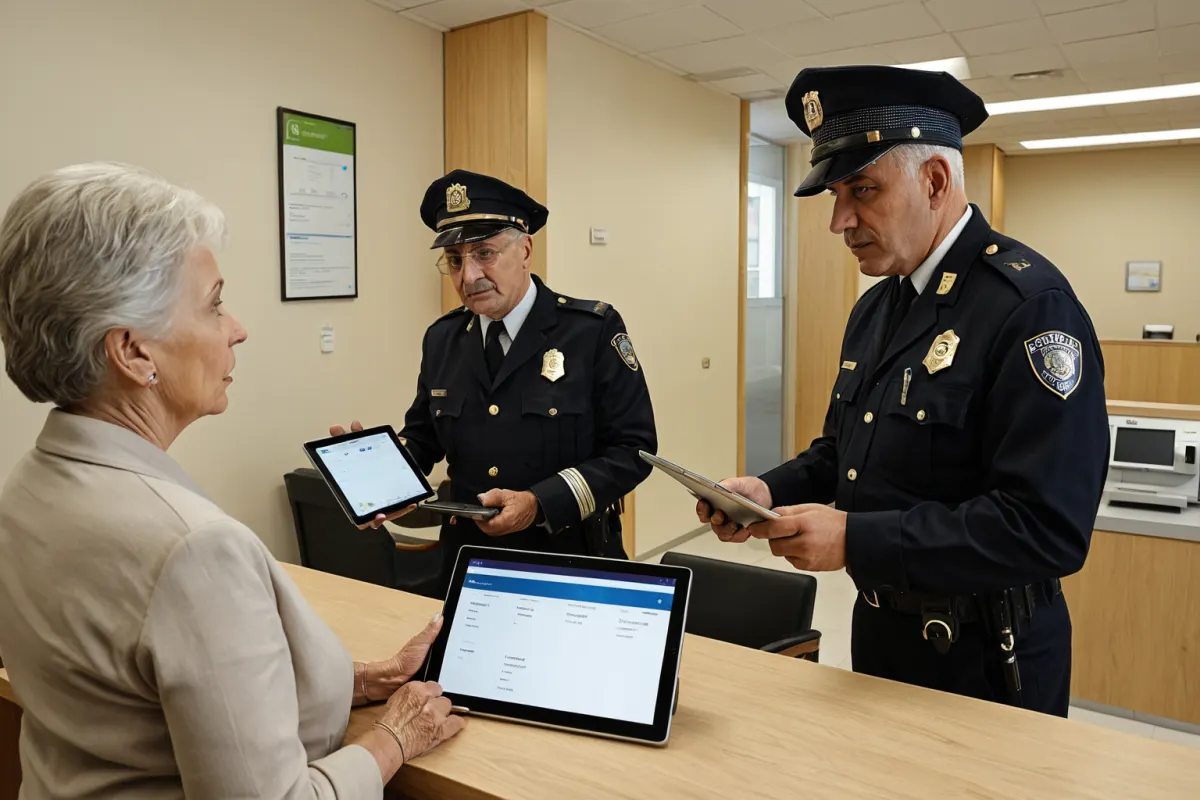
The Introduction and Expansion of ASAP
In January 2026, the government-led Voice Scam Response Information Sharing Platform (ASAP) was launched. The system was developed to prevent voice scams through real-time information sharing among financial, telecom, and law enforcement agencies.
By April 2026, three months after ASAP's introduction, the financial sector had prevented a total of 18.6 billion won in potential voice scam losses. Shinhan Financial Group reported preventing an additional 800 million won in scams through its own measures.
Notably, ASAP allows for emergency blocking without the consent of the information subject—a critical feature that minimizes damage during rapidly occurring voice scams.
On August 4, 2026, with legal framework implementation, participating agencies expanded, and the ASAP information-sharing system began full nationwide operation. Since then, banks, telecom companies, and police have been working together to prevent voice scams.
Main Features and Applications of ASAP
ASAP is an AI-powered platform that aggregates suspected voice scam data for joint response. It integrates previously separately managed suspicious information from various agencies for analysis and real-time sharing.
When banks or telecom companies detect a suspected voice scam transaction or call through ASAP, the police are immediately notified. This allows for swift action against perpetrators.
ASAP also functions as a safety net to protect vulnerable groups such as dementia patients from financial fraud. Once suspicious information is collected, additional protective measures can be taken for that account.
Legal Framework and Expansion of Participating Agencies
To strengthen the voice scam response system, relevant legislation was enacted. As of August 4, 2026, a law formally regulating information sharing among financial, telecom, and law enforcement agencies came into effect, expanding participation.
The legal amendment provided banks and telecom companies with a legal basis to quickly share suspected voice scam information with the police, improving the efficiency of the information-sharing system.
Participating agencies have gradually expanded, now including over 10 financial institutions, telecom providers, and police departments. This has established a comprehensive response system against voice scams.
Prevented Losses Through ASAP
By April 2026, three months after ASAP's introduction, the financial sector had prevented a total of 18.6 billion won in potential voice scam losses. This represents a significant achievement in preventing financial losses due to scams.
Shinhan Financial Group reported preventing an additional 800 million won in potential scams through its own measures. This was achieved through collaboration among subsidiaries including Shinhan Bank, Shinhan Card, and Shinhan Life Insurance.
More than 30% of the suspicious information collected through ASAP was confirmed as actual voice scam cases, demonstrating the platform's effective analytical capabilities. In particular, a high volume of suspicious activity related to financial transactions involving dementia patients has contributed to protecting this vulnerable group.
Real-Time Response Mechanism Through ASAP
ASAP is an AI-powered platform that enables emergency blocking without information subject consent—a critical feature for minimizing damage during rapidly occurring voice scams.
When banks and telecom companies collect suspicious information, the ASAP system analyzes it and immediately notifies the police. This allows law enforcement to quickly investigate crime scenes or take action against perpetrators.
In particular, a high volume of suspicious activity related to financial transactions involving dementia patients has contributed to protecting this vulnerable group, as confirmed by Shinhan Financial Group's case studies.
Status of ASAP Legal Framework
To strengthen the voice scam response system, relevant legislation was enacted. As of August 4, 2026, a law formally regulating information sharing among financial, telecom, and law enforcement agencies came into effect, expanding participation.
The legal amendment provided banks and telecom companies with a legal basis to quickly share suspected voice scam information with the police, improving the efficiency of the information-sharing system.
After the legal framework was established, participating agencies gradually expanded, now including over 10 financial institutions, telecom providers, and police departments. This has established a comprehensive response system against voice scams.
Specific Cases of ASAP Implementation
In April 2026, Shinhan Bank detected a suspected voice scam transaction and reported it through the ASAP system to the police. As a result, police quickly responded, arresting three suspects.
In another case, when a dementia patient attempted a financial transaction due to a voice scam, banks and telecom companies shared suspicious information via ASAP with the police. This prevented the transaction, protecting the dementia patient's financial assets.
More than 30% of suspicious information collected through ASAP was confirmed as actual voice scam cases, demonstrating the platform's effective analytical capabilities. In particular, a high volume of suspicious activity related to financial transactions involving dementia patients has contributed to protecting this vulnerable group.
Important Information to Verify
The specific technical details of ASAP's AI analysis are not publicly disclosed. The information is managed internally by the financial, telecom, and law enforcement agencies without external disclosure.
The exact name of the legal framework related to ASAP and its implementation date have not yet been publicly released. While legislation is ongoing, the precise legal title and effective date remain unconfirmed.
Frequently Asked Questions
Who operates ASAP?
ASAP is operated through a collaborative framework between financial, telecom, and law enforcement agencies under government leadership. Banks and telecom companies collect information and share it with the police.
How much loss has been prevented by ASAP?
As of April 2026, three months after ASAP's introduction, the financial sector had prevented a total of 18.6 billion won in voice scam losses. Shinhan Financial Group reported preventing an additional 800 million won through its own measures.
What information is shared via ASAP?
Suspected voice scam transaction details and call information are shared in real-time through ASAP. This data is used by banks, telecom companies, and police to prevent crime.
Frequently Asked Questions
ASAP is a critical information-sharing platform for preventing voice scams, contributing to the prevention of losses through real-time collaboration among financial, telecom, and law enforcement agencies. Since its January 2026 launch, it has prevented 18.6 billion won in potential losses within three months, with Shinhan Financial Group blocking an additional 800 million won.
ASAP is an AI-powered platform that enables emergency blocking without the information subject's consent, functioning as a safety net for vulnerable groups like dementia patients. As of August 4, 2026, with legal framework implementation and expanded participation, it has been fully operational nationwide.
As a pioneering response system against voice scams, ASAP is expected to continue strengthening collaboration between financial, telecom, and law enforcement agencies to develop more effective prevention measures in the future.
You can view similar articles all at once.
View Related ArticlesFAQ
Who operates ASAP?
ASAP is operated through a collaborative framework between financial, telecom, and law enforcement agencies under government leadership. Banks and telecom companies collect information and share it with the police.
How much loss has been prevented by ASAP?
As of April 2026, three months after ASAP's introduction, the financial sector had prevented a total of 18.6 billion won in voice scam losses. Shinhan Financial Group reported preventing an additional 800 million won through its own measures.
What information is shared via ASAP?
Suspected voice scam transaction details and call information are shared in real-time through ASAP. This data is used by banks, telecom companies, and police to prevent crime.
Korean Source
This article is an English localization of a Korean-language report from BlogScore. Original: ASAP 정보공유를 활용한 블로그 콘텐츠 제작 팁